
When dust hangs in a garage or wildfire smoke rolls into your neighborhood, a basic cloth covering rarely feels like enough. The right air purifier mask makes a real difference for woodworkers, cyclists, painters, and anyone who deals with poor air quality on the job or on the move. This shortlist pulls together full-face respirators, half-mask silicone models, fan-assisted electric options, and a personal carbon filter so you can match the gear to your environment.
How The Shortlist Stacks Up
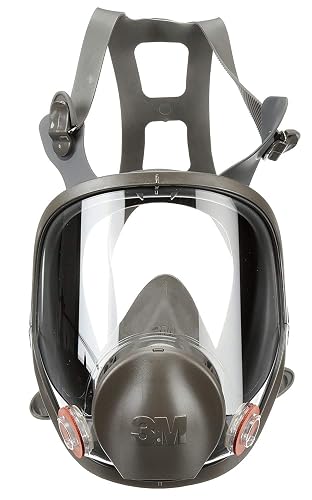
3M 6800 Reusable Respirator, Full Facepiece, Medium

NORTH 7700 Series Half Mask Silicone Respirator, Large
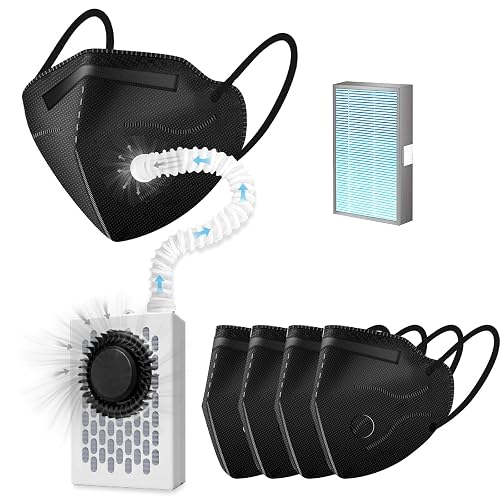
Rsenr Electric Mask with Fan, Fresh Air System
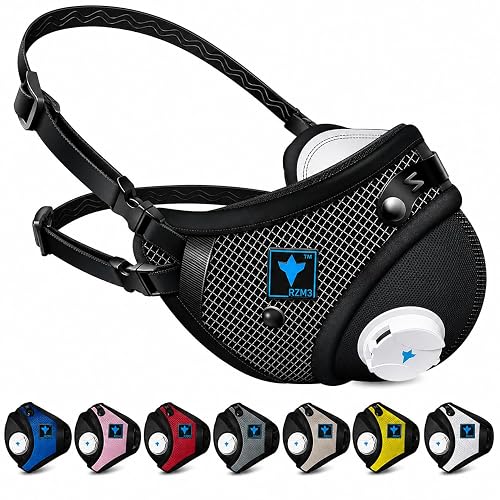
RZ Mask RZM3 Patented Dust Mask, Carbon Filtration
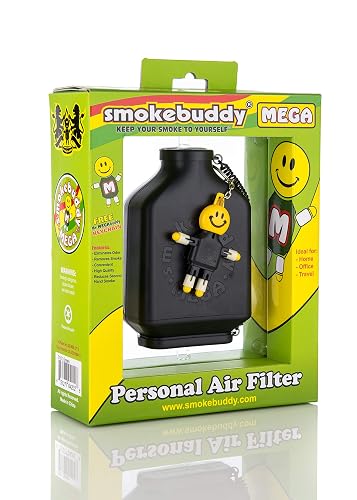
Smoke Buddy Mega Personal Air Purifier Filter, Black

Rsenr Electric Wearable Air Purifier Mask with HEPA Filter
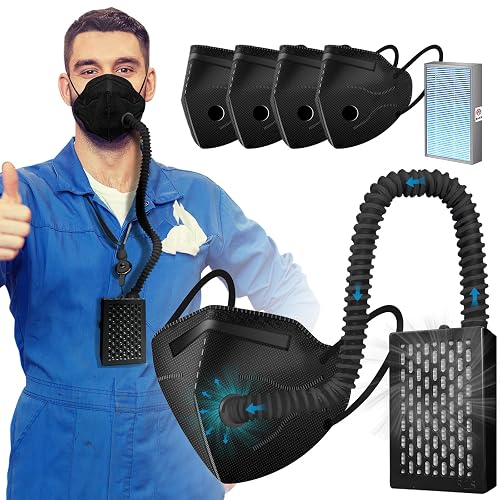
Rsenr Easy-to-Wear Mask with Fan for Outdoor Sport
Why These Options Stand Out
The 3M 6800 covers the entire face rather than just the nose and mouth, which is why it shows up in chemistry labs, woodworking shops, and finishing rooms where splatter and fine dust both matter. A silicone faceseal keeps the fit cushioned, and a wide polycarbonate lens preserves a clear field of view while you work.
This mask uses the bayonet-style filter mount that 3M has built its reputation around, so swapping particulate or vapor cartridges feels familiar to anyone who has used other 3M respirators. Compared with the NORTH 7700 down the list, this one trades the lower-weight half-mask feel for full-face protection and eye coverage.
Useful Highlights
- Full-face coverage protects eyes from splashes and airborne grit
- Silicone faceseal conforms to a range of face shapes
- Wide lens keeps peripheral vision clear for detail work
- Compatible with the broad 3M cartridge and filter ecosystem
- Reusable frame lowers long-term cost versus disposable masks
Things To Consider
- Heavier than a half-mask, which may fatigue you on long shifts
- Filters and cartridges are sold separately from the frame
- Lens can fog without anti-fog treatment during heavy exertion
Key Specs
Made For
Tradespeople and hobbyists who handle solvents, sawdust, or chemical spray and want full-face coverage in a reusable frame.
Skip It When
The NORTH 7700 Series Half Mask suits you better if you need lighter weight for all-day wear in a dust-heavy environment.
The NORTH 7700 trades the 3M 6800’s full-face shield for a lighter half-mask profile built from 100 percent medical-grade silicone. That material choice matters in workplaces where masks get cleaned, sanitized, and reused daily, because silicone resists breakdown from common solvents better than many elastomers.
It uses the North N-Series cartridge system, which is widely stocked in industrial supply catalogs. For contractors who move between paint jobs, sanding work, and solvent cleanup, the ability to swap cartridge types on a single frame is the real value.
Noteworthy Benefits
- Medical-grade silicone resists degradation from cleaners
- Compatible with the full N-Series cartridge range
- Lower profile than a full-face respirator for tight spaces
- Reusable design cuts recurring PPE cost
Worth Noting
- Does not protect the eyes, so safety glasses are still required
- Cartridges are sold separately, raising the entry cost
- Large size may not fit smaller face profiles
Who It Suits Best
Painters, auto-body techs, and maintenance crews who need a durable half-mask they can sanitize between jobs.
Consider Something Else When
The 3M 6800 Reusable Respirator is the stronger match when your work exposes your eyes to splash or flying debris.
The Rsenr R18pro swaps the heavy rubber body of a traditional respirator for a soft wearable shell with a built-in fan that pushes filtered air toward your face. That active airflow is the main reason people choose this style: it reduces the heat and moisture buildup that make long mask sessions miserable.
The listed runtime runs roughly 8 to 10 hours per charge, which covers a full workday for most users. Compared with the Rsenr HEPA model further down, this version leans more toward comfort than heavy filtration, so it works well for cycling commutes and yard work where particulates are present but concentrations stay moderate.
Key Advantages
- Active fan reduces heat, moisture, and CO2 buildup
- 8 to 10 hour battery covers a typical shift
- Reusable filter cuts ongoing cost
- Light on the face compared with cartridge respirators
Honest Caveats
- Filter specs are limited, so heavy industrial dust may shorten service life
- Battery and electronics add a part that can fail over time
- Not a substitute for a sealed half-mask in high-concentration environments
Best Suited To
Commuters and outdoor workers who want cooler, easier breathing than a passive rubber mask offers.
Look Elsewhere When
The Rsenr Electric Wearable Mask with HEPA Filter is the stronger choice if you are sanding, painting, or welding and need heavier particulate capture.
RZ Mask built the RZM3 for movement, and the design shows it: three straps pull the mask into a 360-degree seal around the face, the carbon filter layer cuts odor, and the vent shape aims to reduce fogging on sunglasses or safety glasses. For cyclists logging miles on dusty roads, that mix of seal and breathability is the point.
Unlike the full respirators from 3M and NORTH on this list, the RZM3 sits in the active-sport niche where the threat is usually particulates and light odor rather than chemical vapor. It feels closer to a dust mask than an industrial respirator, and that is a fair description of the role it plays.
The Helpful Details
- Three-strap system delivers a secure 360-degree seal during motion
- Carbon layer helps neutralize odor from traffic and wildfire smoke
- Anti-fog venting supports clear eyewear on long rides
- Lighter than a full cartridge respirator for sport use
Possible Compromises
- Not rated for chemical vapors or heavy industrial dust
- Replacement filters are an ongoing cost
- Strap tension may feel excessive for casual wear
Feature Snapshot
Perfect Match For
Cyclists, runners, and trail volunteers who want a secure mask that stays put in motion.
Another Choice May Suit
The Rsenr Easy-to-Wear Mask with Fan for Outdoor Sport fits better when you want active airflow rather than passive carbon filtration.
The Smoke Buddy Mega sits in a different category than the rest of this list. It is a handheld personal filter you exhale through, designed to reduce odor and visible smoke rather than to filter the air you breathe in. For users who want a pocket-sized tool for the car, office, or a hotel room, that distinction is the entire reason to consider it.
It is a category-1 item in a category-7 roundup, so think of it as a complement to a real respirator rather than a replacement. The compact size and the “Mega” chamber are what make it appealing when the goal is a quick, discreet session rather than all-day protection.
Advantages To Know
- Pocket-sized form factor slips into a bag or glovebox
- Exhale-only design keeps the unit simple to operate
- Targets odor and visible smoke for quick, discreet use
- Useful as a secondary tool alongside a primary respirator
Practical Considerations
- Does not filter inhaled air, so it is not a primary mask
- Filter life depends heavily on use frequency
Whose Shelf It Belongs On
Anyone who wants a small, travel-ready filter for odor control rather than inhalation protection.
Not Your Match When
The NORTH 7700 Series Half Mask is the better tool if you need to filter particulates, fumes, or vapors during actual work.
This Rsenr model adds a HEPA (High-Efficiency Particulate Air) filter layer to the fan-assisted wearable format, which raises the bar for fine-dust capture. HEPA media is the same standard used in room air purifiers, so it handles the sub-micron particles that come off sanding, polishing, and light welding work.
The active fan keeps fresh air moving across the filter, which helps reduce the damp, restrictive feel of a sealed dust mask. For shop work where you are leaning over a project for hours, that airflow is a noticeable quality-of-life upgrade over the RZ Mask RZM3’s passive carbon layer.
Useful Touches
- HEPA filter captures fine particulates from sanding and polishing
- Active fan reduces the heat and moisture of sealed mask wear
- Reusable shell with replaceable filter media
- Lighter than a cartridge half-mask for long sessions
Small Caveats
- Not rated for heavy chemical vapor exposure
- HEPA replacements add to ongoing cost
- Battery and motor introduce an extra part to maintain
Quick Facts
Who Should Grab It
Woodworkers, polishers, and DIY painters who want HEPA-grade capture without the bulk of a cartridge respirator.
Reach For A Different Pick When
The 3M 6800 Reusable Respirator is the better fit if your work involves organic vapors or solvents that need cartridge-grade chemical filtration.
The R18pro outdoor-sport variant is the most fitness-oriented pick on the list. Rsenr built it for joggers, hikers, and cyclists who want a mask that disappears during movement, with a soft frame and a fan that keeps air circulating while you breathe hard.
Like the earlier Rsenr fan mask, the listed battery life covers a full workout day, but this model leans even further into the lightweight, low-profile feel. It is less of a workshop tool and more of a trail-and-sidewalk tool, which is why it sits at the end of the shortlist rather than next to the HEPA workshop model.
Positive Points
- Soft, low-profile shell suited to high-output exercise
- Active fan reduces the heat of breathing through a filter
- 8 to 10 hour battery covers extended outdoor sessions
- Reusable filter keeps long-term cost down
Points To Keep In Mind
- Not designed for chemical vapor or industrial dust exposure
- Sport-tuned fit may feel loose for stationary workshop use
The Right Fit
Runners, hikers, and cyclists who want cool, easy breathing on smoky or dusty outdoor days.
Where A Sibling Pick Shines
The RZ Mask RZM3 fits better when you want a passive carbon layer and a tight strap seal for road cycling in heavy dust.
What Matters Most Before Choosing Air Purifier Masks
Match The Filter To The Hazard
Filtration is not one-size-fits-all. HEPA media catches fine particulates, activated carbon helps with odor and some organic vapors, and replaceable cartridges are the right call for solvents or acid gases. Identify the dominant hazard in your environment first, then choose a mask whose filter media is rated for that hazard.
Seal Matters More Than Filtration
A mask with a premium filter leaks uselessly if the seal is poor. Full silicone faceseals, multi-strap head harnesses, and 360-degree contact surfaces all improve real-world protection. For beards, facial scars, or unusual face shapes, half-masks often underperform, and a full-face respirator like the 3M 6800 may be the safer pick.
Weigh Comfort Against Coverage
Full-face respirators cover more area but add weight and heat. Half-masks are lighter but leave the eyes exposed. Fan-assisted wearables trade heavy filtration for cooler, easier breathing. Long shifts, hot environments, and high-exertion tasks all push the comfort side of the scale upward.
Plan For Filters, Cartridges, And Batteries
Reusable masks shift cost from the mask itself to ongoing consumables. Cartridge respirators need periodic cartridge swaps, HEPA masks need filter changes, and electric units need charging and battery care over time. Build those recurring costs into the decision rather than focusing only on the frame.
Key Considerations Across These Picks
Where Shoppers Go Wrong
A common slip is buying a mask rated for dust and expecting it to handle solvent vapor, or grabbing a fashion mask and assuming any filter inside makes it protective. Filter media, seal quality, and fit all have to match the hazard. Another trap is reusing cartridges past their service life because the mask still feels easy to breathe through, which means the filter is no longer capturing what it should.
When Paying More Pays Off
Higher-tier models in this category tend to spend the extra money on better faceseal materials, broader cartridge compatibility, and active airflow systems. That extra cost earns its keep when you wear the mask for hours at a time, work around multiple hazard types, or need a tight seal under motion. For occasional short use in a single hazard, a simpler model can do the job.
Frequently Asked Questions
How often should I replace the filter in a reusable air purifier mask?
Filter replacement depends on the hazard, concentration, and hours of use, so follow the manufacturer’s service-life guidance for the specific media. As a rule of thumb, particulate filters are commonly swapped once breathing starts to feel noticeably harder, and carbon layers are often replaced on a fixed schedule or when odor breakthrough is detected.
Are fan-assisted masks as protective as sealed cartridge respirators?
Fan-assisted wearables can move a lot of air, but their protection level depends on the filter media and the seal around the face, not the fan itself. For high-concentration particulates or chemical vapors, a sealed half-mask or full-face respirator with proper cartridges is generally the safer match.
Can I use a sports mask like the RZ Mask RZM3 for shop work?
Light shop work in a low-dust environment is usually fine, but heavy sanding, solvent use, or welding calls for a respirator rated for those specific hazards. Match the mask to the highest-exposure task you actually do, not the lightest one.
What is the difference between HEPA and activated carbon filtration?
HEPA is a mechanical filter standard that captures fine particulates down to a defined particle size, while activated carbon is an adsorbent material that traps gases, vapors, and odors. Some masks combine both, which is useful when the environment contains both dust and smell, such as wildfire smoke or solvent residue.
Do these masks help with wildfire smoke and outdoor air quality events?
Particulate-focused models such as HEPA and carbon-filter dust masks can reduce the inhalation of fine smoke particles, which is the main health concern during smoke events. For prolonged exposure, fit and filter life matter more than brand, so choose a mask that seals well and carry replacement filters.
Closing Remarks
The best air purifier mask is the one that matches your actual hazard, fits your face well, and stays comfortable long enough that you keep wearing it. Use this shortlist as a starting point, then narrow down by environment, exertion level, and the filters you can reasonably maintain.