What Maintenance Does an Air Purifier Need? Filters, Cleaning
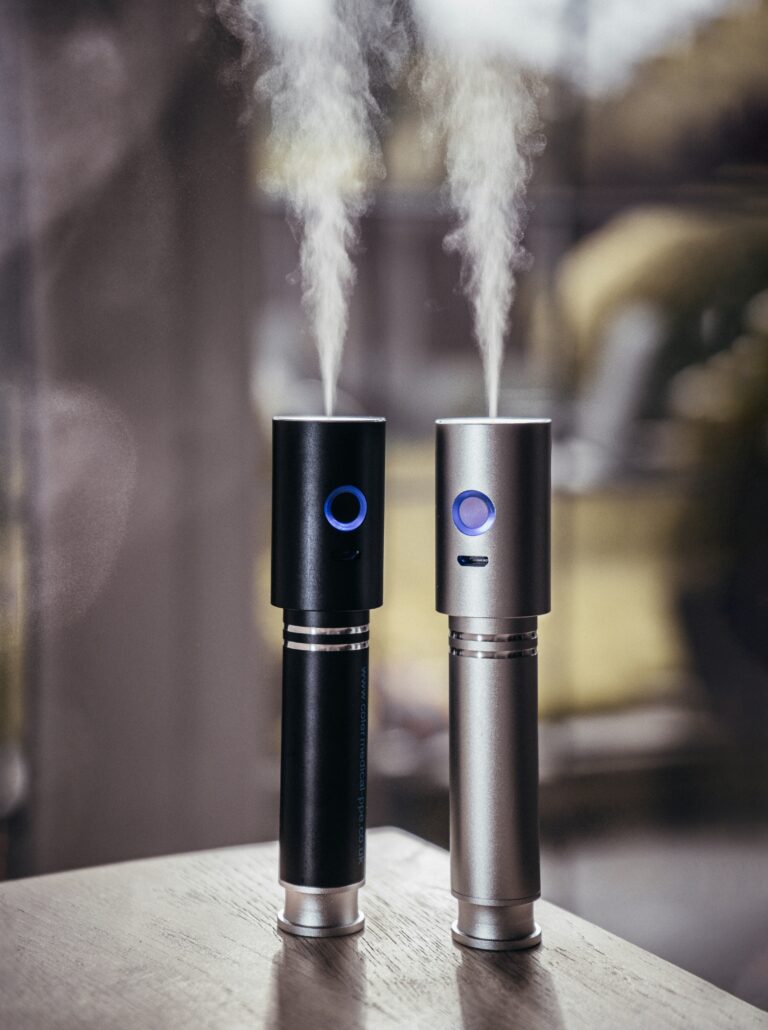
Learn what maintenance does an air purifier need with simple steps for changing filters, cleaning parts, and keeping your unit running efficiently all year.

Learn what maintenance does an air purifier need with simple steps for changing filters, cleaning parts, and keeping your unit running efficiently all year.

Most mid-range machines carrying one HEPA and one carbon stage settle into an annual cartridge-and-media bill of roughly $90 to $160, a figure that quietly compounds the longer the unit stays in service. That figure can double in homes with…
A dry microfiber cloth, a vacuum brush, and a barely damp soapy rag for smudges handle the outside in roughly ten minutes, with the unit unplugged the whole time. The casing, vents, control panel, and power cord each behave like…
A clogged HEPA filter, blocked intake vents, or a slowly worn fan motor is almost always behind a sudden drop in airflow. Restricted vents, dirty internal chambers, the wrong replacement filter, and a room larger than the unit’s CADR rating…
It chokes the fan, slashes Clean Air Delivery Rate, and inflates your power bill while allergens slip back into the room. Static pressure climbs as dust mats the fibers, the motor strains harder, and Air Changes Per Hour can fall…
Filter grime builds up in silence, and that slow accumulation can steadily drag the air you breathe downward. Yes, once fibers clog and carbon beds saturate, a unit that was trapping PM2.5, pollen, and pet dander can start re-releasing those…
Ozone output from indoor air cleaners is capped at 0.05 parts per million under California rules.05 parts per million, require every electronic purifier sold in the state to earn certification from a CARB-approved lab, and ban non-compliant units from shelves…
Curious about what happens to trapped pollutants inside an air purifier filter? Here's how collected particles behave over time and when a replacement truly matters.
To know if your air purifier produces ozone, check the cleaning technology inside the unit and the certifications printed on its label. Mechanical HEPA and activated carbon filters trap particles without generating the gas, while ionizers, electrostatic precipitators, plasma systems,…
California regulators cap emissions from indoor air cleaners at no more than 0.05 parts per million of ozone, a limit that anchors the state’s safety rules.05 parts per million for any air cleaning device sold or shipped into the state.…