
Most folks shopping for air purifiers want relief from dust, pet dander, or wildfire smoke, but don’t want to overspend. The category has matured: you can get true HEPA filtration, PM2.5 monitoring, and quiet sleep modes without crossing into premium territory. The list below covers tower purifiers, plug-in ionizers, and large-room workhorses, each with a clear use case. Reading time runs about ten minutes, and you’ll walk away with a shortlist that matches your room size and your budget.
A Quick View Of The Lineup
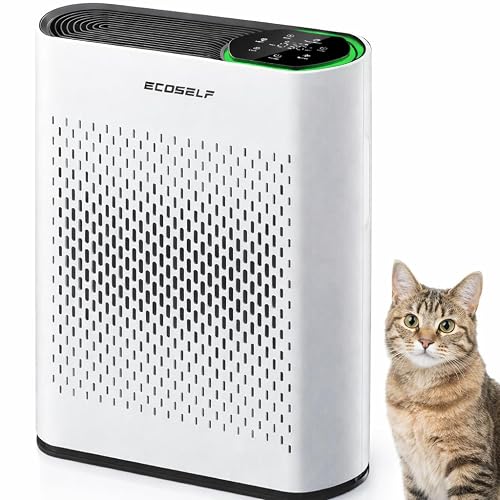
ECOSELF Air Purifier t, True HEPA Filter (White)
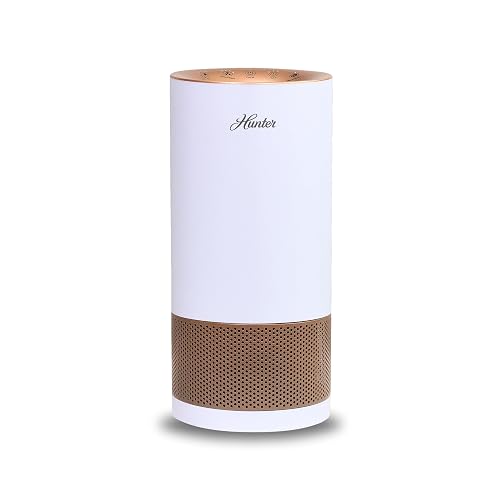
HP450UV True HEPA Air Purifier (White Rose Gold)

DREO Air Purifier DR-HAP009 for Large Rooms
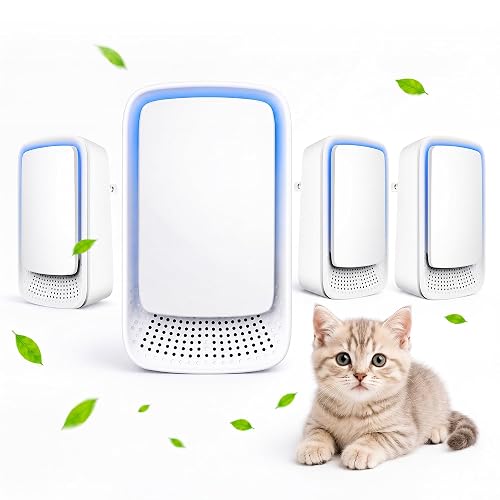
Plug In Air Ionizers 4 Pack for Home and Travel
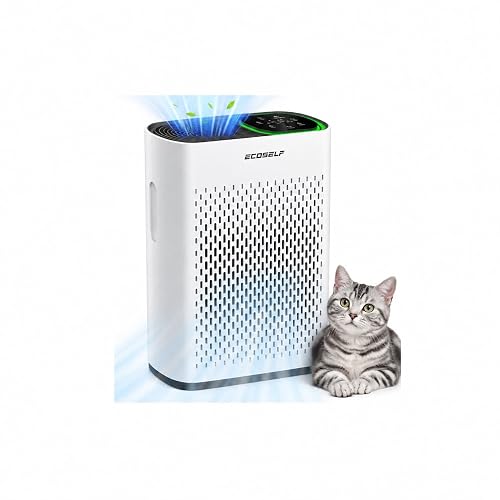
ECOSELF HAP602 Air Purifier for Large Rooms
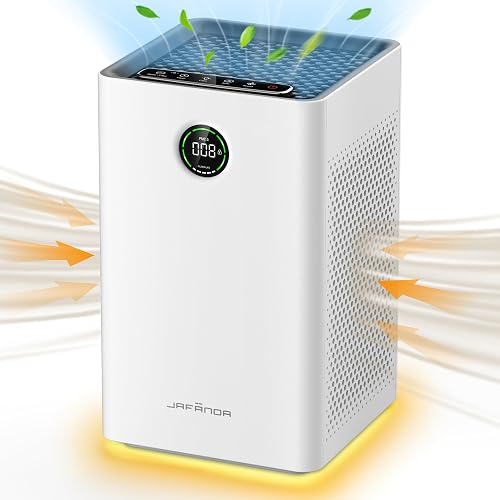
Jafanda JF260 HEPA Air Purifier with Carbon Filter
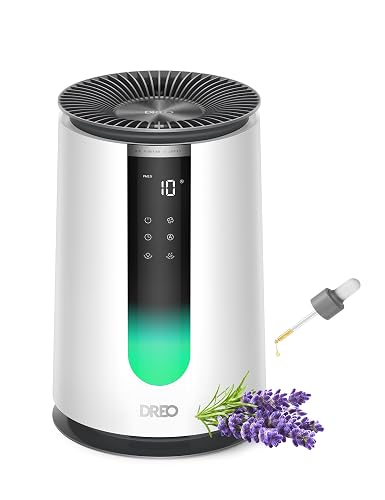
DREO Air Purifier DR-HAP008 for Bedrooms
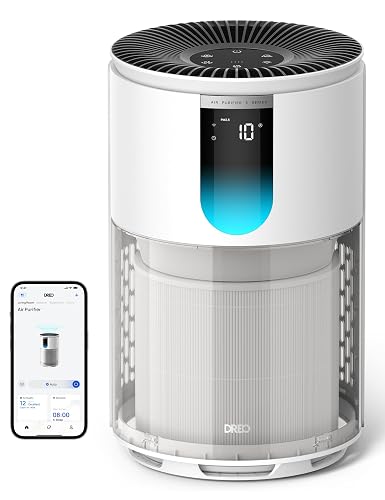
DREO Smart Air Purifier DR-HAP009S with Wi-Fi
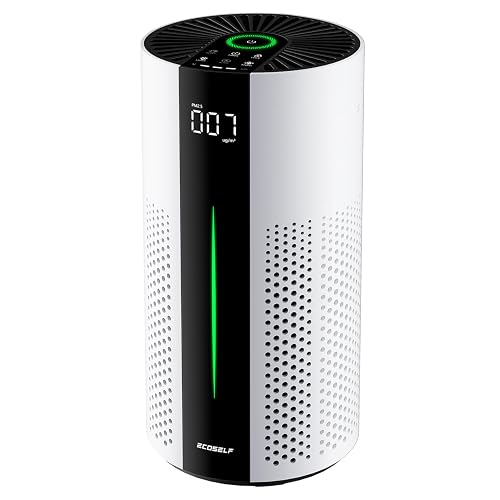
ECOSELF Air Purifier for Home Up to 1800 Ft²
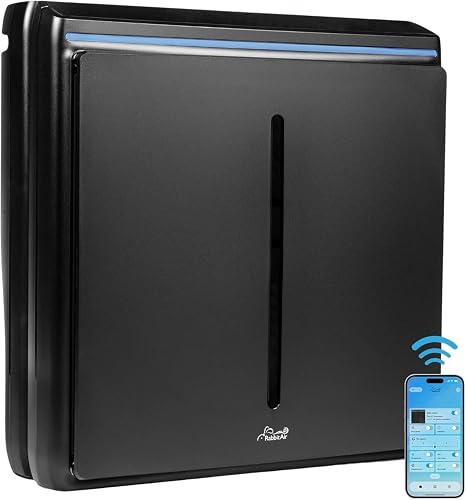
Rabbit Air A3 SPA-1000N HEPA Air Purifier (Black)
The Details Behind The Selections
The ECOSELF t-model leans into simplicity: a compact white tower, a true HEPA filter (a high-efficiency filter that captures 99.97% of airborne particles as small as 0.3 microns), and not much else to fiddle with. It suits a small bedroom or a home office where you want clean air without a learning curve.
Setup is plug-and-play, and the tower footprint keeps floor space clear. For someone moving into a first apartment or a dorm, it’s an approachable entry point, and it tucks neatly into corners you might otherwise leave empty.
Everyday Advantages
- True HEPA filtration handles common allergens, dust, and light pet dander in compact rooms.
- The understated white finish blends with most décor, so it doesn’t demand visual attention.
- Lightweight body makes it easy to relocate between rooms depending on where you need relief.
- Simple controls keep operation intuitive for anyone unfamiliar with air quality tech.
Things To Consider
- Coverage suits smaller rooms, so open-plan layouts will feel under-served.
- Replacement HEPA filters are an ongoing cost worth tracking, since owners commonly replace them every 6 to 12 months.
- No display for PM2.5 readings (fine particulate matter measuring 2.5 microns or smaller), so you rely on feel rather than numbers.
Right Fit For
First-time shoppers furnishing a small bedroom, a dorm, or a single-occupant home office where simplicity matters more than screens.
Skip It When
You want app-based control and detailed air quality metrics, in which case the DREO Smart Air Purifier DR-HAP009S offers a more data-rich experience.
The Hunter HP450UV trades the boxy look for a cylindrical tower with a white-and-rose-gold finish, and it adds UVC light technology (a short-wavelength ultraviolet light aimed at neutralizing certain airborne microorganisms) to the standard HEPA setup. That makes it more of a statement piece than most picks on this list, especially in a visible corner of a living room.
An EcoSilver pre-filter sits in front of the main HEPA layer, catching larger particles before they reach the primary filter. The tower shape pulls air in from all sides, which helps when the purifier sits in the middle of an open space rather than against a wall.
Everyday Wins
- The cylindrical tower and rose-gold accent look more like a décor object than an appliance.
- 360° intake works well when the unit is placed away from walls.
- The EcoSilver pre-filter extends the life of the main HEPA filter by catching larger debris first.
Points To Note
- The UVC component adds little for typical household dust and pollen, so consider it a bonus rather than a core reason to buy.
- Filter availability is brand-specific, which can complicate long-term ownership if you move or the line is discontinued.
Best Suited To
Style-conscious shoppers who want a purifier that earns its place in a visible living area without looking industrial.
Another Choice May Suit
You need wider coverage, in which case the ECOSELF HAP602 handles much larger rooms with a similar 360° intake approach.
The DREO DR-HAP009 stretches beyond the typical bedroom-class purifier with coverage up to 1,176 square feet. It’s AHAM verified, which means the Clean Air Delivery Rate (CADR, a measure of how quickly a purifier delivers clean air, measured in cubic feet per minute) is independently tested rather than self-reported. For an open living-dining area or a finished basement, that distinction matters.
The front-facing PM2.5 monitor gives a real-time read on what you’re breathing, and auto mode ramps the fan up or down as levels shift. The trade-off for all that muscle is a larger footprint, so plan a corner near a power outlet.
Notable Gains
- AHAM-verified CADR of 158 CFM means the smoke, dust, and pollen numbers come from independent testing, not marketing copy.
- Refreshes a 245 sq ft room roughly every 12.4 minutes, which is useful during cooking or wildfire smoke events.
- Auto mode reacts to PM2.5 shifts without manual adjustments, freeing you from babysitting the controls.
Trade Offs
- The unit’s size means it earns its place in larger rooms; tight bedrooms will feel over-equipped.
- Higher fan speeds can be audible, so you may find yourself using the dedicated sleep mode at night.
Key Specs
Who It Suits Best
Households with open floor plans, basement rec rooms, or anyone sensitive to seasonal smoke who wants verifiable coverage numbers.
Look Elsewhere When
You mainly need a quiet bedroom companion, since the DREO DR-HAP008 is purpose-built for that scenario with a smaller footprint.
The ShaoDelynxia 4-pack takes a completely different approach. Instead of a freestanding tower, you get small plug-in ionizers that release negatively charged ions to encourage particles to settle out of the air. They weigh almost nothing and fit any wall outlet, which makes them appealing for hotel rooms, dorms, or bathrooms where a full-size purifier feels excessive.
The 4-pack format means you can scatter them around a small apartment or stash one in a suitcase. Just note that ionizer-style units work differently from HEPA filtration, so manage expectations if you have serious allergy concerns.
The Good Stuff
- No filter replacements, no moving parts, and essentially silent operation.
- Four units let you cover multiple rooms or keep spares for travel.
- Discreet wall-plug form factor avoids floor clutter and fits tight outlets behind furniture.
Trade Offs
- Ionizers don’t match HEPA performance for capturing fine particles, so allergy sufferers may find them insufficient as a primary solution.
- Effectiveness depends heavily on room size and placement, so managing expectations matters.
Perfect Match For
Frequent travelers, college students in small dorms, and renters who want a low-fuss option without committing floor space.
Reach For A Different Pick When
You need real HEPA-grade particle capture, in which case the Jafanda JF260 brings true filtration to similar small spaces.
ECOSELF’s HAP602 is the unit to consider when a small tower simply won’t keep up. The 360° airflow design pulls air from every direction, and a real-time PM2.5 display shows the current air quality at a glance. Auto mode lets the purifier respond to changes without manual intervention, so you can set it and forget it.
The 20 dB sleep mode is genuinely quiet, comparable to a soft whisper, so it doesn’t disturb a bedroom even when running all night. The touch display is a step up from basic button interfaces, and it gives you clear feedback on fan speed and air quality.
Advantages To Know
- Three-stage true HEPA filtration handles fine particles, which is helpful for households with shedding pets or nearby construction.
- The 360° intake design means placement flexibility, since the unit doesn’t need a wall behind it to work effectively.
- PM2.5 auto response takes the guesswork out of fan management during variable pollution days.
- 20 dB sleep mode is quiet enough for light sleepers in the same room.
Trade Offs
- Higher performance means a larger physical footprint than bedroom-sized purifiers.
- The touch controls can be sensitive to accidental taps, especially in tight spaces.
Quick Facts
Made For
Large living rooms, open floor plans, and households that want set-it-and-forget-it air quality management without a smart-home setup.
Swap It Out When
You want voice and app integration, in which case the DREO Smart Air Purifier DR-HAP009S brings Wi-Fi control to a similar coverage footprint.
The Jafanda JF260 addresses a problem that standard HEPA-only purifiers tend to miss: odor. A 300-gram activated carbon layer (carbon that’s been treated to create a porous surface that traps odor molecules) sits ahead of the main filter, capturing pet smells, cooking residue, and other household odors that HEPA alone misses. For pet owners, that single addition changes the experience.
Coverage up to 1,090 square feet puts it in the large-room tier, and the integrated night light adds a soft glow for hallways or bedrooms. The 3-in-1 filtration stages, including a pre-filter, HEPA, and carbon, handle dander, dust, and pollen in a single pass.
A Few Strong Suits
- The dedicated carbon layer is unusually heavy at 300 grams, which extends odor absorption between filter changes.
- 1,090 sq ft coverage handles most living areas without needing a second unit.
- Night light adds gentle ambient lighting that doubles as a hallway marker.
- The 3-in-1 filter design simplifies maintenance since you replace one combined cartridge.
Things To Consider
- Carbon filters typically need replacement sooner in homes with multiple pets, which raises ongoing costs.
- The night light may be too bright for some sleepers, depending on placement.
Key Product Details
Who Should Grab It
Multi-pet households, foster caregivers, and anyone whose main concern is smell rather than visible dust or pollen.
Not Your Match When
You need smart-home connectivity, since the DREO DR-HAP009S adds Wi-Fi and voice control to a similar large-room footprint.
The DREO DR-HAP008 is the smaller sibling of the larger-room DR-HAP009, scaled down for bedrooms and similar intimate spaces. The AHAM-verified CADR of 115 CFM is more modest, but for rooms around 178 square feet, it cycles air in roughly 12.4 minutes, which is plenty for sleep-time use.
The built-in scent diffuser is a thoughtful addition for anyone who likes a subtle aroma while winding down. Sleep mode ramps fan speed down to near-silence, and the 4-speed range plus auto and turbo gives flexibility when conditions change mid-day.
Where It Excels
- Smaller footprint fits comfortably on a nightstand or low shelf without dominating the room.
- The integrated scent diffuser adds a calming element that HEPA-only units skip.
- AHAM verification provides confidence in the CADR number, which isn’t always the case at this price point.
- Auto mode adjusts fan speed as PM2.5 levels shift, so you don’t need to fiddle with controls at night.
Some Limits To Know
- Coverage tops out at 178 sq ft for the rated refresh rate, so larger rooms need more time or a bigger unit.
- Scent oils aren’t included, and you’ll want to confirm compatibility with the diffuser to avoid residue buildup.
Best Suited To
Bedroom-focused shoppers who want AHAM-verified performance plus a touch of aromatherapy in a compact package.
Where A Sibling Pick Shines
You need bigger coverage, since the DREO DR-HAP009 handles open living areas with the same verified performance baseline.
The DREO DR-HAP009S takes everything the standard DR-HAP009 offers and layers on Wi-Fi, app, and voice control. If your home already runs on smart routines, this is the model that fits the ecosystem rather than standing apart from it.
The CADR holds steady at 158 CFM, AHAM verified, so the underlying performance matches the non-smart sibling. What changes is the interface: schedules, remote adjustments, and air quality history all live in the app, which means you can check on your living room from the office.
A Strong Showing
- Wi-Fi and voice control make it easy to adjust settings without walking to the unit.
- Scheduling through the app supports routines like “boost before dinner” or “low at bedtime.”
- AHAM-verified 158 CFM CADR ensures the smart features don’t come at the cost of cleaning power.
Honest Caveats
- Voice and app features depend on a stable 2.4 GHz Wi-Fi connection, which can be a snag in older homes.
- The smart functionality adds a small setup step that less tech-oriented shoppers may find unnecessary.
Built With In Mind
Smart-home enthusiasts who want air quality to join the rest of their connected routines rather than operate as a standalone appliance.
Where It May Fall Short
You prefer a simpler approach with no app dependency, in which case the DREO DR-HAP009 offers identical core performance.
ECOSELF’s wider-coverage model covers up to 1,800 square feet, which puts it in the same arena as the DREO 009 line but at a different price/feature balance. The 360° air intake matches the HAP602 sibling, and the built-in PM2.5 sensor drives auto mode without requiring manual fan adjustments.
For multi-room households that want a single unit doing the work of two, this is the practical answer. The auto-mode responsiveness to smoke, pollen, or pet dander spikes means you don’t have to monitor the unit constantly during seasonal changes.
Practical Pluses
- 360° intake design means you can place it in the middle of a space without dead zones.
- Auto mode reacts to PM2.5 shifts in real time, which is helpful during cooking or seasonal pollen events.
- 1,800 sq ft coverage handles most apartments and smaller single-family homes with one unit.
Points To Keep In Mind
- Real-world coverage depends on ceiling height and furniture layout, so 1,800 sq ft is best treated as a ceiling rather than a guarantee.
- Filter replacements may run higher than smaller units, depending on usage hours.
Who Will Love This
Multi-room households and open-plan dwellers who want one unit to cover the main living area without buying two purifiers.
A Better Fit Elsewhere
You’re outfitting a nursery or light sleeper’s bedroom, where the Rabbit Air A3’s 20.3 dBA whisper mode serves better.
The Rabbit Air A3 sits at the top of this list in price, and it earns that position by solving a problem most purifiers ignore: noise. At 20.3 dBA on its lowest setting, it’s whisper-quiet, so it can run all night in a nursery or shared bedroom without disturbing sleep.
The 6-stage filtration system is configurable, which lets you tailor the filter setup to your specific air quality concern rather than buying a one-size-fits-all cartridge. The black finish looks understated on a wall, and the wall-mountable design frees up floor space entirely.
Real Benefits
- 20.3 dBA operation is genuinely whisper-quiet, even by bedroom-purifier standards.
- 6-stage customizable filtration lets you target specific concerns like pet dander or VOCs (volatile organic compounds, which are gases emitted from paints, cleaners, and furnishings).
- Wall-mountable design frees floor space in smaller rooms.
Some Limits To Know
- Premium pricing puts it at the top of the budget ceiling, so it’s a stretch for shoppers anchored to a strict cap.
- Custom filter configurations mean you need to choose the right setup upfront, which adds a small learning step.
- Mounting hardware and placement require a bit more planning than a simple floor unit.
Feature Snapshot
The Right Fit
Light sleepers, nursery parents, and households willing to invest in customizable filtration for specific allergy or sensitivity concerns.
Consider Something Else When
You’re working with a tighter budget, since the ECOSELF t-model delivers core HEPA filtration at a much lower cost.
Picking The Right Air Purifier Without Overpaying
Match Coverage To Room Size First
Square footage matters more than feature lists. A purifier rated for 1,000 square feet running in a 150-square-foot bedroom is overkill on speed and cost, while a bedroom-class unit in an open living room leaves air unfiltered. Measure your space and match the CADR (clean air delivery rate, in cubic feet per minute) to the room before comparing extras. AHAM-verified units give you honest numbers to work with.
Decide Whether You Need Smart Features
Wi-Fi, voice control, and app scheduling add convenience but also add setup friction. Shoppers with an existing smart-home setup get the most value from connected models. Renters, older adults, and anyone who prefers a physical button panel often find the simpler interfaces less frustrating over time.
Think About Filter Replacement Costs
The sticker price is the starting point, not the total. HEPA filters typically need replacing every 6 to 12 months, and activated carbon layers can wear out faster in homes with pets or smokers. Before buying, check the cost of replacement cartridges. A cheaper unit with expensive filters can end up costing more than a pricier model with affordable replacements.
Noise Level Drives Daily Use
A purifier that’s too loud for the bedroom will end up turned off at night, which defeats the purpose. Look for sub-25 dB sleep modes if you plan to run the unit in shared sleeping spaces. Higher fan speeds matter for daytime performance, but quiet nighttime operation is what makes the habit stick.
Key Considerations Across These Picks
Wrong Turns To Avoid
The most common mistake is buying a purifier based on maximum coverage claims without considering your actual room size. A unit rated for 1,800 square feet running in a 200-square-foot bedroom wastes energy and creates unnecessary noise. The flip side is just as bad: a compact purifier in an open floor plan barely makes a dent in airborne particles, leaving you wondering why the air still feels stale.
Another trap is confusing ionizer-style units with true HEPA filtration. Ionizers release charged particles that encourage settling but don’t capture fine particles the way a HEPA filter does. For allergy or asthma concerns, true HEPA is the standard to insist on.
What Separates Premium From Basic
Higher-tier models in this category earn their price through quieter operation, better filtration stages, and verified performance. The Rabbit Air A3, for example, runs at 20.3 dBA, which is a meaningful upgrade over louder midrange units, and its 6-stage customizable filtration targets specific concerns like VOCs or pet dander. The DREO smart models add Wi-Fi integration that budget units skip.
The honest read is that premium features make sense if you run the purifier in a bedroom or a living space where noise and air quality details matter daily. For a guest room or a basement that sees occasional use, a midrange HEPA unit delivers most of the value at a fraction of the cost.
Frequently Asked Questions
How often do HEPA filters need replacing?
Most true HEPA filters in this category last 6 to 12 months under typical household use, though homes with shedding pets, smokers, or heavy cooking may shorten that window. Activated carbon layers often wear out faster than the HEPA portion, so check the manufacturer’s guidance for your specific unit.
Do air purifiers help with pet allergies?
Yes, when the purifier uses a true HEPA filter rated to capture 0.3-micron particles, which includes most pet dander. Adding an activated carbon stage helps with associated odors. The Jafanda JF260 combines both, making it a strong fit for multi-pet households.
Are smart features worth the extra cost?
Smart features pay off if you already use voice assistants or scheduling apps, since they let you adjust the purifier from anywhere. For shoppers who prefer simple controls, the added setup and Wi-Fi dependency can feel like extra friction rather than convenience.
Can one purifier cover multiple rooms?
Open floor plans allow air to circulate freely, so a single unit with wide coverage, like the ECOSELF 1800 sq ft model, can serve the space. Closed-door rooms are a different story, since the purifier only treats the air in its immediate area. For separate bedrooms, individual units typically deliver better results.
What does AHAM verification actually mean?
AHAM (the Association of Home Appliance Manufacturers) runs independent tests on air purifiers to verify the Clean Air Delivery Rate (CADR) for smoke, dust, and pollen. When a unit carries AHAM verification, the CADR number on the listing reflects measured performance rather than a manufacturer’s estimate.
Closing Remarks
The right air purifier depends less on flashy specs and more on the room you actually need to treat. Start with square footage, then weigh noise, filter costs, and smart features. For most households, a midrange HEPA unit with verified performance handles the job without overpaying. Match the pick to your space, and the rest tends to take care of itself.