
Hotel rooms, rental cabins, and overnight flights tend to recycle the same stale air for hours, leaving you with that groggy, congested feeling on arrival. Travelers sensitive to pet dander, wildfire smoke, or hotel HVAC dust know the problem well. The picks below cover home bases you set up before departure alongside compact units built to live in a carry-on, so you can match the right tool to the trip.
The Main Contenders
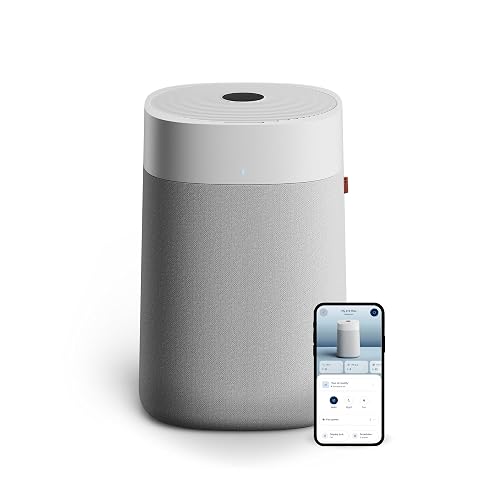
BLUEAIR Blue Pure 211i Max Air Purifier (Large Rooms)
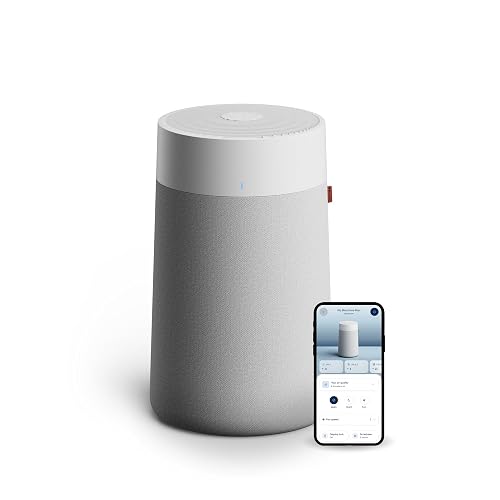
BLUEAIR Blue Pure 311i Max Air Purifier (Medium Rooms)
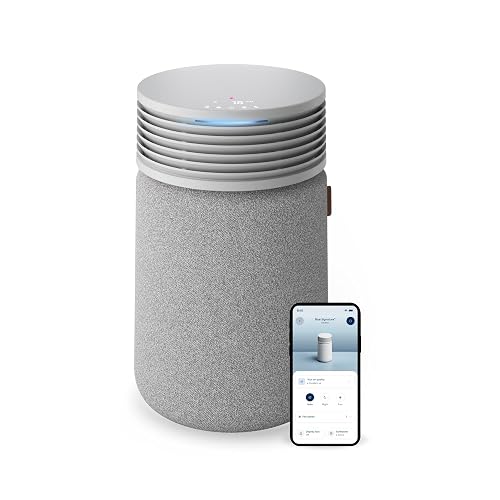
BLUEAIR Blue Signature SP3i Air Purifier (Medium Rooms)
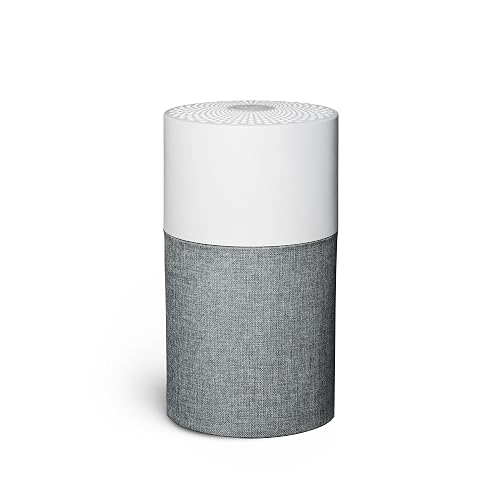
BLUEAIR Blue Pure 511 Air Purifier (Small Rooms)

Vnitoz Plug-In Negative Ion Air Purifier (Black)
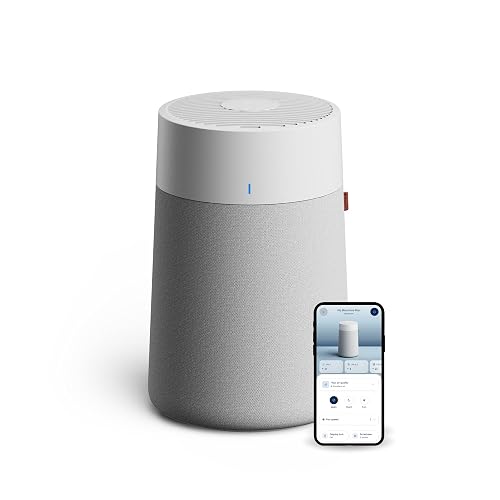
BLUEAIR Blue Pure 511i Max Air Purifier (Bedroom)
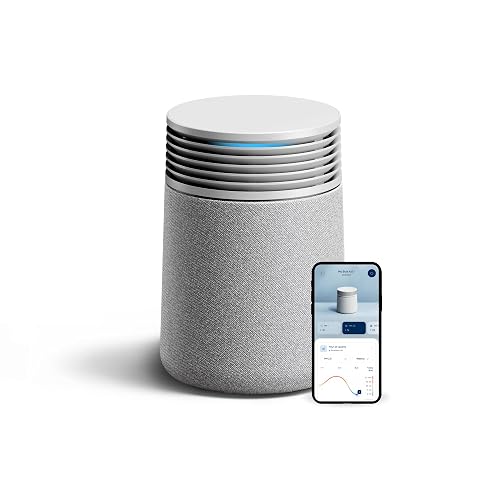
BLUEAIR Blue Signature Small Smart Air Purifier
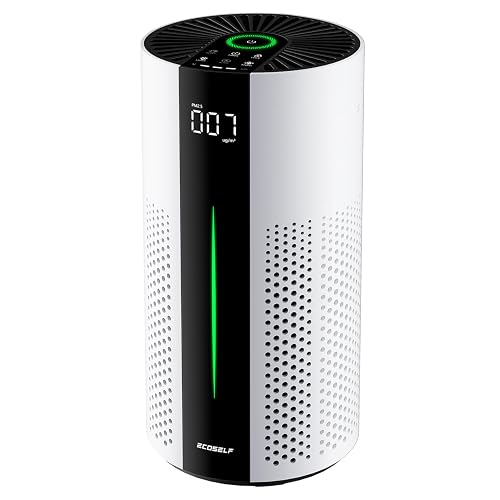
ECOSELF Air Purifier for Home Large Room (1800 Ft²)
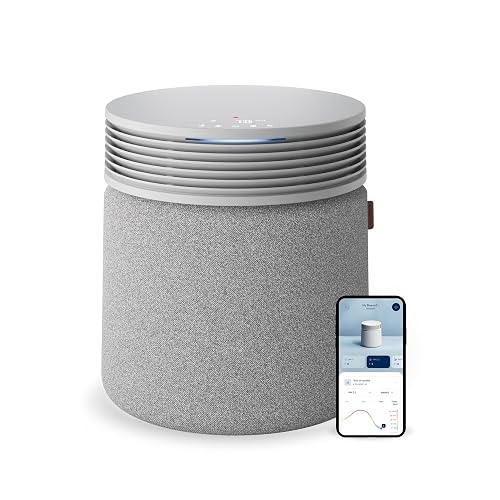
BLUEAIR Blue Signature Air Purifier (Large Rooms)
Why These Options Stand Out
The 211i Max is the kind of unit you set up in a primary residence before a long trip, then walk away from knowing the air is handled. HEPASilent dual filtration is a Blueair term for combining mechanical and electrostatic capture (a charged pre-filter plus a fine pleated stage), which lets the fan move serious air without the roar of a traditional HEPA box. For travelers with allergies or pet households, that translates to a clean home base waiting on return.
WiFi control and auto mode are the practical perks: the unit ramps up when it senses a spike in particulates (tiny airborne solids like dust or smoke) and quiets back down at night. You may find the fabric pre-filter needs a quick vacuum every few weeks in heavy-shedding homes, but the swap is straightforward.
Reasons It Performs
- Coverage rated for large open spaces, useful for households that double as a launchpad for trips
- HEPASilent dual filtration handles smoke, dander, and dust without the typical HEPA fan drone
- Auto mode reacts to real air quality, so you don’t have to babysit the settings
- App control makes it easy to check status from the road
- Quieter on low speed than most large-room competitors
Points To Keep In Mind
- Physical size is substantial, so placement planning matters in smaller rooms
- Replacement filter cost adds up over years of continuous use
Key Specs
Who It Suits Best
Allergy-prone travelers with large, open-plan homes who want set-and-forget air care and app control from the road.
Where Another Pick Suits Better
Frequent flyers packing light will find the Vnitoz Plug-In Negative Ion Air Purifier far more bag-friendly for hotel nights.
Stepping down from the 211i Max, the 311i Max targets the room sizes most travelers actually sleep in: hotel-grade bedrooms, Airbnbs, and home offices. HEPASilent technology here is the same dual approach of a charged pre-filter paired with mechanical media, keeping noise low enough for light sleepers. The cylindrical form factor is narrow enough to tuck into a corner without dominating the floor plan.
Auto mode leans on a particle sensor to ramp the fan when cooking smoke or pollen spikes, which matters on travel days when windows are sealed and HVAC is recirculating. Owners commonly report a noticeable difference in morning congestion after running it overnight in a bedroom.
Everyday Advantages
- Sized right for typical bedrooms and offices, where most people actually sleep on the road or at home
- Quieter than most medium-room purifiers at low speed, ideal for night use
- WiFi and app control match the larger 211i Max for a familiar experience
- Washable fabric pre-filter catches the visible dust before it reaches the main filter
Trade Offs
- Not designed for open-plan living or large lofts
- Filter replacements are brand-specific, so plan to source them from Blueair
- Auto mode depends on the particle sensor placement, so corner placement may slow response
Made For
Travelers with medium bedrooms or home offices who want quiet, automatic air care without oversizing the unit.
Consider Something Else When
Anyone running a large open floor plan will get faster cycling from the BLUEAIR Blue Signature Air Purifier (Large Rooms).
The Signature SP3i is Blueair’s table-design answer for spaces where a tall tower won’t fit, like a hotel desk or apartment console. Seven-stage HEPASilent filtration adds a carbon layer (activated charcoal media that traps odors and gases) on top of the standard particle capture, which is where the win shows up for smoke-prone destinations. For travelers returning from wildfire-affected areas or heavy urban traffic, that extra stage makes a real difference.
WiFi smart control and auto mode carry over from the 211i Max family, so the app experience is consistent. You may find the table footprint shallow enough to slide onto a nightstand without giving up usable surface area.
What Stands Out
- Seven-stage filtration layers carbon capture for odors and smoke beyond standard HEPA
- Low, table-friendly profile fits where tower designs won’t, like desks and nightstands
- WiFi control with auto mode keeps adjustments hands-off
- AHAM verified (an independent certification that rates air purifier performance against room size) for measured performance
Some Limits To Know
- Higher-tier filter media means filter swaps cost more than the basic Blue Pure line
- Smaller air intake area than a tower, so expect slightly longer cycling in tight corners
Quick Facts
Right Fit For
Smoke- or odor-sensitive travelers who want a low-profile unit for nightstands, small living rooms, or office desks.
Skip It When
Hotel-hoppers who pack light will get more mileage from the Vnitoz Plug-In Negative Ion Air Purifier, which lives in a carry-on.
The Blue Pure 511 is the smallest footprint in the Blueair family, and the one that travels best between rooms in a regular home. It cleans up to 432 sq ft in about half an hour, or 180 sq ft in just over twelve minutes, which lines up with a nursery, home office, or small bedroom. At 24 dB on low speed, the unit is closer to a soft hum than the typical white-noise drone of a fan, which matters during overnight runs.
There’s no WiFi here, just a simple one-button control, which keeps the design refreshingly low-fuss. The trade-off is no auto mode or app, so you’ll set it and forget it manually. For most small-room scenarios, that’s a fair exchange.
Where It Excels
- Whisper-quiet at 24 dB on low, well-suited for nurseries and light sleepers
- Compact body fits nightstands, shelves, and tight corners
- HEPASilent dual filtration at this size is rare among competitors
- One-button operation removes any app dependency
Worth Noting
- No WiFi, auto mode, or app control, so adjustments are manual
- Coverage tops out around small-room territory, so larger spaces will underwhelm
Best Suited To
Parents, dorm dwellers, and home office workers who want quiet, simple air care in a small space without a learning curve.
Not Your Match When
Anyone wanting app-driven auto mode for a slightly larger room will find the BLUEAIR Blue Pure 511i Max a closer fit.
The Vnitoz plug-in is the only unit on this list built specifically for the road. It occupies a single wall outlet and weighs next to nothing, so it tucks into a carry-on pocket without a second thought. Negative ion technology works by emitting charged particles that latch onto airborne contaminants, causing them to settle out of the breathing zone. In a stale hotel room, that translates to a fresher feel within minutes of plugging in.
There are no filters to replace, no fans to clean, and no apps to learn, which is the honest appeal. The honest read is that ionizers are best understood as a light-touch option, not a substitute for full HEPA-grade capture in a smoke-heavy environment.
Key Advantages
- Outlet-sized portability means it travels in a carry-on, not a checked bag
- Zero filters to replace, lowering long-term cost and maintenance
- Silent operation since there is no fan
- Trivial setup, just plug into any standard outlet
Points To Consider
- Coverage is limited to a small bubble around the outlet, so placement matters
- Ionizers do not match HEPA capture for fine particulates in heavy-smoke conditions
Feature Snapshot
Who Will Love This
Road warriors, business travelers, and renters who want a no-fuss outlet solution in hotel rooms without packing a tower unit.
A Better Fit Elsewhere
Anyone with persistent allergy or smoke concerns at home should pair this with a full-room unit like the BLUEAIR Blue Pure 311i Max.
The 511i Max is the smart version of the 511, and the upgrade is genuinely worth it for anyone living in a studio or small one-bedroom. HEPASilent dual filtration pairs with WiFi and auto mode, so the unit ramps up when pollen or cooking odors hit and quiets down once air clears. Coverage of up to 1,138 sq ft per hour comfortably handles a 237 sq ft bedroom, plus spills over into an adjoining space.
For frequent flyers, the app lets you check air quality at home while you’re mid-trip, a small but meaningful peace-of-mind feature. Owners commonly report that the night mode is genuinely whisper-quiet, with no chirping LEDs to disrupt sleep.
Advantages To Know
- Compact body with smart features usually reserved for larger units
- Auto mode responds to air quality without manual adjustment
- Night mode is quiet enough for light sleepers, based on typical settings
- App control adds a remote check-in from the road
Honest Caveats
- Still sized for small rooms, so open lofts will outpace it
- Premium pricing over the non-smart 511 for features some may not use
Feature Rundown
Perfect Match For
Studio apartment dwellers and smart-home enthusiasts who want automatic air care in a small footprint.
Look Elsewhere When
Anyone needing to cover a larger open-plan space will find the BLUEAIR Blue Pure 211i Max a stronger fit.
The Blue Signature Small shares the seven-stage HEPASilent architecture with the larger Signature SP3i, scaled down for bedrooms and home offices. Cleansing 1,190 sq ft per hour keeps a 248 sq ft room turning over quickly, so the air refresh feels almost immediate after entering. The Signature line targets users who want both particle capture and carbon-stage odor handling in a compact body.
App control with scheduling rounds out the smart features for travelers who like routines. You may find the fabric exterior and small LED indicator blend better with bedroom decor than the louder, more industrial-looking tower units.
The Value In It
- Seven-stage filtration including carbon in a bedroom-friendly size
- App scheduling supports routines, like a quiet boost at bedtime
- Quiet operation suits nightstands and nurseries
- Design-forward look blends with home decor better than typical towers
Things To Weigh
- Filter replacements run higher than the simpler Blue Pure line
- Some features overlap with the cheaper 511i Max, depending on what you value most
Who Should Grab It
Bedroom-focused shoppers who want the Signature filtration stack and prefer a quieter, design-friendly unit over a basic tower.
Reach For A Different Pick When
Budget-first shoppers will find the BLUEAIR Blue Pure 511i Max covers similar bedroom needs at a lower ongoing cost.
ECOSELF’s large-room unit takes a different angle: 360° air intake pulls from every direction at once, so the cycling time in a big open space drops noticeably compared to single-sided intakes. The built-in PM2.5 sensor (a laser-based detector that counts fine particles 2.5 microns and smaller) feeds the auto mode, which scales the fan up when smoke or pollen spikes and back down once readings clear. For a home base before and after travel, that’s a practical setup.
It targets coverage up to 1,800 sq ft, which is meaningful headroom for most living rooms. The honest read is that brand familiarity is lower than the Blueair options, so documentation and replacement filter availability are worth checking before committing.
Everyday Wins
- 360° intake cycles air faster than single-direction designs in open spaces
- PM2.5 sensor with auto mode handles shifting conditions automatically
- Coverage up to 1,800 sq ft suits most large living areas
- Value-focused positioning compared to premium brands
Possible Compromises
- Replacement filters and parts may be harder to source than mainstream brands
- Brand recognition and long-term reliability data trail behind more established names
At A Glance
Built With In Mind
Large-room shoppers who want strong cycling performance and a PM2.5-driven auto mode without stepping into premium pricing.
Another Choice May Suit
Anyone prioritizing established brand support and broader filter availability will find the BLUEAIR Blue Pure 211i Max a safer long-term bet.
The flagship Blue Signature delivers the largest coverage on this list at 3,385 sq ft per hour, clearing 705 sq ft in just over twelve minutes. Seven-stage HEPASilent filtration adds a carbon stage to capture smoke and odors beyond standard HEPA, which matters for homes near wildfire zones or busy urban corridors. This is the unit you buy for a primary residence, not a carry-on.
WiFi smart control and auto mode round out a feature set that leans into permanent installation. For most travelers, the question is whether you need this much capacity, or whether the 211i Max already covers your floor plan. Heavy-shedding pet households will appreciate the headroom.
Positive Points
- Largest coverage in the roundup, suitable for open-plan homes and large living areas
- Seven-stage filtration including carbon handles smoke and odors beyond standard HEPA
- WiFi and auto mode for hands-off operation
- AHAM verified for measured performance
Trade-Offs To Consider
- Body is large and not designed for frequent relocation
- Premium filter media means higher replacement costs than the Blue Pure line
Whose Shelf It Belongs On
Homeowners with large open-plan spaces, pet households, or those near wildfire corridors who want flagship-grade filtration.
Swap It Out When
Anyone in a smaller home will get similar results at lower cost from the BLUEAIR Blue Pure 211i Max.
What Matters Before Choosing Travel-Ready Air Care
Match the unit to the room, not the trip. A plug-in ionizer is great for hotel nights, but at home you need a HEPA-grade unit sized to the actual square footage. Under-sizing means the air never fully turns over, and over-sizing wastes money on capacity you don’t use. The Blueair family uses a “sq ft per hour” rating, which is more useful than peak coverage claims.
Filtration type drives real-world results. True HEPA (a filter standard that captures 99.97% of particles down to 0.3 microns) and HEPASilent handle the bulk of particulates like dust, dander, and pollen. Carbon stages add odor and gas handling, worth the upgrade for smokers, urban traffic, or wildfire-adjacent homes. Ionizers are a different category entirely, more of a freshness boost than deep filtration.
Consider noise and night use. Anything running while you sleep needs to drop below conversational volume at low speed. Blueair’s HEPASilent designs are noticeably quieter than traditional HEPA towers, which is why they show up repeatedly in the bedroom and nursery use cases here.
Plan for filter costs and replacement cadence. Most units need a new main filter every six to twelve months under typical use. Cheaper upfront models can cost more over time if the replacement filters are pricey or hard to find, a real consideration if you travel often and run the unit continuously.
Key Considerations Across These Picks
Pitfalls Shoppers Hit
The most common mistake is choosing a unit based on peak coverage claims rather than the actual room size. A “3,000 sq ft” rating refers to one full air change per hour, which is a low bar for serious air cleaning. In a real 300 sq ft bedroom, you want that air cycled five times per hour to genuinely reduce allergens, which means you need a unit rated for closer to 1,500 sq ft per hour. Another slip is ignoring the filter replacement cost, which can quietly exceed the unit’s purchase price over five years.
The Upgrade Payoff
Stepping from a basic single-stage unit to a multi-stage system with carbon and auto mode usually shows up where you notice it most: morning congestion, lingering cooking odors, and the hazy feel of a closed-up room. For allergy and asthma households, the upgrade often pays back in comfort alone. For casual users, a simpler unit like the Blue Pure 511 covers most needs without the recurring filter expense.