
If you live with shedding pets, nearby wildfire smoke, or a partner who is sensitive to pollen, the right air purifier changes the texture of daily life. Whole-home coverage numbers grab attention, but what actually matters is how quietly a unit cleans a real bedroom or open living area without nagging maintenance. This lineup spans compact tabletop picks for nurseries and dorms, mid-room workhorses for open-plan spaces, and whole-house units for households chasing maximum clean-air delivery. Each pick is matched to a specific room size and lifestyle so you can skip the spec-sheet spiral and find the right fit faster.
A Closer Look At The Lineup
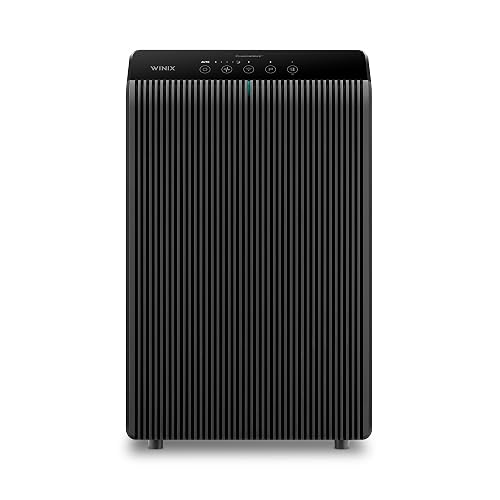
WINIX 5510 Air Purifier (App Support, 1881 Ft²)

WINIX 5520 Air Purifier (1882 Ft², Air Quality Monitor)
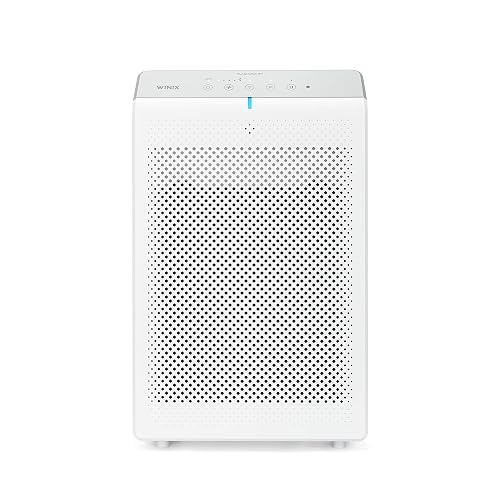
WINIX 5530 Air Purifier (App Control, 1882 Ft²)
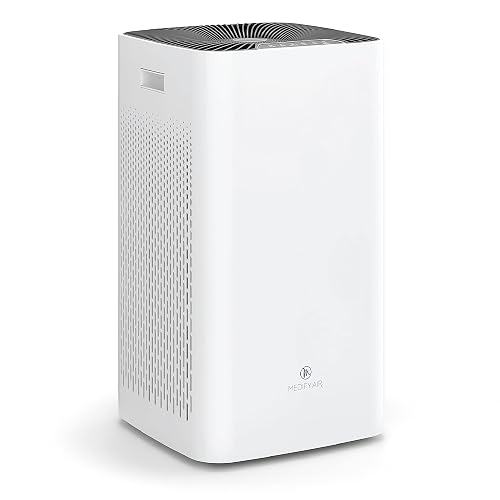
Medify MA-112 Air Purifier V3.0 (5,948 Ft², HEPA)
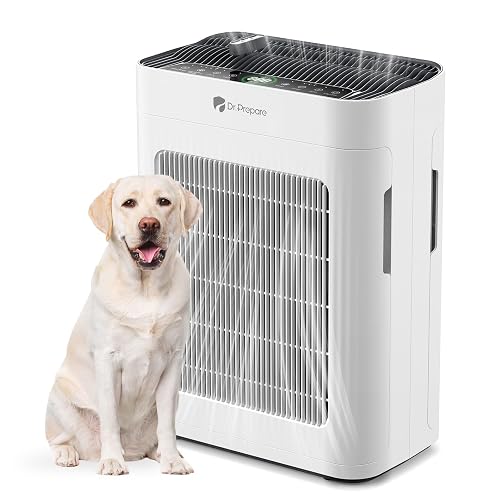
Dr.Prepare Air Purifier (3,000 Ft², Pet Mode)
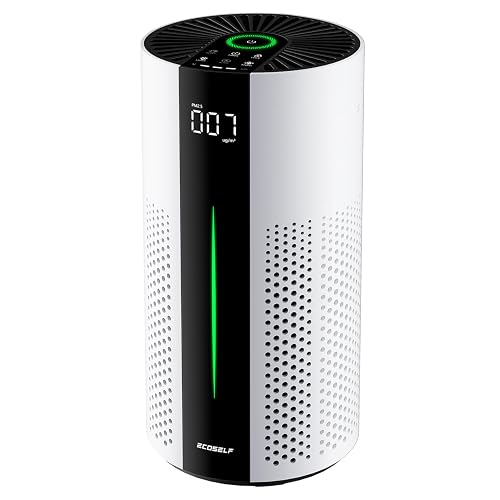
ECOSELF Air Purifier (1,800 Ft², 360° Intake)
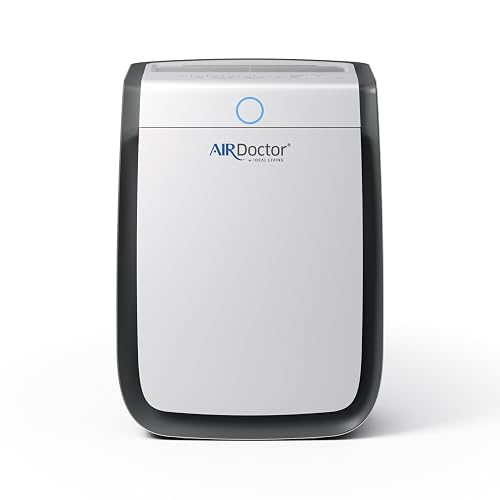
AIRDOCTOR AD3500 (2,520 Ft², UltraHEPA)
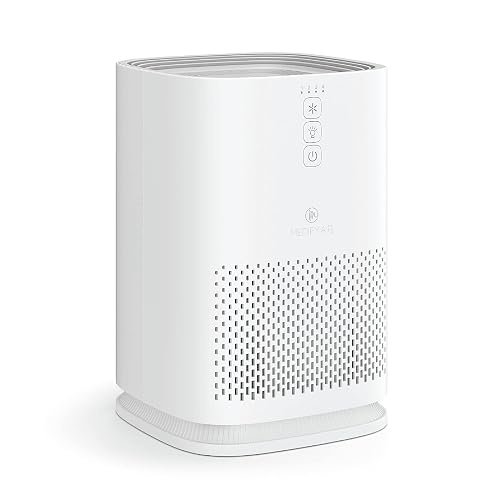
Medify MA-14 Air Purifier (470 Ft²/hr, Tabletop)
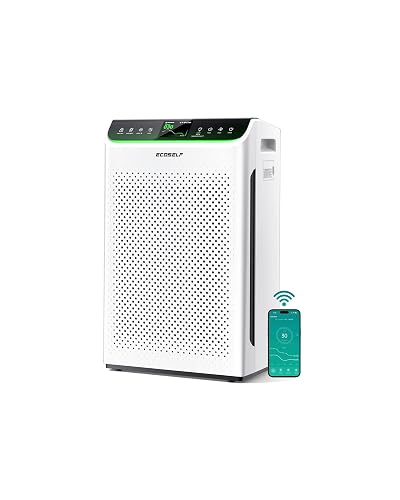
ECOSELF HAP610WF (3,850 Ft², Smart App)
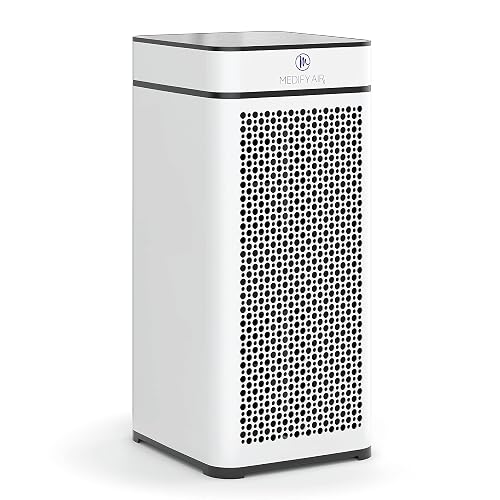
Medify MA-40 Air Purifier (1,793 Ft², HEPA H13)
The Strengths Of Each Pick
The WINIX 5510 is the sort of workhorse you plug in once and then forget about, which is exactly the point. It targets rooms up to 1,881 square feet in a single hour, making it a sensible anchor for open-plan living areas where cooking odors, pet dander, and outdoor pollen all collide. The True HEPA filter is rated to capture fine particles down to 0.01 microns, well past the 0.3-micron standard that defines HEPA itself, so the difference shows up during high-pollen weeks.
Where the 5510 stands out from typical large-room models is app support. You can monitor room conditions, switch modes, or check filter life from your phone, which removes the daily friction of walking over to a unit parked in a corner. Auto Mode reads air quality and ramps the fan up or down on its own, so you don’t have to babysit it during a wildfire smoke spike.
Notable Gains
- Massive 1,881 sq ft one-hour coverage handles open living layouts without needing a second unit
- True HEPA captures particles down to 0.01 microns, finer than the 0.3-micron HEPA baseline
- App control means mode changes and filter checks happen from your phone, not across the room
- Auto Mode reacts to air quality shifts, useful during cooking rushes or seasonal pollen spikes
- Carbon layer tackles household odors from pets, cooking, and musty basements
Worth Noting
- Unit is on the larger side, so plan floor space in tighter rooms
- Replacement HEPA and carbon filters are an ongoing cost, roughly every 12 months depending on use
Right Fit For
Open-concept homes, families with shedding pets, and anyone in a wildfire-prone region who wants whole-room coverage on autopilot.
Reach For A Different Pick When
The Medify MA-112 is a better match for very large or multi-room households that prioritize maximum single-pass coverage over app integration.
Think of the WINIX 5520 as a more visible version of the 5510, with the same large-room credentials plus a built-in air quality monitor that turns invisible particles into a number you can react to. It targets rooms up to 1,882 square feet per hour, which is essentially the same physical envelope as the 5510, so choosing between them comes down to how much you value at-a-glance data.
The True HEPA filter captures fine particles down to 0.01 microns, and a high-capacity carbon layer handles odor-heavy homes. Compared with the 5510, the difference is tangible for people who want feedback without pulling out a phone, especially in bedrooms where nighttime air-quality shifts are easy to miss.
Strengths Worth Knowing
- Onboard air quality indicator shows real-time readings without opening an app
- True HEPA captures particles down to 0.01 microns, a step finer than the standard HEPA threshold
- 1,882 sq ft one-hour coverage suits open layouts, lofts, and connected living-dining areas
- Auto Mode adjusts fan speed as readings shift, so you aren’t constantly tweaking settings
- Carbon filtration helps with cooking, pet, and basement odors in addition to particulates
Trade Offs
- Filter replacements are a recurring line item, with HEPA and carbon stages due roughly every year
- No app control, so remote adjustments require being near the unit
Who Should Grab It
Allergy sufferers and households that prefer at-a-glance readouts over phone-based controls, particularly in bedrooms where air-quality shifts at night matter most.
Look Elsewhere When
The WINIX 5530 is the better pick if you want app control and smart-home integration alongside large-room coverage.
The WINIX 5530 layers Wi-Fi and app control on top of the same 1,882 sq ft per hour coverage that defines the 5500-2 generation. For people who already run their home from a phone, the 5530 lets you check room air quality, swap modes, and track filter life from anywhere, which removes a small but real daily friction.
Inside, the True HEPA media captures particles down to 0.01 microns, well past the 0.3-micron HEPA baseline. The carbon filter does the heavy lifting on odors, and Auto Mode does the obvious: it reads the air and adjusts fan speed in real time. Compared to the 5510, you trade a slimmer feature set for the same room coverage with smarter connectivity.
Key Advantages
- App-based control fits households already running smart-home routines
- True HEPA filter rated to 0.01 microns, finer than the standard 0.3-micron HEPA threshold
- 1,882 sq ft one-hour coverage handles open-plan living areas and finished basements
- Auto Mode reads the room and shifts fan speed without manual input
- Filter replacement reminders arrive in the app, so you never run on a saturated filter
Points To Note
- App setup takes a few minutes and depends on stable Wi-Fi, which can frustrate less tech-fluent households
- Footprint is sizable, so placement planning matters in smaller rooms
Made For
Smart-home households that want to integrate air quality into existing routines, and large-room owners who prefer phone-first controls over onboard buttons.
Consider Something Else When
The Dr.Prepare model is a smarter fit for multi-pet homes that prioritize a washable pre-filter and dedicated pet mode over app features.
The Medify MA-112 sits in a different weight class, engineered for spaces up to 5,948 square feet in a single hour, which is roughly the size of a small commercial floor. That makes it the obvious pick during wildfire season, when smoke infiltrates every room at once, or for households with cathedral ceilings and connected living areas that punish smaller machines.
Dual HEPA H13 filtration captures 99.9 percent of particles down to 0.3 microns, a tighter standard than baseline HEPA. The trade-off is bulk: this is a tall, heavy unit, so you’ll want to commit to a permanent spot. Compared to the WINIX 5510, the MA-112 prioritizes raw throughput over connected features.
Useful Touches
- 5,948 sq ft one-hour coverage handles large open layouts, lofts, and small commercial spaces
- Dual HEPA H13 stages capture 99.9 percent of particles down to 0.3 microns, a step past standard HEPA
- Effective against wildfire smoke, a real benefit in regions with seasonal air-quality events
- Strong odor control for cooking-heavy households and basements with musty air
A Few Limitations
- Unit is tall and heavy, so plan a permanent location before unboxing
- Replacement filters are an ongoing cost, and the dual-stage design makes them pricier than single-stage options
- Higher fan speeds are noticeably louder, which matters in quiet bedrooms
Best Suited To
Large households in wildfire-prone regions, open-concept floor plans, and small offices that need one unit to cover an entire space.
Not Your Match When
The Medify MA-14 is the better fit for nurseries, dorms, and small bedrooms where a tabletop footprint matters more than maximum throughput.
The Dr.Prepare purifier leans into the realities of pet ownership with a dual-sided intake and a washable pre-filter that catches hair before it hits the HEPA stage. Coverage runs up to 3,000 square feet per hour, and a dedicated Pet Mode adjusts fan patterns to chase the dander that floats rather than settles, which is the stuff that actually triggers allergies.
Compared to the WINIX 5530, you give up app control and gain a pre-filter you can rinse under the tap every few weeks. That single feature cuts filter costs meaningfully over the life of the unit. A PM 2.5 display keeps the data visible without an app, which is a real plus for households that don’t want yet another Wi-Fi device.
Positive Takeaways
- Washable dual-sided pre-filter extends HEPA life and cuts long-term filter costs
- Pet Mode adjusts fan behavior for airborne dander, useful in homes with cats or heavy shedders
- PM 2.5 display gives instant air-quality readouts without opening an app
- 3,000 sq ft one-hour coverage handles medium-to-large living areas
- True HEPA captures 99.97 percent of fine particles, including pollen and smoke
Honest Caveats
- Pre-filter needs regular rinsing every few weeks in multi-pet homes to keep airflow strong
- No app integration, so all adjustments happen on the unit itself
Perfect Match For
Multi-pet households, families with allergy sufferers, and anyone who wants to reduce recurring filter costs by handling the heaviest debris at the pre-filter stage.
Skip It When
The ECOSELF HAP610WF suits smart-home households better, offering app control and AQI trend graphs alongside large-room coverage.
The ECOSELF air purifier earns its place in the lineup by covering a slightly different mechanical angle: a 360-degree intake design that pulls air from every direction. For rooms where furniture crowds the walls and a typical front-intake unit would struggle, this approach tends to clean faster because air doesn’t have to find a single intake grille.
Coverage runs up to 1,800 square feet per hour, which is a touch smaller than the WINIX 5500-2 family but more than enough for most living rooms and primary bedrooms. A built-in PM2.5 sensor feeds Auto Mode, so the unit reacts on its own when smoke, pollen, or cooking fumes spike. Compared to the WINIX 5510, you get a smaller footprint at the cost of a slightly smaller coverage envelope.
Positive Points
- 360-degree intake pulls from all sides, useful in rooms with awkward furniture placement
- Built-in PM2.5 sensor feeds Auto Mode for hands-off air-quality management
- 1,800 sq ft one-hour coverage suits most living rooms, primary bedrooms, and home offices
- Compact form factor fits tighter spaces where a large tower would dominate the room
Softer Spots
- Filter replacement is a recurring line item, so budget for annual HEPA and carbon swaps
- No app connectivity, so all monitoring happens on the unit’s display
Who Will Love This
Households that want real-time air-quality automation without paying for app connectivity, and rooms where a 360-degree intake outperforms a directional design.
A Better Fit Elsewhere
The Medify MA-40 suits apartment dwellers and bedroom setups better, with a quieter profile and slightly tighter room targeting.
The AIRDOCTOR AD3500 leans hard on a single selling point: an UltraHEPA filter rated to capture particles down to 0.003 microns, which is 100 times smaller than the standard HEPA threshold. For households chasing the finest airborne particles, that gap matters in bedrooms where smoke sensitivity, dust, and pet dander all converge at night.
Coverage tops out at 2,520 square feet per hour, enough for most open living areas and large primary bedrooms. A dual-action carbon stage targets odors from cooking, pets, and wildfire smoke. Compared to the WINIX 5510, the AD3500 trades some smart connectivity for finer particle capture and a more premium build.
Everyday Perks
- UltraHEPA captures particles down to 0.003 microns, 100x finer than the HEPA standard
- Premium carbon layer tackles smoke, pet, and cooking odors effectively
- 2,520 sq ft one-hour coverage suits large primary bedrooms and open living spaces
- Solid build quality feels durable for long-term, year-round use
Factors To Consider
- Replacement UltraHEPA filters cost more than standard HEPA replacements
- Larger footprint than mid-size picks, so plan placement carefully in tighter rooms
The Right Fit
Smoke-sensitive sleepers, households with severe allergies, and anyone in wildfire regions who prioritizes the finest particle capture available.
Swap It Out When
The Medify MA-112 is a stronger choice for very large open spaces where maximum single-pass coverage matters more than UltraHEPA-grade filtration.
The Medify MA-14 is the smallest unit in the lineup, with a tabletop-friendly footprint and a coverage ceiling around 470 square feet per hour. It targets exactly the kind of spaces that punish larger purifiers: nurseries, dorms, small home offices, and bedrooms where a tall tower would feel intrusive.
HEPA H13 filtration captures 99.9 percent of particles down to 0.3 microns, so you aren’t trading real filtration for size. The MA-14 is also notably quiet on lower settings, which is the difference between a unit that runs all night and one that wakes the baby. Compared to the Medify MA-40, you lose room coverage and gain placement flexibility.
What Works In Its Favor
- Tabletop footprint fits nurseries, dorms, and small bedrooms without dominating the space
- HEPA H13 captures 99.9 percent of particles down to 0.3 microns, real filtration in a small package
- Quiet on low settings, suitable for overnight use in light sleepers’ rooms
- Strong performance against pollen, pet dander, and everyday dust in compact rooms
Less Ideal Details
- 470 sq ft per hour is too small for open living areas, so you’ll need a bigger unit elsewhere
- No app or smart-home features, just simple onboard controls
Whose Shelf It Belongs On
Parents setting up a nursery, students in dorms, and apartment dwellers with one small room that needs genuine HEPA filtration without the bulk.
Where A Sibling Pick Shines
The Medify MA-40 handles apartments and primary bedrooms better, offering similar filtration with much broader room coverage.
The ECOSELF HAP610WF pushes both ends of the spec sheet: a triple-side intake system and coverage up to 3,850 square feet per hour, paired with smart app control, an AQI display, and a trend graph that tracks air quality over time. For data-curious households, that trend graph alone justifies the unit, since it turns daily air quality into a visible pattern rather than a guess.
The washable filter is the quiet win here. Pre-filter maintenance on most HEPA units is a swap-out job, but the HAP610WF lets you rinse and reuse, which trims long-term costs. Auto, Eco, Pet, and Sleep modes cover the four most common air-quality scenarios, and the app ties them together. Compared to the Dr.Prepare model, you trade the dedicated pet focus for a broader feature set and larger coverage.
Useful Highlights
- 3,850 sq ft one-hour coverage handles large open living areas and connected kitchens
- Triple-intake design reduces dead spots in wide rooms with irregular layouts
- AQI trend graph shows air quality over time, useful for spotting patterns
- Washable filter cuts long-term replacement costs
- Auto, Eco, Pet, and Sleep modes cover most daily scenarios
Possible Compromises
- Smart features add setup time, so non-tech households may prefer a simpler unit
- Footprint is sizable given the coverage envelope
Built With In Mind
Smart-home households that want air-quality data integrated into their routines, and large-room owners who appreciate visible trend tracking.
Where Another Pick Suits Better
The Dr.Prepare model is a stronger choice for multi-pet homes that prioritize a dedicated pet mode and a simple washable pre-filter without app complexity.
The Medify MA-40 sits in the practical middle of the lineup, covering rooms up to 1,793 square feet per hour with HEPA H13 filtration that captures 99.9 percent of particles down to 0.3 microns. It’s the unit you reach for when a single bedroom purifier is too small and a whole-house model is too much, which is the exact zone most apartments and primary bedrooms live in.
The MA-40 also runs quietly enough for overnight use, especially on lower fan speeds, which is where most people actually leave it during a long winter with windows closed. Carbon filtration handles everyday odors from cooking and pets. Compared to the Medify MA-14, you get nearly four times the room coverage in a still-manageable form factor.
Practical Pluses
- 1,793 sq ft one-hour coverage suits apartments, primary bedrooms, and home offices
- HEPA H13 captures 99.9 percent of particles down to 0.3 microns, including smoke and dander
- Quiet operation on low settings, suitable for overnight use
- Carbon layer helps with cooking and pet odors in addition to particulates
Small Caveats
- No app or smart-home features, so all adjustments happen on the unit
- Replacement filters are an annual expense worth budgeting for
Who It Suits Best
Apartment dwellers, primary-bedroom owners, and households that want reliable HEPA filtration without paying for connectivity or commercial-grade coverage.
Where Another Pick Suits Better
The ECOSELF unit is a better match for very large open spaces, with broader coverage and smart features that the MA-40 doesn’t try to offer.
What Matters When Choosing an Air Purifier for Your Home
Match the Coverage to the Room, Not the Listing
The most common mistake in this category is chasing the largest coverage number, which often means overspending on a unit that runs at low speeds most of the time. A 1,800 sq ft per hour purifier in a 250 sq ft bedroom cycles the air quickly and runs mostly in whisper mode, which is both quieter and easier on filters. Measure the actual room, account for ceilings over nine feet by sizing up, and remember that open floor plans with doorways to adjacent rooms often need a single larger unit rather than two small ones. The Medify MA-40 fits most apartments, while the Medify MA-112 or AIRDOCTOR AD3500 makes sense for whole-floor coverage.
HEPA Grade and Filter Layers Are Where the Real Differences Hide
HEPA is a regulated standard, but the details around it vary. True HEPA captures 99.97 percent of particles at 0.3 microns, while HEPA H13 tightens that to 99.9 percent. The WINIX 5500-2 family goes finer still, capturing down to 0.01 microns. Carbon layers handle odors, VOCs, and smoke, and a washable pre-filter on picks like the Dr.Prepare model extends HEPA life by catching hair and dust before they reach the main media. Each layer solves a different problem, so the right mix depends on whether smoke, pets, pollen, or cooking is the bigger pain point.
Noise, App Control, and Smart Features
A purifier that wakes you up at 3 a.m. does more harm than good, so noise on low and sleep settings matters as much as top-end airflow. Units like the Medify MA-14 and MA-40 run quietly enough for bedrooms, while larger commercial-grade picks trade some quiet for throughput. App control, AQI trend graphs, and auto modes are useful when you actually use them, but they add setup friction and another device on the Wi-Fi network. For some households, a simple onboard display and a washable pre-filter are the more honest match.
Smart Shopping Considerations For Air Purifiers
Common Buying Traps Worth Avoiding
Sellers often list coverage in square feet per hour, but that number assumes full fan speed and doesn’t reflect real-world placement. Buyers also tend to underestimate filter costs, which run roughly every 12 months depending on use and can quietly exceed the unit’s purchase price over a five-year span. Look for units with washable pre-filters, like the Dr.Prepare model, or check the price of replacement cartridges before committing to a model with sealed proprietary filters. Smart features can be a trap if you never open the app, so match the feature set to how you’ll actually interact with the unit day to day.
When The Higher Price Tag Pays Off
Premium models justify their cost in three main ways: finer particle capture, larger coverage, and quieter operation at high speeds. The AIRDOCTOR AD3500’s UltraHEPA filter captures down to 0.003 microns, a real upgrade for severe allergy or smoke sensitivity. The Medify MA-112’s 5,948 sq ft per hour coverage eliminates the need for multiple units in large homes. And larger motors in premium units often run quieter on high settings, a tangible benefit if you need power without noise. The upgrade makes sense when the underlying problem demands it, not as a default.
Frequently Asked Questions
How Often Do HEPA Filters Need Replacing?
Most HEPA filters in this category last roughly 8 to 12 months under typical home use, though heavy smoke, pet dander, or continuous high-speed operation can shorten that window. Units with washable pre-filters, like the Dr.Prepare and ECOSELF HAP610WF, extend that timeline by catching larger debris at the first stage.
Can One Purifier Cover Multiple Rooms?
A single unit can cover connected open spaces if doorways stay open, but closed doors turn adjacent rooms into separate air volumes. For a whole-home setup, you can either run one large unit in a central open area or use a coordinated pair of mid-size units in different rooms.
What’s The Difference Between HEPA and HEPA H13?
Standard HEPA captures 99.97 percent of particles at 0.3 microns, while HEPA H13 tightens that to 99.9 percent. For everyday allergens, pet dander, and pollen, both perform well. The H13 grade becomes meaningful for smoke, finer particles, or households with severe respiratory sensitivity.
Do Air Purifiers Help With Wildfire Smoke?
Yes, but the HEPA grade and room coverage matter. A True HEPA or H13 filter paired with adequate room coverage is the minimum. Units like the Medify MA-112 and AIRDOCTOR AD3500 are built for this exact scenario with larger coverage envelopes and stronger carbon filtration to handle smoke odors.
Are Smart App Features Worth The Extra Cost?
For tech-comfortable households, app control and AQI trend graphs add real value by turning air quality into trackable data. For others, an onboard display and Auto Mode accomplish the same practical result without the setup and Wi-Fi dependency, so the upgrade only makes sense if you’ll actually use it.
Bottom Line
The right air purifier comes down to the room you’ll put it in and the problem you’re actually trying to solve. Small bedrooms and nurseries pair naturally with the Medify MA-14, mid-size apartments and primary bedrooms fit the Medify MA-40 or ECOSELF 1800, and large open layouts benefit from the WINIX 5500-2 family or the Dr.Prepare. For smoke-prone regions and the most demanding households, the Medify MA-112 and AIRDOCTOR AD3500 push coverage and filtration into a different class. Pick the one that matches the room, the noise tolerance, and the maintenance appetite, and you’ll likely stop thinking about the air, which is exactly the point.