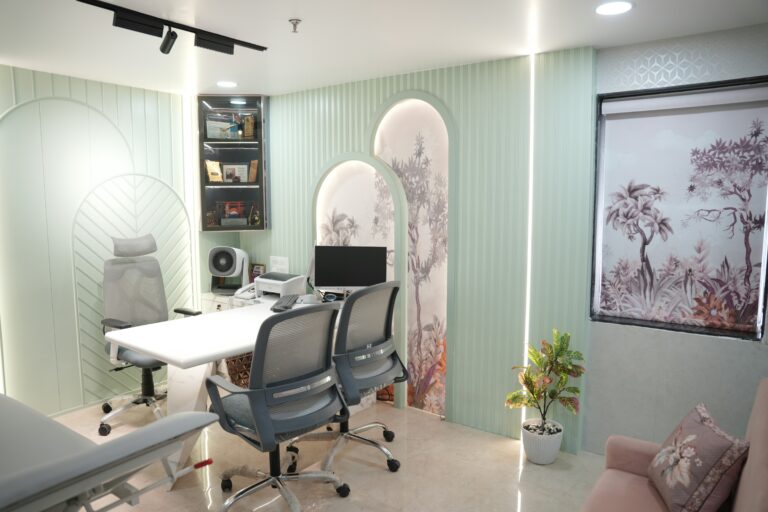

Finding an air purifier that actually pulls its weight in a living room, primary bedroom, or open home office can feel like guesswork. Most listings either oversell tiny bedroom units or push oversized machines meant for open-plan lofts. The picks below focus on what works in roughly 200 to 500 square foot spaces, with an eye toward noise, filter cost, and everyday maintenance. Whether you share a home with pets, deal with seasonal pollen, or just want cleaner air in the room where you actually spend time, the shortlist ahead is built for medium-sized spaces, not marketing copy.
The Shortlist At A Glance
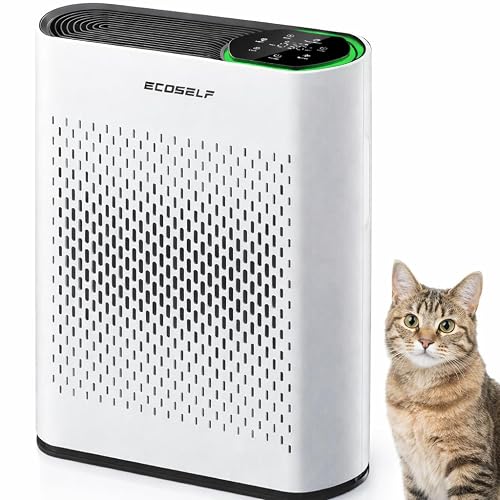
ECOSELF Air Purifier t, True HEPA Filter

DREO Air Purifier DR-HAP009 for Home
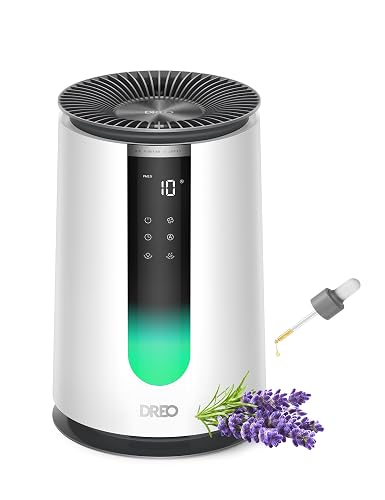
DREO Air Purifier DR-HAP008 with Scent Diffuser
DREO Smart Air Purifier DR-HAP009S with Wi-Fi
ECOSELF Air Purifier for Large Room Up to 1800 Ft²
Rabbit Air A3 SPA-1000N HEPA Air Purifier
Inside Each Recommended Option
For shoppers stepping into the world of air purifiers for the first time, this ECOSELF model keeps things simple. A True HEPA filter (a high-efficiency filter that captures fine particles like dust, pollen, and pet dander) sits inside a compact white housing that fits on a nightstand or small shelf without crowding the space. It’s the kind of unit you set up in a guest bedroom or home office and largely forget about.
Where it earns its place on a shortlist is honest performance at a modest size, not flashy extras. For a small-to-medium bedroom, the airflow generally keeps the air feeling fresh during a normal week of use. Compared to the larger DREO models further down, this ECOSELF trades raw coverage for a smaller footprint and a friendlier price.
Positive Points
- Compact cabinet slides onto a nightstand, desk, or narrow shelf.
- True HEPA filtration handles the everyday dust and pollen most households deal with.
- White housing blends into most bedroom or office decor without standing out.
- Simple controls make it approachable for first-time owners.
Trade Offs
- Limited room coverage, so open living rooms will leave corners under-served.
- Filter replacement is a recurring cost that adds up across a year of use.
Who It Suits Best
First-time owners, renters, and anyone furnishing a small bedroom or study on a practical budget.
Where Another Pick Suits Better
For larger open living areas, the ECOSELF Air Purifier for Large Room Up to 1800 Ft² brings the broader coverage this model lacks.
The DREO DR-HAP009 is the model you reach for when one of the air purifiers for medium sized room in the lineup has to also handle a great room or shared living area. DREO rates it for spaces up to 1176 square feet, which gives it real headroom for open-plan homes where the kitchen flows into the living room.
For households with shedding pets or active hobbies that kick up dust, the combination of a HEPA filter, PM2.5 monitor (a sensor that detects fine particulate matter 2.5 micrometers and smaller, the size most associated with wildfire smoke and allergens), and Auto and Turbo modes means the unit ramps up when it senses trouble. It runs quietly enough in Sleep mode to live in a primary bedroom, even though it’s larger than the compact ECOSELF unit above.
What Stands Out
- Covers medium-to-large rooms without needing to be pushed to its top speed.
- Auto mode reacts to real-time air quality, so the fan rarely runs harder than necessary.
- Four fan speeds cover everything from white-noise sleep to a quick post-cooking scrub.
- Handles pet dander and seasonal pollen in spaces where smaller units struggle.
Honest Caveats
- Bigger cabinet takes up more floor space than the compact ECOSELF or DR-HAP008.
- Replacement filters cost more given the larger media surface.
- On Turbo, the fan noise is noticeable enough for light sleepers.
Feature Snapshot
Built With In Mind
Pet owners, families in open layouts, and households that want one unit to handle the room everyone uses most.
A Better Fit Elsewhere
For a nursery or small bedroom where low noise is the top priority, the Rabbit Air A3 SPA-1000N is a quieter, filtration-heavy alternative.
The DR-HAP008 is a smaller sibling of the DR-HAP009 above, tuned for bedrooms and personal spaces rather than great rooms. It carries the same four-speed, Auto and Turbo design language but trims coverage down to a more modest footprint, which keeps the cabinet narrow enough for a dresser or tall shelf.
The addition of a scent diffuser tray is the kind of touch that makes a unit feel like home rather than just an appliance. A couple of drops of essential oil on the pad and the bedroom doubles as a low-key aromatherapy space during sleep mode. For shared walls or apartment living, that subtle framing helps the unit feel less clinical.
Useful Strengths
- Bedroom-friendly size fits where larger DREO models feel oversized.
- Scent tray adds a soft fragrance without separate diffusers cluttering the room.
- PM2.5 readout makes the Auto mode’s reactions visible.
- Sleep mode drops fan noise low enough for most light sleepers.
Points To Keep In Mind
- Coverage tops out well below the DR-HAP009, so a single unit can’t cover an open floor plan.
- Scent pads need occasional cleaning, otherwise the aroma turns stale.
Made For
Apartment dwellers, nursery setups, and anyone who wants a single compact unit for the bedroom they sleep in.
Not Your Match When
For a living-dining area that runs into a kitchen, the ECOSELF Air Purifier for Large Room Up to 1800 Ft² handles the larger volume more effectively.
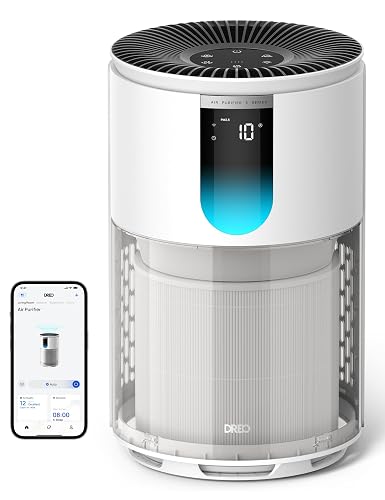
The DR-HAP009S takes the same air-handling core as the DR-HAP009 and wraps it in connected controls. Wi-Fi and voice integration mean the unit can step into a routine that already includes smart lights, locks, and thermostats, without needing a separate app ecosystem.
For households that already automate the home around schedules and sensors, the practical win is convenience. Air quality can drive other devices, schedules can shift the purifier into Sleep mode automatically, and the PM2.5 readout is accessible from a phone in another room. It still depends on the same physical filter as the non-smart version, so maintenance habits don’t change.
A Few Strong Suits
- Voice and app controls slot into existing smart home setups.
- Same broad coverage as the DR-HAP009 for medium-to-large rooms.
- Remote scheduling helps the unit run harder when nobody is home to hear it.
- Auto mode uses the PM2.5 sensor to make hands-off decisions.
Soft Spots
- Setup requires stable Wi-Fi and a linked account to unlock every feature.
- Costs more than the non-smart DR-HAP009 for the same core airflow.
Quick Facts
Right Fit For
Smart home enthusiasts who want the purifier tied into routines, voice commands, and remote monitoring.
Skip It When
For shoppers who prefer a simple physical interface, the standard DR-HAP009 covers the same rooms without the connected overhead.
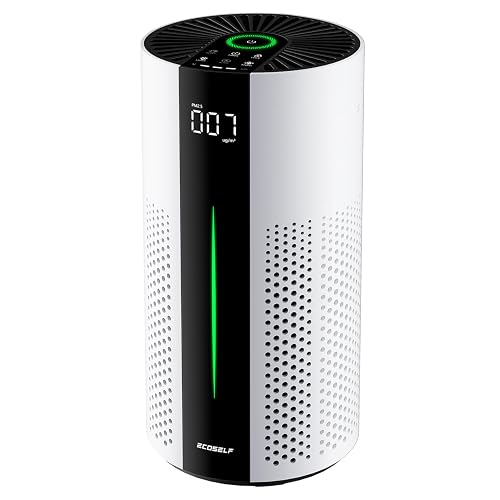
Where the first ECOSELF unit on this list is built for small rooms, this large-room version takes a different approach. A 360-degree air intake pulls air from every direction, so placement against a wall or in a corner still gives the unit room to breathe. ECOSELF rates it for spaces up to 1800 square feet, which is overkill for a tight bedroom but a real fit for open living areas.
The built-in PM2.5 sensor feeds an Auto mode that responds when cooking smoke, pollen, or pet dander climbs. Compared to the DREO DR-HAP009 above, this ECOSELF trades some brand-name refinement for a wider intake design and a more spacious filter core, which can stretch replacement intervals slightly depending on the environment.
A Few Highlights
- 360-degree intake makes placement flexible in open layouts.
- Wide coverage suits great rooms that other units under-serve.
- Auto mode adjusts fan speed without manual nudging.
- Large filter media can extend time between swaps in moderately polluted homes.
Worth Bearing In Mind
- Footprint is substantial, so a dedicated floor spot helps.
- Replacement filters for large-room units tend to be pricier than compact ones.
Technical Highlights
Who Should Grab It
Households with open living-dining areas, lofts, or shared spaces that smaller purifiers can’t reach.
Reach For A Different Pick When
For a nursery or home office where the priority is ultra-quiet nights, the Rabbit Air A3 SPA-1000N is built for whisper-low operation.
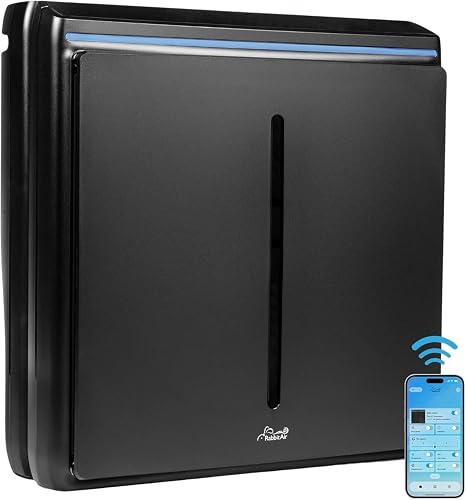
The Rabbit Air A3 sits at the top of this shortlist for shoppers who care about filtration stages as much as airflow. Its six-stage customizable filter setup is built around pet allergies, so households with cats or dogs that trigger reactions get a more targeted approach than a standard HEPA layer alone.
The unit runs at around 20.3 dBA on its lowest setting, which is quiet enough to leave running through the night in a baby’s room or a light sleeper’s bedroom. The trade-off shows up in the price tier, and the cabinet is larger than a basic bedroom unit, but the A3 is built to live in a space for years rather than be replaced when needs grow.
Real Benefits
- Six-stage filter customization tailors the unit to specific allergies.
- Whisper-low 20.3 dBA operation on the lowest fan setting.
- Suitable for nurseries, bedrooms, and home offices where noise matters.
- Premium build that holds up to years of continuous use.
Practical Considerations
- Higher upfront cost than most picks on this list.
- Custom filters carry their own replacement schedule, so owners need to track them.
Feature Card
Perfect Match For
Allergy households, nurseries, and anyone who wants a long-term, set-and-forget purifier in the room where they sleep.
Consider Something Else When
For shoppers who want smart controls and a lower price, the DREO DR-HAP009S delivers similar coverage with connected features at a different tier.
What To Weigh Before Choosing an Air Purifier
Match Coverage to the Actual Room
The single most common mistake is sizing a purifier to the box rather than the room. A unit rated for a 250 square foot bedroom will underperform in a 400 square foot living room, no matter how good the filter is. For a true medium-sized space, look for coverage that comfortably exceeds your room’s square footage, so the unit isn’t running at full tilt to keep up. A useful rule of thumb: pick a model rated for at least 20 to 30 percent more area than you actually have.
Filter Type and Replacement Cost
True HEPA captures the fine particles that matter most, from pollen to smoke. Beyond that label, the practical cost of ownership comes down to replacement filters. A cheaper unit can become expensive once a year of filter swaps is added up, while a pricier model with longer-lasting media can pay for itself. The Rabbit Air A3 takes this further with customizable filter stages, which adds flexibility but also a more complex replacement schedule.
Noise Levels for Bedrooms
Bedroom placement changes the priority list. A unit that disappears in a living room can hum too loudly in a nursery. Look for low dBA ratings on the lowest fan setting rather than relying on phrases like “whisper quiet”, and remember that Auto modes can ramp the fan up unexpectedly at night if a sensor reacts to a brief particle spike.
Smart Features Versus Simple Controls
Wi-Fi and voice control are useful when you want the purifier tied into routines or checked from another room. They matter less when the unit lives next to a bedside table and a single physical button does the job. The DREO DR-HAP009S is the smart option in this list, while the ECOSELF and basic DREO models keep the interface straightforward.
Key Considerations Across These Picks
Where Shoppers Go Wrong
Plenty of shoppers buy a purifier for a small bedroom, then move it to the living room and wonder why it feels weak. Coverage ratings are tied to room size, and a unit that excels in 200 square feet will struggle in an open layout. Match the machine to the room, and think about which room actually matters most before picking.
The Upgrade Payoff
Higher-tier models like the Rabbit Air A3 and the DREO DR-HAP009S add something a basic unit cannot. Customizable filter stages, lower noise, and connected controls translate into better long-term living with the device, not just a stronger first impression. For allergy households or smart home setups, the extra cost maps directly to daily comfort.
Frequently Asked Questions
How big is a medium-sized room for an air purifier?
Most medium-sized rooms fall between about 200 and 500 square feet, which covers the typical primary bedroom, home office, or small living room. A purifier rated for that range gives the unit enough headroom to clean the air without running at maximum speed.
Where should an air purifier be placed in a medium room?
Place the unit where it can pull air freely, ideally a foot or two from walls and away from heavy curtains. For bedrooms, a nightstand or low shelf near the head of the bed usually works well. For living rooms, a corner with good clearance from furniture lets the intake breathe.
How often do HEPA filters need to be replaced?
Most HEPA filters in this category need replacement roughly every 6 to 12 months, depending on air quality and usage. Pet-heavy homes and homes near wildfire-prone regions often shorten that interval. Many modern units include a filter-life indicator to take the guesswork out.
Can one air purifier handle an open floor plan?
A single large-room unit, like the ECOSELF model rated for 1800 square feet, can cover many open plans, though performance depends on ceiling height and layout. For longer or L-shaped spaces, two smaller units often outperform one large one because they can sit where you actually spend time.
Do air purifiers help with pet allergies and seasonal pollen?
A purifier with a True HEPA filter captures both pet dander and pollen particles effectively, which reduces the airborne triggers that cause reactions. Models like the Rabbit Air A3 go further with customizable stages aimed at pet-specific allergens, useful in homes where reactions are severe.
The Takeaway
A good air purifier for a medium room comes down to honest coverage, filter quality, and the noise level you can actually live with. The DREO DR-HAP009 and ECOSELF 1800 square foot unit cover larger shared spaces, the DR-HAP008 fits bedroom duty, and the Rabbit Air A3 handles long-term allergy-focused ownership. Match the room to the rating, and the right choice usually becomes clear.