

Picking a thermostat sounds simple until you stand in the hardware aisle staring at six different models with overlapping claims. The truth is, the right central heating thermostats depend heavily on your existing system, your daily routine, and whether you want a basic wall switch or a learning unit that programs itself.
This roundup covers options across the spectrum, from a no-nonsense single-stage wall unit to a radiant floor controller and a full smart thermostat kit. Each pick includes honest trade-offs, so you spend money on the model that fits your setup rather than the one with the flashiest marketing copy.
The Lineup, Simplified
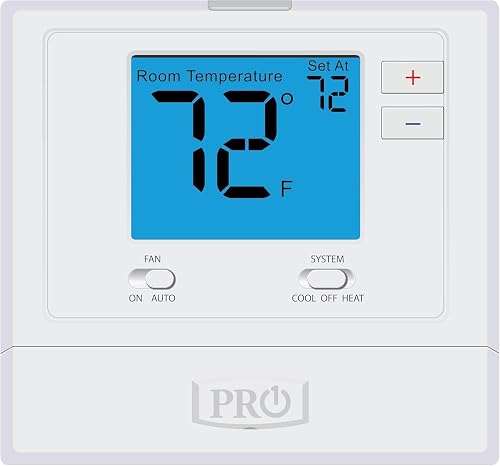
PRO1 T701 Single Stage Non-Programmable Wall Thermostat (1H/1C)
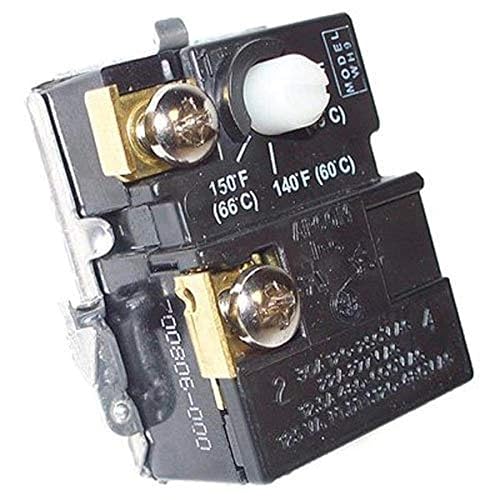
Reliance 9000507-045 Lower Electric Thermostat
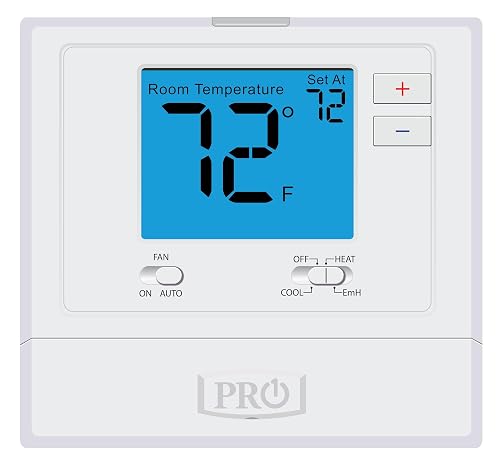
PRO1 T721 Non-Programmable Wall Thermostat (2H/1C Heat Pump)

OJ Microline UTN4 Radiant Floor Heat Thermostat with Class A GFCI
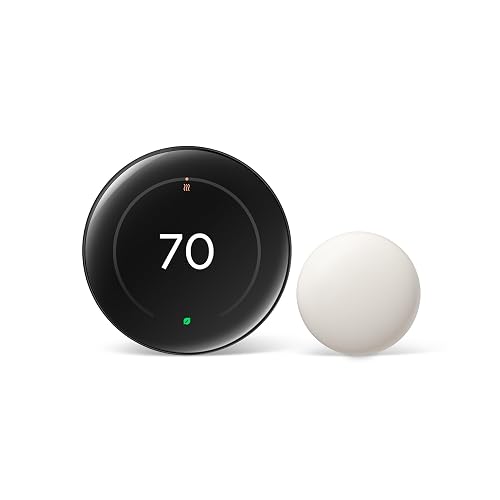
Google Nest Learning Thermostat 4th Gen with Temperature Sensor (Obsidian)
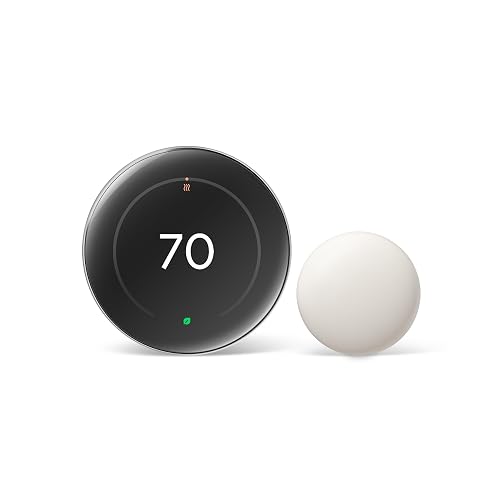
Google Nest Learning Thermostat 4th Gen with Temperature Sensor (Silver)
What Each Pick Brings To The Table
The PRO1 T701 is the kind of wall unit you install once and stop thinking about. It targets conventional 1 heat/1 cool systems, the most common setup in older U.S. homes, and skips Wi-Fi entirely in favor of a tactile button layout and a 4-square-inch blue backlit display. For anyone replacing a broken thermostat in a rental property or a guesthouse, that simplicity is the entire point.
Where the T701 earns its keep is in low-light usability. The glow-in-the-dark light button helps you find the controls at night without fumbling for a lamp, and the display is large enough that you can read the setpoint from across a small room. Compared to the Reliance 9000507-045 covered next, this is a full wall-mounted control surface rather than a water-heater part, so keep your application in mind before ordering.
A Few Strong Suits
- Large 4 sq. in. blue backlit screen stays readable in dim hallways and bedrooms.
- Glow-in-the-dark light button makes late-night adjustments painless without a phone flashlight.
- Non-programmable design means fewer settings to misconfigure, which is helpful for short-term rentals.
- Built on the larger T700 platform, giving you a more substantial feel than bargain-bin replacements.
- Compatible with both gas and electric conventional systems, covering most standard U.S. setups.
Points To Keep In Mind
- No scheduling or Wi-Fi, so daily setpoint changes happen manually at the wall.
- Limited to single-stage systems, which won’t work for multi-stage heat pumps or two-stage furnaces.
Who It Suits Best
Owners of conventional single-stage heating and cooling systems who want a reliable, no-app wall control, including rental property managers and anyone replacing a dead unit on a tight scope.
Where Another Pick Suits Better
Households running a heat pump should consider the PRO1 T721 Non-Programmable Wall Thermostat (2H/1C Heat Pump), which adds the compatibility this model lacks.
The Reliance 9000507-045 is a replacement lower thermostat designed specifically for electric water heaters, not a wall-mounted room controller. If your shower runs cold because the lower element in your tank stopped cycling, this is the part that talks to that element. It is a no-frills component aimed at homeowners comfortable opening a junction box and identifying wire leads.
Unlike the PRO1 T701 above, which sits on your living room wall, the Reliance 9000507-045 mounts against the side of a water heater tank. In our view, this is the right pick when a multimeter tells you the lower thermostat is the failed component, not the heating element or the upper thermostat. Pair it with a continuity test before ordering to avoid stacking parts you don’t need.
Strong Points
- Direct-fit replacement for many Reliance electric water heater models, simplifying diagnosis.
- Lower-position design targets the most common failure point in dual-element tanks.
Trade-Offs To Consider
- Not a room thermostat, so it does nothing for central air or whole-home heating control.
- Requires basic electrical comfort and a voltage check, since miswiring on a 240V water heater carries real shock risk.
- Specific to electric tanks, with no use case for gas water heaters or hydronic boiler loops.
Made For
DIYers troubleshooting a non-heating electric water heater who have already confirmed the lower thermostat, not the element, is the failed part.
Look Elsewhere When
You need to control home air temperature, since the Google Nest Learning Thermostat 4th Gen handles whole-home scheduling instead.
The PRO1 T721 fills the gap between the single-stage T701 and full smart thermostats. It accepts 2 heat/1 cool heat pump systems or 1 heat/1 cool conventional systems, which means the same wall unit works whether you heat with a heat pump, a gas furnace, or a hybrid setup. For households in HVAC-transition zones, that flexibility avoids the dreaded “wrong thermostat for your system” return.
Like the T701, this one keeps things analog: no app, no scheduling, just a backlit display and a glow-in-the-dark light button. Where the OJ Microline UTN4 covered later targets radiant floors specifically, the T721 is built for forced-air and heat pump systems. The trade-off is that you still need to physically walk to the wall to change the temperature, which is fine for a small household but tedious in a larger one.
Useful Highlights
- Dual compatibility (2H/1C heat pump or 1H/1C conventional) means one SKU covers most U.S. home systems.
- AA battery option (varies by configuration) keeps the unit powered without a common wire in older homes.
- Same readable 4 sq. in. blue backlit display as the T701, reducing the learning curve between models.
- Glow-in-the-dark light button helps during nighttime adjustments in dim hallways.
Honest Caveats
- Still non-programmable, so efficiency gains from setback temperatures require manual discipline.
- No Wi-Fi, leaving remote control and energy reports out of reach.
The Right Fit For
Homeowners with heat pump systems or mixed conventional/heat-pump setups who want a dependable wall control without smartphone complexity.
Not Your Match When
You want automated scheduling, since the Google Nest Learning Thermostat 4th Gen (Obsidian) learns your routine and adjusts without manual input.
The OJ Microline UTN4 lives in a different world from the rest of this list. It controls electric radiant floor heating, those cable or mat systems tucked under tile, stone, laminate, or engineered wood. Because radiant floors draw real current and run in wet-area bathrooms, the unit ships with a built-in Class A GFCI (Ground Fault Circuit Interrupter), which is a safety device that cuts power instantly if it detects current leakage to ground.
You may find this thermostat useful if you are finishing a basement bathroom or upgrading a cold kitchen floor. It runs on 120V or 240V circuits, includes a floor sensor, and supports dual sensing so the thermostat reads both air and slab temperature. That dual-sensing setup prevents the floor from overshooting your setpoint, which is the kind of nuance forced-air thermostats never have to think about.
What Works In Its Favor
- Built-in Class A GFCI satisfies code requirements for underfloor heating in many jurisdictions.
- Dual sensing (air plus floor probe) protects the slab from overheating and improves comfort accuracy.
- 120/240V compatibility covers both North American voltage standards.
- Floor sensor included in the box, removing a common add-on cost at install time.
Possible Compromises
- Non-programmable, so timed setback temperatures require manual changes throughout the day.
- Specialized for electric radiant systems, with no use case for forced-air or hydronic boiler control.
- Installation typically requires a qualified electrician, adding labor cost beyond the unit itself.
Best Suited To
Homeowners installing or upgrading electric radiant floor heating in a bathroom, kitchen, or basement where code-compliant GFCI protection is non-negotiable.
Swap It Out When
You need whole-home forced-air control, where the PRO1 T721 Non-Programmable Wall Thermostat (2H/1C Heat Pump) fits a much broader system profile.
The Google Nest Learning Thermostat (4th gen) is a different animal from the wall units earlier in this roundup. It learns the temperatures you prefer at different times of day, builds a schedule on its own, and pairs with the included Nest Temperature Sensor (2nd gen) to read conditions in another room. For households with hot upstairs bedrooms and a chilly basement, that second sensor is the part that actually fixes the comfort gap.
Compared to the PRO1 T701, the Nest brings Wi-Fi scheduling, app control, and energy usage reporting into the mix. The catch shows up at install time, since the unit needs a C-wire (common wire) or a compatible power adapter in most homes. If your existing wiring lacks that conductor, plan on a small electrical step before you mount the thermostat.
The Case For It
- Self-learning schedule removes the chore of programming setpoints for weekdays, weekends, and sleep hours.
- Included 2nd gen temperature sensor lets the system prioritize the room you actually use, not the hallway.
- App control means adjustments happen from the couch, the office, or the airport.
Worth Bearing In Mind
- Requires a C-wire or compatible adapter in most installs, which adds a step some homeowners find intimidating.
- Learning phase means the first two weeks involve more manual corrections than a fixed-schedule thermostat.
Who Should Grab It
Tech-forward homeowners with multi-room comfort issues who want one thermostat that adapts to a shifting routine.
Consider Something Else When
You run a radiant floor system, where the OJ Microline UTN4 Radiant Floor Heat Thermostat with Class A GFCI is purpose-built for that load.
The Silver edition of the Google Nest Learning Thermostat (4th gen) is functionally identical to the Obsidian version covered above. Same learning engine, same included 2nd gen temperature sensor, same app integration. The only difference is the finish, which is a lighter, brushed tone that reads brighter against neutral wall colors and modern kitchens.
For households where the Obsidian looks too heavy against a soft beige or white wall, the Silver version keeps the same smarts without the dark contrast. All the same C-wire caveats from the previous review apply here, so verify your wiring or budget for the power adapter before you order. The learning period also behaves the same way, so expect a couple of weeks of manual nudges before the schedule firms up.
What Earns Its Place
- Lighter silver finish blends into bright, contemporary interiors where dark hardware feels out of place.
- Full learning, scheduling, and remote-control feature set matches the Obsidian model exactly.
- Includes the 2nd gen temperature sensor to address hot and cold spots in a second room.
Some Limits To Know
- Same C-wire requirement as the Obsidian, which complicates older home installs.
- Premium positioning means it costs more than a basic wall unit like the PRO1 T701, with features you may not use.
Whose Shelf It Belongs On
Homeowners who want the Nest experience and care about visual finish against light-colored walls or minimalist decor.
Reach For A Different Pick When
You need simple wall control without the learning curve, in which case the PRO1 T701 Single Stage Non-Programmable Wall Thermostat (1H/1C) is the lower-friction option.
Matching Thermostats To The Systems You Actually Run
A thermostat only works as well as the match between its wiring terminals and your HVAC equipment. Start by identifying whether your home runs a conventional furnace and air conditioner, a heat pump, or electric radiant floors. The system type dictates the number of heat and cool stages your thermostat must support, and buying a single-stage unit for a two-stage heat pump is a common source of compatibility headaches.
Compatibility aside, think about the gap between what you want and what you will actually program. A learning smart thermostat rewards households with shifting schedules, while a non-programmable wall unit suits retirees, second homes, and rentals where nobody wants to fiddle with an app. If your priority is replacing a dead unit before the next cold snap, the wall-mounted picks get the heat back on fastest with the least setup.
Finally, pay attention to wiring before you order. Smart thermostats typically need a C-wire, or common wire, to deliver continuous power for Wi-Fi and the display, while battery-powered wall units run fine on the older two-wire setups found in many pre-2000 homes. The right answer depends on what is already in the wall, so a quick photo of the existing wire terminals saves a return trip later.
Key Considerations Across These Picks
Pitfalls Shoppers Hit
The most expensive mistake is buying a thermostat before checking system compatibility, especially the count of heat and cool stages your HVAC equipment actually supports. A close second is ignoring wiring, since smart thermostats often need a C-wire that older homes simply do not have. Either issue leads to a return, a service call, or a stranded wall box.
Where The Extra Money Goes
Premium models like the Nest 4th gen bundle a learning engine, app control, and a remote temperature sensor that basic wall units cannot replicate. That extra spend pays off when your comfort problems are about room-to-room temperature swings or a routine that changes week to week. For a straightforward single-zone home, the same money buys durable mechanical reliability instead, which is its own quiet form of value.
Frequently Asked Questions
Do smart thermostats work without Wi-Fi? Most smart thermostats still function as basic temperature controllers when Wi-Fi drops, but you lose app control, scheduling, and learning features until the connection returns.
Can one thermostat control two floors? One thermostat can call for heat or cool across a multi-story home, but it only reads the temperature where it sits, which often leaves other rooms uncomfortable without remote sensors.
How do I know if my system is heat pump or conventional? A heat pump typically runs both heating and cooling from a single outdoor unit, while a conventional system pairs a furnace with a separate air conditioner; your HVAC installer or the outdoor unit label confirms the difference.
Is a programmable thermostat worth it over non-programmable? Programmable and learning thermostats save energy by reducing heating or cooling when nobody is home, but only if someone sets the schedule and the household routine stays reasonably consistent.
What is a C-wire and do I need one? A C-wire, or common wire, delivers continuous 24V power to smart thermostats, and most learning models need it or a compatible adapter to operate reliably.
Wrap Up
The right thermostat depends less on brand and more on your system type, wiring, and how much you want the device to think for itself. Match the unit to your HVAC first, decide how much scheduling you will actually use, and only then weigh the smart features. With those three steps clear, any of these six picks will keep your home comfortable through the season ahead.