
When pollen season collides with a damp basement, the air inside your home stops feeling like a refuge. Mold spores, pet dander, and dust mite debris all float at sizes your eyes can’t catch, and for anyone with sensitive sinuses, a strong purifier shifts the whole equation. The ten options below cover bedrooms, open-plan living areas, and multi-room households, so you can match the right tool to the square footage you actually live in.
An Overview Of The Picks

PuroAir 240 HEPA Air Purifier 2-Pack
PuroAir 240 Replacement Filter (2-Pack)
Medify MA-112 Air Purifier V3.0
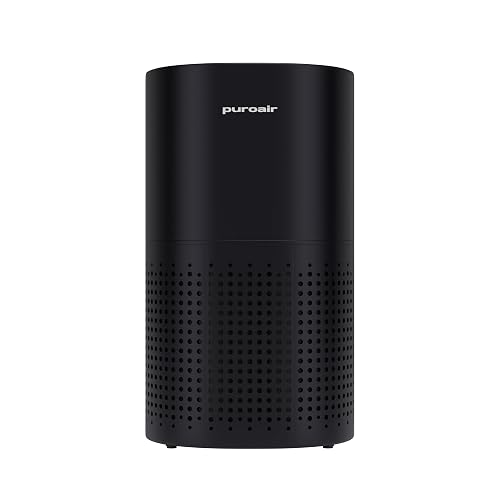
PuroAir 240 HEPA Air Purifier
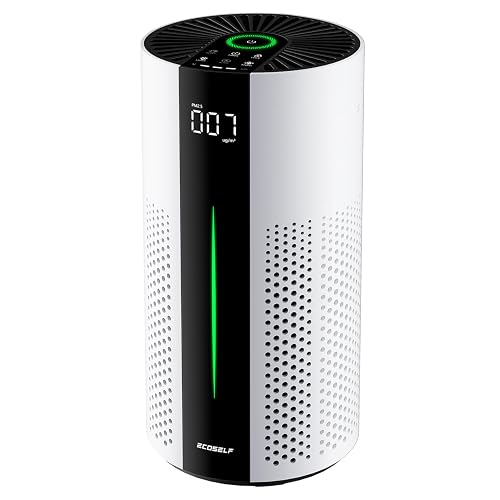
ECOSELF Air Purifier for Large Room
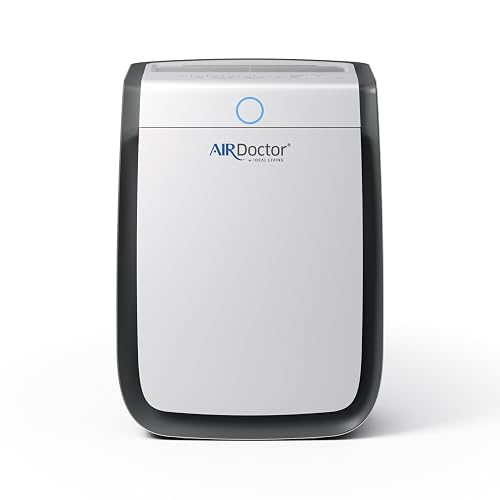
AIRDOCTOR AD3500 Air Purifier
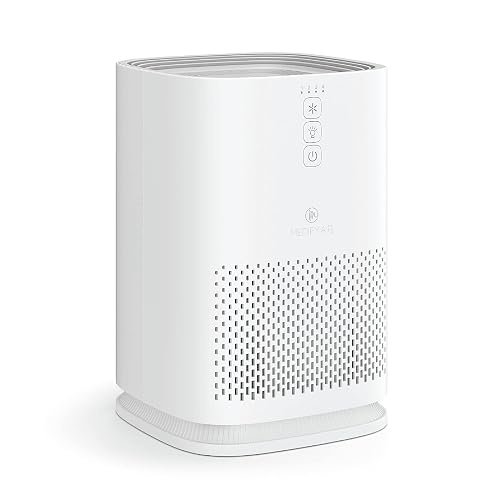
Medify MA-14 Air Purifier

PuroAir Whole Home Bundle (240 x2 + 400)
PuroAir Whole Home Bundle (240 + 400)
Medify MA-40 Air Purifier
The Picks, Examined More Closely
Two bedrooms, one purifier each: that’s the practical pitch behind the PuroAir 240 2-Pack, and it’s also why it earns the top spot here. Each unit targets spaces up to 1,000 square feet, so a typical home with a bedroom and a home office gets meaningful coverage on day one. The HEPA layer is a true HEPA filter, a classification that means it captures 99.97% of particles down to 0.3 microns, which is the size range where most mold spore fragments and pollen grains live.
You also get an auto air quality sensor, so the unit ramps up only when the room actually needs it. That keeps noise low during a normal night and saves filter life when pollen counts are mild.
The Value In It
- Two units in one box solves the multi-room problem without buying twice
- True HEPA filtration targets the particle sizes that drive most allergy and mold complaints
- Auto mode reacts to room conditions, so you can leave it running 24/7 without thinking about it
- Carbon layer helps with odors that come along with musty spaces
- Quiet sleep mode keeps bedroom noise down during pollen-heavy nights
Things To Consider
- Replacement filters are a recurring cost, typically every few months with regular use
- Two units means two power outlets and a bit of floor space in each room
Who It Suits Best
Households that want coverage in a bedroom plus one other room without the guesswork of a single oversized unit.
Consider Something Else When
The PuroAir 240 single-pack is the better fit when you only need to treat one room and want the same filtration logic on a smaller footprint.
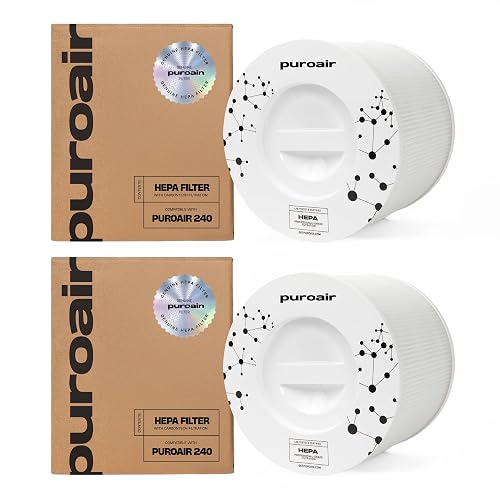
Replacement filters rarely make exciting reading, but they are the part that actually does the work over time. This 2-pack is the genuine OEM cartridge for the PuroAir 240, so you get the same three-layer construction the original shipped with. That includes the pre-filter, the HEPA media, and the carbon layer that handles smoke and odor.
The pitch here is simple: buy two at once and you rotate one in while the other ships. Owners commonly report that the swap is a 30-second job with no tools.
The Practical Payoff
- Genuine OEM cartridge preserves the original filtration specification
- Two-pack keeps a spare on hand so you never run the unit on a clogged filter
- Three-layer media matches the original pre-filter, HEPA, and carbon stack
Points To Note
- Only fits the PuroAir 240 series, not the larger 400 model
- Filter life varies sharply with how dirty the room is and how often auto mode runs
Made For
Anyone already running a PuroAir 240 who wants a no-guesswork replacement cycle without a subscription.
Skip It When
You don’t yet own a PuroAir 240, in which case a complete unit like the PuroAir 240 single-pack makes more sense.
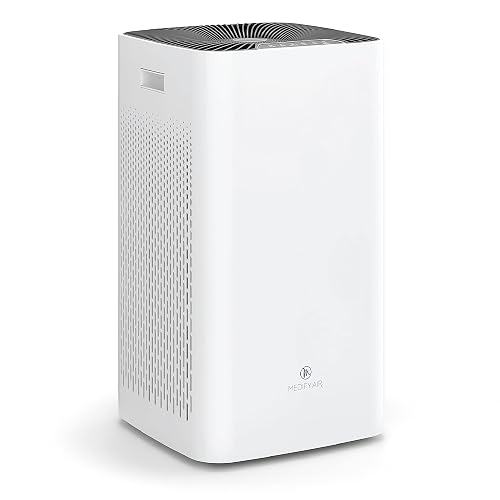
Open-plan living rooms and finished basements need serious airflow, and the Medify MA-112 is the unit that brings that muscle. Rated to clean up to roughly 5,900 square feet in a single hour, it covers spaces that most competitors can’t touch without two units running side by side. The HEPA H13 media is a step above basic HEPA, capturing 99.9% of particles down to 0.3 microns, the size where wildfire smoke, mold fragments, and fine dust all hide.
It also runs at a sensible noise floor on lower settings, which matters if you place it near a main living area. The filter swap is a single latch.
Real Benefits
- Class-leading room coverage for genuinely large spaces
- H13 media handles fine particulates including wildfire smoke residue
- Single-handle filter replacement keeps maintenance uncomplicated
Trade Offs
- Physical footprint is substantial, so you need to plan the placement
- Replacement filters are pricier than smaller-unit cartridges, depending on cadence
- On its highest setting the noise level is best suited to daytime use
Key Specs
Right Fit For
Large homes, finished basements, and any open floor plan where one smaller unit simply can’t keep up.
Look Elsewhere When
The Medify MA-40 is a better fit for a mid-size living room, since it costs less and won’t overpower a single zone with airflow.
The single-unit version of the PuroAir 240 covers up to 1,000 square feet, which is enough for most bedrooms and home offices. The three-layer media handles the same pollutants the 2-Pack does, and the auto sensor reacts the same way: it ramps up when particulates climb, then settles back to a quiet idle when air quality stabilizes.
This is the unit many owners start with before scaling up. Compare that to the Medify MA-14 reviewed later, which is built for tighter rooms and a different use profile.
Advantages To Know
- True HEPA layer targets pollen, dust mite debris, and mold spore fragments
- Auto mode reduces manual fan adjustment through the day
- Carbon layer trims musty odors that often pair with damp indoor spaces
- Compact enough to sit on a dresser or rolling cart
Room For Improvement
- Filter replacements are an ongoing line item, depending on run hours
- A single unit won’t cover an open-plan living area on its own
Feature Card
Who Should Grab It
Singletons, couples, and small households that want a single do-it-all unit for the main bedroom.
A Better Fit Elsewhere
The ECOSELF Air Purifier handles a larger square footage for a similar purchase, so it’s the better match when one room runs large.
Coverage is the headline here: up to 1,800 square feet, which is rare at the price tier the ECOSELF Air Purifier sits in. The 360° intake design pulls air from every direction, so placement in the center of a room tends to outperform against a wall. A built-in PM2.5 sensor (a particulate matter sensor that measures airborne particles 2.5 microns and smaller) drives the auto mode, so the unit responds in real time when smoke or pollen spikes.
For households that want one unit covering a large living area without the premium tier, the ECOSELF is the most practical step.
Where It Excels
- 360° intake maximizes coverage without strict placement rules
- PM2.5 sensor drives responsive auto mode during pollen or wildfire events
- Large-room rating covers most main-floor living areas
Honest Caveats
- Brand recognition is more limited than bigger-name competitors
- Filter availability is the question to confirm before committing long term
Best Suited To
Open living rooms, finished basements, and large primary bedrooms where a single unit must do the whole job.
Another Choice May Suit
The Medify MA-40 is the right alternative for shoppers who prefer a more established brand lineage at a similar coverage class.
The AIRDOCTOR AD3500 sells itself on a specific number: particles down to 0.003 microns, which is 100 times smaller than the standard HEPA threshold. The marketing language calls it UltraHEPA, and the practical effect is meaningful for households sensitive to wildfire smoke, fine dust, and the smallest mold fragments. The premium carbon layer also handles VOCs (volatile organic compounds, the gas-phase chemicals that can off-gas from paint, furniture, and cleaning products) better than a basic carbon sheet.
Coverage is generous too, around 2,500 square feet in an hour. This is the unit you reach for when ordinary HEPA feels like a half-measure.
Notable Upsides
- Sub-HEPA particle capture handles ultrafine irritants competitors miss
- Premium carbon layer addresses VOCs alongside particulates
- Strong room coverage suitable for a primary living area
Softer Spots
- Premium positioning means filter replacements cost more per cycle
- Physical size is substantial, so placement planning matters
Key Specs
Who Will Love This
Sensitive households, wildfire-prone regions, and anyone who has already tried a basic HEPA unit and felt it wasn’t enough.
Swap It Out When
The Medify MA-112 is a more wallet-friendly alternative if you want strong HEPA performance without the premium tier.
The MA-14 is the smallest of the Medify line, rated for around 470 square feet in an hour, which is enough for a nursery, a small bedroom, or a home office nook. The H13 HEPA media is the same standard as the larger units, so the particle capture is consistent across the family. The tabletop-friendly form factor is the real draw: it disappears on a shelf or dresser without dominating the room.
For allergy sufferers who need a focused clean-air zone rather than whole-home coverage, this is the right scale.
Useful Highlights
- Compact footprint suits a nursery shelf or small bedroom corner
- H13 HEPA matches the media in larger Medify units
- Light enough to move between rooms as the day shifts
Small Caveats
- Coverage tops out around 470 square feet, so it won’t handle a large living room
- Smaller unit means more frequent filter cycles in dusty environments
Perfect Match For
A nursery, a small primary bedroom, or a home office where quiet operation and modest size matter more than raw coverage.
Reach For A Different Pick When
The PuroAir 240 single-pack makes more sense for a larger bedroom with a coverage area above 500 square feet.
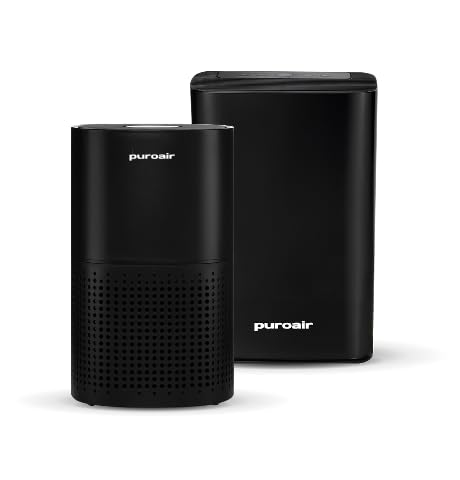
Three units in one bundle: two PuroAir 240s and one larger 400. The combination is built for a home where coverage needs to span multiple rooms with different sizes, for example a primary bedroom, a living room, and a basement rec space. The combined airflow handles up to around 4,000 square feet in an hour, which is the size of a large single-family home with a finished lower level.
This is the bundle to consider when the single-unit route keeps forcing compromises. Each component still runs on its own auto sensor.
Bright Spots
- Three-unit package solves whole-home coverage in one purchase
- Mixed sizing matches the typical mix of large and small rooms in a house
- Each unit runs independently with its own auto sensor
Points To Keep In Mind
- Three units means three filter sets to track and replace over time
- Higher upfront commitment than a single-unit starter
Whose Shelf It Belongs On
Multi-room households that want a one-purchase solution rather than building coverage room by room.
Consider Something Else When
The PuroAir 240 2-Pack is enough if you only need two rooms covered, with no plans for a third.
This two-unit bundle pairs a 240 with the larger 400, so it covers a small-to-mid-size home without the bigger commitment of the three-unit option. Up to about 3,000 square feet in an hour is a sensible capacity for a two-bedroom apartment or a smaller single-story house. You still get the same HEPA-plus-carbon media across both units.
It’s the middle path between a single-room starter and a full whole-home kit.
Where It Delivers
- Two-unit setup addresses a bedroom and a main living area at once
- 3,000-square-foot combined rating covers most mid-size homes
- Consistent HEPA media across both units simplifies filter planning
Less-Strong Areas
- Won’t keep up with a large multi-story home that needs three or more units
Built With In Mind
Two-bedroom households that want stronger coverage than a single purifier but don’t need a three-unit investment.
Where A Sibling Pick Shines
The PuroAir 240 2-Pack is the simpler fit for two rooms of similar size, while this bundle adds the larger 400 for rooms with higher demand.
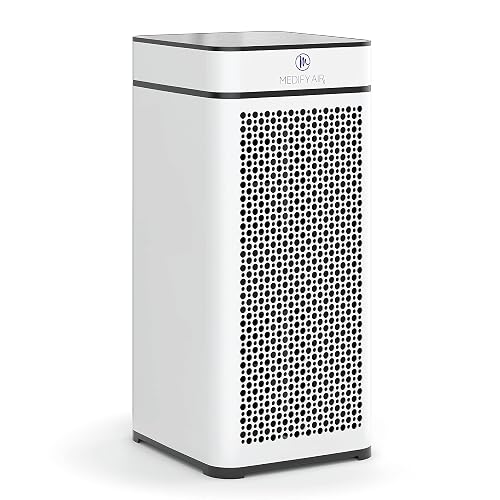
The MA-40 sits between the compact MA-14 and the room-eating MA-112, covering up to 1,793 square feet in an hour. That’s a useful middle range for primary living rooms, finished basements, or a great room with a connected dining area. The H13 HEPA standard is the same as its larger sibling, so you’re not trading filtration for footprint.
It’s a confident mid-size pick when the MA-14 is too small and the MA-112 is more unit than the room needs.
Strong Points
- Mid-size coverage handles most main living areas
- H13 HEPA standard matches the larger MA-112
- Quieter than the larger Medify units on comparable speed settings
Worth Bearing In Mind
- Won’t cover an open-plan great room on its own
- Filter replacements are sized for the larger media, so they cost more than MA-14 cartridges
Who It Suits Best
Mid-size living rooms and home offices where the MA-14 is too small and the MA-112 is more capacity than the space requires.
Not Your Match When
The Medify MA-112 is the right call for open-plan layouts that exceed 1,800 square feet in a single zone.
What Matters When Shopping For Allergy And Mold Air Purifiers
Coverage matches the size of the room you actually use, not the largest space on the spec sheet. A unit rated for 1,000 square feet will run longer and harder in a room that size, so the auto mode becomes a more meaningful feature. For allergy and mold specifically, look for true HEPA media, which captures 99.97% of particles at 0.3 microns, the size range where mold spore fragments and pollen fragments cluster.
A carbon layer is the second-stage upgrade worth its cost. Carbon adsorbs odors and some gas-phase pollutants, so it tackles the musty smell that often pairs with damp indoor air. For homes with wildfire smoke exposure or a sensitive family member, an UltraHEPA-grade unit like the AIRDOCTOR AD3500 captures particles below the standard HEPA threshold.
Noise matters more than people expect. A purifier running in a bedroom 8 hours a night needs a sleep or low mode that doesn’t disturb light sleepers, which is why units like the PuroAir 240 and Medify MA-14 emphasize quiet operation. Filter availability and replacement cost are the long-tail expense. A cheaper unit with expensive or hard-to-find filters costs more over two years than a slightly pricier unit with accessible cartridges, so confirm replacement filter pricing before committing.
Key Considerations Across These Picks
Common Shopping Slip Ups
The most frequent mistake is buying a unit sized for the whole house when the need is really a single room. Coverage ratings are useful, but a single oversized purifier usually underperforms two correctly sized units in actual conditions, because air mixing in real rooms is imperfect.
A second slip is ignoring the filter replacement cycle. A unit that works beautifully for three months and then drags because the filter is overdue is no longer doing its job. Owners commonly report that performance drops sharply when filters stretch past their rated life, so building filter cost into the initial decision avoids that drop-off.
Where The Extra Money Goes
Premium-tier pricing typically buys two things: finer particle capture and stronger carbon. An UltraHEPA unit pulls down particles that standard HEPA misses, which matters for sensitive households and wildfire-prone regions. A premium carbon layer also addresses VOCs, the gas-phase chemicals that ordinary carbon sheets handle less effectively.
The upgrade is worth it when someone in the home has documented chemical sensitivities, lives in a smoke-prone region, or has already tried a standard HEPA unit without enough relief. For a typical allergy or mold concern in a moderately sized home, a mid-tier HEPA-plus-carbon unit like the PuroAir 240 or Medify MA-40 is the right balance.
Frequently Asked Questions
Do air purifiers actually help with mold allergies?
A true HEPA air purifier captures airborne mold spore fragments and reduces the concentration in your breathing zone. It doesn’t fix the moisture source that’s causing the mold, so pair the purifier with dehumidification and any needed remediation in damp areas.
How often do purifier filters need replacing?
Most HEPA filters in this list are rated for roughly 6 to 8 months under typical use, though the PuroAir 240 cartridges are designed to be swapped more often, around every 3 to 4 months, because the pre-filter catches more visible dust. Heavy use, pet dander, and wildfire smoke will shorten the cycle.
Can one purifier cover an entire home?
A single unit only treats the room it’s in. Whole-home coverage requires either one oversized unit like the Medify MA-112, multiple coordinated units like the PuroAir bundles, or a whole-house filtration system tied into your HVAC ductwork.
Is a carbon filter layer necessary for allergies?
For purely particle-driven allergies, a HEPA layer alone is the essential piece. A carbon layer becomes more important when musty odors accompany the moisture issue, or when VOCs from paints, furnishings, or cleaning products also bother you.
What’s the difference between HEPA and UltraHEPA?
Standard HEPA captures 99.97% of particles at 0.3 microns. UltraHEPA, the spec the AIRDOCTOR AD3500 uses, captures much smaller particles, down to 0.003 microns, which is 100 times finer. That extra reach matters for ultrafine irritants like wildfire smoke residue.
Closing Remarks
Match the purifier to the room you actually spend time in, confirm the filter cycle fits your budget, and let the auto mode do the rest. The right unit fades into the background while your sinuses notice the difference.