
Hayfever turns golden afternoons into a scratchy-eyed blur, and indoor air often feels worse than the garden once pollen counts climb. A well-matched purifier pulls the tiny grains from the air you actually breathe, so the bedroom or home office stops being a refuge that secretly makes you sneeze. The picks below are tuned to common hayfever triggers, from grass and tree pollen to dust that clings to soft furnishings. Each one is sized for a real room in a real home, not a lab.
The Leading Options At A Glance
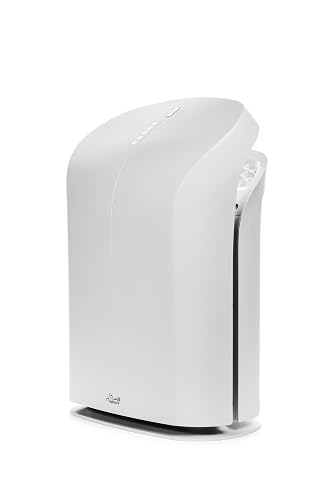
Rabbit Air BioGS 2.0 SPA-550A HEPA Air Purifier (White)

BISSELL air220 Smart Air Purifier with HEPA and Carbon Filters
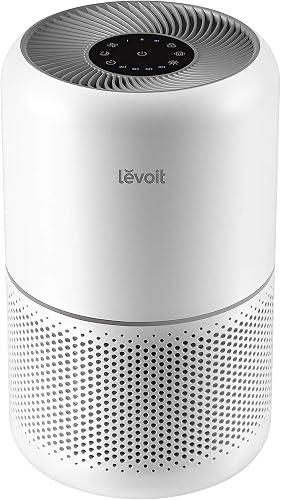
LEVOIT Core 300 H13 True HEPA Air Purifier (White)

DREO DR-HAP009 Air Purifier for Home (Dreo 539)
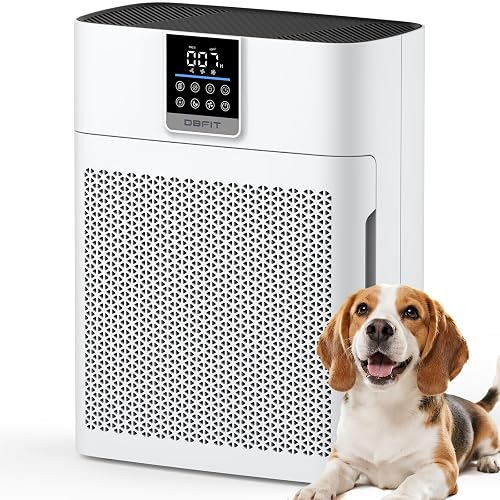
DBFIT AP2410 HEPA Air Purifier with Washable Pre-Filter
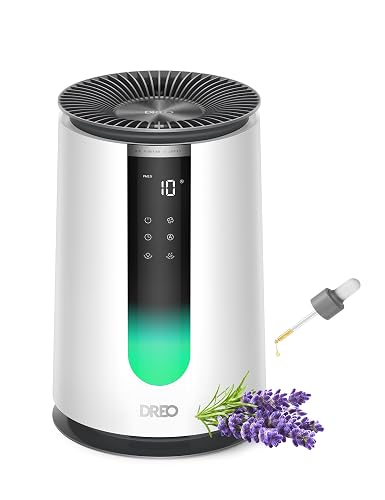
DREO DR-HAP008 Air Purifier with Scent Diffuser (Dreo 338)
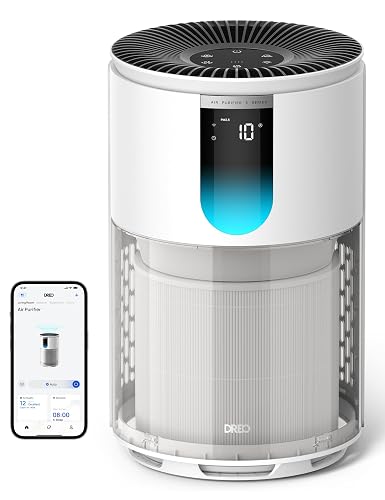
DREO Smart DR-HAP009S Air Purifier (Dreo 539S)
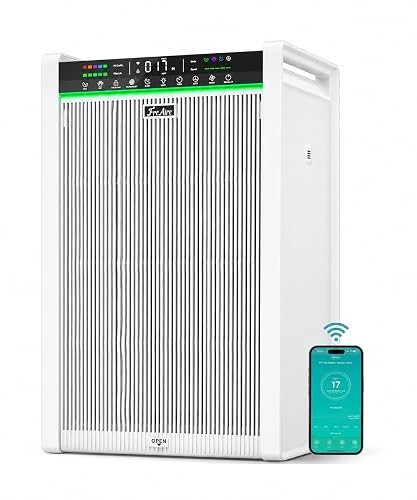
FreAire HAP611WF Air Purifier for Large Rooms
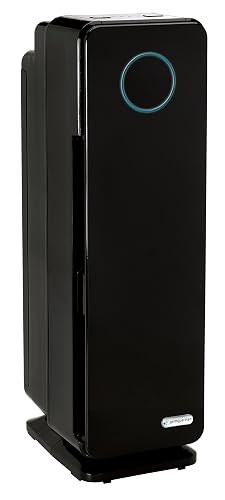
GermGuardian 5-In-1 HEPA Air Purifier AC4300BPTCA

Rabbit Air A3 SPA-1000N HEPA Air Purifier (White)
What Each Pick Brings To The Table
The BioGS 2.0 sits in that comfortable middle ground where it looks at home in a living room rather than hiding in a corner. It’s rated for rooms up to roughly 550 square feet, which covers most UK and US open-plan spaces without forcing you to run it on full chat. Compared with the simpler tower models further down this list, it leans toward a quieter, more measured design that suits a household that runs a purifier most hours of the day.
For hayfever specifically, the multi-stage filter setup pairs a HEPA element with a carbon stage, so you’re not only catching pollen grains but also the musty, lingering odors that come with closed windows during high-pollen days. Owners commonly report that filter life runs longer than cheaper units, which matters when the machine is working hard through spring and summer. It’s a thoughtful everyday option rather than a flashy one.
Useful Highlights
- Multi-stage HEPA plus carbon filtration targets both pollen and everyday odors
- Rated coverage supports medium to large rooms without constant max-fan use
- Wall-mountable design frees up floor space in tighter layouts
- Filter life is longer than typical budget units, lowering ongoing upkeep
- Runs quietly enough for living rooms and bedrooms during pollen season
Trade-Offs Worth Weighing
- Premium positioning means the upfront cost is higher than entry-level options
- Replacement filters are a specific branded size, so shopping around is limited
- Control panel is functional rather than app-driven, which may feel dated
Who It Suits Best
You want a set-and-forget purifier for a main living space and you prefer longer filter intervals over chasing the lowest sticker price.
Consider Something Else When
The LEVOIT Core 300 makes more sense for a smaller bedroom where you need verified HEPA performance on a tighter budget.
The BISSELL air220 leans into the “one machine, multiple problems” idea, and it shows in the filter stack. A pre-filter catches pet hair and visible dust, an H13 HEPA element handles the fine stuff (H13 is a medical-grade HEPA tier rated to capture roughly 99.97% of particles down to 0.3 microns), and a honeycomb carbon layer soaks up the smells that come with a busy household. For hayfever sufferers who also share a home with a shedding dog or cat, that layered approach pays off.
You can run it in an auto mode that ramps the fan up when the air quality dips, which is useful on high-pollen days when you walk in from the garden. It also includes a CADR rating (Clean Air Delivery Rate, a measurement of how quickly a purifier filters specific particles from a room) that suits a large room rather than a single bedside table. It’s a practical pick when allergies and pet dander both live in the same house.
Practical Pluses
- Three-stage filtration handles hair, fine particles, and household odors together
- Auto mode adjusts fan speed as air quality changes through the day
- Carbon layer is built around thousands of pellets, supporting real odor capture
- Large-room coverage suits open-plan homes and combined kitchen-lounge areas
Small Caveats
- Larger footprint than compact bedside units, so placement planning matters
- Replacement filter bundles are a recurring cost to factor in
Made For
You share your home with pets and need one purifier that handles dander, pollen, and lingering smells at the same time.
Look Elsewhere When
The Rabbit Air A3 is worth a look if you want even more filter customization and don’t mind spending more for a tailored setup.
The LEVOIT Core 300 is the kind of bedroom purifier that just disappears into the room until you need it. It runs quietly on its sleep mode, which matters when your sinuses are already angry and you don’t want a fan whirring next to the bed. For hayfever, the H13 True HEPA filter is the headline feature: that rating covers the fine pollen fragments and dust particles that actually trigger symptoms, not just the visible bits floating in a sunbeam.
It’s a compact cube, so it tucks onto a nightstand or low shelf without dominating the room. Compared with the bigger BISSELL air220, you’re trading raw coverage for a much smaller footprint and a gentler price point. Many owners run one in the bedroom and a second in a home office during peak season, which is a sensible hayfever strategy for keeping symptoms down across the day.
What Works In Its Favor
- H13 True HEPA rating targets the fine particles that drive most hayfever reactions
- Compact cube design fits nightstands, shelves, and small desks
- Sleep-mode operation stays quiet enough not to disturb light sleepers
- AHAM Verifide performance data gives confidence in real-world claims
Honest Caveats
- Coverage tops out around 1,073 square feet, so very open spaces need a second unit
- Carbon filter layer is modest compared with the BISSELL honeycomb stage
Best Suited To
You need a quiet, reliable bedroom purifier that handles pollen without dominating the room visually or acoustically.
Swap It Out When
The DREO DR-HAP009 is a better fit if you’re trying to cover a large open-plan space with a single machine.
The DREO 539 is built for rooms where a bedside cube simply won’t cut it. With coverage listed up to 1,176 square feet and a PM2.5 monitor on the front (PM2.5 refers to fine particulate matter 2.5 micrometers or smaller, a common trigger for allergy and asthma symptoms), it pulls double duty as a real-time air quality gauge and a working purifier. That’s handy during hayfever season, because you can see exactly when pollen counts are peaking indoors and react.
It runs four fan speeds plus a turbo mode, so you can dial it down for background work or crank it up after a windows-open afternoon. The HEPA sleep mode keeps noise down for bedrooms, although the unit itself is on the larger side. If your hayfever gets worse in a big living room rather than a small bedroom, this DREO is a more honest match than a compact purifier struggling at full power.
A Strong Showing
- PM2.5 monitor turns the front panel into a useful hayfever early-warning readout
- Large-room coverage handles open-plan layouts and combined kitchen-dining spaces
- Turbo mode clears the air quickly after windows have been open on a high-pollen day
- AHAM Verifide rating adds confidence to the CADR claims
Points To Keep In Mind
- Physical size means it needs a deliberate spot rather than a casual shelf perch
- On turbo, fan noise is noticeable and not ideal for phone calls or sleep
Who Should Grab It
You live in an open-plan space and want a single workhorse purifier that doubles as an air quality monitor.
Reach For A Different Pick When
The FreAire HAP611WF is a better answer if you need to cover an even larger area or a basement family room.
DBFIT targets the shopper who wants wide coverage without paying premium prices, and the AP2410 leans into that brief. The washable nylon pre-filter is the detail that stands out: it catches pet hair and visible dust before it reaches the main HEPA element, which extends the life of the more expensive inner filter. You rinse it under a tap instead of buying a replacement every few months.
Coverage is rated up to 2,180 square feet, which puts it in the same conversation as the DREO 539 and the FreAire below. The trade-off is a more industrial design language and a less polished control panel. For a hayfever-focused household on a tighter budget, the running cost saving from the reusable pre-filter adds up over a couple of seasons.
Where It Helps
- Washable pre-filter cuts down on disposable filter replacements
- Coverage supports very large living areas and multi-room open layouts
- PM2.5 sensor offers real-time feedback on indoor air quality
- Side inlets are wider, supporting better airflow in cluttered rooms
Practical Considerations
- Design is functional rather than decor-friendly
- Replacement HEPA cartridges are still needed on a regular schedule
Right Fit For
You need to cover a big room and you want to keep ongoing filter costs down with a washable pre-filter stage.
A Better Fit Elsewhere
The DREO DR-HAP008 suits a smaller bedroom better if you value a quieter, more compact shape.
The DREO 338 is the smaller sibling of the 539, and it’s tuned for the kind of room where space and noise both matter. Coverage lands around 178 square feet at full chat, which suits a bedroom, nursery, or studio flat rather than a sprawling lounge. The built-in scent diffuser slot is a small but unusual touch: you can add a few drops of essential oil for a more pleasant room atmosphere while the purifier does its real work.
It’s AHAM Verifide with a CADR of 115 CFM, so the performance numbers are independently tested rather than purely manufacturer-stated. For hayfever, that matters because a smaller unit still has to move enough air to be useful. The HEPA sleep mode keeps the noise floor low overnight, which is when many sufferers notice their symptoms most.
Positive Takeaways
- Compact footprint suits bedside tables and small shelving units
- AHAM Verifide CADR data backs up the real-world airflow claims
- Scent diffuser adds a comfort feature alongside core filtration
- Sleep mode keeps operation quiet through the night
Things To Consider
- Coverage is modest, so a single unit won’t handle a large open-plan room
- Scent oils are an added expense and not everyone wants fragrance in the bedroom
Perfect Match For
You live in a small flat or you want a quiet, dedicated bedroom unit that doubles as a light scent diffuser.
Where A Sibling Pick Shines
The DREO Smart DR-HAP009S makes more sense if app control and voice integration are on your wishlist.
The 539S is essentially the connected version of the 539, with the same core air cleaning hardware but a smart-home layer on top. Wi-Fi connectivity, app control, and voice assistant support let you bump the fan speed from the kitchen, schedule it around your work day, or check the air quality reading without getting up. For tech-forward households, that convenience is the main reason to pick it over the standard 539.
You still get the AHAM Verifide CADR of 158 CFM and the PM2.5 monitor, so the smart bits are genuinely additive rather than replacing the fundamentals. In a hayfever context, the app becomes a useful log of when your indoor air quality spikes, which can help you correlate symptoms with specific times of day. The honest read is that this is the same machine with a smarter interface.
Everyday Perks
- App and voice control make it easy to adjust without leaving the sofa or bed
- Same AHAM Verifide performance as the standard 539, just smarter on top
- PM2.5 readings can be tracked over time to spot pollen pattern triggers
- Scheduling helps run the purifier harder before you arrive home
Less Ideal Details
- Smart features add cost without changing the core airflow hardware
- App setup is an extra step that less tech-comfortable users may skip
Who Will Love This
You already use a smart speaker or home app and you want your purifier to slot into that ecosystem.
Not Your Match When
The standard DREO DR-HAP009 is the more cost-effective choice if app control isn’t on your list.
The FreAire HAP611WF is built for spaces that would make most other purifiers on this list sweat. Coverage is rated up to 3,850 square feet, with a 450 CFM CADR that puts it firmly in the high-output category. If your hayfever gets worse in a large, open-plan kitchen-diner or a basement family room, this is the kind of airflow that actually makes a dent in those big volumes.
It uses a full-front intake and a top outlet, which is a sensible airflow design for moving clean air upward into the breathing zone rather than blasting it sideways. The control panel is large and easy to read, which matters when you want to glance at the air quality reading from across the room. It’s a less common brand name on this list, but the spec sheet is genuinely strong.
What It Does Well
- Very high CADR and coverage rating for open-plan and basement spaces
- Full-front intake design supports better real-world airflow than side-only grilles
- Top outlet pushes clean air upward into the breathing zone
- Large air quality display is easy to read at a distance
Potential Compromises
- Overkill for smaller bedrooms, where a compact cube is more efficient
- Physical footprint needs a dedicated corner or wall position
Built With In Mind
You have a large, open living area or a basement rec room and standard purifiers haven’t kept up.
Another Choice May Suit
The DREO DR-HAP009 is plenty for most normal living rooms and takes up less space.
The GermGuardian AC4300BPTCA is a familiar tower shape, and that’s part of its appeal: the vertical layout fits into corners and tight bedroom spots where a cube or square unit would be awkward. The 5-in-1 filter stack adds a UV-C light element on top of the HEPA and carbon layers, which is intended to add another layer against airborne germs rather than pollen specifically.
For hayfever, the core HEPA filter is what does the heavy lifting, and the carbon layer helps with the musty smells that come from keeping windows closed during high-pollen days. Coverage is listed at 743 square feet, which fits most medium bedrooms and home offices comfortably. Owners commonly note that filter changes are straightforward, which lowers the day-to-day friction of owning one.
Notable Upsides
- Tower design fits neatly into corners and narrow spaces
- HEPA filter handles pollen, dust, and pet dander in a single stage
- Carbon layer tackles odors alongside the particle filtration
- Filter swaps are simple enough to handle without tools
Less-Strong Areas
- UV-C element adds little for pollen-focused users and uses extra power
- Tower design limits where you can place it without blocking airflow
Whose Shelf It Belongs On
You need a slim tower purifier for a corner of a bedroom and you don’t need the very latest smart features.
Skip It When
The LEVOIT Core 300 is a quieter, more compact choice for smaller bedrooms where tower fans feel oversized.
The Rabbit Air A3 sits at the top of this list for a reason: it offers a customizable 6-stage filtration setup, so you can tune the filter stack toward your specific air quality problem. For hayfever, the headline is the HEPA stage, but the customization means you can lean harder into the pet allergy or odor stages if those are part of your daily picture. It’s the most flexible option here.
It’s also very quiet on its lowest setting, which is the right priority for a bedroom purifier that runs through the night. Compared with the BioGS 2.0 reviewed earlier, the A3 offers more filter tuning at the cost of a higher starting price. If your hayfever is severe and you’ve found other purifiers underwhelming, the A3 is the unit you upgrade to rather than the one you start with.
A Few Strong Suits
- 6-stage customizable filter setup targets specific air quality problems
- Very quiet operation on the lowest fan setting suits light sleepers
- Tunable design supports pet allergy, odor, and pollen priorities
- Build quality leans toward a longer-term ownership investment
Worth Bearing In Mind
- Premium pricing is hard to justify for mild or seasonal hayfever
- Customization adds setup decisions that simpler units handle for you
Right Fit For
You have a stubborn mix of allergies and you want a purifier you can tune to your specific triggers over time.
Where Another Pick Suits Better
The Rabbit Air BioGS 2.0 is a more approachable Rabbit Air option if you want the brand without the premium filter tuning.
Picking A Purifier That Actually Helps With Hayfever
A HEPA-rated filter is the baseline you should refuse to compromise on. HEPA, which stands for High-Efficiency Particulate Air, is a filter standard that captures a defined percentage of particles at a specific size, and the hayfever-relevant allergens (grass and tree pollen fragments, dust mite debris) all sit within that capture range. A “HEPA-type” or “HEPA-style” label is a warning sign, because it usually means the filter hasn’t been independently tested to the real standard. AHAM Verifide models on this list go a step further, since their CADR numbers are independently tested rather than purely manufacturer-stated.
Coverage sizing matters more than people expect. A purifier rated for 200 square feet will struggle in a 400 square foot open-plan room, no matter how good its filter is. Match the rated coverage to your actual room, with a little headroom for high ceilings or busy kitchens where air mixes constantly. CADR, the airflow-based measurement of how fast a purifier clears specific particles, is a more honest performance number than vague “removes 99% of particles” claims.
The extras are worth a sober look. UV-C lights, ionizers, and scent diffusers can add cost without helping pollen symptoms much. A washable pre-filter, on the other hand, is genuinely useful because it catches the visible dust and pet hair before it clogs the more expensive HEPA element, extending its life. For a hayfever-focused home, filter life and replacement cost over a year matter more than a flashy extra feature.
Smart Buying Advice For Hayfever Sufferers
Pitfalls Shoppers Hit
The most common mistake is buying a purifier that’s too small for the room. Manufacturers often quote coverage figures based on one air change per hour, which is the bare minimum for odor control rather than allergy relief. For hayfever, you want closer to four or five air changes per hour, which means sizing up from the headline coverage number. A unit that’s perfectly rated for your square footage on paper can still underperform in practice.
Another trap is ignoring filter replacement costs. A cheap purifier with expensive proprietary filters can cost more over three years than a mid-range unit with standard, affordable replacements. Check the filter model and price before you buy, not after, because it’s the difference between a useful tool and an expensive ornament gathering dust in the corner.
When Paying More Pays Off
Premium models earn their higher price through longer filter life, better build quality, and more useful smart features. The Rabbit Air A3 is a good example: the customizable filter stack means you’re not paying for stages you’ll never use, and the quieter motor makes 24/7 running realistic. If your hayfever is severe enough to genuinely affect sleep and daily comfort, the upgrade tends to pay for itself in fewer days off work and less reliance on allergy medication.
That said, paying more is only worth it when the cheaper models have already proven insufficient. For most seasonal hayfever sufferers, a well-sized mid-range unit like the LEVOIT Core 300 or DREO DR-HAP009 handles the problem cleanly. Reserve the premium tier for tougher, year-round allergy profiles.
Frequently Asked Questions
How often should you run an air purifier for hayfever?
Run it 24/7 during pollen season, not just when symptoms flare. Hayfever triggers build up gradually, and a constantly running purifier keeps airborne pollen counts low rather than chasing them back down after they’ve already settled in soft furnishings.
Can one purifier cover a whole house?
Usually no, unless you live in a small flat. A single unit is realistically limited to one well-sealed room, so most households benefit from a bedroom unit plus a living room unit rather than one oversized model trying to do too much.
Do HEPA filters need replacing every year?
Typically yes for the main HEPA element, with pre-filters changed more often. Carbon layers usually need replacing every six to twelve months, and the exact schedule depends on how hard the purifier is working and how dusty your indoor air is.
Where should you place a purifier for the best results?
Away from walls and corners, with the intake grille having clear airflow. A spot a few feet off the floor in a frequently used room tends to work well, because the cleanest air gets pushed into the breathing zone rather than along the ceiling.
Are air purifiers enough on their own for hayfever?
They help a lot but aren’t a complete solution. Keeping windows closed during high pollen counts, washing bedding weekly in hot water, and showering after being outside all reduce the pollen load a purifier has to handle, which improves how well it works.