
Mold spores travel through the air long before you spot a stain, and they settle in basements, bathrooms, and any room where humidity lingers. A true HEPA air purifier pulls those tiny particles out of circulation, which matters in homes with musty odors, recent water damage, or anyone sensitive to indoor allergens. This roundup focuses on full-size purifiers and the genuine replacement filters that keep them doing their job, so you can match coverage to your square footage and stick with a routine that actually controls spore counts.
A Fast Comparison Of The Options
GoveeLife Air Purifier Replacement Accessories (2 Pack)
PuroAir 400 HEPA Air Purifier (2,000 ft²)
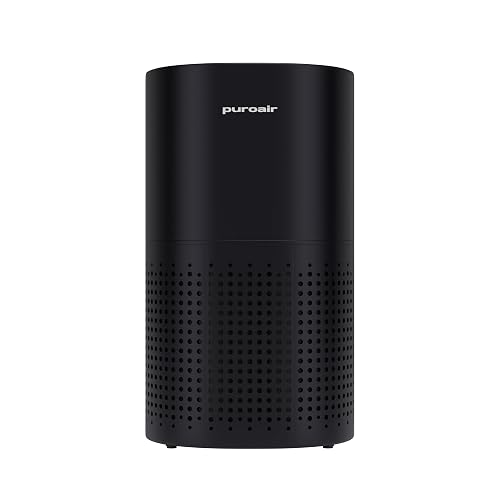
PuroAir 240 HEPA Air Purifier (1,000 ft²)
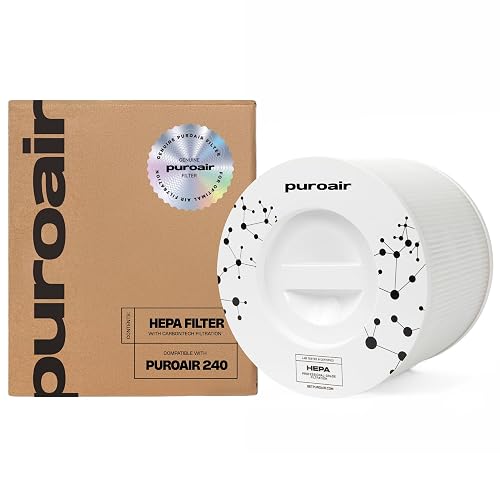
PuroAir 240 Replacement Filter (1 Pack)
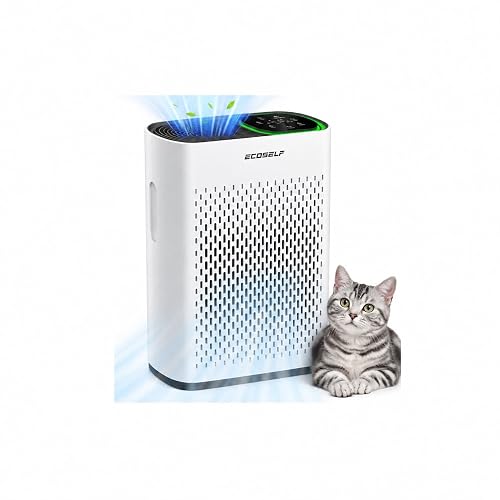
ECOSELF HAP602 Large Room Air Purifier
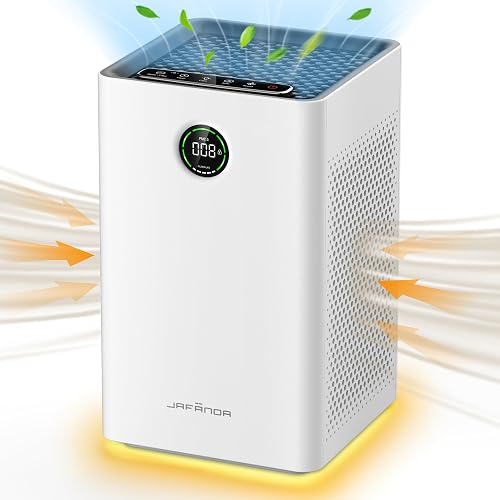
Jafanda JF260 HEPA Air Purifier (1,090 ft²)

AIRROMI A2001 Replacement Filter (1 Pack)
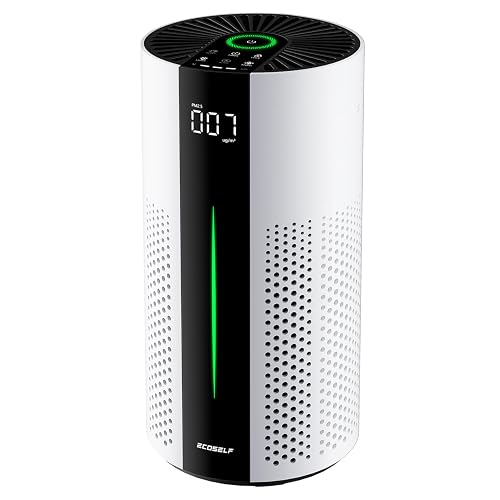
ECOSELF Large Room Air Purifier (1,800 ft²)
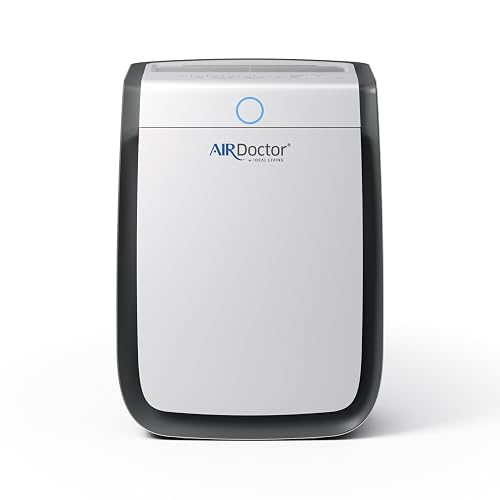
AIRDOCTOR AD3500 UltraHEPA Air Purifier
A Breakdown Of The Leading Choices
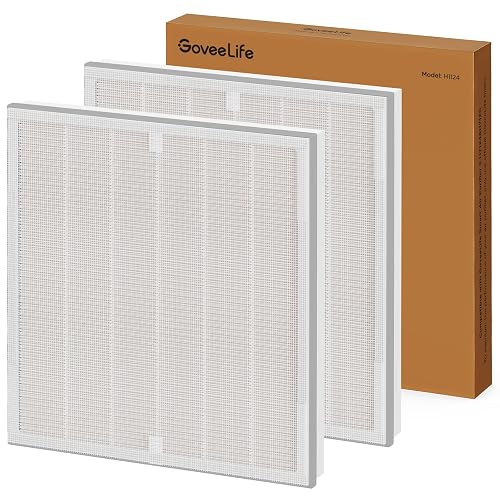
Owning a purifier is only half the deal; the filter does the actual work, and skipping replacements quietly turns a strong machine into a lazy fan. This two-pack from GoveeLife is built specifically for the H7124 and H712C models, so you can rotate a fresh filter in while the dirty one airs out or gets bagged for disposal.
For most households running a GoveeLife unit in a bedroom or home office, having a spare on hand keeps the routine on track without a panic order when the indicator light finally blinks on. It is a small accessory, but it is the kind of part that prevents a costly purifier from sitting idle.
The Practical Payoff
- Two filters in one pack means you stay covered for roughly a year of typical use
- Direct fit for the H7124 and H712C removes any guesswork at install time
- Stocking a spare cuts downtime when the change-indicator finally trips
- Genuine-brand fit helps the purifier hold its rated HEPA performance
Points To Note
- Only useful for households already running a compatible GoveeLife unit
- Stocking two filters at once means a slightly higher upfront cost than a single replacement
Whose Shelf It Belongs On
Anyone already running a GoveeLife H7124 or H712C who wants to avoid a gap in filtration when the current filter is due for a swap.
Reach For A Different Pick When
You do not yet own a compatible GoveeLife purifier, in which case the PuroAir 240 Replacement Filter is a better fit for PuroAir households.
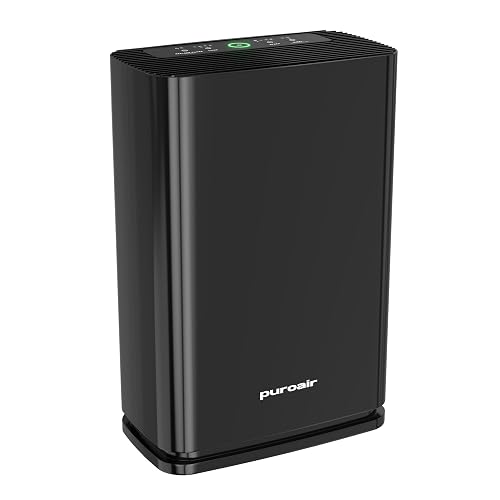
Big rooms, big trouble. When a single purifier has to cover an open living area, a basement rec room, or a loft with high ceilings, smaller units spend all their energy chasing the same air over and over. The PuroAir 400 is rated for rooms up to 2,000 square feet, which is the kind of coverage that actually moves the needle on airborne spore counts in wide spaces.
It uses a true HEPA filter, meaning it captures 99.97% of particles down to 0.3 microns, the size range where most mold spores and their fragments live. For most households dealing with a musty rec room or post-flood cleanup, that combination of room size and filter grade is the right tool for the job.
Where It Helps
- 2,000 square foot rating covers great rooms and finished basements without overworking the fan
- True HEPA media targets the particle size where mold spores typically travel
- Multi-stage design pulls pet dander and dust alongside spores, helpful in busy homes
- Larger intake grille means fewer repositioning headaches between rooms
Trade-Offs To Consider
- Larger cabinet takes up meaningful floor space in tighter rooms
- Higher fan speeds on a big unit can sound intrusive in quiet bedrooms
- HEPA filter replacements are a recurring cost owners should plan for
Feature Snapshot
Who It Suits Best
Homeowners with an open-concept main floor, a finished basement, or any single room above 1,000 square feet who want one unit to do the work.
Swap It Out When
You mainly need bedroom-grade coverage, in which case the PuroAir 240 HEPA Air Purifier is a quieter, smaller match for tighter spaces.
Bedrooms and home offices rarely need a 2,000-square-foot workhorse, and oversizing a unit just cranks the fan louder without much gain. The PuroAir 240 sits in a useful middle ground, rated for up to 1,000 square feet, which lines up with the size of most primary bedrooms, nurseries, and study nooks where mold spores tend to settle overnight.
Its three-layer filter pairs a pre-filter with HEPA media and a CarbonTech layer, so it tackles the musty odors that often tag along with active mold growth. For most people running the unit on auto, that combination quietly handles the air without demanding constant attention.
Key Advantages
- 1,000 square foot rating is a comfortable match for average bedrooms and dens
- Three-layer media adds activated carbon for the musty smell that often rides with mold
- Auto air quality sensor ramps the fan up only when particulates climb
- Quiet sleep mode keeps the unit unobtrusive on a nightstand or desk
Small Caveats
- Not built for oversized great rooms or open lofts
- Auto mode cycles can feel reactive if you prefer a constant low hum
Feature Rundown
Made For
Anyone outfitting a bedroom or home office with a purifier that should run on its own and stay quiet enough to sleep next to.
Look Elsewhere When
You need to scrub a basement or open-plan space, where the PuroAir 400 HEPA Air Purifier is the more capable choice.
Filter changes are easy to forget, and a purifier that has gone past its swap window starts recirculating the very particles it was supposed to catch. The genuine PuroAir 240 replacement filter is the part designed specifically for the PuroAir 240 unit, which matters because aftermarket filters sometimes fit loosely or skip a filtration layer.
For most owners running a PuroAir 240 in a bedroom, swapping this filter in every few months keeps the rated HEPA performance honest. It is a small recurring cost, but it is the difference between owning a working purifier and owning a noisy fan.
What Helps Most
- Genuine fit preserves the manufacturer’s stated HEPA performance
- Single-pack format works for households that prefer smaller, frequent orders
- Replacement reminder sign-up is available for owners who do not want to track dates
A Few Limitations
- Only fits the PuroAir 240 chassis, so it is dead weight for any other brand
- Single-pack cost per swap runs higher than buying in multi-packs
Best Suited To
Current PuroAir 240 owners who want the original-brand replacement and prefer to reorder one filter at a time.
Not Your Match When
You want to stock up, in which case the GoveeLife 2-pack offers a better per-unit value for compatible units.
Humid basements and converted studios punish a purifier’s motor because the air is heavier with moisture and particulates. The ECOSELF HAP602 is built for those punishing conditions, with a claimed clean of 2,400 square feet in 30 minutes and a 360-degree airflow design that pulls stale air in from every direction.
You may find the PM2.5 display especially useful in a basement, where you can see the numbers climb after running a shower upstairs or pulling laundry out of the dryer. For most households treating a known moisture problem, that kind of visibility takes a lot of the guesswork out of running the unit on auto.
Where It Excels
- 2,400 square foot reach in 30 minutes tackles very large rooms in one cycle
- 360-degree intake pulls air from all sides, no need to angle the unit
- Real-time PM2.5 display shows exactly what the sensor is tracking
- Ultra-quiet 20 dB sleep mode keeps it livable in a finished basement bedroom
Honest Caveats
- Touch display looks sleek but can pick up smudges in high-traffic areas
- Larger footprint requires deliberate placement in tighter rooms
- Filter cost is meaningful given the size of the media inside
Quick Facts
Who Should Grab It
Households with a known moisture issue in a basement, attic conversion, or oversized studio who want real-time PM2.5 data on the unit itself.
A Better Fit Elsewhere
You mostly need a bedroom unit, where the PuroAir 240 HEPA Air Purifier is easier to place and quieter at full tilt.
Bedrooms with pets, smokers, or a window that likes to leak humidity need more than a basic HEPA pass. The Jafanda JF260 pairs a true HEPA filter with a serious activated carbon layer, plus a built-in night light that doubles as a soft entryway glow for kids and guests.
For most households, the 1,090 square foot rating lands right in the sweet spot of primary bedrooms, finished bonus rooms, and small living areas where mold, dander, and smoke tend to overlap. The PM2.5 readout on top adds a useful sanity check when you suspect the air has taken a turn.
What Makes Sense
- 3-in-1 filtration with a heavy activated carbon layer tackles odors alongside particulates
- 1,090 square foot coverage fits most medium-to-large bedrooms
- Night light setting avoids the need for a separate plug-in glow
- Sleep mode quiets fan noise for undisturbed rest
Where It Is Less Suited
- Not the right tool for oversized great rooms or open lofts
- Night light is fixed in color, no warm/cool adjustment for picky sleepers
Feature Card
Right Fit For
Bedroom households that want a single purifier to manage pet dander, cooking smells, and musty air in the same room.
Consider Something Else When
You need to cover a wide open floor plan, where the ECOSELF HAP602 handles much larger footprints more confidently.
Not every filter is built the same, and a specialty carbon layer can matter when the air carries more than just dust. The AIRROMI A2001 replacement pairs a true HEPA layer with a green activated carbon section specifically designed to absorb toxins, VOCs, and stubborn chemical odors that ride alongside mold issues.
For most owners of the AIRROMI A2001 chassis, this is the matching replacement, and sticking with the original-brand media keeps the rated capture performance intact. A single pack keeps ordering simple for households that already track their own swap schedule.
Positive Takeaways
- Toxin-absorbing carbon layer targets VOCs and chemical odors alongside standard particulates
- Original-brand fit avoids the loose-seal issues common with off-brand replacements
- Single-pack format suits owners who prefer to keep replacement stock lean
Points To Keep In Mind
- Only fits the AIRROMI A2001 unit, so it is brand-locked
- Specialty carbon filter may cost more per swap than standard replacements
Perfect Match For
Current AIRROMI A2001 owners dealing with renovation dust, paint odors, or chemical sensitivities layered on top of mold concerns.
Where Another Pick Suits Better
You need the purifier itself, not just a filter, in which case the PuroAir 240 HEPA Air Purifier is a complete unit worth starting with.
Family rooms and shared spaces tend to collect odors from every direction, so a purifier with a 360-degree intake has a natural edge. This ECOSELF model pulls air in from all sides and reaches up to 1,800 square feet, which covers most main-floor family areas without forcing a relocation dance.
For most households, the auto mode and built-in PM2.5 sensor take the daily adjustments off your hands, ramping the fan up when smoke from cooking or pollen counts spike. It is a quiet, dependable workhorse for shared spaces that get heavy use.
Practical Pluses
- 360-degree intake captures air regardless of which way the unit faces
- 1,800 square foot coverage suits main-floor living areas and shared basements
- Auto mode reacts to PM2.5 shifts without manual tweaking
- Filter swap is straightforward enough for one person to handle in minutes
Worth Bearing In Mind
- Not the right tool for huge great rooms or open lofts above 2,000 square feet
- Larger unit means a heavier filter at replacement time
Built With In Mind
Households that need one purifier to cover a busy main living area, rec room, or shared basement where the whole family tends to gather.
Not Your Match When
You want a small bedroom unit, where the PuroAir 240 HEPA Air Purifier fits more comfortably on a nightstand or shelf.
Some households need more than a standard HEPA pass, especially when allergies, asthma, or sensitive lungs are part of the daily picture. The AIRDOCTOR AD3500 uses an UltraHEPA filter rated to capture particles down to 0.003 microns, a much finer threshold than the standard HEPA benchmark.
For most people running it in a larger home, the 2,520 square foot ceiling is generous enough to handle multiple adjacent rooms with one unit, depending on your layout. The premium carbon layer adds a meaningful boost against stubborn smoke and pet odors, which often tag along with mold problems.
Points In Its Favor
- UltraHEPA media captures particles 100x smaller than the standard HEPA threshold
- 2,520 square foot reach supports whole-floor coverage in many homes
- Premium carbon filtration handles smoke, odors, and VOCs alongside particulates
- Strong performance for households with allergy or asthma concerns
Details To Watch
- Higher-end pricing puts it out of reach for casual shoppers
- Larger cabinet requires deliberate placement in smaller rooms
- Replacement media costs more than standard HEPA cartridges
Technical Highlights
Who Will Love This
Households with allergy or asthma sufferers who want finer particle capture than standard HEPA offers, and the budget for a premium build.
Skip It When
You mainly need bedroom coverage, in which case the PuroAir 240 HEPA Air Purifier is a quieter, simpler fit for the space.
What To Weigh Before Choosing A Mold-Focused Purifier
Mold cleanup starts with water control, but the airborne side matters too, and the right purifier depends on more than square footage. Look first at the filter grade: a true HEPA filter captures 99.97% of particles at 0.3 microns, which is the size range most mold spores occupy. Activated carbon is the second key layer, because it pulls the musty VOCs (volatile organic compounds) that ride along with active growth and give basements their telltale smell.
Match coverage to the actual room, not the whole home. A 2,000-square-foot unit in a 200-square-foot bedroom wastes energy and adds noise, while a 500-square-foot purifier in a finished basement is just decoration. For most people, an auto mode with a PM2.5 sensor takes the daily guesswork out of running the unit, ramping the fan only when particulates climb.
Finally, factor in filter replacements. Every purifier on this list runs on consumable media, and skipping a swap quietly turns a strong machine into a lazy fan. Stocking a genuine replacement at the time of purchase keeps the routine on track without a panic order later.
Key Considerations Across These Picks
Pitfalls Shoppers Hit
Choosing a purifier by room size alone is a common trap, because two units with the same square footage can perform very differently in real homes. A 1,000-square-foot rating in a room with high ceilings, heavy foot traffic, or an attached bathroom behaves more like a 700-square-foot space in practice. Always size up when the room has any of those complicating factors.
The other common slip-up is forgetting that HEPA filters are consumables. Owners sometimes run a unit for a year or more on the original cartridge, then wonder why musty smells come back. Set a reminder, or sign up for replacement auto-delivery if the brand offers it, so the swap happens on schedule.
Where The Extra Money Goes
Premium purifiers earn their higher price through finer media, larger carbon beds, and stronger motors. The AIRDOCTOR AD3500’s UltraHEPA grade, for example, captures particles 100x smaller than the standard HEPA threshold, which matters for households with allergy or asthma sufferers. Larger-room units also tend to use more substantial fan assemblies, which translates to faster clean times and steadier performance under load.
The honest read is that mid-tier picks like the PuroAir 240 or Jafanda JF260 handle most bedroom and home-office situations without breaking the budget. Spending up pays off when you need whole-floor coverage, finer particle capture, or a motor that holds up to continuous daily use.
Frequently Asked Questions
Can An Air Purifier Actually Help With Mold?
A true HEPA purifier captures airborne mold spores and their smaller fragments, which reduces the count circulating through the room. It does not remove mold already growing on a surface, so pair the purifier with proper moisture control and surface cleaning for the best results.
What Filter Grade Is Best For Mold Spores?
True HEPA is the baseline to look for, since it covers the 0.3-micron range where most spores travel. An activated carbon layer adds meaningful value by absorbing the musty odors and VOCs that often accompany active growth.
How Often Should I Change The Filter?
Most HEPA cartridges in this category need a swap every 3 to 6 months, depending on usage and air quality. Run the unit on auto where possible, since heavier particulate loads shorten filter life faster than steady clean air.
Do I Need A Purifier In Every Room?
Not necessarily. A single properly sized unit can cover a large open area, and bedrooms typically benefit most from a dedicated unit because of the hours spent sleeping there. A two-unit setup, one for the main living area and one for the primary bedroom, covers most households well.
Is A Larger Unit Always Better?
Not always. Oversizing a purifier for a small room just means louder fan noise and wasted energy. Match the unit to the actual square footage, then size up only if the room has high ceilings, heavy traffic, or known moisture issues.
Closing Remarks
The right purifier comes down to matching coverage, filter grade, and noise level to the room where you spend the most time. A genuine HEPA filter with activated carbon is the baseline, and a replacement schedule is what keeps that filter doing its job. Pick the unit that fits your space, stock a replacement, and let the auto mode handle the daily adjustments from there.