
The right air ionizer can make a stubborn room feel lighter, especially in winter when windows stay shut and dust seems to multiply. Shoppers who deal with pet dander, seasonal pollen, or lingering cooking smells often find that mechanical HEPA alone misses the static-charged particles floating around. Ionizers tackle those by giving particles a charge so they clump and drop out of the air, and pairing that with a true HEPA filter gives the most thorough results. This list walks through ten options worth knowing, with honest notes on what each does well and where it falls short.
The Essentials At A Glance
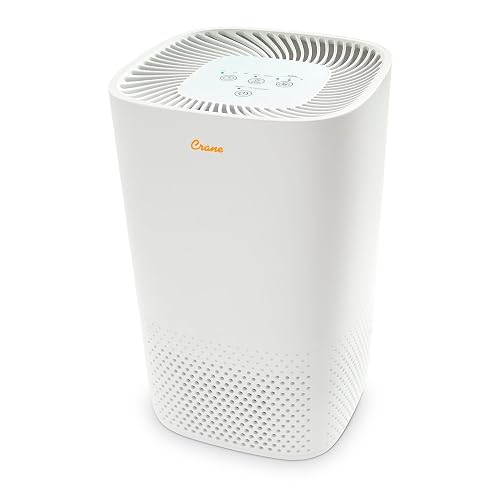
Crane Air Purifier with True HEPA, UV Light, 250 Sq Ft
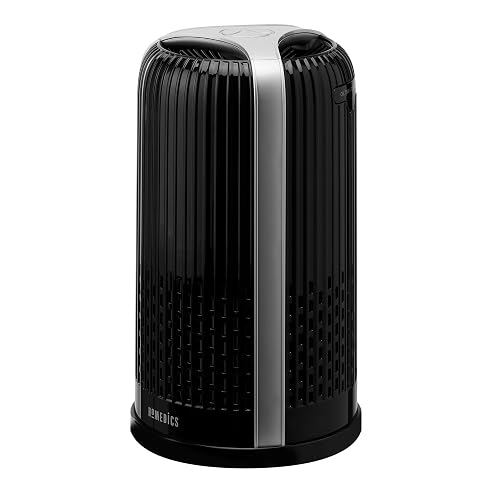
Homedics TotalClean 4-in-1 Tower Air Purifier with Ionizer
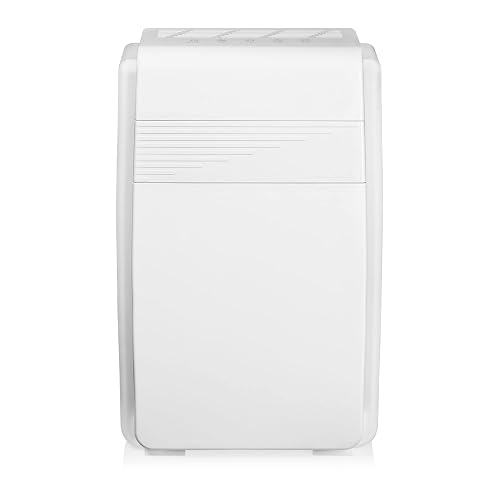
Brondell Horizon O2+ Air Purifier P200 (560 sq ft)
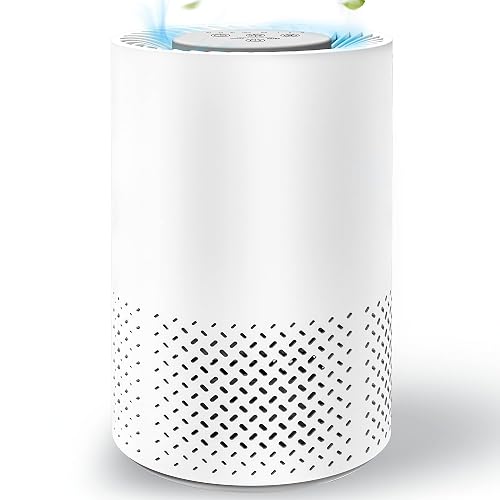
InvisiClean Stella Small HEPA Air Purifier with UV

GermGuardian AC9200WCA HEPA Purifier with UV-C
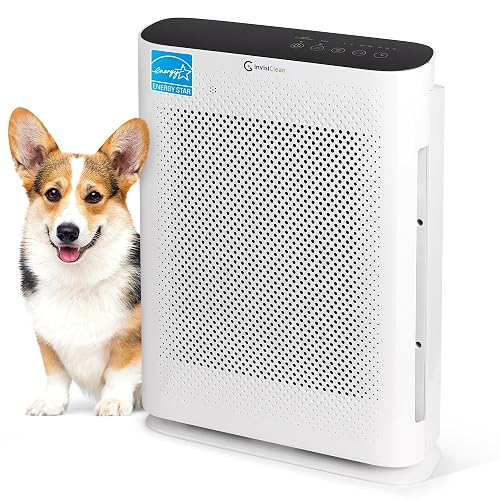
InvisiClean Aura II 4-in-1 H13 HEPA Air Purifier

Ionic Pro Platinum Filterless Air Purifier (800 sq ft)
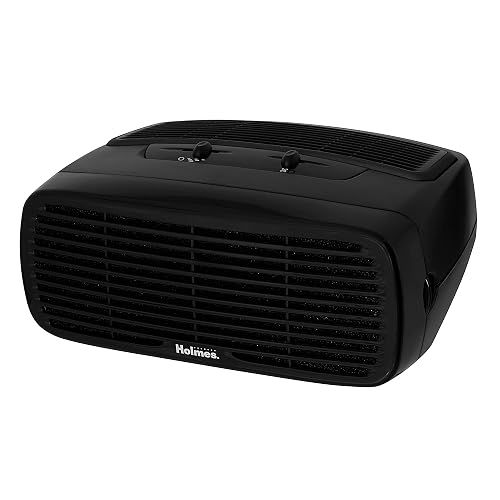
Holmes Desktop HEPA Air Purifier with Ionizer (HAP242B-U)
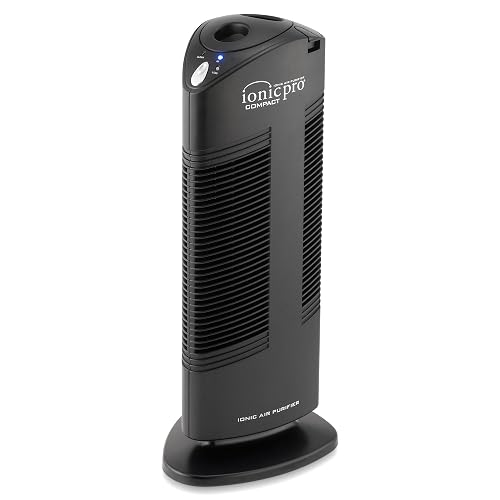
Ionic Pro Compact Filterless Air Purifier (300 sq ft)

Ionic Pro Turbo Filterless Air Purifier (600 sq ft)
The Details Behind The Selections
Tower-shaped and quiet enough for a nightstand, the Crane HEPA purifier handles small to mid-size rooms without dominating the floor plan. It pairs a true HEPA filter with a UV-C light that targets airborne germs, while the washable pre-filter catches the bigger dust bunnies before they reach the main filter. The 250-square-foot coverage is a sweet spot for most bedrooms and home offices.
Owners usually appreciate the three timer settings, since they let the unit run while you fall asleep and then shut down automatically. Unlike the Homedics TotalClean covered below, this Crane skips aromatherapy and keeps the controls simple, which is a plus for anyone who wants a no-fuss machine. A true HEPA filter, by the way, captures 99.97% of particles down to 0.3 microns, the threshold most allergy trackers use.
Notable Upsides
- UV-C light adds a germ-targeting layer beyond the mechanical filter
- Washable pre-filter cuts down on replacement part spending
- Sleep mode keeps fan noise low for bedroom use
- Timer settings let the unit shut off automatically after 4, 8, or 12 hours
Things To Consider
- HEPA filter still needs periodic replacement, which adds to long-term cost
- Coverage drops off sharply in rooms larger than 250 square feet
Key Specs
Who It Suits Best
Light sleepers and small-home dwellers running a purifier in a single bedroom or nursery will find the coverage and noise floor dialed in.
Look Elsewhere When
Pet owners dealing with heavy dander should reach for the InvisiClean Aura II, whose H13 HEPA and carbon stage handle odor load better.
The Homedics TotalClean leans on a 360-degree intake, which means it pulls air from all sides rather than just the front. That makes placement easier in tight corners where a flat-intake tower would starve. The built-in essential oil tray is the standout feature for shoppers who want their air to smell as clean as it feels, and a soft night-light rounds out the package for bedrooms.
Filtration here is HEPA-type rather than true HEPA, a meaningful distinction for severe allergy sufferers. Where the Crane above uses a verified medical-grade media, this Homedics still catches fine dust and dander, but performance against sub-micron particles may be softer. For most casual users, the gap is academic, especially given the aromatherapy payoff.
Noteworthy Benefits
- 360-degree intake pulls air from every direction for faster room turnover
- Essential oil tray pairs with a soft night-light for bedtime use
- Four-stage design layers pre-filter, HEPA-type, carbon, and ionizer
- Compact tower footprint fits beside a nightstand or desk
Worth Noting
- HEPA-type filter may not match true HEPA on the smallest allergens
- Coverage tops out near 291 sq ft, so it strains in large living rooms
- Essential oil residues can build up on the tray and need occasional cleaning
Right Fit For
Apartment dwellers who want a multi-function unit that handles air quality, light, and scent in one tower will get plenty of value here.
Not Your Match When
Anyone with serious asthma or severe allergies will likely prefer the Brondell Horizon O2+, which combines true HEPA with a granulated carbon layer.
The Brondell Horizon O2+ is the most layered purifier in this roundup, with a composite filter that stacks a pre-filter, particle filter, granulated carbon layer, and a cold catalyst stage before adding an optional ionizer on demand. That cold catalyst layer is a less common feature, and it targets VOCs and formaldehyde more aggressively than a standard carbon sheet. Coverage stretches to 560 square feet, so it can handle an open-concept living area without breaking a sweat.
Safety is built in: the on-demand ion feature is CARB compliant, which matters because some ionizers emit ozone at levels that bother sensitive lungs. Where the GermGuardian later in this list uses UV-C for germs, the Brondell leans on chemistry and depth instead, so the room never carries that faint electronic smell some users notice on UV models.
Reasons It Performs
- Granulated carbon with honeycomb structure maximizes odor and VOC reduction
- Optional ionizer can be turned off when you want a purely mechanical cycle
- CARB compliance keeps ion output within safe limits
- 560 sq ft coverage handles open living and dining areas
Trade Offs
- Composite filter replacement costs more than a basic HEPA swap
- Larger footprint than tower purifiers, so plan for floor space
Best Suited To
Homeowners with open floor plans, recent renovations with lingering odors, or new furniture off-gassing VOCs will benefit most from the carbon depth.
Consider Something Else When
Someone furnishing a small dorm room should consider the InvisiClean Stella, which is sized and priced for tighter spaces.
Small enough to live on a desk and quiet enough to leave running through a study session, the InvisiClean Stella is built for personal spaces. The H13-rated HEPA filter catches finer particles than entry-level desktop units, and the UV light adds a second pass at airborne germs. Coverage is modest, more than enough for a dorm cube or nursery corner but not what you would want for a living room.
Compared with the Holmes desktop unit covered later, the Stella adds UV light, which gives it a small edge for germ-conscious households. The trade-off is that UV bulbs need occasional replacement, and you’ll want to keep the intake grille clear of dust bunnies for best results. The ionizer here is a built-in addition, meaning you cannot switch it off independently.
Features That Help
- Compact form factor slips onto crowded desks and nightstands
- UV light targets germs in addition to mechanical filtration
- H13 HEPA media catches finer particles than older desktop units
- Replaceable filter keeps long-term ownership simple
Honest Caveats
- Coverage is best for rooms under about 200 square feet
- Ionizer cannot be turned off, which may bother ozone-sensitive users
Made For
College students in dorms, parents setting up a small nursery, or remote workers running a purifier beside a monitor will appreciate the size and quiet operation.
A Better Fit Elsewhere
Larger bedrooms and shared living spaces suit the GermGuardian AC9200WCA better, with its taller tower and much wider coverage range.
The GermGuardian AC9200WCA is the workhorse of this list, with a 27-inch tower body and coverage that stretches to a generous 1,620 square feet. That kind of reach makes it the right pick for open basements, large living rooms, and shared office spaces. The true HEPA media captures 99.97% of particles down to 0.3 microns, paired with a UV-C bulb that helps reduce airborne germs.
The pre-filter here catches the larger debris so the main HEPA lasts longer, and a Titanium Dioxide coating on the UV component targets volatile organic compounds. The unit is taller than the Crane model at the top of the list, and the air output is more aggressive, so it tends to be heard in quiet rooms, particularly on higher fan speeds.
Advantages To Know
- Up to 1,620 sq ft coverage, the widest on this list
- True HEPA filter certified to 0.3 microns
- UV-C light with Titanium Dioxide reduces VOCs alongside germs
- Programmable timer for hands-off overnight cycles
Points To Keep In Mind
- Bulkier footprint, plan for floor placement rather than furniture-top use
- Higher fan speeds produce noticeable sound in small rooms
- Multiple filter stages mean higher long-term replacement costs
Who Should Grab It
Anyone running a purifier in a finished basement, large open-plan home, or shared workspace will get the most out of the coverage.
Skip It When
A studio apartment dweller will do better with the Brondell Horizon O2+, which has more filtration depth in a smaller footprint.
The Aura II targets two specific headaches: pet dander and lingering household odors. The H13 true HEPA filter sits a step above the more common H11 media, capturing finer particles like pet dander and pollen. A carbon layer tackles the wet-dog smell and litter-box odor that linger in carpeted rooms, while the UV bulb adds a germ-targeting pass. The low-EMF DC motor is a thoughtful touch for bedrooms and nurseries.
Versus the Crane from earlier in this list, the Aura II adds carbon filtration and a stronger HEPA grade, which matters in homes with shedding pets. Ion output is on-demand, so you can run the unit purely mechanically when ozone is a concern. The form factor is portable rather than towering, with a handle that makes it easy to move between rooms.
The Value In It
- H13 true HEPA filter exceeds the capture performance of H11 models
- Carbon layer reduces pet and cooking odors alongside particulates
- Low-EMF DC motor suits bedrooms and family rooms
- CARB compliant and SGS tested for output safety
Potential Drawbacks
- Higher upfront cost than entry-level HEPA units
- Filter replacements for the four-stage stack run more than single-filter designs
Perfect Match For
Multi-pet homes, allergy sufferers, and households that cook often will see the most return on the layered filtration.
Where A Sibling Pick Shines
Someone running a purifier in a clean, low-odor apartment will find the GermGuardian AC9200WCA’s larger coverage more useful for the same purpose.
The Ionic Pro Platinum takes a different path from the rest of this list. Instead of a HEPA filter, it uses ionic technology and a permanent collection plate that you rinse under the tap. That means no recurring filter purchases, which over years of use can offset the higher purchase price. Coverage reaches 800 square feet, and the unit is whisper-quiet since there’s no fan doing the heavy lifting.
That filterless design is liberating for owners who hate tracking replacement schedules, but it does mean particles are captured on internal plates that need a regular wipe-down. Compared with the GermGuardian’s mechanical depth, this is a less aggressive approach, so expect slower visible results during heavy pollen weeks. The trade-off is convenience and near-silent operation.
The Upside
- No replacement filters, just rinse the collection plate periodically
- Whisper-quiet operation suits light sleepers and nurseries
- 800 sq ft coverage spans most medium homes
- Lower long-term cost of ownership over a five-year window
Smaller Limitations
- Less effective on fine particles than true HEPA-equipped models
- Collection plates need manual cleaning every few weeks
- Ion output can bother ozone-sensitive households
Whose Shelf It Belongs On
Owners who want a set-and-forget purifier for a large room and dislike replacement filters will appreciate the design.
Reach For A Different Pick When
Asthma and severe allergy sufferers should opt for the InvisiClean Aura II, whose true HEPA stage handles finer allergens more reliably.
The Holmes HAP242B-U is the budget end of this list, a small desktop unit that handles personal spaces at a lower entry cost. The HEPA-type filter captures common allergens like pollen, dust, and pet dander, and the ionizer is optional, meaning you can run it purely mechanical when you want. The compact shell tucks beside a laptop without crowding the desk.
Compare that to the InvisiClean Stella covered earlier: the Holmes lacks the UV germ-targeting stage, so it trades a feature for a friendlier price tag. For a home office, dorm, or personal reading nook, that compromise often makes sense. Just expect HEPA-type performance, which catches larger particles effectively but may let the very finest allergens slip through.
A Few Strong Suits
- Lowest entry price among reviewed units
- Optional ionizer gives users control over ozone output
- Tiny footprint suits crowded desks and shelves
- Easy filter swap with widely available replacements
Some Limits To Know
- HEPA-type rather than true HEPA, with weaker sub-micron performance
- Coverage is personal-zone, not whole-room
Built With In Mind
Students on a budget and remote workers who want a personal purifier beside their monitor will find the size and price right.
Swap It Out When
Anyone running a purifier in a shared living room or master bedroom should consider the Homedics TotalClean, which covers more square footage with a 360-degree intake.
The Ionic Pro Compact is the smallest filterless option in this lineup, designed for bedrooms, nurseries, and home offices where silence matters. There’s no fan noise at all, since ionic technology moves particles using charged plates rather than moving air. Coverage caps at 300 square feet, which is enough for a master bedroom or small living room but not open-plan spaces.
Where the larger Ionic Pro Platinum covers whole-home square footage, this compact model trades reach for the smallest possible footprint. Owners report that the collection plates need a wipe-down every few weeks, similar to its bigger sibling. If you are allergic to fan noise, this is the unit to shortlist.
The Case For It
- No fan means truly silent operation
- No replacement filters to budget for
- Compact size suits nightstands and small shelves
- Simple controls, no programming to learn
Less-Strong Areas
- Limited to smaller rooms under 300 square feet
- Ionic-only design is less aggressive on fine allergens than HEPA
Who Will Love This
Light sleepers in studio apartments or small bedrooms who value silence above all else will appreciate the design.
Another Choice May Suit
Households with shedding pets should reach for the InvisiClean Aura II, whose mechanical HEPA stage handles dander more thoroughly.
The Ionic Pro Turbo slots between the Compact and the Platinum, with 600 square feet of coverage and a three-speed fan to dial the cleaning intensity. Unlike the quieter Compact, the Turbo has a small fan that helps circulate room air, so it cleans faster at the cost of a slight background hum on higher settings. The filterless design keeps ownership simple, with collection plates that rinse clean under the tap.
For dens, home gyms, and medium bedrooms, this middle Ionic Pro hits a useful sweet spot. It lacks UV and carbon stages, so it does not address odors or germs as thoroughly as the GermGuardian or InvisiClean Aura II. For dust and allergen reduction in a mid-size room, it does the job with minimal fuss.
What Earns Its Place
- Three fan speeds let users trade noise for faster cleaning
- 600 sq ft coverage fits most mid-size rooms
- No replacement filters, just rinse and reuse
- Faster air turnover than pure ionic models
Practical Considerations
- Higher fan speeds produce noticeable sound
- No dedicated odor or germ stage beyond the ionizer
- Collection plates need monthly wiping for consistent output
Right Fit For
Homeowners with a medium den, finished basement, or open bedroom who want a low-maintenance purifier will find this a comfortable match.
Where A Sibling Pick Shines
Kitchens and homes with strong cooking smells are better served by the Brondell Horizon O2+, whose granulated carbon stage is built for that fight.
Choosing an Air Ionizer That Suits Your Space
Match Coverage to Room Size
Square footage is the single most important number to check first. A purifier rated for 250 square feet will struggle in a 400-square-foot living room, no matter how good the filter. Most manufacturers specify coverage in ideal conditions, so treat the number as a ceiling rather than a target. For open floor plans, add 20% to the room size when comparing rated coverage.
Decide Between True HEPA and Ionic-Only
True HEPA filters are independently tested to capture 99.97% of particles down to 0.3 microns, while HEPA-type filters lack that certification and ionic-only models rely on charged plates to drop particles out of the air. Allergy and asthma households benefit most from true HEPA, since the smallest allergens make the biggest difference to symptoms. Ionic-only units trade some of that performance for silent operation and zero filter costs.
Weigh Filter Replacement Against Long-Term Cost
A filterless ionic model looks cheaper up front, but HEPA-equipped units capture finer particles. Replacement filter pricing varies widely, so check the cost per filter and expected lifespan before committing. Some models, like the Aura II and Brondell, use stacked filters that cost more per swap but handle multiple jobs in one cartridge.
Consider Noise, UV Light, and Smart Features
Sleep mode matters for bedrooms, while UV-C adds a germ layer that can help during cold and flu season. Aromatherapy trays are a bonus in spaces where scent matters. If you run the purifier near a desk, prioritize models with documented low-noise sleep modes.
Key Considerations Across These Picks
Common Shopping Slip Ups
Chasing the highest coverage number often leads shoppers to oversized units that run too loud in the actual rooms they need. The opposite mistake, picking a personal purifier for an open living area, leaves the air feeling barely changed. Match the unit to the room, not the other way around. Also, ignoring the filter replacement cost is a common surprise: a low purchase price can mean years of expensive swaps ahead.
Where The Extra Money Goes
Stepping up to a premium model typically buys you a fifth filtration stage, a stronger HEPA grade, or a quieter motor. The Brondell Horizon O2+ is a good example: the granulated carbon and cold catalyst layers are why it costs more than a basic three-stage tower. The upgrade pays off when you have specific problems like persistent odors, recent renovations, or confirmed VOC sensitivity. For most households, a mid-tier model with true HEPA and an ionizer covers the bases without the premium price.
Frequently Asked Questions
How does an ionizer improve air quality compared with HEPA alone?
Ionizers release negatively charged particles that attach to airborne pollutants, causing them to clump and drop out of the air or stick to surfaces. Combined with a true HEPA filter, you get both mechanical capture and electrostatic action, which helps with ultrafine particles that slip past mechanical media.
Are ionizer air purifiers safe for people with asthma?
Most modern ionizers are designed to stay within safe ozone output limits, especially models with CARB compliance. That said, people with severe respiratory sensitivity should look for units with an on-demand ionizer that can be switched off, running the HEPA stage alone when needed.
How often do filters need replacing on these models?
Replacement schedules vary by usage and environment, but most HEPA filters last six to twelve months, while carbon pre-filters may need swapping every three months in heavy-use homes. Filterless ionic models skip replacements entirely, requiring only periodic cleaning of the collection plates.
Can one purifier handle a whole apartment or house?
A single unit typically handles one room or open area effectively. For whole-home coverage, look for larger units rated above 800 square feet, or plan to move a mid-size unit between rooms. Coverage ratings assume closed doors and windows, so open layouts reduce real-world performance.
Do air ionizers help with pet odors and dander?
Ionizers help with airborne dander by charging particles so they fall faster, and pairing an ionizer with a carbon layer addresses the odor side. The InvisiClean Aura II is built specifically for this combination, with an H13 HEPA filter and carbon stage alongside the ionizer.
Closing Remarks
The right air ionizer for your home depends on the room size, your sensitivity to allergens, and how much maintenance you want to take on. Mid-size bedrooms do well with a true HEPA tower like the Crane or InvisiClean Aura II, while large open spaces benefit from the GermGuardian or Brondell coverage. Filterless Ionic Pro models suit shoppers who want low-fuss, silent operation, and the Homedics TotalClean fits anyone who wants aromatherapy built in. Whichever route you pick, matching the unit to your actual space and cleaning goals is the move that pays off most.