
Finding the right room purifier changes how a home feels, especially during allergy season, wildfire smoke events, or winters with windows sealed tight. A good unit pulls fine particles, dander, and odors out of the air while staying quiet enough to forget it’s running. This list covers seven models from Coway and Winix that handle different room sizes, budgets, and sensitivity levels, with honest trade-offs included.
A Fast Comparison Of The Options

WINIX 5520 Air Purifier for Home Large Room
WINIX 5510 Air Purifier with App Support
COWAY Airmega 300 Air Purifier AP-1515H
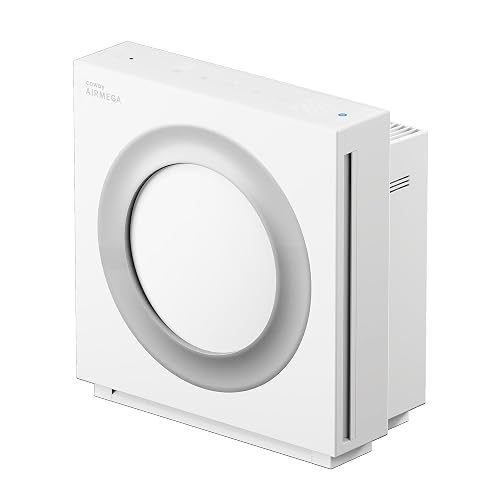
COWAY Airmega Mighty2 AP-1512N(W)
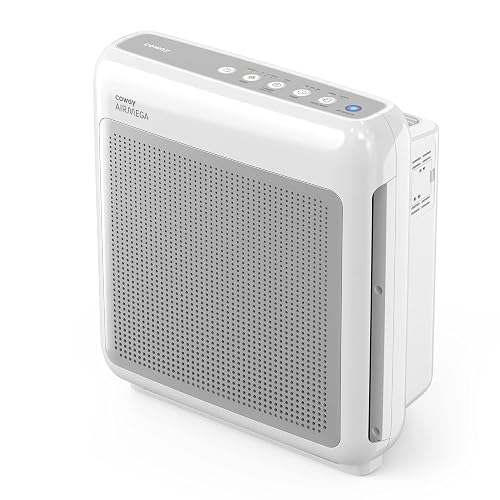
COWAY Airmega 200M Air Purifier (White)
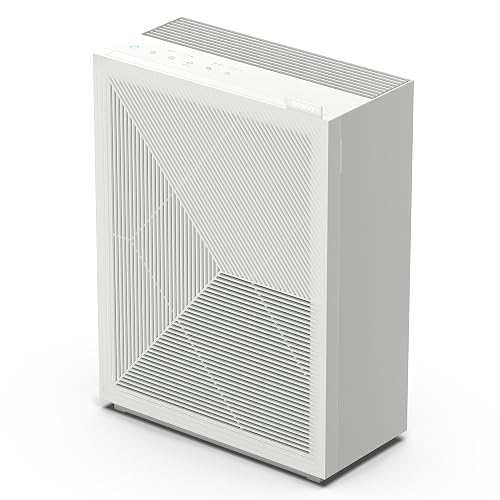
COWAY Airmega 160 Air Purifier (White)
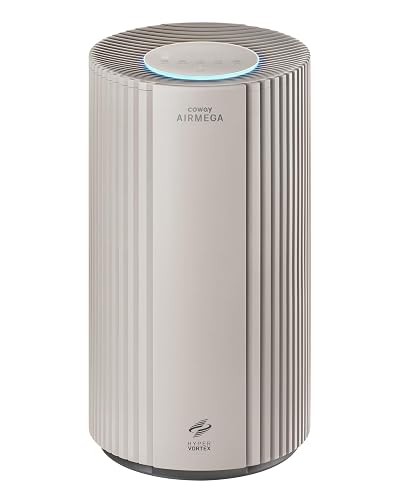
COWAY Airmega 350 Air Purifier (Beige)
Taking A Closer Look At The Options
The WINIX 5520 sits in the sweet spot for households that need serious square-footage coverage without stepping up to whole-home systems. Its three-stage setup pairs a True HEPA filter (a high-efficiency particulate filter rated to capture 99.97% of particles down to 0.3 microns) with a carbon layer that tackles household odors from cooking or pets. Owners commonly place it in main living areas where traffic and cooking smells concentrate.
Auto mode is the quiet hero here. The built-in air quality monitor reads the room and adjusts fan speed, so you don’t have to think about it once you set it up. The deodorization carbon layer is the meaningful upgrade over basic HEPA-only units, especially for pet households or homes near wildfire-prone regions.
The Helpful Details
- AHAM-verified coverage for large rooms, with quick-clean claims around 1,882 sq ft in an hour
- True HEPA plus dedicated carbon filter layer for odor reduction
- Built-in air quality sensor with auto mode for hands-off operation
- LED indicator gives a clear read of current room conditions at a glance
Things To Consider
- Carbon and HEPA filters are replaceable parts that add to long-term ownership cost
- Higher fan speeds are noticeably audible, so placement matters near a TV or sleeping area
Right Fit For
Households with open-plan layouts, pet owners, and anyone in regions with seasonal smoke or pollen who wants a set-and-forget unit.
Consider Something Else When
You need a smaller bedroom-friendly footprint; the COWAY Airmega 160 handles tight spaces more gracefully and includes a washable pre-filter.
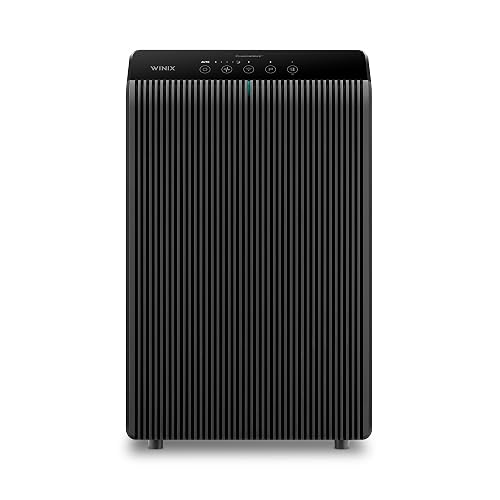
The WINIX 5510 is the connected sibling of the 5520, swapping physical-only controls for app-based management. For most people running a smart home setup, the app is what tips the scales here. You can monitor air quality, adjust fan speeds, and schedule cycles from your phone without leaving the couch.
Filtration matches the 5520: True HEPA paired with a carbon layer, and Auto mode driven by the onboard sensor. The difference is purely in how you interact with the unit day to day. In a household where someone wants the purifier running before they get home, app control is genuinely useful.
Good Reasons To Consider
- App control and scheduling let you run cycles from anywhere with a connection
- True HEPA plus carbon filtration, identical mechanical performance to the 5520
- Auto mode still works independently of the app, so connectivity loss doesn’t disable core features
Points To Keep In Mind
- App-dependent shoppers will find the smart features useful, but anyone who prefers physical controls may find the app redundant
- Filter replacements are the same ongoing cost as the 5520, since they share internals
Best Suited To
Smart-home households who want remote scheduling and air quality tracking without a separate monitor.
Look Elsewhere When
You want the largest possible coverage; the COWAY Airmega 350 covers a noticeably larger square-footage rating for whole-home setups.
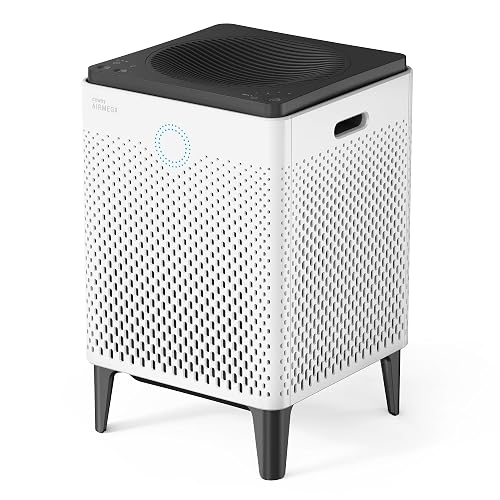
The COWAY Airmega 300 is the workhorse option in this lineup, built for households that want one unit covering a serious footprint. Its washable pre-filter is a small but meaningful ownership perk: you rinse it monthly rather than replacing it, which trims long-term maintenance. The HEPA stage handles fine particles and the activated carbon layer targets odors from cooking, pets, and smoke.
Compared to the Winix 5520 covered above, the Airmega 300 is built for sheer coverage rather than refined smart features. The AQI display is clear and the auto mode responds quickly to changes in the room, making it a fit for anyone who wants a single unit handling an open floor plan.
Useful Strengths
- Washable pre-filter reduces recurring filter spending on the first stage
- Coverage up to 2,512 sq ft in an hour makes it the largest Coway unit in this roundup
- Auto and Sleep modes adjust fan output to match room activity and nighttime needs
Honest Caveats
- Larger physical footprint than bedroom-focused units, so placement planning helps
- Five-year warranty is generous, but HEPA and carbon filter replacements are still an ongoing cost to plan for
Feature Snapshot
Who It Suits Best
Large households, open floor plans, and anyone who wants to consolidate filtration into a single high-coverage unit.
A Better Fit Elsewhere
You want quieter bedroom operation; the COWAY Airmega Mighty2 is a more bedroom-tuned Coway with similar filtration discipline.
The Airmega Mighty2 is the next-generation take on a long-running Coway favorite, and it shows in the cleaner three-stage setup. The washable pre-filter pairs with a certified HEPA stage and an active carbon layer, hitting the standard Coway formula with a more modern housing. CADR (Clean Air Delivery Rate) figures of 242 dust, 240 smoke, and 249 pollen confirm balanced performance across the categories that matter most.
For most bedrooms and home offices, the Mighty2’s 1,800 sq ft ceiling in an hour is more than enough. The auto mode is responsive, and the unit dims its display in low light, which matters in a sleeping space. It is the balanced middle of the Coway lineup.
Advantages To Know
- Three-stage filtration with IEST-certified HEPA captures ultra-fine particles reliably
- Active carbon layer handles smoke and household odors without a separate addon
- CADR figures are balanced across dust, smoke, and pollen categories
- Washable pre-filter keeps routine maintenance low-effort
Trade-Offs
- Not the largest coverage in the Coway family, so very open layouts may need a second unit
- Owners commonly report the filter replacement indicator is conservative, which is safe but slightly premature for some users
Key Product Details
Made For
Bedrooms, nurseries, and home offices where balanced filtration and quiet operation matter more than maximum coverage.
Swap It Out When
You have a sprawling open layout; the COWAY Airmega 350 is a better match for whole-home coverage demands.
The Airmega 200M targets the middle of the market: large enough for a typical living room, small enough to keep a tidy footprint. The HEPA filter handles fine particles while the carbon layer picks up cooking and pet odors. An Eco mode reduces power draw when air quality holds steady, which is a thoughtful touch for 24/7 operation.
Compared to the Winix 5510, the 200M is a less-connected but arguably simpler experience. There is no app to fuss with, and the filter indicator is straightforward. For anyone who wants a purifier that does the job without needing a smartphone to operate it, this is the clean middle of the lineup.
What It Does Well
- Eco mode reduces energy use during stable air quality periods
- Filter indicator takes the guesswork out of replacement timing
- Coverage up to 1,748 sq ft suits most living rooms without strain
Practical Considerations
- No app connectivity, which may frustrate smart-home households used to controlling everything from a phone
- HEPA and carbon filters are consumables that need planned replacement on the manufacturer’s schedule
Who Will Love This
Anyone who prefers simple physical controls and wants a reliable mid-size Coway for a living room or shared space.
Another Choice May Suit
You want app scheduling; the WINIX 5510 covers similar square footage with full smartphone integration.
The Airmega 160 is the most bedroom-friendly Coway in this roundup, designed for smaller rooms where quiet operation matters more than raw coverage. The washable pre-filter is a genuine ownership win in a small unit because the filter area is compact, and rinsing it is faster than a full swap. The HEPA plus odor filter combination handles pollen, dander, and light cooking smells.
Where the larger Airmega 300 covers a sprawling great room, the 160 is sized for a nursery, guest room, or home office. It is a “place it and forget it” kind of unit, which is exactly what you want in a sleeping space. The three-year warranty matches most of the Coway family.
Positive Takeaways
- Compact footprint fits nightstands, dressers, or small room corners without dominating the space
- Washable pre-filter simplifies routine cleaning in a small package
- Auto mode keeps noise low during sleep hours by ramping only when air quality drops
Smaller Limitations
- 1,035 sq ft ceiling means it is not the right pick for large living areas or open layouts
- Filter replacement is a smaller recurring task, but the same annual cycle still applies
Quick Facts
Perfect Match For
Nurseries, small bedrooms, and home offices where quiet, compact operation is the top priority.
Skip It When
You need to cover a large open-plan space; the COWAY Airmega 350 is purpose-built for that workload.
The Airmega 350 is the largest Coway covered here, rated to handle 2,640 sq ft in an hour. It is the unit to look at for genuinely large spaces: vaulted living rooms, finished basements, or open layouts where a smaller purifier would constantly run at full tilt. The HEPA filter plus carbon layer tackles fine particles and odors together, and the PM 10 AQI display gives a clear, readable number.
Turbo and Eco modes give meaningful control over the trade-off between air turnover and energy use, which matters when a unit this large is running around the clock. Energy Star certification helps frame it as a more efficient choice for the workload. The beige finish blends into neutral interiors more easily than stark white.
Benefits That Matter
- Highest coverage in this roundup, built for whole-home and large-room scenarios
- Turbo mode clears pollution spikes fast, while Eco mode reduces power draw during clean periods
- PM 10 AQI display offers a clear numeric read rather than a vague color indicator
- Energy Star certification signals efficient operation for an always-on unit
Worth Noting
- Physical size is substantial, so plan placement carefully in tighter rooms
- Filter replacement costs scale with the unit’s capacity, so budget for the larger consumables
Technical Highlights
Built With In Mind
Owners of large homes, open layouts, and anyone who wants a single unit to cover serious square footage without overworking.
Reach For A Different Pick When
You need a bedroom-scaled unit; the COWAY Airmega 160 is quieter and easier to place in smaller rooms.
What Matters Most Before Choosing An Air Purifier Coway
Room coverage comes first, and it is the easiest spec to misjudge. Manufacturers list square-footage ratings based on clearing the room in a full hour, but real-world performance depends on ceiling height, furniture density, and how often doors stay open. A unit rated for 1,800 sq ft in a vaulted great room performs like a 1,200 sq ft unit, so sizing up is rarely a mistake.
Filtration layers matter more than filter count. True HEPA (a high-efficiency particulate filter rated to capture 99.97% of particles down to 0.3 microns) is the core, but a carbon layer is what handles cooking smells, pet odors, and wildfire smoke. For allergy households, a washable pre-filter is the underrated feature because it captures the larger particles that would otherwise clog the HEPA layer early.
Noise and smart features depend on placement. A unit in a home office can run at higher fan speeds and stay out of mind, but a bedroom purifier needs quiet low-end operation and a dimmable display. App control is genuinely useful for scheduling cycles, but it is not required to get good filtration.
Warranty and filter cost deserve real attention. Coway’s three- to five-year warranty coverage is strong across the lineup, but replacement filters are a recurring expense. Planning for that cost upfront keeps a good purifier from feeling like a burden two years in.
Key Considerations Across These Picks
Where Shoppers Go Wrong
The most common slip is buying a purifier that is undersized for the actual room. A bedroom unit in a great room will run constantly, wear filters faster, and never quite catch up. Match the rated coverage to the largest open space, not the average room size.
Another trap is ignoring the carbon layer. Pure HEPA filtration handles particles well, but odors from cooking, pets, and smoke pass right through. Choosing a model with a dedicated carbon stage makes a noticeable difference in daily comfort.
When Paying More Pays Off
The jump from a compact unit to a large-room Coway or a smart-connected Winix shows up in two places: air turnover speed and long-term filter cost. Higher-tier models typically include washable pre-filters, which trim maintenance, and better auto-mode responsiveness, which extends HEPA filter life by avoiding constant high-speed operation.
The upgrade is worth it for households that run a purifier around the clock, deal with strong odors, or live in wildfire-prone regions. For occasional use in a small bedroom, a simpler model like the Airmega 160 gets the job done without the premium.
Frequently Asked Questions
How often do HEPA filters need replacing? Most Coway and Winix HEPA filters are designed to last around 12 months under typical household use, though homes with pets or heavy smoke exposure may shorten that window. The filter indicator on each unit simplifies the timing.
Are these purifiers loud on sleep mode? Sleep or Eco modes on the units in this list are tuned for nighttime use, producing minimal fan noise. Higher fan speeds are more audible and are better suited to daytime running or rooms where ambient noise masks them.
Do air purifiers help with wildfire smoke? Yes, when the unit includes a True HEPA filter plus a carbon layer. The HEPA stage captures fine smoke particles, and the carbon layer adsorbs the volatile compounds that carry smoke odor. Coverage must match the room size for noticeable relief.
Can one purifier cover multiple rooms? Only if doors stay open and the layout is open-concept. Standard rooms with closed doors need separate units, because airflow between closed rooms is too restricted for a single purifier to clear effectively.
Is a washable pre-filter worth prioritizing? For most households, yes. It captures larger particles like hair and dust, extending the life of the more expensive HEPA filter behind it, and it cuts down on routine maintenance to a monthly rinse.
Closing Remarks
The right pick depends on your space, your noise tolerance, and how connected you want your home to be. A small bedroom, an open living area, and a pet-heavy household all point to different units, and the seven above cover that range without forcing a compromise. Match the coverage to the largest room you actually need to clean, and the rest tends to fall into place.