
Living with asthma means every breath matters, and the air inside your home often carries the dust, pollen, dander, and smoke particles that make a good day go bad fast. A well-matched HEPA purifier cuts those triggers at the source, pulling them out of circulation before they reach your airways. The picks below cover bedrooms, open-plan living areas, and pet-heavy households, with options tuned for quiet sleep mode and others built for serious square footage.
The Shortlist At A Glance
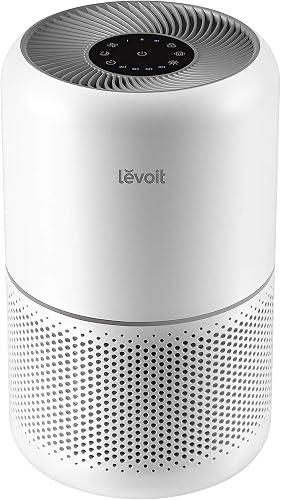
LEVOIT Core 300 Air Purifier H13 HEPA Filter
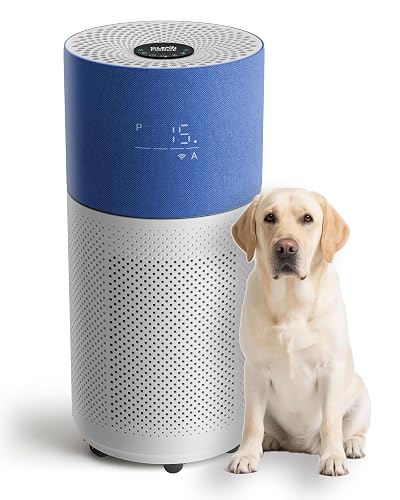
CleanForce Rainbow Series Air Purifier 2,250 ft²
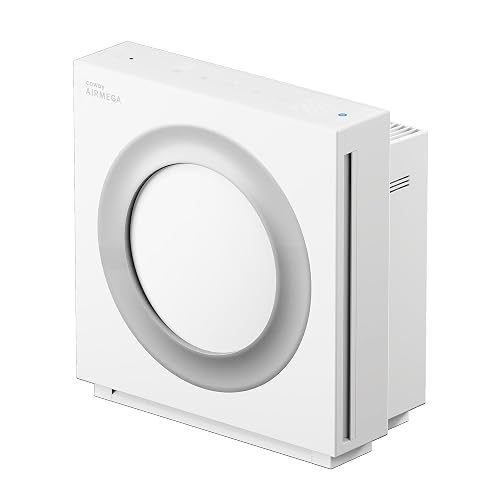
Coway Airmega Mighty2 Air Purifier 1,800 ft²

DREO DR-HAP009 Air Purifier 1,176 ft²
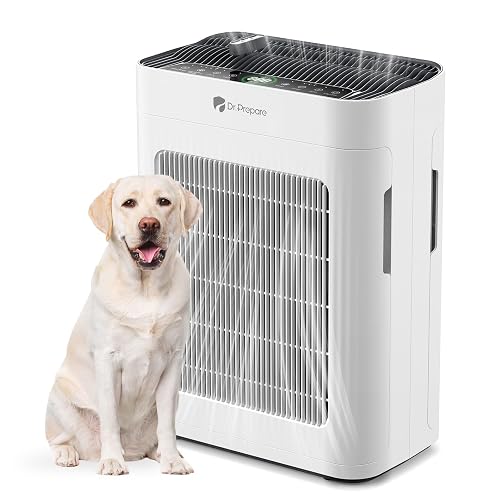
Dr.Prepare Dual-Sided Air Purifier 3,000 ft²
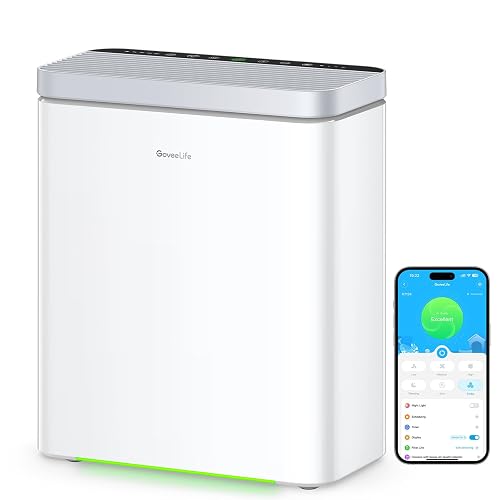
GoveeLife Smart Air Purifier 1,046 ft²
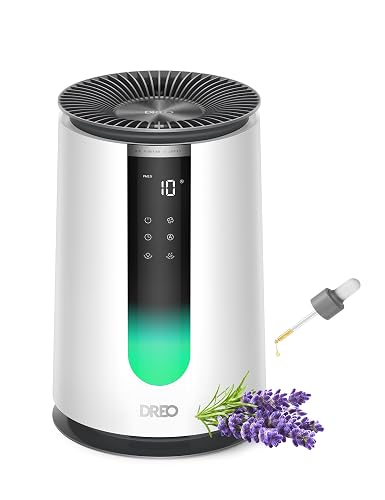
DREO DR-HAP008 Air Purifier with Scent Diffuser
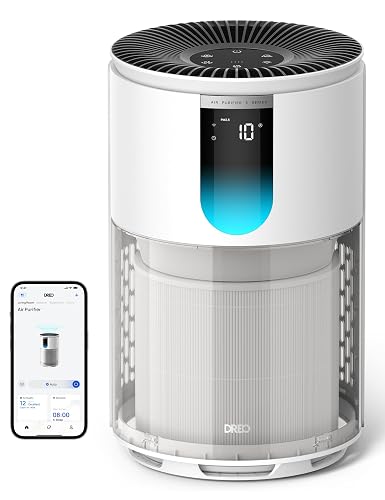
DREO DR-HAP009S Smart Air Purifier 1,176 ft²
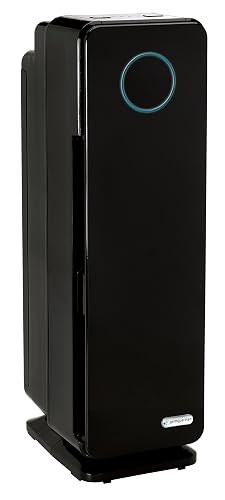
GermGuardian AC4300BPTCA HEPA Tower Purifier
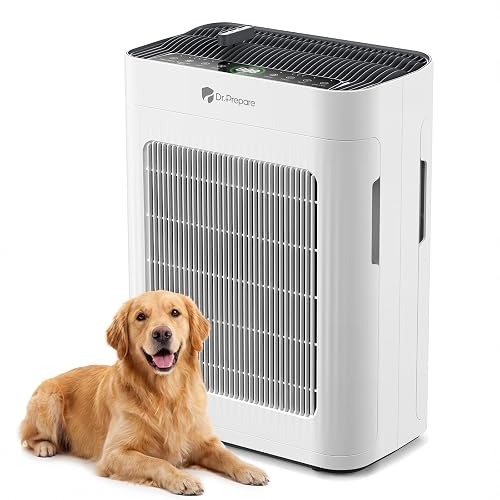
Dr.Prepare 3,000 ft² Air Purifier 20dB Sleep Mode
Inside Each Recommended Option
The LEVOIT Core 300 is the kind of unit that slots onto a nightstand without complaint. Its three-stage filtration pairs a pre-filter, a true H13 HEPA layer (HEPA stands for High-Efficiency Particulate Air, capturing 99.97% of particles down to 0.3 microns), and an activated carbon sheet, which together pull dust, pollen, dander, and light household odors out of circulation. Coverage scales up to roughly 1,073 square feet at one air change per hour, so a typical bedroom clears in a matter of minutes.
For most bedrooms, the standout story is the 24 dB sleep mode, which is library-quiet and won’t compete with a white noise machine. You also get a timer and a filter indicator that tells you when a swap is due, so ownership stays low-fuss. The compact cylinder does not dominate a small room, and the white finish blends into most decor without looking clinical.
A Few Strong Suits
- H13 true HEPA media captures fine asthma triggers including pollen, mold spores, and pet dander.
- AHAM Verifide ratings confirm independent lab testing of clean-air delivery performance.
- Sleep mode drops output to around 24 dB, which is gentle enough for light sleepers and nurseries.
- Activated carbon stage tackles light cooking and pet odors that often aggravate airways.
- Replacement filters are widely available and simple to swap with no tools required.
Things To Consider
- Coverage is generous on paper but optimized for bedrooms and small living areas, not open-plan floors.
- No smart connectivity, so you handle scheduling through the onboard buttons rather than an app.
Feature Snapshot
Who It Suits Best
Anyone managing nighttime asthma symptoms in a bedroom or small nursery, especially first-time purifier owners who want a quiet, set-and-forget unit.
Consider Something Else When
The CleanForce Rainbow Series suits you better if you need to cover a wide living area or open-concept floor plan where a single Core 300 would struggle to keep up.
The CleanForce Rainbow Series shows up when square footage climbs past what a bedroom-sized unit can handle. Its H13-grade HEPA media and activated carbon layer sit behind a multi-stage airflow design that pushes serious cubic feet per minute through the filter, with manufacturer-listed CADRs of 290 CFM for dust, 282 CFM for smoke, and 327 CFM for pollen (CADR, or Clean Air Delivery Rate, is the standard measure of how quickly a purifier removes specific particles from a room). That kind of throughput matters in living areas where asthma triggers accumulate fast.
You also get app control and Alexa compatibility, which lets you toggle fan speed or check air quality from the couch. The blue chassis feels more like a piece of furniture than a clinical appliance, and the carry handle makes repositioning between rooms less of a chore. For open layouts, this is the workhorse of the list.
Key Advantages
- Manufacturer-reported CADR figures (Dust 290, Smoke 282, Pollen 327 CFM) are some of the highest on this list.
- H13-grade HEPA plus activated carbon tackles both fine particles and stubborn household odors.
- Wi-Fi app and Alexa control make it easy to adjust settings without walking across the room.
- Up to 2,250 ft² coverage in a single pass, which is well beyond the other large-room options.
Worth Noting
- At higher fan speeds, owners commonly report a noticeable hum that may compete with conversation in a quiet room.
- The larger chassis requires floor space and is not as discreet as the LEVOIT Core 300 in a small bedroom.
- Filter replacements are a recurring cost worth factoring into long-term ownership.
Right Fit For
Large living areas, basements, and open-plan homes where a single compact unit simply cannot move enough air to keep asthma triggers in check.
Look Elsewhere When
The Dr.Prepare Dual-Sided 3,000 ft² unit fits better if you need maximum coverage and value dual-side intake airflow for extra-wide spaces.
The Coway Airmega Mighty2 is the successor to a long-running fan favorite, and the upgrades show up where they count. It uses a three-stage filtration system built around an IEST-certified HEPA layer and an active carbon block, giving the unit a real shot at both fine particles and gaseous odors. The washable pre-filter catches the bigger stuff, which extends the life of the main filter and keeps long-term costs reasonable.
Coverage runs up to 1,800 ft², and Coway lists CADR figures of 242 (dust), 240 (smoke), and 249 (pollen), which is plenty for most living rooms. Where this unit earns its reputation is the auto mode, which reads the air quality and adjusts fan speed without you touching a thing. Compared with the CleanForce Rainbow Series, the Mighty2 trades some raw CADR for a more refined fit-and-finish and easier filter swaps.
The Upside
- Three-stage filtration with a washable pre-filter cuts down on recurring filter costs.
- Auto mode adjusts fan speed based on real-time air quality readings, so you are not constantly tweaking settings.
- Solid CADR numbers across dust, smoke, and pollen make it a balanced pick for general household use.
- Compact footprint for the coverage it delivers, so it fits in living rooms without dominating the layout.
Trade Offs
- No app or voice control, so all adjustments happen on the unit itself.
- Replacement HEPA filters are pricier than some of the budget-tier options on this list.
Best Suited To
Households that want a polished, set-and-forget unit for a living room or primary bedroom and do not need smart-home integration.
Skip It When
The DREO DR-HAP009S Smart Air Purifier fits better if Wi-Fi control and PM2.5 monitoring through an app are non-negotiable for your routine.
The DREO DR-HAP009 leans into the smart side of air purification without pushing the price into premium territory. It carries an AHAM Verifide seal and a manufacturer-listed CADR of 158 CFM, which translates to refreshing a 245 ft² room about every 12 minutes at the higher air-change rate. Coverage stretches up to 1,176 ft², so it lives comfortably in mid-size bedrooms and living areas.
Where it stands out is the front-facing PM2.5 display, which gives you a real-time read on fine particulate matter rather than a vague colored light. Combined with auto mode and four manual speeds, you can step in when readings spike or simply let the unit handle the heavy lifting. The sleep mode keeps things quiet at night, which matters when asthma symptoms tend to flare after dark.
Notable Upsides
- AHAM Verifide with a 158 CFM CADR gives you verified performance instead of marketing claims.
- Built-in PM2.5 monitor shows the actual particulate reading, which is more useful than a generic air-quality indicator.
- Turbo mode kicks in when the air quality drops, which is helpful during cooking or high-pollen days.
- Four speed settings plus auto give you both hands-on and hands-off operation in one unit.
Honest Caveats
- No Wi-Fi or app control on this model, so you monitor readings from the unit’s display rather than your phone.
- Larger than the LEVOIT Core 300, so it needs a bit more placement planning in tighter rooms.
Spec Overview
Made For
Anyone who wants AHAM-verified performance with a real PM2.5 readout and is fine running the unit without phone-based controls.
Not Your Match When
The GoveeLife Smart Air Purifier is a better pick if app and voice control are central to how you manage your home environment.
The Dr.Prepare Dual-Sided unit is built for the kind of rooms other purifiers cannot quite reach. Its dual-sided intake pulls air from both flanks of the chassis, which the manufacturer says roughly doubles the circulation rate compared to single-inlet designs. That makes a real difference in a wide living room, a finished basement, or a loft where air tends to sit in corners and never quite makes it to a single intake grille.
Coverage tops out at 3,000 ft², the largest number on this list, and a washable pre-filter catches pet hair and dust before it reaches the HEPA stage, which is helpful for asthma households with shedding cats or dogs. The PM2.5 display gives you actual numbers rather than a vague indicator, and the pet mode is tuned for the kind of dander and odor cycles that come with multiple animals in shared spaces.
Practical Advantages
- Dual-sided intake delivers noticeably faster air circulation in wide rooms compared to single-inlet designs.
- Washable pre-filter handles pet hair and larger dust before it reaches the main HEPA stage.
- 3,000 ft² coverage is the largest footprint on the list, fitting extra-large living areas and basements.
- Pet mode adjusts fan cycles for the dander and odor patterns that aggravate asthma.
Points To Keep In Mind
- The chassis is bulky, so you will want to plan placement in advance and avoid tight corners.
- Higher fan speeds generate more white noise, which may be a concern in a quiet bedroom.
- No app or voice integration on this model.
Who Should Grab It
Owners of large open-plan homes, finished basements, or households with multiple shedding pets who need maximum throughput.
A Better Fit Elsewhere
The Dr.Prepare 3,000 ft² 20dB Sleep Mode unit is a smarter pick if you need similar coverage but want a quieter overnight experience.
The GoveeLife Smart Air Purifier is the pick for anyone whose home runs on apps and voice assistants. It pairs a 135 CFM CADR with up to 1,046 ft² of coverage, and you control the whole thing from your phone or through Alexa routines. The app also tracks air quality trends over time, which is more useful than a single moment-in-time reading when you are trying to spot patterns tied to asthma symptoms.
In real use, you set schedules, swap fan modes, and check filter life without leaving the couch. The unit also integrates with broader Govee smart-home setups, so you can tie purifier output to other sensors in the same ecosystem. Compared with the DREO DR-HAP009, you trade some CADR for connectivity, which is a fair swap if smart control matters to you.
A Few Highlights
- Wi-Fi app plus Alexa compatibility for hands-free control and scheduling.
- Up to 1,046 ft² of coverage fits mid-size living areas and large bedrooms.
- Filter life tracking through the app takes the guesswork out of replacement timing.
- Quiet enough for overnight use in most bedrooms at lower fan settings.
Small Caveats
- CADR of 135 CFM is lower than the DREO and CleanForce options, so it works best in mid-size rooms.
- Smart features depend on a stable Wi-Fi connection, which may frustrate households with patchy coverage.
Built With In Mind
Smart-home households that want app-driven control, voice integration, and long-term air quality trend tracking in one unit.
Swap It Out When
The Coway Airmega Mighty2 is a better fit if you prefer a no-app, hands-off experience and want a washable pre-filter to cut long-term costs.
The DREO DR-HAP008 is the smaller sibling of the DR-HAP009, and it makes sense in rooms where you want real filtration without giving up half the floor. It carries an AHAM Verifide seal with a 115 CFM CADR, which the manufacturer says refreshes a 178 ft² room about every 12 minutes at the higher air-change rate. For a nursery, guest room, or home office, that is plenty.
It also has a built-in scent diffuser, which is a small but pleasant touch for bedrooms where you want a light aroma alongside cleaner air. Sleep mode keeps the noise floor low, and the four-speed plus auto setup mirrors its larger sibling. The trade-off is coverage: at one air change per hour, it tops out at 309 ft², so this is firmly a small-room unit rather than a living-area workhorse.
What Makes Sense
- AHAM Verifide performance gives you lab-tested numbers instead of vague marketing claims.
- Built-in scent diffuser adds a small aromatic touch without a second device on the nightstand.
- Sleep mode keeps output whisper-quiet, which matters when asthma symptoms flare overnight.
- Compact footprint fits nightstands, dressers, and small desks without crowding the surface.
A Few Limitations
- Coverage is limited to smaller rooms, so it will not keep up in a wide living area.
- The scent diffuser is a nice extra but optional, and some owners prefer unscented air in bedrooms.
Perfect Match For
Small bedrooms, nurseries, and home offices where you want verified HEPA filtration in a unit that disappears into the room.
Reach For A Different Pick When
The LEVOIT Core 300 is a better match if you want slightly more coverage and do not need a scent diffuser on the unit itself.
The DREO DR-HAP009S is the connected version of the DR-HAP009, and it adds the features that smart-home households expect without changing the core filtration story. It shares the same 158 CFM CADR and 1,176 ft² coverage, plus the AHAM Verifide seal, but layers Wi-Fi, voice control, and app-based scheduling on top. For households already running Alexa routines, the integration feels natural rather than tacked on.
The PM2.5 monitor reads to the app, so you can check air quality from another room or pull up a history to see when triggers spike. Sleep mode keeps the unit quiet enough for bedrooms, and the auto mode still reacts to airborne particles without manual adjustment. Compared with the GoveeLife Smart Air Purifier, the DR-HAP009S brings higher CADR to the same smart feature set, which matters if you need both connectivity and stronger throughput.
The Good Stuff
- 158 CFM CADR with AHAM Verifide seal delivers verified performance across smoke, dust, and pollen.
- Wi-Fi, voice, and Alexa control for households that prefer phone- and voice-driven routines.
- PM2.5 readings sync to the app, giving you a trend view rather than a single moment’s data.
- Up to 1,176 ft² coverage handles mid-size living rooms and large bedrooms comfortably.
Practical Considerations
- Higher CADR comes with a larger chassis, so placement in a small bedroom needs some thought.
- Some smart features require the app to stay updated, which adds a small layer of upkeep.
Feature Card
Whose Shelf It Belongs On
Smart-home households that want AHAM-verified performance and prefer managing the unit from a phone or voice assistant rather than the onboard controls.
Where Another Pick Suits Better
The GermGuardian AC4300BPTCA is a stronger choice if you want UV-C sanitization on top of HEPA filtration and do not need app control.
The GermGuardian AC4300BPTCA is a 22-inch tower that fits into corners without taking up floor space, which is a quiet advantage in pet-heavy homes where every spare foot tends to be claimed. The 5-in-1 setup pairs a True HEPA filter, an activated carbon stage, a Pet Pure antimicrobial treatment, and a UV-C light aimed at reducing airborne germs as air passes through the chamber.
Coverage is listed at 743 ft², which lands between a bedroom unit and a full living-area workhorse. Three speed settings plus an ultra-quiet mode let you tune the output to the room, and the tower design pulls air in from the sides so it can sit against a wall without choking the intake. For households dealing with cat dander, dog hair, and the odors that come with both, the Pet Pure layer is a meaningful extra.
Useful Strengths
- 5-in-1 filtration adds a UV-C light and Pet Pure antimicrobial treatment to standard HEPA plus carbon.
- Tower form factor saves floor space and tucks neatly into corners or alongside furniture.
- Ultra-quiet mode is gentle enough for overnight use in a small bedroom.
- Three speed settings let you balance noise and cleaning power on the fly.
Some Limits To Know
- 743 ft² coverage is mid-range, so it may struggle in extra-large open-plan rooms.
- UV-C bulb replacement is a periodic maintenance cost to plan for.
- No smart or app-based controls, which may be a miss for connected households.
Who Will Love This
Pet households that want HEPA filtration plus antimicrobial and UV-C stages in a slim, floor-friendly tower.
Where A Sibling Pick Shines
The Dr.Prepare Dual-Sided 3,000 ft² unit fits better if you need much more coverage for a wide open-plan space with multiple pets.
The Dr.Prepare 3,000 ft² 20dB Sleep Mode unit is the quietest large-room option on this list, which is the headline feature for anyone who wants serious coverage without giving up a calm bedroom. It shares the dual-sided intake and washable pre-filter design of its sibling, plus a 177 CFM CADR and a 42.5 W motor that the manufacturer says delivers effective purification across very wide spaces.
The H13 True HEPA filter is paired with an activated carbon stage, so the unit handles both fine particles and odors. The 20 dB sleep mode is barely above a soft whisper, and the AQI display gives you an actual number to glance at before bed. The fragrance slot adds a light optional aroma for those who want it, though the unit works perfectly well without anything added.
Strong Points
- 20 dB sleep mode is among the quietest large-room settings available, which is rare at this coverage level.
- Up to 3,000 ft² coverage fits wide living areas, finished basements, and large primary bedrooms.
- Dual-sided intake plus washable pre-filter extends HEPA life and reduces recurring costs.
- AQI display shows real readings rather than a vague indicator light.
Where It May Fall Short
- The chassis is large, so it needs floor space in advance rather than fitting on a shelf.
- No Wi-Fi or app control on this model.
Key Specs
The Right Fit
Anyone who wants maximum coverage with a near-silent sleep mode and prefers a physical AQI readout over app-based monitoring.
Not Your Match When
The DREO DR-HAP009S Smart Air Purifier is the better pick if you need Wi-Fi and voice control integrated into a smart-home setup.
What Matters Most Before Choosing Air Purifiers For Asthma Triggers
Match Coverage To The Room, Not The Marketing
Manufacturer coverage numbers are calculated at one air change per hour, which is a slow refresh rate aimed at full-room turnover over 60 minutes. People managing asthma often want faster cleaning, so it makes sense to size the unit to a smaller area than the headline number suggests. A purifier rated for 1,000 ft² will clean a 400 ft² bedroom much faster, which matters on high-pollen mornings when symptoms can spike within minutes.
HEPA Grade And Filter Layers
A true HEPA filter is rated to capture 99.97% of particles down to 0.3 microns, which is the size range that includes most pollen, dust mite debris, mold spores, and pet dander. H13 is a step above standard H10 to H12 media and is the common grade on this list. Activated carbon adds a layer for gases and odors, which can matter for cooking smells, smoke, and pet-related smells that irritate airways even when particulates are under control.
Noise, Sleep Mode, And Overnight Use
Bedroom purifiers run for hours at a time, often through the night, so noise floor matters as much as CADR. Look for explicit sleep or night mode dB ratings, ideally in the low 20s, and check that the unit ramps down rather than clicking on and off. A whisper-quiet unit that you can leave running through the night tends to outperform a louder one you end up turning off during flare-ups.
Smart Features And Real-Time Air Readings
PM2.5 displays, app control, and voice integration are not essential, but they make a purifier easier to live with. A real PM2.5 number tells you when air quality is degrading, which helps you decide when to open a window or close it. App-based filter life tracking removes guesswork around replacements, which is one of the most common maintenance oversights in households that let filters run past their service window.
Key Considerations Across These Picks
Common Shopping Slip Ups
The most frequent mistake is matching coverage to the whole home rather than the room where the purifier will actually live. A unit rated for 2,000 ft² placed in a 200 ft² bedroom is overkill, while a bedroom-sized unit in a 1,500 ft² living room will underperform and leave you wondering why your symptoms have not improved. Measure the actual room and pick to that number.
The other slip is ignoring filter replacement schedules. HEPA filters lose effectiveness as they load, and a saturated filter can actually start releasing captured particles back into the air. Plan for a replacement every 6 to 12 months depending on usage, and factor that recurring cost into the long-term ownership picture before settling on a model.
Where The Extra Money Goes
Spending up typically buys stronger airflow, smarter sensors, and quieter operation. Higher CADR means the unit cycles room air more often per hour, which translates to faster relief on bad-air days. PM2.5 displays, auto modes, and app integration add everyday convenience that makes the unit more likely to stay on and stay tuned. Quieter sleep modes tend to live in the higher tier, which matters if you need overnight use without disturbance.
Frequently Asked Questions
How Often Should I Run An Air Purifier For Asthma?
Continuous operation is generally recommended during high-trigger seasons, since asthma triggers accumulate whenever windows are open, pets are active, or cooking is happening. Running the unit on low overnight and ramping up during the day is a common pattern that keeps baseline particle counts down without overworking the filter.
Can An Air Purifier Replace Asthma Medication?
No. Air purifiers reduce airborne triggers but do not treat asthma itself. They are a complementary tool that works alongside prescribed medication, allergen avoidance, and guidance from a healthcare professional. The units on this list target particles in the air, not the underlying condition.
What Size Room Will A 1,000 ft² Purifier Cover?
A 1,000 ft² rating is measured at one full air change per hour, which is the slow end of the scale. For asthma households, sizing the unit to roughly one-third of the rated coverage gives a faster three-air-changes-per-hour rate, which is more useful for bedrooms and primary living areas where you spend the most time.
Are UV-C Lights Worth The Extra Cost?
UV-C lights can reduce certain airborne microorganisms as air passes through the chamber, but the effect on asthma triggers specifically is less direct than HEPA filtration. The GermGuardian AC4300BPTCA is the one unit here with this stage, and it makes sense for pet-heavy households that want the extra layer for odors and germs in addition to standard HEPA performance.
How Do I Know When To Replace The Filter?
Most modern purifiers have a filter life indicator, either on the unit or in the companion app, that estimates remaining service life based on runtime and fan speed. As a general rule, plan on a HEPA replacement every 6 to 12 months under normal use, sooner in homes with shedding pets or heavy cooking smoke. A drop in airflow or a return of noticeable odors is usually a sign the filter has reached the end of its useful life.
Closing Remarks
The right air purifier for asthma triggers comes down to matching coverage and noise to the room where you spend the most time, and choosing a filter grade that actually pulls the particles you react to out of circulation. Start with the bedroom, since that is where most people feel the biggest difference, and add a larger unit for the main living area if the budget allows. Breathing easier is a daily return that adds up fast, and the picks above give you a real path to get there.