
Living with asthma means a lot of small, mostly invisible choices every day: whether to crack a window on a high-pollen afternoon, how often to swap a bedroom filter, which room to retreat to when wildfire smoke rolls in. The right purifier quietly takes one of those choices off your plate. This roundup walks through ten HEPA-based options built for bedrooms, open-plan living areas, and everything in between, with a focus on real filtration, sensible coverage, and noise levels that won’t keep you up at night.
The Shortlist At A Glance

DREO Air Purifier for Home DR-HAP009, 1176 ft²
ECOSELF HAP602 Air Purifier for Large Room, 2400 ft²
Jafanda HEPA Air Purifier for Large Room, 1090 ft²
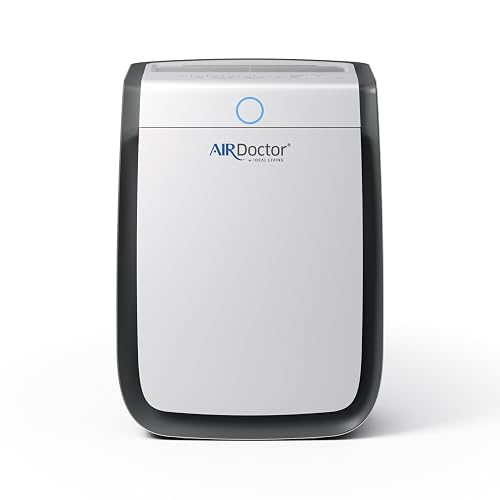
AIRDOCTOR AD3500 UltraHEPA Air Purifier, 2520 ft²
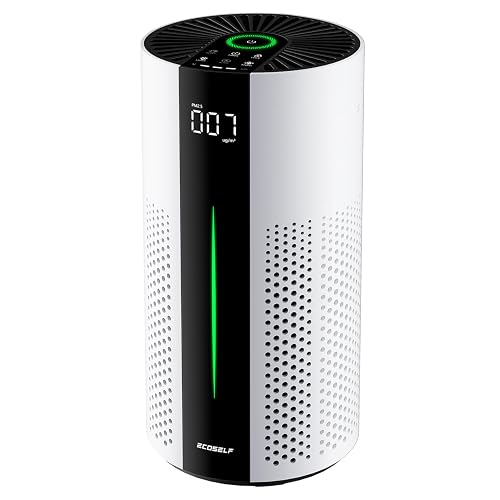
ECOSELF Air Purifier for Home Large Room, 1800 ft²
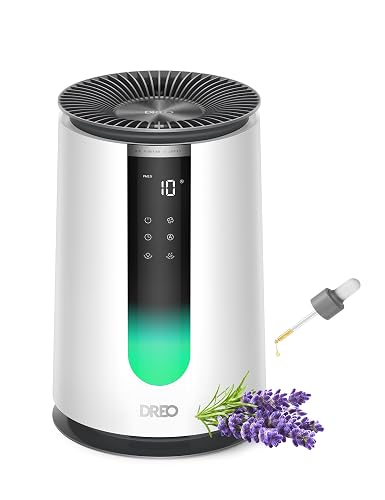
DREO Air Purifier for Home DR-HAP008, Bedroom
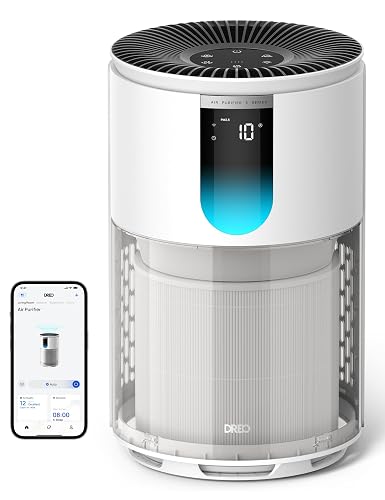
DREO Smart Air Purifier DR-HAP009S, Wi-Fi

AIRDOCTOR AD4000 UltraHEPA Air Purifier, 2776 ft²
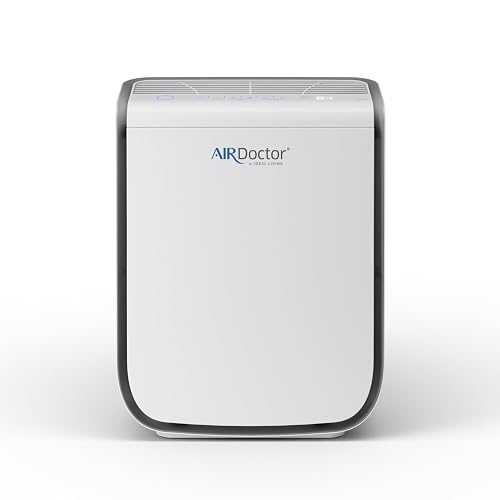
AIRDOCTOR AD2000 UltraHEPA, Small/Medium Rooms

Rabbit Air A3 SPA-1000N HEPA Air Purifier, White
A Deeper Look At The Lineup
The DREO Air Purifier for Home DR-HAP009 is the kind of workhorse that fits naturally in a primary bedroom or a busy living room. Its 1176 sq ft ceiling gives you real flexibility: one unit can handle a master suite without breaking a sweat, and a 158 CFM clean air delivery rate keeps air turnover honest in mid-sized open layouts. The PM2.5 monitor reads in real time, so you can see the bedroom calm down after dinner or spike when you walk in from a wildfire-smoke afternoon.
Compared with the smaller DREO DR-HAP008 further down the list, this model trades a slimmer profile for stronger airflow and a wider cleaning radius. For asthma households running the unit overnight, that headroom matters: the fan doesn’t need to redline to keep the room fresh, which helps the sleep mode stay genuinely quiet.
What Works In Its Favor
- 158 CFM Clean Air Delivery Rate (CADR) supports faster air turnover in rooms up to roughly 245 sq ft on the most aggressive setting.
- Four speeds plus an Auto mode react to PM2.5 shifts, so cooking smoke or pollen spikes trigger a quicker response without you lifting a finger.
- Sleep mode drops output low enough for light sleepers, and the dimmed display avoids the bedroom glow that wakes some people up.
- The Turbo option is genuinely useful on bad-air days when you want to clear a room quickly before settling in for the night.
Things To Consider
- Replacement filter cost is the ongoing line item to track, since HEPA media needs swapping roughly every six to twelve months depending on use.
- At max speed, the fan is audible enough that you’ll likely keep it in Auto or Sleep for daily bedroom use.
Key Specs
Who It Suits Best
Anyone running a primary bedroom between 200 and 400 sq ft who wants verified performance and a real Auto mode that doesn’t require babysitting.
Look Elsewhere When
Your priority is whole-home coverage above 1500 sq ft; in that case the AIRDOCTOR AD4000 handles the scale more comfortably.
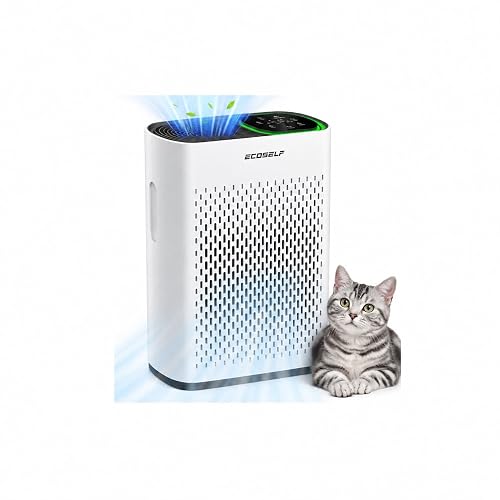
Step up to a great room or a finished basement and most purifiers start to feel underpowered. The ECOSELF HAP602 is built for that scale, claiming coverage up to 2400 sq ft in roughly half an hour of operation. The 360° airflow design pulls in dirty air from every direction, which matters in a wide-open space where a single-sided unit would leave corners untouched.
For asthma households, the real draw is the combination of a True HEPA stage with a touch display and a 20 dB sleep mode. The display gives you a real-time PM2.5 reading you can glance at across the room, and the sleep setting keeps things bedroom-friendly even though the unit is rated for spaces far larger than a typical sleeping area.
What Makes Sense
- 360° intake catches air from behind furniture and around room dividers where a single-sided grille would miss it.
- The PM2.5 indicator shifts colors as air quality changes, giving a quick read without parsing numbers.
- 20 dB sleep mode is genuinely quiet for light sleepers, even with a unit this large.
- Auto mode ramps the fan up only when the sensor detects a real change, saving energy overnight.
Worth Noting
- Its physical footprint is larger than a typical bedroom purifier, so placement in a tight nursery or small office can be awkward.
- The pre-filter and HEPA stages need regular vacuuming and eventual replacement, a routine worth budgeting time for.
Best Suited To
Households with a single large living area or a finished basement that needs one unit to do the work of two smaller machines.
Consider Something Else When
You only need to cover a single bedroom under 250 sq ft; the DREO DR-HAP009 will run more quietly and cost less to operate long-term.
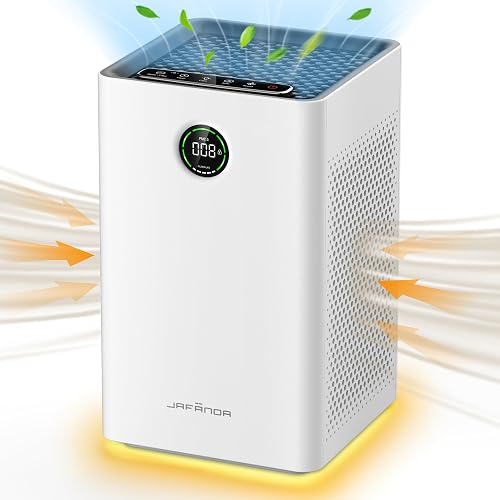
Pet owners know that asthma triggers don’t stop at dander. The Jafanda JF260 pairs a True HEPA layer with a 300g activated carbon filter, which is the part doing the quieter work: absorbing the household odors and volatile compounds that pure particle filters can leave behind. The PM2.5 display and a soft night light make it a comfortable fit for a bedroom shared with a cat or a small dog.
Coverage tops out around 1090 sq ft, putting it in the same general league as the DREO DR-HAP009 but with a heavier carbon stage. For an apartment where a litter box or pet bed sits in the same room as your sleeping space, that extra carbon weight can make a noticeable difference in the first few minutes after a pet walks in.
Practical Pluses
- The 300g carbon filter is heavier than the average carbon stage, so it absorbs more odor molecules before saturating.
- True HEPA plus carbon means both particles and gaseous compounds are addressed in a single pass.
- Night light mode is dim enough to avoid disturbing sleep while still useful for navigating a dark hallway.
Trade Offs
- Carbon filters typically have a shorter life than the HEPA layer, so expect to track two replacement schedules.
- On the highest fan setting, the unit is louder than smaller bedroom purifiers, so Auto mode becomes the practical default.
Who Should Grab It
Pet households where dander and lingering odors both trigger symptoms, especially in studio or one-bedroom layouts.
Skip It When
You share walls with smokers or live in heavy wildfire zones; the AIRDOCTOR AD3500’s deeper carbon and UltraHEPA stages handle that load better.
The AIRDOCTOR AD3500 leans on the brand’s UltraHEPA media, which is rated to capture particles down to 0.003 microns, a meaningful step beyond the 0.3-micron standard HEPA threshold. For asthma households dealing with wildfire smoke, fine dust, or industrial pollutants, that finer net is the headline feature. The premium carbon stage also takes on smoke odor, which the lighter carbon layers in budget units often miss.
Compared to the ECOSELF HAP602, the AD3500 trades raw square footage for finer particle capture in a similar coverage bracket. If you live in a city with regular air quality alerts, that finer filtration does more daily work than a slightly larger room rating.
Where It Delivers
- UltraHEPA captures particles 100x smaller than the standard threshold, including the fine smoke fragments that linger after a wildfire.
- Coverage up to 2520 sq ft means a single unit can handle a large open-plan main floor.
- The dual carbon and HEPA setup addresses both smoke odor and particulates in one housing.
Points To Keep In Mind
- Replacement UltraHEPA filters cost more than standard HEPA media, so the long-term filter budget is a real line item.
- The unit is on the heavier side, so you won’t want to relocate it between rooms every week.
Quick Facts
Made For
Households in regions with frequent wildfire smoke or industrial pollution who need finer filtration than standard HEPA offers.
Not Your Match When
You only need to cover a single bedroom; the AIRDOCTOR AD2000 is purpose-built for that smaller scale.
The second ECOSELF on this list sits in a sweet spot for households who want serious coverage without stepping into premium pricing. Its 1800 sq ft ceiling and 360° intake give it the same airflow shape as the larger HAP602, scaled down for tighter budgets. The built-in PM2.5 sensor keeps Auto mode honest, ramping the fan only when the air actually changes.
For most asthma households, the trade-off comes down to filter depth. Where the AD3500 brings hospital-grade media, this ECOSELF relies on a more conventional True HEPA layer, which handles everyday pollen, dust, and pet dander very well, but doesn’t capture quite as much ultra-fine smoke.
Noteworthy Benefits
- Wide coverage at a friendlier price than the larger UltraHEPA models.
- 360° intake pulls air from every direction, useful in rooms with unusual layouts.
- Auto mode responds to PM2.5 shifts without manual adjustment.
Some Limits To Know
- Standard HEPA media, not UltraHEPA, so very fine smoke particles may slip through during heavy events.
- Lacks a smart app, so all control happens on the unit itself.
Right Fit For
Mid-sized homes that need a single large-room unit and would rather spend on coverage than on the deepest filtration tier.
A Better Fit Elsewhere
You deal with regular wildfire smoke; the AIRDOCTOR AD3500’s UltraHEPA media earns its higher cost in that scenario.
For a small-to-medium bedroom, you usually don’t need a unit that can cover a great room. The DREO DR-HAP008 is the brand’s compact play, with a 115 CFM CADR and a sleep-tuned fan curve. It also adds a small scent diffuser pad, a quiet extra that lets you pair the unit with a familiar essential oil without overpowering the room.
Versus its larger sibling, the DR-HAP009, this model scales coverage down rather than features, keeping the AHAM-verified performance and PM2.5 monitor. Asthma households using a single bedroom unit will appreciate that it focuses on the spaces where you spend the most hours.
Useful Touches
- Compact footprint fits neatly on a nightstand or a small shelf without dominating the room.
- AHAM-verified CADR gives the spec sheet some independent weight.
- The optional scent pad is a small comfort addition without changing the core filtration.
Potential Drawbacks
- Not the right tool for open-plan living areas or rooms above roughly 350 sq ft.
- Only four speeds, so the step between mid and high can feel abrupt for some listeners.
Perfect Match For
Singles or couples running the unit in a primary bedroom, where its quieter profile and smaller body pay off nightly.
Reach For A Different Pick When
You want to treat a living room and bedroom with one unit; the DREO DR-HAP009S handles both spaces without redeploying hardware.
The DREO Smart Air Purifier DR-HAP009S takes the same 158 CFM core as the DR-HAP009 and wraps it in a connected package: Wi-Fi, voice assistant integration, and an app for schedules and live readings. For households already running a smart home, that means the air purifier can react to a sleep routine, a cooking scene, or a pollen alert without anyone touching it.
The connected features don’t change the core filtration story, which is the same 1176 sq ft HEPA setup you’d get in the non-smart version. For asthma sufferers, the practical win is the schedule and remote control: you can drop the fan speed from your phone when a coughing fit starts at night, without leaving the bed.
A Favorable Mix
- App control means you can adjust speed, mode, and schedules from another room or offsite.
- Voice control fits households that already use smart speakers for the rest of their routines.
- Filter life reminders arrive through the app, which helps avoid forgotten replacements.
Honest Caveats
- The connected features add cost that doesn’t improve filtration, only convenience.
- Setup requires a 2.4 GHz Wi-Fi network and a quick account pairing, which not every household wants to take on.
Whose Shelf It Belongs On
Smart-home households who want their air purifier to join existing routines and remote control setups.
Swap It Out When
You rarely use a smartphone for home controls; the standard DREO DR-HAP009 offers the same core performance without the app overhead.
The AIRDOCTOR AD4000 is the brand’s largest living-area unit, rated up to 2776 sq ft with the same UltraHEPA and premium carbon pairing as the AD3500. The bigger housing supports faster turnover in truly open spaces: great rooms, finished basements, and studio-style apartments where one unit has to do the work that two smaller purifiers would handle.
For asthma households with a basement rec room or a lofted main floor, the AD4000’s value comes from consolidating coverage. The UltraHEPA stage still hits that 0.003-micron threshold, so fine smoke and combustion particles face the same wall they’d hit in the smaller AD3500.
Bright Spots
- Largest coverage in this roundup, suitable for whole-floor layouts.
- UltraHEPA plus premium carbon tackles fine particulates and smoke odor in one pass.
- One unit replaces two mid-sized purifiers, simplifying filter tracking.
Where It Is Less Suited
- The premium filter replacements are the priciest in this list, so the long-term cost is real.
- On lower speeds, the larger fan takes longer to drop into true bedroom-quiet operation than the compact models.
Built With In Mind
Large households with open-plan living areas or finished basements that need serious, single-unit coverage.
Where A Sibling Pick Shines
You only need bedroom-grade coverage; the AIRDOCTOR AD2000 hits the same UltraHEPA standard in a smaller, quieter housing.
The AIRDOCTOR AD2000 is the smaller cousin of the AD3500, built for nurseries, home offices, and small bedrooms. It keeps the brand’s three-stage design: a pre-filter for larger particles, the UltraHEPA layer for fine particles, and a carbon/VOC stage for odors and gases. Rated up to 1220 sq ft, it sits in that practical bedroom-to-apartment zone where most asthma households do their heaviest breathing.
Versus the larger AIRDOCTOR models, the AD2000 is easier to live with in tighter rooms, lighter to move, and noticeably quieter on its lower settings. For households running a unit in a child’s bedroom or a small home office, the trade-off against the AD3500 is mostly about coverage, not filtration quality.
What Stands Out
- UltraHEPA at a bedroom-friendly size, the rarest combination in this roundup.
- Three-stage design including a carbon/VOC layer for odor control.
- Small enough to relocate between a bedroom and a home office without much effort.
Small Caveats
- Filter replacements are still AIRDOCTOR-priced, so the long-term cost is higher than some budget units.
- On Turbo mode in a very small room, the airflow can feel noticeable; Auto mode helps here.
Who Will Love This
Households that want UltraHEPA-grade filtration in a single bedroom or a small home office, especially in nurseries where finer particle capture matters.
Not Your Match When
You need to treat a large open-plan space; the AIRDOCTOR AD3500 or AD4000 handle that workload more directly.
The Rabbit Air A3 SPA-1000N is the roundup’s design-led option, with a wall-mountable body and a customizable multi-stage filter that you can tailor to your home’s specific air. The white housing reads more like a piece of furniture than a typical purifier, which matters in living spaces where a clunky box would feel out of place. It also runs at around 20 dBA on the lowest setting, a useful range for sensitive sleepers.
Versus the AIRDOCTOR AD2000, the A3 trades UltraHEPA for a more configurable filter architecture. For asthma households that need to address specific irritants (pet dander, pollen, smoke), that customization can be a real advantage, as long as you’re willing to think about which filter stage you actually need.
Benefits That Matter
- Customizable filtration lets you match the filter to your home’s primary triggers, pet dander included.
- Wall-mountable design frees up floor space in small bedrooms and nurseries.
- Low-end noise around 20 dBA is genuinely bedroom-quiet for light sleepers.
Points To Weigh
- Specialty filters cost more than standard replacement media, so the long-term budget is a real line item.
- Customization means more upfront decisions: choosing the right filter stage for your air quality situation takes some research.
Feature Snapshot
The Right Fit
Households that want a quieter, more design-forward purifier and are willing to invest in a tailored filter setup.
Skip It When
You want a set-and-forget unit; the DREO DR-HAP009’s simple Auto mode requires less hands-on tuning.
What Matters Most Before Choosing Air Purifiers For Asthma
Match The Coverage To Your Real Room
Square footage ratings on air purifiers are not all calculated the same way. Some list the area cleaned in one hour at a low air change rate, others list a faster turnover. For asthma households, a useful rule is to size the unit for the largest room you actually run it in, not the total square footage of your home. A primary bedroom typically needs 200 to 400 sq ft of coverage; a living room often needs 400 to 800. Undersizing forces the fan to run flat-out, which raises noise and shortens filter life.
Look At Filter Depth, Not Just The HEPA Label
Standard HEPA captures particles down to 0.3 microns, which covers most pollen, dust, and dander. UltraHEPA media, like the AIRDOCTOR line, goes finer, down to 0.003 microns, which matters most during wildfire smoke or heavy pollution events. Carbon stages vary widely in weight and density; heavier carbon (around 300g) absorbs more odor molecules before saturating. For asthma triggered by smoke or strong smells, filter depth is often more useful than raw CADR.
Noise Level Dictates Real-World Use
A purifier only helps if you actually leave it running. Sleep mode matters more than peak CADR for most bedrooms, and a unit that’s loud at mid-speed will get turned off by someone in the house. Look for ratings in decibels at the lowest setting, ideally under 25 dB for bedrooms, and assume the published numbers are best-case, measured in controlled conditions.
Plan For Filter Replacements
Every HEPA purifier needs fresh media on a regular schedule, typically every 6 to 12 months. The ongoing filter cost varies widely between brands and filter types, so factor that into the decision rather than focusing on the unit’s upfront price. Models with app reminders help, but a paper calendar works just as well.
Key Considerations Across These Picks
Common Shopping Slip Ups
The most frequent mistake is buying a purifier rated for the whole home and expecting it to clean a closed bedroom. Coverage ratings assume air can move freely, and closed doors limit that movement. A second pitfall is trusting CADR alone without checking whether the unit is AHAM-verified, which adds an independent layer of credibility to the spec. Watch for filters that look identical between models but carry very different price tags; specialty media like UltraHEPA costs more to replace, and the long-term filter budget can quickly outpace the unit’s price difference.
Where The Extra Money Goes
Higher-tier models like the AIRDOCTOR AD4000 and Rabbit Air A3 put their premium into deeper filtration, larger housings, and quieter fans. The UltraHEPA media captures particles smaller than standard HEPA, which pays off during wildfire season or in dense urban air. Quieter fans, larger carbon stages, and customizable filter architecture cost more to engineer, but for households where symptoms are severe, the upgrade is often worth the upfront stretch.
Frequently Asked Questions
Do HEPA Air Purifiers Really Help With Asthma Symptoms?
Yes, in most homes. HEPA media captures the airborne particles that commonly trigger asthma, including pollen, dust, pet dander, and fine smoke fragments. The benefit shows up gradually as bedroom air quality stabilizes over days and weeks of consistent use.
How Often Should Filters Be Changed In An Asthma Household?
Most HEPA filters last six to twelve months, but asthma households running the unit more aggressively often shorten that to four to six months. Carbon layers tend to need replacing sooner than HEPA media, especially in homes with pets or smokers.
Is A Higher CADR Always Better?
Higher CADR means faster air turnover, which is useful in larger rooms. For a small bedroom, an oversized CADR just means the fan rarely has to work hard, which can keep noise low. The right CADR matches the room size rather than exceeding it dramatically.
Can One Purifier Handle Multiple Rooms?
Only if the rooms share open air and the unit is sized for the combined area. Closed doors and hallways reduce airflow enough that two smaller purifiers, one per room, often do better work than one large unit trying to cover both.
Where Should The Purifier Sit In A Bedroom?
The most effective spot is a few feet off the ground, away from walls and curtains that block intake. Nightstand height works well, and putting it across the room from the bed (rather than right next to your head) keeps the airflow from drying your sinuses overnight.
Wrap Up
The best air purifier for asthma is the one sized to the room where you spend the most hours, with a filter depth that matches your specific triggers. For most households, that means a verified True HEPA unit for the bedroom and a larger, more capable purifier for shared living spaces. Start with the room you sleep in, run it consistently, and let the air quality monitor tell you when the system is working.