
Bronchitis leaves lungs cranky and reactive, and the air around you quietly shapes how those flare-ups feel. Pet dander, dust, wildfire smoke, and everyday household aerosols all ride straight to irritated airways. The right HEPA purifier trims that load between sleep and dinner, giving your respiratory system less to fight.
I pulled together seven options that span small bedrooms to open-plan living areas, each with the certified particle capture that matters for sensitive lungs. Every pick is sized honestly to the space you live in, with the noise and maintenance trade-offs spelled out in plain language.
The Shortlist At A Glance
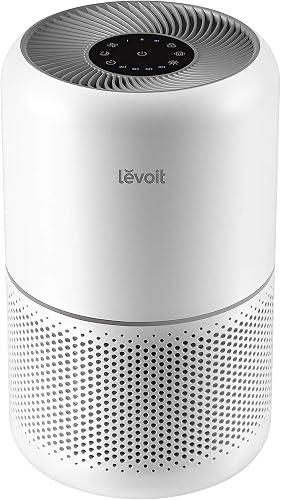
LEVOIT Core 300-P Air Purifier, H13 HEPA, White

DREO DR-HAP009 Air Purifier for Large Rooms, 1176 ft²
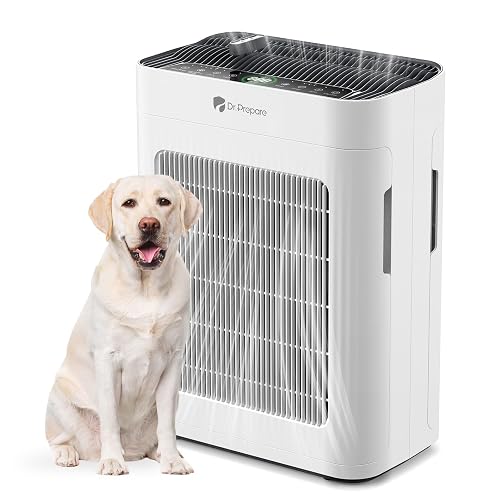
Dr.Prepare Air Purifier for Large Rooms up to 3,000 ft²
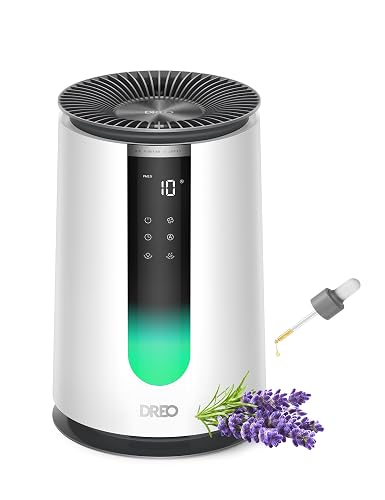
DREO DR-HAP008 Air Purifier with Scent Diffuser
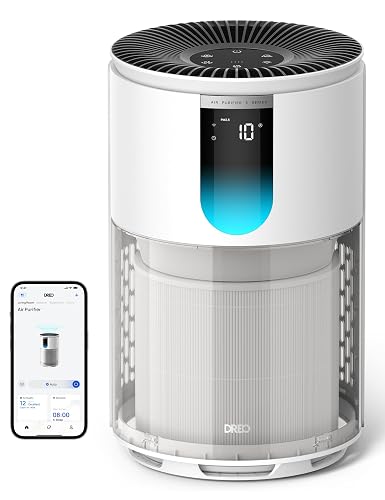
DREO DR-HAP009S Smart Air Purifier, Wi-Fi and Voice
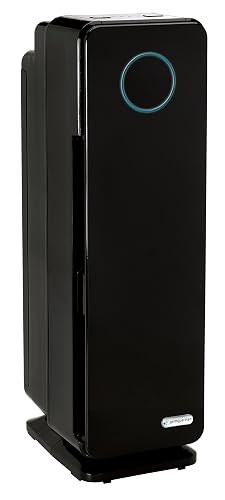
GermGuardian AC4300BPTCA 5-In-1 HEPA Tower, Black
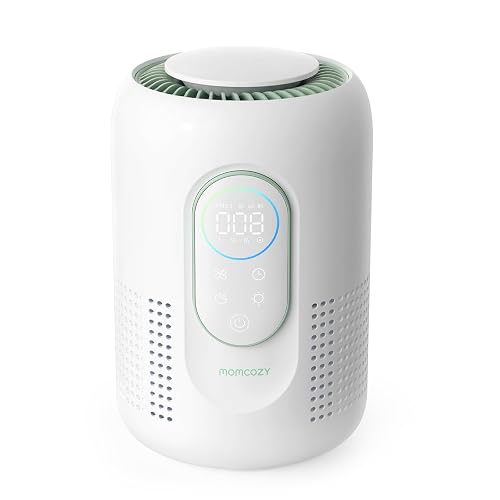
Momcozy Air Purifier for Bedroom with Night Light
Inside Each Recommended Option
The LEVOIT Core 300-P sits in that sweet spot most shoppers actually need: a small tower that disappears next to a nightstand yet covers rooms up to 1,073 square feet according to the brand. Its H13 True HEPA filter captures fine particles including dust, smoke, and pollen, which is exactly the irritant mix that aggravates bronchial passages during recovery.
A 24 dB sleep mode keeps it from competing with your breathing at night, and the compact cylinder is light enough to shift between the bedroom and the home office. Owners commonly report that the carbon pre-filter helps with cooking odors drifting in from the kitchen, a small but real bonus when you’re trying to keep irritants down.
Features That Help
- H13 True HEPA media targets particles down to 0.3 microns, the size range that reaches deep into airways
- 24 dB sleep setting keeps the unit unobtrusive during overnight recovery
- Up to 1,073 ft² coverage means one unit can serve most apartments
- Lightweight cylinder form factor moves easily between rooms as your symptoms shift
Trade Offs
- Replacement filters are an ongoing cost owners commonly mention
- Lacks a built-in PM2.5 readout, so you have to trust the cycle rather than see the numbers
Who It Suits Best
Someone recovering from a bronchitis flare who wants a quiet, dependable unit for a primary bedroom and possibly a small living area.
A Better Fit Elsewhere
For a large open-plan loft, the Dr.Prepare 3,000 ft² model will move noticeably more air in a single pass.
The DREO DR-HAP009 is the pick when your living space swallows up the square footage. Rated for up to 1,176 square feet, it tackles the open-concept living-and-kitchen layouts where cooking aerosols and pet dander mix freely. A PM2.5 monitor, the same scale used in air quality reports, shows real-time particle levels on the front panel, a small detail that matters when you’re trying to gauge whether the air is actually improving.
Four fan speeds and an auto mode let the unit react on its own, scaling up as smoke or pollen climbs. A turbo mode is there for the moments you want a fast sweep after vacuuming or a fireplace burn. Compared with the LEVOIT Core 300-P, this one is louder at top speed but trades that for visible air quality data, which some households find reassuring.
Noteworthy Benefits
- PM2.5 display turns invisible air quality into a number you can watch trend down
- Auto mode adjusts fan speed as particle load changes through the day
- Turbo mode delivers a fast sweep after cooking or vacuuming
- 1,176 ft² rating handles open living-and-dining combos with one unit
Points To Note
- Top speeds are noticeably louder than the bedroom-sized DREO below
- Larger footprint, so finding a discreet corner placement takes planning
Made For
Households with open layouts, pets, or regular cooking who want a real-time readout to confirm the air is clearing.
Skip It When
For a tight nursery, the Momcozy picks up far less floor space and runs quieter at night.
The Dr.Prepare is the brute of the roundup, built for homes where one little tower simply cannot keep up. A dual-sided air inlet pulls from both sides at once, which the brand says roughly doubles the air movement compared with single-inlet models. That translates to faster particle turnover in basements, finished attics, or open main floors where bronchitis sufferers spend long stretches.
The washable pre-filter is a quiet money-saver over the long run, since the larger particles get caught before they hit the more expensive HEPA stage. A dedicated pet mode and a PM 2.5 display round out the controls. The honest read is that this is overkill for a 200-square-foot bedroom, but for a large ranch or loft it pulls its weight.
Everyday Perks
- Dual-inlet design accelerates air circulation in big rooms
- Up to 3,000 ft² rating covers most finished basements and main floors
- Washable pre-filter extends the life of the main HEPA stage
- Pet mode tunes the cycle for dander-heavy households
Honest Caveats
- Physically large, so placement options are limited in tight rooms
- Higher fan speeds produce noticeable white noise that may bother light sleepers
Best Suited To
Anyone with a large open floor plan, finished basement, or multi-room coverage need who wants fewer units doing the work.
Another Choice May Suit
For a single bedroom, the LEVOIT Core 300-P is quieter and easier to tuck out of the way.
The DREO DR-HAP008 trims down to the scale most bedrooms actually need. The brand rates it for up to 178 square feet at 4.8 air changes per hour, which is the more useful number for a sensitive sleeper than a single-pass coverage claim. A PM2.5 monitor, auto mode, and four speeds sit on the front, and a small scent diffuser slot lets you add a drop of essential oil when congestion has you craving eucalyptus.
Compared with the larger DREO 539 above, the 338 trades raw coverage for a much smaller footprint. The trade-off shows up in bigger rooms where it would struggle to keep up, but in a nursery or modest primary bedroom, it hums along without complaint.
Well-Handled Touches
- Built-in scent slot offers a light aroma option during congestion
- PM2.5 display keeps a real number in view overnight
- Auto mode ramps up only when the air quality actually drops
- Compact body fits nightstands, dressers, and small corners
Soft Spots
- Coverage drops fast in rooms over 200 square feet
- Adding oils to the diffuser requires regular cleaning of the pad to avoid buildup
The Right Fit
Small-to-medium bedroom dwellers who want a real PM2.5 number and a touch of aromatherapy in one device.
Look Elsewhere When
For a connected setup with app and voice control, the DREO DR-HAP009S is the better match.
The DREO DR-HAP009S takes the large-room 539 platform and wires it into the rest of your home. Wi-Fi connectivity and voice control let you bump the fan from the couch when smoke rolls in, or check air quality from another room entirely. That hands-off control is a real quality-of-life gain during a bronchitis spell, when getting up to fiddle with buttons feels like more work than it should.
The PM2.5 monitor, auto mode, and turbo settings carry over from its sibling above, so the core air-cleaning function is identical. What changes is the daily workflow, since you can schedule cycles, set geo-fences, and integrate the unit with the rest of your smart-home setup. Same story with the filter story: owners should plan on replacements to keep performance steady.
The Practical Payoff
- App and voice control reduce physical interaction during low-energy days
- Scheduling automates the day-and-night cycle without daily button presses
- PM2.5 readout syncs to the app, so you can check air quality from bed
- Auto and turbo modes carry over from the proven 539 platform
Things To Weigh
- Smart features only earn their keep if you already use a smart-home ecosystem
- Wi-Fi setup adds one more account and password to manage
Who Will Love This
Smart-home households that want a large-room purifier they can automate and check from a phone.
Reach For A Different Pick When
For a simpler bedside unit without the app layer, the DREO DR-HAP008 does the same job with fewer connections.
The GermGuardian AC4300BPTCA is the classic tall-tower design, and it has stayed in rotation for a reason. A True HEPA filter handles fine particles while a UV-C light adds a secondary pass aimed at airborne germs, useful framing for households where a coughing family member is part of the daily picture. The 22-inch tower fits corners that would swallow a chunky cube.
Rated for up to 743 square feet, the GermGuardian sits between the bedroom-scale DREO 338 and the larger 539. Three speed settings plus an ultra-quiet mode keep things simple, and the Pet Pure treatment on the filter is built to reduce dander odors. Maintenance is straightforward: replace the HEPA filter on a sensible schedule and swap the UV-C bulb when the indicator calls for it.
Positive Points
- Tall tower footprint slips into corners other shapes cannot
- UV-C light adds a secondary pass beyond mechanical filtration
- 743 ft² coverage fits mid-size living rooms and open bedrooms
- Pet Pure filter treatment targets dander and household odors
Worth Noting
- UV-C bulb is an extra replacement item on top of the main filter
- Fewer fan speeds than the DREO units, so fine-tuning is more limited
Perfect Match For
Pet owners and multi-person households who want a tower format with a UV-C component in the filtration path.
A Better Fit Elsewhere
For whisper-quiet nursery use, the Momcozy runs quieter and adds a night light.
The Momcozy purifier is built around the small-room reality. At 21 dB on sleep mode, it is the quietest unit in this roundup, a meaningful difference next to a sleeping child or a light-sleeping adult on the mend. A dimmable night light tucks into the base, giving a soft glow that doubles as a comfort feature for a nursery.
The True HEPA filter handles fine particles, while the activated carbon stage works on odors that tend to linger in small bedrooms, including diaper pail smells. A real-time PM2.5 monitor and four fan speeds round out the controls. The trade-off is honest: this is not the unit for a 1,000-square-foot great room, but for the room where sleep actually happens, it pulls more than its weight.
A Favorable Mix
- 21 dB sleep mode is the quietest in this lineup
- Dimmable night light adds a soft nursery-friendly glow
- PM2.5 monitor shows live air quality at a glance
- Activated carbon stage tackles odors alongside particles
Small Caveats
- Small-room focus means it cannot keep up in open living areas
- Night light is fixed-color, so it does not cycle through hues
Whose Shelf It Belongs On
Nurseries, small bedrooms, and light sleepers who want whisper-quiet operation and a gentle night light.
Where A Sibling Pick Shines
For a larger bedroom or living space, the DREO DR-HAP009 brings stronger airflow and an auto mode.
Picking the Right Purifier for Sensitive Airways
Match Coverage to Real Room Size
Brands quote two different numbers, and the gap trips up a lot of shoppers. The bigger figure, like 1,073 ft² on the LEVOIT or 3,000 ft² on the Dr.Prepare, assumes just one air change per hour, which is not enough to matter for lung irritation. The smaller figure, often shown as the 4.8 ACH number on the DREO units, tells you how often the entire room volume cycles through the filter, and that one actually maps to bronchial relief. Run the smaller number when you compare.
HEPA Grade and the Particle That Reaches Lungs
H13 True HEPA is the grade to look for in this category. It captures 99.97 percent of particles down to 0.3 microns, which is right in the range of smoke, fine dust, and many mold spore fragments. Anything labeled “HEPA-type” or “HEPA-style” without the True designation does not meet that bar, and the difference matters when airways are already inflamed.
Noise, Modes, and Real Bedroom Use
Anything over roughly 30 dB on sleep mode tends to compete with a sore chest during recovery. The Momcozy at 21 dB and the LEVOIT at 24 dB both clear that bar cleanly. Auto mode is worth its weight on busy days, since the unit ramps up only when PM2.5 climbs, sparing you from babysitting a remote.
Filter Costs and Long-Term Ownership
The cheapest unit up front is rarely the cheapest over five years. Replacement HEPA cartridges run on a 6 to 12 month cycle depending on use, and activated carbon stages need attention more often in homes with smokers, pets, or heavy cooking. Check the replacement filter lineup and price tier before you commit, not after.
Key Considerations Across These Picks
Pitfalls Shoppers Hit
The most common error is sizing to the room, not the room’s actual air changes. A 200-square-foot nursery does not need a 1,000-square-foot purifier; that just adds cost and noise. The opposite mistake happens with open-concept homes, where a single small tower ends up recycling air the same way a desk fan moves air in a gym: lots of motion, not much real filtration.
Where The Extra Money Goes
Stepping up from a basic bedroom unit to something like the DREO 539S or Dr.Prepare brings a PM2.5 monitor, auto mode, and a higher CADR (Clean Air Delivery Rate, the volume of clean air pushed out per minute). Those features add genuine day-to-day value, especially during wildfire season or cold-and-flu months when air quality swings hard. The upgrade pays off when you can see and react to the air, not just trust a quiet hum.
Frequently Asked Questions
Do air purifiers help with bronchitis symptoms?
Yes, in the sense that a True HEPA purifier reduces airborne irritants like dust, smoke, and dander that aggravate inflamed airways. It is a support tool, not a treatment, and should sit alongside whatever your healthcare provider recommends.
How big a room can one purifier handle?
Match the unit to the room where you spend the most symptomatic hours, usually the bedroom. For most bedrooms under 250 square feet, a unit like the Momcozy or DREO 338 is the right scale. Open living areas benefit from the larger DREO 539 or Dr.Prepare 3,000 ft² models.
How often do HEPA filters need replacing?
Most manufacturers suggest every 6 to 12 months, depending on usage and air quality. Homes with pets, smokers, or wildfire smoke exposure lean toward the shorter end of that range.
Is a UV-C light worth paying extra for?
A UV-C stage adds a secondary pass aimed at germs in the airstream, which can be a useful bonus during cold and flu season. It is not a substitute for HEPA filtration, but it complements it well in a tower like the GermGuardian.
Can I run an air purifier all night?
Yes, and for bronchitis recovery that is exactly the use case most people have. The lowest sleep modes on the LEVOIT, Momcozy, and DREO 338 are designed for exactly that purpose.
The Takeaway
A True HEPA purifier is a real, daily tool for managing the air around sensitive lungs. Match the unit to the room you actually sleep in, look past the headline coverage number, and plan for replacement filters as part of the cost. Once you do, the right pick is the one that disappears into your routine and quietly keeps the air moving.