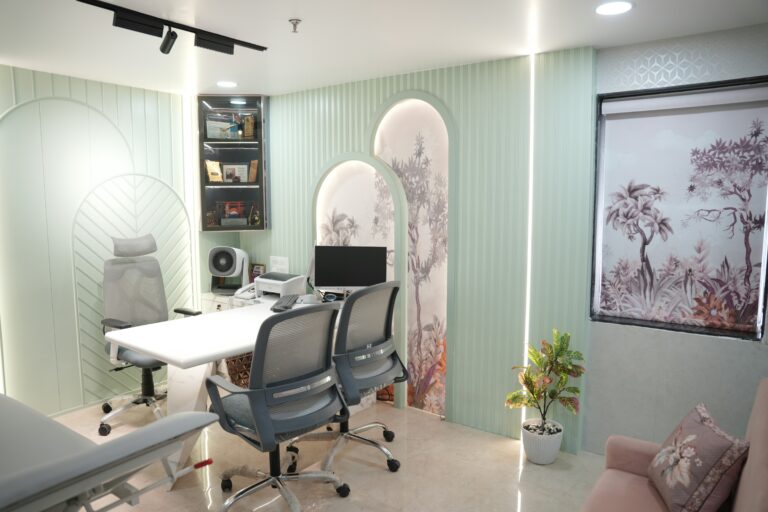

Living with COPD means every breath matters, and the air inside your home plays a bigger role than most people realize. Dust, pet dander, smoke, and cooking residues all linger indoors, often for days, and they can make tight chests feel tighter. A well-matched air purifier with a true HEPA filter (a high-efficiency filter tested to capture 99.97% of particles down to 0.3 microns) helps cut those triggers down, especially in the room where you sleep or spend the most time. The picks below focus on real coverage ratings, filter quality, and noise levels, because quieter operation at night is just as important as raw CADR numbers (CADR, or Clean Air Delivery Rate, measures how quickly a purifier scrubs a room of smoke, dust, and pollen). Most of these options also pair the HEPA layer with an activated carbon stage, which is the part that pulls odors and lighter gases out of the air.
How The Shortlist Stacks Up
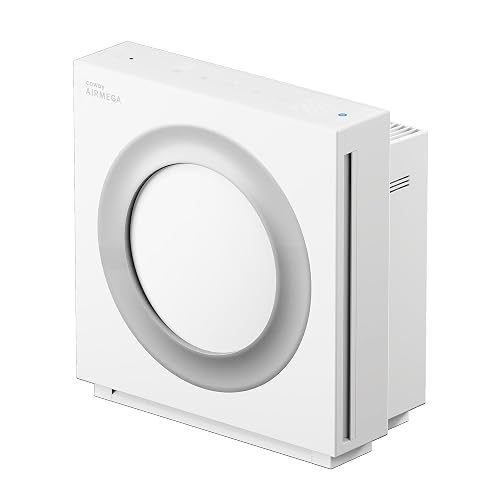
COWAY Airmega Mighty2 Air Purifier (AP-1512N)
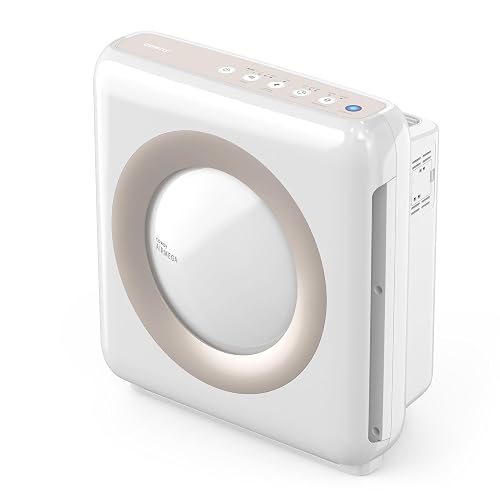
COWAY Airmega Mighty AP-1512HH (White)

PuroAir 240 HEPA Air Purifier (2-Pack)
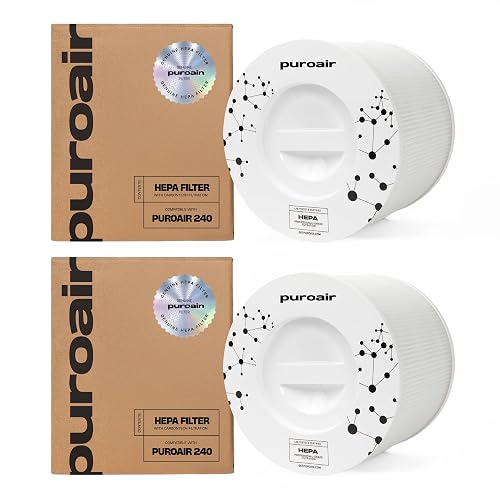
PuroAir 240 Replacement Filter (2-Pack)
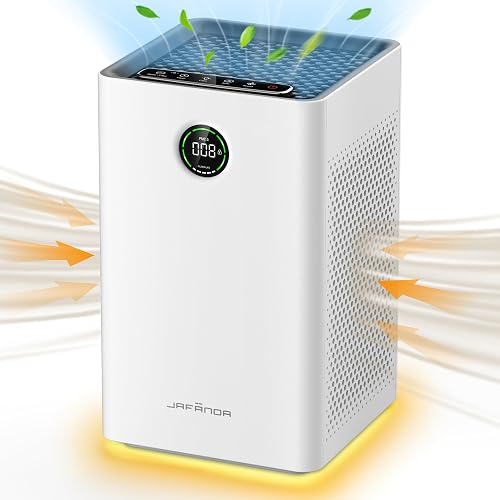
Jafanda JF260 HEPA Air Purifier
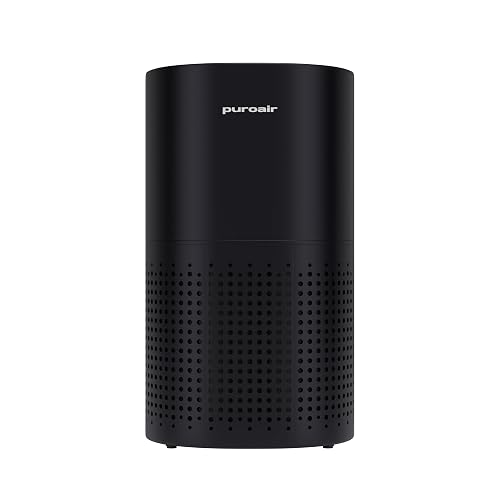
PuroAir 240 HEPA Air Purifier (1,000 ft²)
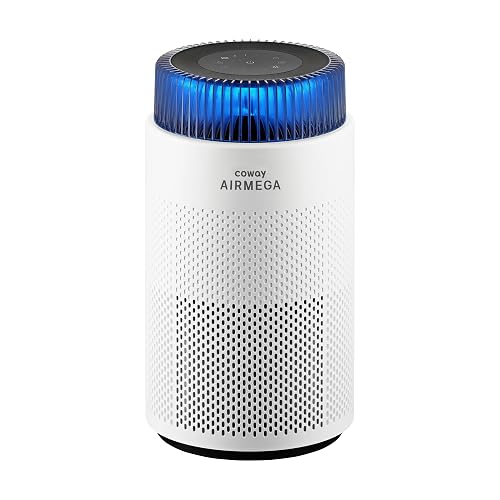
COWAY Airmega 100 (White)
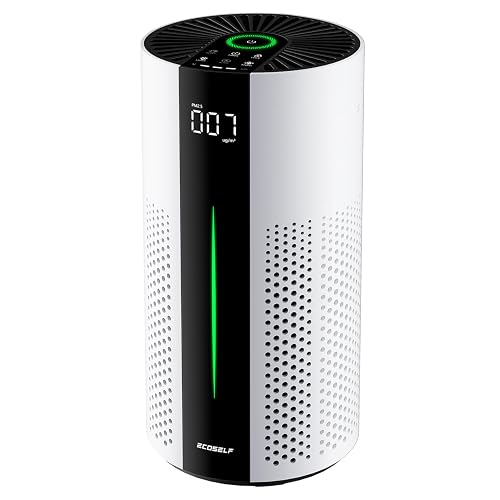
ECOSELF Air Purifier for Large Room (1,800 ft²)

PuroAir Whole Home Bundle (240 x2 + 400)
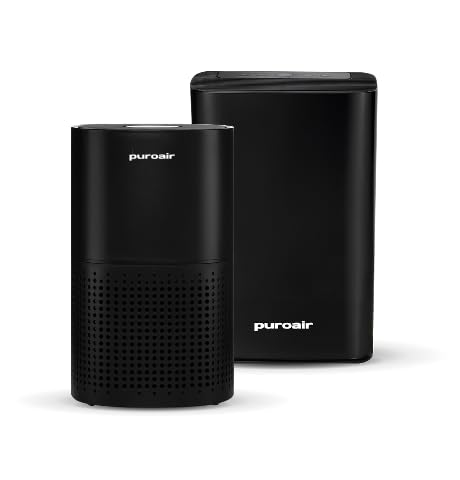
PuroAir Whole Home Bundle (240 + 400)
Meet The Standout Selections
The Mighty2 is the next-generation update to one of the most-cited purifiers in the category, and it earns that reputation in rooms where COPD symptoms tend to flare: open living areas, finished basements, and large bedrooms with adjoining sitting space. Where the older AP-1512HH focused on a smaller footprint, this model stretches its reach to roughly 1,800 square feet in one hour, which is the kind of figure that actually matters when you run a single unit for the whole downstairs.
For most households managing respiratory concerns, the auto mode alone is worth the move up. The unit reads the air and ramps the fan without you touching it, so overnight it can stay quiet while still pulling particulates down. Compared to the AP-1512HH covered next, the Mighty2 is the cleaner choice when square footage is the deciding factor.
Everyday Advantages
- Wide room coverage that handles large living areas in a single pass
- Auto mode responds to real air quality, not just a timer setting
- Washable pre-filter cuts down on long-term filter replacement cost
- Activated carbon layer addresses cooking and household odors alongside particulates
Honest Caveats
- Filter replacements are a separate ongoing purchase, worth budgeting for annually
- On the highest fan setting, noise is noticeable in a quiet bedroom
Key Specs
Right Fit For
Households with one large primary room to cover and a need for set-and-forget auto operation.
Look Elsewhere When
Your main concern is a small studio or single bedroom, where the COWAY Airmega 100 is a more appropriately sized option.
Before the Mighty2 existed, this was the Coway that earned its reputation, and it remains a smart buy for anyone who wants proven performance without paying for the newest model. The four-stage filter setup pairs a washable pre-filter, a deodorizing layer, a bipolar device (a stage that uses charged plates to help capture finer particles), and a true HEPA filter, giving it solid reach against both particulates and odors.
For people managing COPD, the real value is the air quality monitor paired with auto mode: the unit watches the room and ramps up only when it has to, which keeps bedrooms quiet through the night. Where the Mighty2 above goes bigger, this AP-1512HH still comfortably handles a large main floor and is widely available with a strong support footprint.
Notable Upsides
- Four-stage filtration tackles particles, VOCs (volatile organic compounds, the gases released by paints, cleaners, and furnishings), and odors in one pass
- Eco mode reduces power draw when air quality stays clean
- Filter indicator takes the guesswork out of replacement timing
- Long-standing design with widely available replacement filters
Points To Note
- Smaller room rating than the newer Mighty2, so larger homes may want two units
- The included warranty terms are shorter than some newer competitors
Who It Suits Best
Households that want a familiar, time-tested Coway purifier for daily whole-floor use.
Consider Something Else When
You need to cover a very large open space and would rather have a single unit, in which case the COWAY Airmega Mighty2 covers more square footage.
Most COPD households benefit from running purifiers in more than one room, and this two-pack from PuroAir solves that problem at a sensible cost. Each unit covers up to 1,000 square feet, which means you can put one in the bedroom and one in the main living area without either unit being stretched to its limit.
The three-layer setup pairs a pre-filter, a HEPA layer, and a carbon stage that the brand calls CarbonTech. For people who also live with pets, the carbon layer is the difference between a room that smells clean and one that still carries dander odor. Compared to the single-unit Mighty2, this bundle trades a bit of per-room power for the comfort of having two quiet machines running on different schedules.
Useful Highlights
- Two units make it realistic to run purifiers in both bedroom and living room
- Auto air quality sensor adjusts fan speed without manual input
- Sleep mode drops the unit to a near-silent level for nighttime use
- Carbon layer addresses pet and household odors beyond just particulates
Trade Offs
- Filter replacements are a recurring cost, doubled by having two units
- Each unit is best in medium rooms, so a very large open plan may need a third machine
Feature Snapshot
Made For
Pet owners and multi-room households that want a unit in the bedroom and a separate one for daytime living areas.
Skip It When
You only need coverage for one room, where the single PuroAir 240 (1,000 ft²) is the leaner option.
Replacement filters are not a purifier, but they are the part that actually does the work over time, and the PuroAir 240 two-pack is the simplest way to keep a working unit performing as designed. The pack ships two genuine filters, so a single order covers a year of swaps for most households that run their unit daily.
For owners of the PuroAir 240 (covered elsewhere in this list), sticking with the genuine replacement avoids fit and seal issues that can let unfiltered air slip around the filter media. Owners commonly report a noticeable drop in air freshness when filters run past their useful life, which is the real reason to keep spares on hand rather than waiting for the indicator light.
Well-Handled Touches
- Genuine OEM (original equipment manufacturer) filters, so fit and seal match the unit
- Two-pack covers a full year for most daily-use households
- Helps maintain the three-layer performance of the original 240 design
Small Caveats
- Only useful for owners of the PuroAir 240 model, not a standalone air cleaner
Feature Card
Best Suited To
Existing PuroAir 240 owners planning ahead for their next filter change.
Not Your Match When
You do not currently own a PuroAir 240, in which case a full purifier like the PuroAir 240 (1,000 ft²) is the better starting point.
The Jafanda JF260 is built for the room where COPD symptoms most often disrupt sleep: the bedroom. It covers up to about 1,090 square feet at one air change per hour, includes a dedicated sleep mode, and adds a soft night light, which is a small touch that helps with nighttime navigation without flooding the room with brightness.
The PM2.5 sensor (a laser-based particle sensor that measures fine particulate matter smaller than 2.5 microns) is the feature worth highlighting for respiratory concerns, because those are exactly the particles that lodge deepest in the lungs. Where the Coway units above lean on eco and auto modes, the JF260 surfaces a live PM2.5 reading, which makes it easier to trust the auto mode is reacting to something real.
The Helpful Details
- Live PM2.5 readout shows the particulates most relevant to lung health
- Sleep mode keeps the unit quiet enough for light sleepers
- 300g activated carbon layer adds weight to the odor-fighting side of the filter
- Night light gives a soft glow without needing a separate fixture
Worth Bearing In Mind
- Jafanda is a less familiar name than Coway, so parts and filter availability are more limited
- Smaller carbon bed than some competitors, so odor-heavy kitchens may benefit from a second unit
Quick Facts
Who Will Love This
Sleep-focused households that want a quiet unit with a live PM2.5 reading rather than a generic auto mode.
Swap It Out When
You need one unit to cover an entire open-plan main floor, where the COWAY Airmega Mighty2 handles larger spaces more comfortably.
The single-unit version of the PuroAir 240 makes the most sense when you only need to clean one room well rather than two rooms adequately. Coverage extends to 1,000 square feet, which covers the typical primary bedroom or open living area without leaving the unit underworked.
For COPD households without a second space to worry about, this also keeps filter replacement cost to one unit rather than two. The 2-pack covered earlier is the better value for two-room coverage, but the single unit is the right pick when budget and square footage are both modest.
Advantages To Know
- Three-layer filter design handles particles, dander, and odors in one pass
- Auto mode reads air quality and reacts without manual adjustment
- Sleep mode drops fan speed to a low hum that suits bedroom use
Points To Keep In Mind
- Not the cheapest single-room purifier in its class
- Filter replacements are proprietary, so generic filters are not a real option
- No PM2.5 readout, so you are trusting the auto mode rather than reading a number
Perfect Match For
Single-room households that want one dedicated purifier for a bedroom or main living area.
Reach For A Different Pick When
You want a visible PM2.5 number on the unit, in which case the Jafanda JF260 gives you that readout in a similar size class.
The Airmega 100 is Coway’s smaller-room unit, and it is the right size for a studio, a one-bedroom apartment, or a home office where you spend a few hours each day. Rated for up to 810 square feet, it covers most compact living spaces comfortably while leaving a smaller physical footprint on the floor.
For people with COPD who live in smaller homes, the trade-off matters: a smaller purifier in a small room cycles the air more often, which is better for particulate control than running a giant unit at low speed. The AQI monitor (an air quality index display that color-codes the current pollution level) and auto mode handle the adjustments, and a built-in night light keeps the room usable after dark.
Benefits That Matter
- Right-sized for smaller rooms, so air cycles quickly without wasted capacity
- AQI monitor with auto mode reacts to real air conditions
- Three-stage filter pairs HEPA with carbon for odor coverage
- Filter replacement indicator removes guesswork from maintenance
Some Limits To Know
- Underpowered for large open-plan homes, where a bigger Coway is the better match
- Shorter warranty window than the larger Airmega models
Who Should Grab It
Apartment dwellers and home office users who want a compact, set-and-forget purifier in a smaller space.
Another Choice May Suit
You live in an open-plan home with high ceilings, in which case the ECOSELF purifier for large rooms handles wider spaces with one unit.
The ECOSELF stands out in this list because of its 360-degree air intake. Most purifiers pull air from one face, which means placement matters a lot. This design pulls from all sides, so you can set it more centrally in a room without losing effectiveness. For open-plan living areas where the purifier sits in the middle of the floor plan, that geometry is a real advantage.
Coverage is rated up to 1,800 square feet, and the built-in PM2.5 sensor keeps the auto mode honest. The honest read is that the wider intake helps most when furniture does not block the unit from any one side, which is the typical case in a main living area.
Bright Spots
- 360-degree intake works well in centrally placed or open layouts
- Up to 1,800 ft² coverage handles large main floors in one pass
- PM2.5 sensor with auto mode reacts to real-time particle changes
Where It Is Less Suited
- Wide intake means the unit is less effective when shoved against a wall
- Brand recognition is lower than Coway or PuroAir, so filter supply is worth confirming before purchase
Built With In Mind
Open-plan main floors where the purifier will sit in the center of the room rather than tucked in a corner.
Where A Sibling Pick Shines
You need coverage across multiple rooms, in which case the PuroAir Whole Home Bundle (240 x2 + 400) covers several spaces at once.
This is the bundle for households that want to treat the whole home as one system rather than picking a single room to prioritize. It pairs two PuroAir 240 units with one larger 400 unit, and together they cover up to 4,000 square feet, which lines up with most multi-bedroom houses.
For COPD households, the practical value is putting one unit in the bedroom, one in a main living area, and using the larger 400 to clean a high-traffic space like a finished basement or bonus room. The three units are quieter together than a single high-speed purifier, and they keep doorways from being the weak point in coverage.
What Helps Most
- Three units cover most multi-room homes in a single bundle
- Mix of 240 and 400 units lets you match coverage to room size
- Same brand across all units simplifies filter ordering and replacements
Honest Caveats
- Higher upfront cost than a single-unit purchase
- Filter replacements are tripled, so ongoing maintenance is more involved
Feature Card
Whose Shelf It Belongs On
Larger multi-room households that want matched purifiers across bedrooms and main living areas.
Reach For A Different Pick When
You only need one room covered, where the PuroAir 240 (1,000 ft²) is the right-sized single-unit option.
The smaller of the two PuroAir bundles pairs one 240 with one 400, giving two-room coverage without the cost of three units. It is the practical middle ground for a one- or two-bedroom home that still wants matched equipment across the most-used spaces.
Combined coverage reaches up to 3,000 square feet, so the bundle is comfortable in apartments with open layouts or smaller single-family homes. The 240 goes in the bedroom, the 400 in the main living area, and the auto mode on each keeps things simple once they are running.
Practical Pluses
- Two-unit bundle balances coverage with manageable filter costs
- Mix of capacities matches a typical bedroom-and-living-room layout
- Auto mode on each unit reduces day-to-day fiddling
Some Limits To Know
- Not enough capacity for a full three- or four-bedroom home
- Two filter replacement streams to keep track of over time
Right Fit For
One- or two-bedroom households that want matched purifiers in the bedroom and the main living area.
A Better Fit Elsewhere
You have a larger home with more rooms to cover, where the PuroAir Whole Home Bundle (240 x2 + 400) extends coverage to a third space.
What To Weigh Before Choosing An Air Purifier For COPD
COPD symptoms tend to react to the smallest particles first, which is why the filter type matters more than the brand. A true HEPA filter, one rated to capture 99.97% of particles down to 0.3 microns, is the baseline. Activated carbon adds meaningful value because it pulls lighter gases and odors that trigger coughing fits, especially in homes with gas stoves or strong cleaning products. Room coverage is the second anchor. Match the purifier’s rated square footage to the room where you sleep, not the whole home, since a single unit cannot effectively serve two closed-off spaces at once.
Noise and night operation deserve real attention. COPD often disrupts sleep, and a purifier that whines at medium fan speed does more harm than good. Look for a documented sleep mode, and check whether the unit ramps back up only when the air quality changes, since a unit that constantly cycles at high speed is harder to live with. Finally, plan for filter costs as part of the purchase, not as an afterthought. Most HEPA filters need swapping every six to twelve months, and skipping that step quietly erodes the unit’s performance.
Key Considerations Across These Picks
Wrong Turns To Avoid
The most common mistake in this category is buying a purifier with strong marketing and weak CADR numbers, then expecting it to cover a room twice its rated size. Always match the unit to the room where you spend the most hours, not the whole home. A second slip is forgetting that filters are consumables. A purifier you never service is just a fan, so confirm replacement filter availability and pricing before you commit to a brand that is hard to source parts for.
Where The Extra Money Goes
Higher-tier models in this list earn their price through wider coverage, better auto modes, and stronger carbon layers. The COWAY Airmega Mighty2 and the ECOSELF 1,800 ft² unit are good examples: the extra cost buys you the ability to run one machine across a large main floor rather than coordinating two or three smaller ones. For households that want that simplicity, the upgrade typically pays for itself in better consistency and fewer filter swaps to track. For single-room setups, a mid-tier model like the PuroAir 240 or the Airmega 100 is usually the smarter spend.
Frequently Asked Questions
Do Air Purifiers Actually Help With COPD Symptoms?
They can, mainly by reducing indoor particulate matter and irritants that trigger flare-ups. A purifier is a complement to medical care, not a replacement, and it works best when paired with regular cleaning and source control like avoiding indoor smoke.
How Often Should HEPA Filters Be Replaced?
Most household HEPA filters in this category need swapping roughly every six to twelve months, depending on usage and air quality. PuroAir recommends a filter change every three to four months for its 240 model, which is on the faster side of the range.
Is Activated Carbon Necessary For COPD Households?
It is not strictly required, but it helps with odors and volatile organic compounds that can aggravate sensitive airways. For homes with gas stoves, fireplaces, or strong cleaning products, the carbon stage is worth having.
Can One Purifier Cover Multiple Rooms?
Generally no, especially when doors are closed. A single unit works best in one room at a time, which is why two-unit or three-unit bundles are common in multi-room homes.
Where Is The Best Place To Put An Air Purifier?
Center the unit in the room when possible, away from walls and furniture that block intake. For bedrooms, place it a few feet from the bed so clean air reaches you without the fan blowing directly across your face.
Bottom Line
COPD-friendly air quality comes down to a few grounded choices: a true HEPA filter with a carbon stage, a unit sized to the room where you sleep, and a maintenance plan you can actually keep up with. Pick the option that matches your space, and the rest is just keeping filters fresh.