
Cutting drywall sends a haze of fine white powder through every corner of a room, and standard household filters struggle to catch the smallest particles. Contractors and weekend renovators tend to need a purifier with a real HEPA layer (a high-efficiency filter rated to trap 99.97% of airborne particles down to 0.3 microns), strong airflow, and a carbon stage for the chemical smell of fresh joint compound. The picks below cover room-size options, bundle deals for whole-home coverage, and a few specialty models worth knowing about.
The Choices Worth Comparing

PuroAir 240 HEPA Air Purifier 1,000 Ft² (2PK)
PuroAir 240 Replacement Filter (2PK)
LEVOIT Core 300-P H13 True HEPA Air Purifier (White)
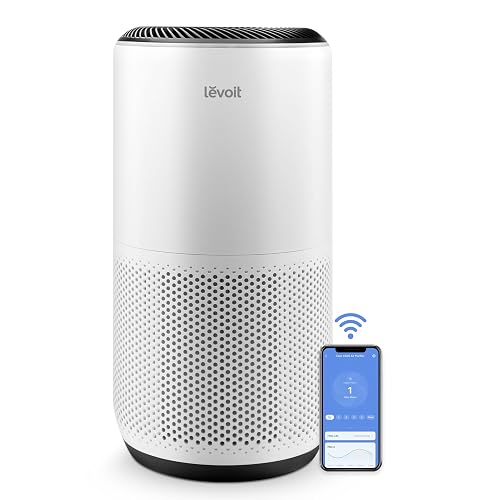
LEVOIT Core 400S-P Smart Air Purifier (White)
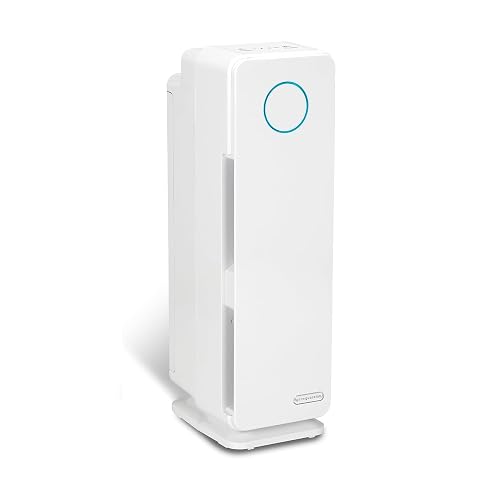
GermGuardian AC4300WPT 22-Inch HEPA Air Purifier (White)
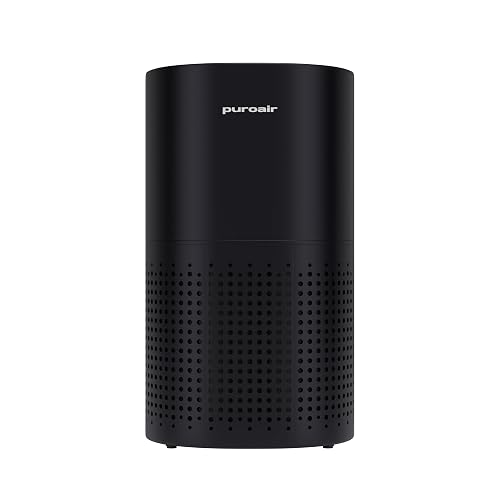
PuroAir 240 HEPA Air Purifier 1,000 Ft²
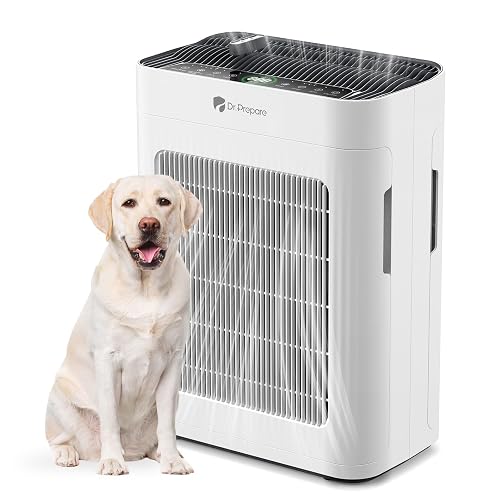
Dr.Prepare Air Purifier for Large Rooms 3,000 Ft²
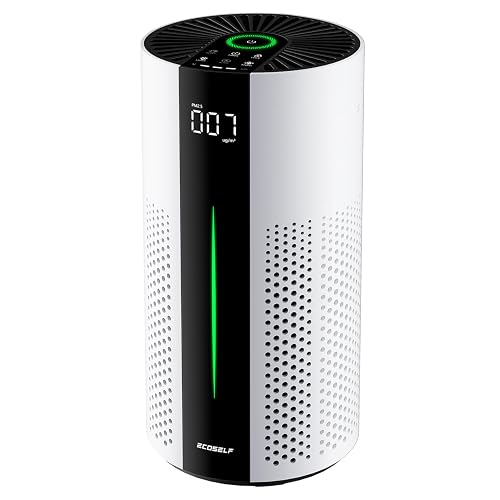
ECOSELF Air Purifier 1,800 Ft² HEPA

PuroAir Whole Home Bundle 240 x2 + 400
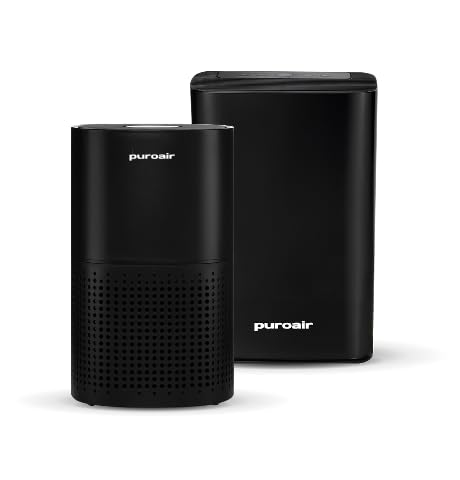
PuroAir Whole Home Bundle 240 + 400
More Details On Our Top Picks
Drywall dust doesn’t stay in one room. The two-pack PuroAir 240 setup gives you a unit for the work zone and a second for the hallway or adjacent bedroom, which matters when you’re sanding a wall and the powder drifts into your living space.
Each unit runs a three-layer filter with a pre-filter, HEPA media, and a carbon layer (activated charcoal that traps odors and chemical vapors). Coverage extends to 1,000 square feet per hour, and an auto sensor adjusts fan speed when fine particle counts rise.
What Works In Its Favor
- Two units arrive together, so you can run one upstairs and one on the work floor from day one.
- The three-stage filter handles fine particulates and the chemical smell of fresh joint compound.
- Auto mode reads air quality and ramps the fan up or down without manual input.
- Quiet sleep mode is gentle enough for a bedroom at night.
Things To Consider
- Carbon layers typically lose odor-trapping ability faster in dusty environments, so expect to replace filters more often during heavy renovation work.
- Running two units at full power draws more electricity than a single larger machine.
Who It Suits Best
Homeowners tackling a multi-room drywall project who want a purifier in each affected space from the first day of sanding.
Where Another Pick Suits Better
Renovators focused on one large open loft may prefer the Dr.Prepare Air Purifier for Large Rooms 3,000 Ft², which covers more square footage from a single unit.
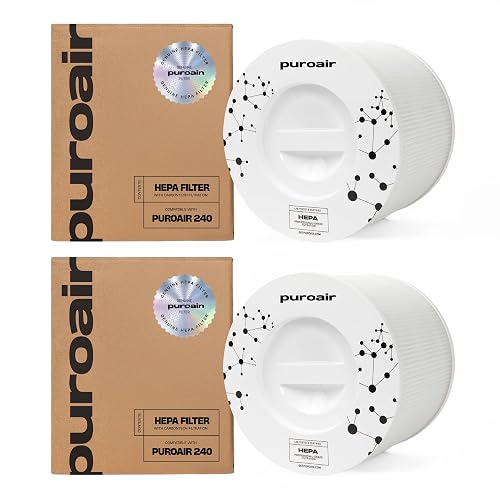
Filters clog faster than you’d think when drywall is in the air, and a clogged filter kills airflow and lets particles recirculate. This two-pack of genuine PuroAir replacements is the safe bet for anyone already running a PuroAir 240.
Owners commonly report replacing filters every three to four months under normal use, but during a renovation cycle that window shrinks quickly. Buying the pair keeps a fresh filter ready when the working one gives out.
Useful Strengths
- Genuine factory replacements, so you avoid fit and seal issues common with third-party cartridges.
- Two filters in one box, which keeps you ahead of a renovation’s heavier replacement schedule.
- Maintains the three-layer pre-filter, HEPA, and carbon setup the original unit was designed around.
Worth Noting
- Only useful for PuroAir 240 owners, so it has zero value without the matching machine.
Feature Snapshot
Made For
Existing PuroAir 240 owners who want a genuine spare pair before starting a dusty drywall phase.
Skip It When
You run a different brand, since the cartridge shape and seal won’t match your machine.
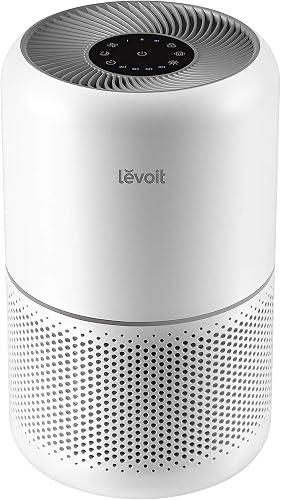
The LEVOIT Core 300-P targets the noise-sensitive renovator: people who want bedroom air cleared of drywall particulate without the hum of an industrial fan. The H13 HEPA grade (one rung above basic HEPA, capturing finer particles) is paired with a sleep mode rated at 24 decibels, which is roughly the sound of a quiet library.
Coverage stretches to 1,073 square feet on paper, though real-world performance against heavy sanding clouds will land lower. For overnight recovery between work sessions, though, this unit clears the residual haze well.
Where It Helps
- Whisper-quiet 24 dB sleep mode keeps a light sleeper undisturbed.
- H13 True HEPA grade catches finer dust that escapes cheaper filters.
- The compact cylinder form fits on a nightstand or shelf without dominating the room.
Trade Offs
- Single-sided intake means slower particle clearance on a heavy sanding day.
- The plastic body, while light, picks up dust scuffs on a work site.
Best Suited To
Anyone running renovation work in a small apartment or bedroom who needs a quiet overnight recovery machine.
A Better Fit Elsewhere
Contractors working open job sites with multiple rooms will find the LEVOIT Core 400S-P Smart Air Purifier (White) more practical for large-area coverage.
The Core 400S-P is the bigger, smarter sibling of the Core 300-P. Coverage stretches to 1,733 square feet, and a built-in air quality monitor feeds the auto mode, so the fan ramps up the moment particle counts climb.
For renovators who want a single unit covering a living-and-dining open plan, the airflow and CADR (clean air delivery rate, a measure of how quickly the purifier filters a room’s air) feel right. App control adds scheduling and filter life tracking, which helps when you’re juggling a project timeline.
What Makes Sense
- Auto mode adjusts the fan based on real-time particle readings.
- App integration simplifies filter changes and scheduling.
- Higher airflow than the Core 300-P for large open layouts.
Points To Note
- App connection requires a stable Wi-Fi signal, which can be flaky in older homes.
- The taller tower body can tip if a pet or child brushes past it.
Quick Facts
Who Should Grab It
Tech-comfortable homeowners managing a large open-plan renovation who want the purifier to react on its own.
Look Elsewhere When
You need whole-home coverage across separate rooms, where the PuroAir Whole Home Bundle 240 x2 + 400 fits better.
The GermGuardian AC4300WPT adds a UV-C light stage (a short-wavelength ultraviolet bulb aimed at reducing airborne germs) to the standard HEPA-plus-carbon layout, which gives it a multi-stage edge when your drywall work is happening in a basement or workshop with limited ventilation.
At 22 inches tall, the tower profile fits neatly in a corner without dominating floor space. Three fan speeds and an ultra-quiet mode give you some flexibility when the work shifts to evening hours.
What Stands Out
- UV-C light adds a germ-reduction stage beyond standard HEPA filters.
- Pet Pure treatment on the filter helps with pet dander that mixes with drywall dust.
- The 22-inch tower format is taller than typical countertop units.
Honest Caveats
- UV-C bulbs need periodic replacement, which adds a maintenance step.
- Coverage suits small-to-medium rooms, so it may feel undersized for open layouts.
Perfect Match For
Pet owners renovating a basement or workshop who want extra air treatment beyond particulate filtration.
Swap It Out When
Your renovation spans a large open area, where the ECOSELF Air Purifier 1,800 Ft² HEPA handles square footage more efficiently.
The single-unit PuroAir 240 makes sense for renovators with one clear work zone. The three-layer filter, auto air quality sensor, and 1,000 square foot coverage match what the two-pack offers, just without the spare machine.
Owners note that the sleep mode is gentle enough for an adjacent bedroom, and the auto sensor reacts within minutes when sanding kicks up. The body is compact enough to slide under a workbench between sessions.
Notable Upsides
- Single-unit price undercuts the two-pack for one-room projects.
- Auto sensor responds to particle spikes without manual adjustment.
- Sleep mode stays quiet enough for adjacent rooms.
A Few Limitations
- No second unit means no coverage in an adjacent space.
- Carbon filter life shortens quickly under sustained drywall dust exposure.
Core Details
Right Fit For
Solo renovators working a single room who want a no-frills, well-rounded purifier with auto-mode intelligence.
Not Your Match When
Your project spans two or more rooms at once, since the PuroAir 240 HEPA Air Purifier 1,000 Ft² (2PK) covers the same work with dual units.
The Dr.Prepare unit stands out with a dual-sided air inlet and a washable pre-filter (a reusable mesh layer that catches large particles before they hit the main filter). The dual intake pulls air from both sides, which roughly doubles the working intake area compared to single-sided models.
For larger renovations, the 3,000 square foot rating and a PM2.5 display (a numerical readout of fine particulate concentration in micrograms per cubic meter) give you real-time feedback on when the air is actually clean. Owners commonly report the washable pre-filter extending the life of the more expensive HEPA cartridge underneath.
Benefits That Matter
- Washable pre-filter cuts long-term replacement costs.
- 3,000 sq ft coverage handles large open renovations.
- PM2.5 display gives a clear number to track air quality progress.
- Pet mode adjusts fan patterns for fur and dander alongside dust.
Possible Compromises
- Washable pre-filters need regular rinsing, which adds a cleaning step.
- The bulkier form factor takes up more floor space than tower units.
Whose Shelf It Belongs On
Homeowners tackling a big addition or open-concept remodel who want a single heavy-duty machine with cost-saving maintenance.
Reach For A Different Pick When
You need quiet overnight operation in a bedroom, where the LEVOIT Core 300-P H13 True HEPA Air Purifier (White) is the calmer choice.
The ECOSELF unit uses a 360-degree air intake, which pulls air from all directions rather than a single face. For a renovation that has dust settling from multiple angles, the omnidirectional intake speeds up the catch.
Coverage extends to 1,800 square feet, and a built-in PM2.5 sensor feeds the auto mode, so the fan ramps up when fine particle counts spike. It sits in the middle of the pack: not as quiet as the Core 300-P, not as wide-reaching as the Dr.Prepare, but a solid mid-room workhorse.
Useful Highlights
- 360-degree intake catches particles from any direction.
- Auto mode reacts to PM2.5 readings without manual input.
- Mid-size coverage suits most standard living areas.
Where It Is Less Suited
- Not as quiet as dedicated bedroom models during sleep mode.
- Replacement filters are specific to this unit, so third-party options are limited.
Built With In Mind
Mid-size household renovators who want a balanced unit that handles both living room and adjacent dining space from one placement.
Where A Sibling Pick Shines
For very large open spaces above 2,000 square feet, the Dr.Prepare Air Purifier for Large Rooms 3,000 Ft² pulls in more air per pass.
The PuroAir Whole Home Bundle pairs two 240 units with the larger 400 model, designed for serious whole-house coverage during renovation. The combined airflow reaches 4,000 square feet per hour, which is enough to cycle the air in a typical two-story home in a single sweep.
Each machine runs independently with its own auto sensor, so you can place one upstairs, one in a hallway, and the larger 400 in a primary work area. The honest read is that this bundle is overkill for a single-room patch job, but a real timesaver when the drywall phase spans the whole house.
Well-Handled Touches
- Three machines cover 4,000 sq ft per hour combined.
- Independent auto sensors per unit.
- Three-layer filter with carbon on each machine.
Less-Strong Areas
- The bundle price is steep for a small renovation.
- Running three units adds noticeable power draw.
Who Will Love This
Homeowners managing a full-house remodel who want every floor covered from day one of sanding.
Consider Something Else When
Your project is a single room or two, since the PuroAir 240 HEPA Air Purifier 1,000 Ft² (2PK) covers that scale at a lower entry point.
The smaller two-unit bundle pairs a single 240 with the larger 400, reaching 3,000 square feet per hour combined. It’s the lighter option for renovators who don’t need three machines but want coverage across two zones.
Plenty of owners use this setup with the 240 in a bedroom and the 400 in a main living area. The bundle price undercuts the three-unit version while still giving you the carbon layer and auto sensor on both machines.
Positive Points
- Two-zone coverage at a lower entry point than the three-unit bundle.
- Each unit has its own air quality sensor and auto mode.
- Carbon filtration on both machines handles joint compound odor.
Factors To Consider
- One 240 unit means less redundancy if a machine goes down mid-project.
Feature Card
The Right Fit
Renovators working two distinct zones who want strong coverage without the third-unit price jump.
Another Choice May Suit
Whole-house projects benefit from the PuroAir Whole Home Bundle 240 x2 + 400, which adds a third unit for upstairs coverage.
What To Look At Before Choosing Air Purifiers For Drywall Dust
HEPA Grade And Filter Layers
Drywall dust is unusually fine because joint compound contains talc and milled limestone. A standard HEPA filter (rated to catch 99.97% of particles at 0.3 microns) handles most of it, but the H13 grade used in the LEVOIT Core 300-P and GermGuardian AC4300WPT goes a step further, catching even smaller particles. The carbon layer matters too, since it absorbs the chemical smell of fresh joint compound. A three-layer setup (pre-filter, HEPA, carbon) is the minimum worth considering for renovation work, while a two-layer pre-filter plus HEPA can struggle once the carbon element wears out.
Coverage Versus Real-World Airflow
Manufacturer coverage numbers, like 1,733 or 3,000 square feet, assume light contamination in well-sealed rooms. During drywall sanding, the air is dense with particulates, so real-world clearance takes longer. A unit rated for 1,000 square feet may need to run on high for 30 to 60 minutes to actually clear the air after a sanding pass. Higher CADR (clean air delivery rate) and intake area speed that process up. The Dr.Prepare unit’s dual-sided intake and the ECOSELF’s 360-degree design both improve intake over single-faced towers.
Maintenance Cycle During Renovation
Filters clog faster under heavy dust load, so plan to replace cartridges more often than the standard schedule suggests. The PuroAir 240 Replacement Filter (2PK) exists precisely for this reason. Washable pre-filters on the Dr.Prepare unit help extend the life of the more expensive HEPA cartridge beneath. Whichever model you choose, budget for replacement filters as a recurring line item during a renovation.
Noise And Sleep Mode
Drywall sanding rarely happens at night, but the hours after a work session matter for clearing residual particulate. The LEVOIT Core 300-P’s 24 dB sleep mode is the quietest on this list, making it the natural pick for a bedroom adjacent to the work zone. Larger units like the Dr.Prepare and ECOSELF trade some quiet for higher airflow, which is the right call for daytime work but less ideal for overnight runs.
Key Things Worth Knowing Across These Picks
Wrong Turns To Avoid
A common misstep is buying a purifier without checking the filter replacement schedule, because the cartridge cost adds up over a multi-week renovation. Another is underestimating the airflow needed during peak sanding, since a unit rated for 500 square feet will struggle in a 1,200 square foot open layout. Finally, placing a purifier too close to a wall or in a corner blocks the intake, which is why models with multi-directional intake tend to perform better in real conditions.
When Paying More Pays Off
The step up to a larger or bundled unit makes sense once your renovation spans more than one room or runs longer than a weekend. The two-unit and three-unit PuroAir bundles, plus the Dr.Prepare’s high-coverage single unit, exist for those scenarios. Premium pricing also buys quieter operation, smarter sensors, and washable pre-filters that reduce long-term cartridge cost. For a one-room, one-week project, the single PuroAir 240 or LEVOIT Core 300-P delivers everything you actually need.
Frequently Asked Questions
How long should you run an air purifier after drywall sanding?
Most sources suggest running the purifier on high for at least 30 to 60 minutes after sanding, then leaving it on medium or auto mode overnight to clear residual particles. Heavy multi-room sanding may require several hours of continuous operation.
Can a regular HEPA filter handle drywall dust?
A standard True HEPA filter handles the bulk of drywall dust well. The H13 grade used in some LEVOIT and GermGuardian models catches slightly finer particles, which can help in tightly sealed rooms where fine dust hangs longer.
How often should you replace the filter during a renovation?
Under normal home use, filters typically last three to four months. During active renovation, the carbon layer saturates faster and the HEPA media loads quickly, so replacing every four to six weeks is a common rule of thumb among contractors.
Do air purifiers help with the smell of fresh joint compound?
The carbon layer in a three-stage filter absorbs the chemical odor from joint compound reasonably well. A purifier with only a HEPA filter and no carbon stage will leave the smell lingering.
Is a UV-C light stage necessary for drywall work?
A UV-C stage helps reduce airborne germs, which is useful in damp basements or workshops but not essential for drywall particulate control. The GermGuardian AC4300WPT includes one, while most other picks rely on HEPA and carbon alone.
Wrap Up
Drywall dust calls for a purifier with a real HEPA layer, a carbon stage for odor, and enough airflow to clear a room after sanding. The two-unit and bundle options from PuroAir cover multi-room projects, the LEVOIT pair handles large open layouts and quiet bedrooms, and the Dr.Prepare or ECOSELF fits bigger single-room jobs. Match the unit to your square footage and noise tolerance, keep a fresh filter on hand, and the renovation air stays manageable.