
Cooking smells linger long after the pan comes off the burner, especially in open layouts where kitchen air drifts straight into the living room. A dedicated purifier with a real carbon stage is the practical fix, since HEPA alone catches particles but misses the gaseous cooking odor compounds. The picks below span compact bedroom units, large-room workhorses, smart-connected models, and whole-home bundles so you can match capacity to the way you actually cook and live.
An Overview Of The Picks
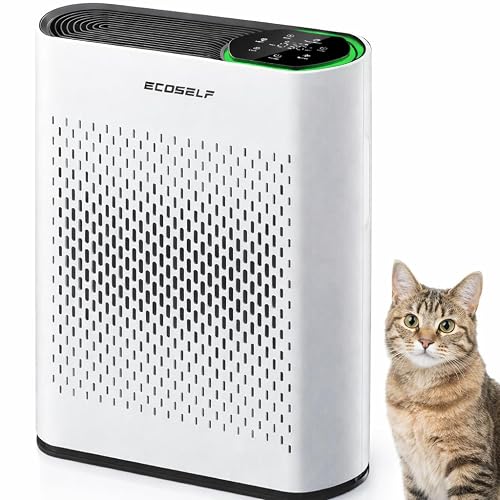
ECOSELF Air Purifier t, True HEPA Filter, White

PuroAir 240 HEPA Air Purifier (2-Pack), 1,000 ft²
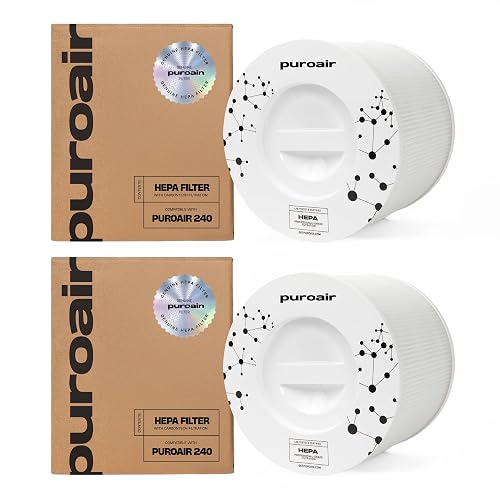
PuroAir 240 Replacement Filter (2-Pack)

DREO Air Purifier DR-HAP009 (Dreo 539), 1176 ft²
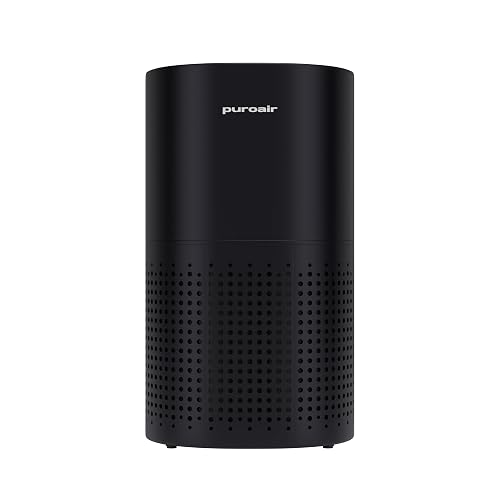
PuroAir 240 HEPA Air Purifier, 1,000 ft²
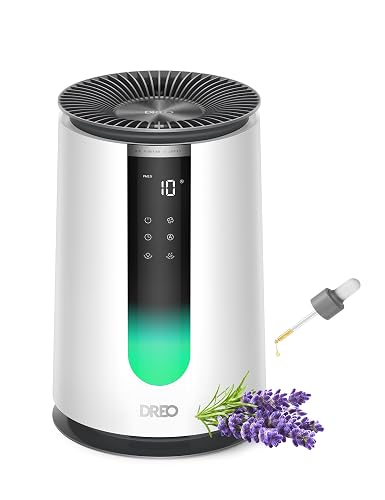
DREO Air Purifier DR-HAP008 (Dreo 338) with Scent Diffuser
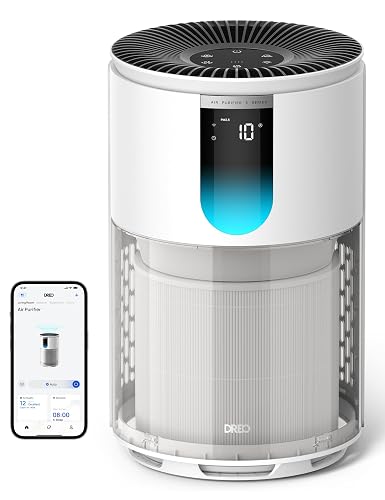
DREO Smart Air Purifier DR-HAP009S (Dreo 539S)
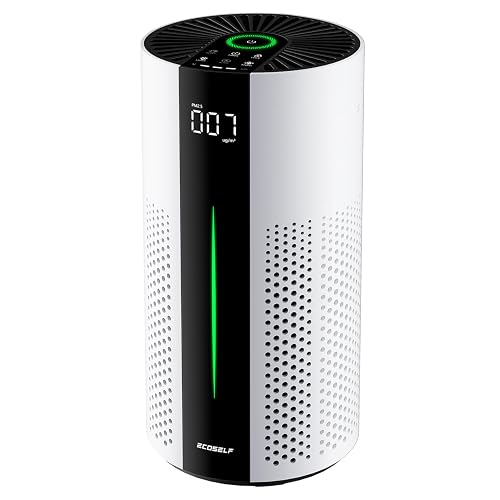
ECOSELF Air Purifier for Large Room, 1800 ft²

PuroAir Whole Home Bundle (240 x2 + 400)
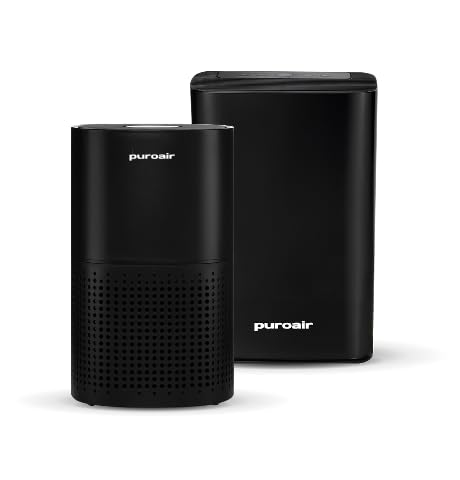
PuroAir Whole Home Bundle (240 + 400)
A Deeper Look At The Lineup
The ECOSELF Air Purifier t is the kind of small white tower you tuck beside a desk or nightstand and forget about. It runs a true HEPA filter, which is the mechanical mesh standard that captures fine particles like dust and pet dander rather than just letting them circulate.
For a studio, dorm, or home office where cooking smells drift in from a shared kitchen, it’s a sensible first purifier. The compact footprint matters more than raw power here, and you can pair it with a larger unit in a busy kitchen later.
Where It Excels
- True HEPA filtration in a compact tower that fits tight nightstand corners.
- White finish blends into bedrooms and home offices without looking like an appliance.
- Simple operation suits anyone who wants a set-and-forget purifier.
Points To Keep In Mind
- Smaller rooms are its real home; open-plan kitchens may outpace its capacity.
- Replacement filter availability should be checked before committing, since the model is newer.
Best Suited To
Anyone furnishing a dorm, studio, or small home office who wants quiet background filtration without the bulk of a large-room unit.
Consider Something Else When
Open kitchens and living areas will be better served by the ECOSELF Air Purifier for Large Room, 1800 ft² later in this list.
Getting two PuroAir 240 units at once changes the math for shared spaces, because cooking smells rarely stay in the kitchen. One unit anchors the cooking area while the other covers a bedroom or living room, so you don’t push stale air from one zone into another.
The 1,000-square-foot rating per unit is generous, and the 3-layer filter is built around a carbon layer specifically for odor and smoke. For pet households, that dual setup makes a real difference on the days you sear salmon or pan-fry bacon.
Strong Points
- Carbon layer targets cooking odor molecules, not just airborne particles.
- Auto air quality sensor adjusts fan speed as smells build up.
- Two units let you cover kitchen and bedroom without swapping a single purifier around.
- Quiet sleep mode keeps bedrooms livable at night.
Trade Offs
- Two filter replacements instead of one means slightly higher long-term upkeep.
- Bigger physical footprint than a single tower, so plan shelf or floor space.
Feature Snapshot
Right Fit For
Two-story apartments and small homes where one purifier simply can’t reach the upstairs bedroom after dinner.
Where Another Pick Suits Better
Single-room dwellers may prefer the lone PuroAir 240 to skip the second filter cycle.
Refills rarely get their own review, but they matter when an air purifier is doing real work in a kitchen. The PuroAir 240 Replacement Filter 2-pack is a maintenance buy, not a primary purchase, and the timing is worth planning.
For a purifier that runs daily in a cook-heavy household, sticking with genuine PuroAir filters preserves the carbon layer’s odor-trapping performance. Off-brand cartridges can fit but often skip the activated carbon density the brand specifies.
The Good Stuff
- Two-pack covers a full year of typical filter swaps for one unit.
- Genuine cartridge keeps the purifier’s stated performance intact.
- Drop-in design avoids complicated housing work.
Less Ideal Details
- Only useful if you already own a PuroAir 240 unit.
- Cost adds up if you run multiple purifiers in the home.
Made For
Existing PuroAir 240 owners planning ahead for filter swaps rather than scrambling when odor control drops off.
Skip It When
You don’t yet own a compatible unit, in which case the PuroAir 240 single purifier above is the place to start.
The Dreo 539 is the unit to look at when your kitchen, dining, and living room essentially function as one zone. Rated for spaces up to 1,176 square feet, it has the headroom to actually move the air a heavy-cooking evening demands.
Compared to the smaller DREO 338, this one trades bedside-quiet for serious airflow. The PM2.5 monitor and auto mode make it self-adjusting, so it ramps up when searing and quiets down once the air clears.
What Works In Its Favor
- AHAM-verified CADR rating for transparent performance claims.
- Turbo mode handles lingering post-cooking odor in large open spaces.
- PM2.5 monitor reads the actual air, not just a fan setting.
- Four speeds give meaningful control from sleep to heavy-duty.
- Targets smoke, dust, pollen, and pet dander beyond food odor.
A Few Limitations
- Larger chassis than compact bedroom purifiers, so placement needs planning.
- Filter replacements represent a recurring ownership cost worth budgeting for.
Technical Highlights
Who It Suits Best
Households with a single dominant open space where the kitchen and living room share airflow and cooking happens most nights.
Not Your Match When
Bedroom-only shoppers will get quieter performance from the DREO DR-HAP008, the smaller sibling later in the lineup.
The single-unit PuroAir 240 is the right starting point if the goal is one well-targeted purifier in a busy kitchen or a large bedroom. It uses the same 3-layer filter concept as the dual pack, so you don’t lose the carbon stage that makes cooking odor go away.
For most apartments with a single main living area, one of these can be enough. It’s also a sensible upgrade path if you currently rely on a small bedroom purifier that gets overwhelmed by weeknight stir-fry sessions.
Strengths Worth Knowing
- CarbonTech carbon layer is built specifically for smoke and odor.
- Auto air quality sensor reacts when pans hit high heat.
- Quiet sleep mode keeps bedroom placement realistic.
- Single-unit cost is friendlier than the dual pack when you only need one room covered.
Softer Spots
- One unit cannot cover both an open kitchen and a separate bedroom at once.
- Filter swaps every few months are part of the ownership rhythm.
Perfect Match For
Pet owners and home cooks who want one serious purifier for the room where cooking actually happens, rather than a scatter of small units.
Reach For A Different Pick When
Multi-room coverage matters, in which case the PuroAir 240 2-Pack earlier in this list spreads the load.
The Dreo 338 is the smaller sibling of the 539, sized for the bedroom rather than the great room. Coverage drops to roughly 178 square feet at full output, which fits a standard bedroom and keeps noise reasonable during sleep.
It still carries the PM2.5 monitor, four fan speeds, and a sleep mode borrowed from the larger unit. The added scent diffuser is a small but useful touch for households that want a fresher-smelling bedroom after a strong-dinner night.
Useful Strengths
- AHAM-verified CADR keeps bedroom performance claims honest.
- Built-in scent slot lets you pair odor removal with a light fragrance.
- Sleep mode keeps fan noise low enough for light sleepers.
- Compact body fits on a dresser or nightstand without dominating the room.
Honest Caveats
- Coverage is not enough for open-plan kitchens or large living rooms.
- Smell molecules from heavy cooking often need the larger 539 to clear fast.
Feature Rundown
Whose Shelf It Belongs On
Bedroom dwellers, nursery setups, and small home offices where whisper-quiet operation matters more than raw airflow.
Look Elsewhere When
You need to clear the smell from a big open kitchen, which is the DREO DR-HAP009’s territory.
The 539S keeps the large-room performance of the standard 539 and adds Wi-Fi and voice control. You can drop into the app and crank the fan before guests arrive, or have it cycle up automatically as part of a broader routine.
For households that already run a smart-home setup, the 539S slots in without adding a second remote. The same PM2.5 monitor, auto mode, and turbo mode still drive cleaning, so connectivity is genuinely additive rather than a gimmick.
Notable Upsides
- App control lets you adjust fan speed from another room or before arriving home.
- Voice control support ties into routines that already manage lights and locks.
- Same 1,176-square-foot capacity as the non-smart 539 for cooking-heavy spaces.
- PM2.5 readout in the app gives a real-time picture of the kitchen after dinner.
Worth Bearing In Mind
- Smart features only pay off if you actually use the app or voice routines.
- Wi-Fi setup adds a small one-time configuration step on install day.
Built With In Mind
Smart-home households that want the air purifier to participate in routines alongside lights, thermostats, and speakers.
A Better Fit Elsewhere
Anyone uninterested in app control can save by choosing the standard DREO DR-HAP009 instead.
ECOSELF’s larger tower is built around 360-degree air intake, which means it pulls from every direction instead of just one side. In practice, that lets you tuck the unit near a kitchen island or living-room corner without pointing it precisely at the cooktop.
The 1,800-square-foot rating is the highest on this list and fits genuinely large spaces, including lofts and open floor plans where the kitchen flows into a great room. Auto mode uses a built-in PM2.5 sensor to ramp the fan when the air turns hazy.
Noteworthy Benefits
- 360-degree intake shortens the time to clear cooking haze.
- PM2.5 sensor drives auto mode without manual fan adjustments.
- HEPA filter stack handles the particle side of cooking residue.
- Big-room coverage means one unit can serve the whole main living area.
Factors To Consider
- Large tower takes meaningful floor space, so placement needs forethought.
- Filter changes and ongoing filter costs apply for a unit this size.
Key Product Details
Who Should Grab It
Owners of open-concept homes and lofts where the kitchen blends into the living area and a single point of filtration needs to reach the whole space.
Swap It Out When
Bedroom-scale coverage is the goal, which is the PuroAir 240 single unit’s wheelhouse.
The 240 + 240 + 400 bundle is the heavy answer for households that cook in a serious kitchen and want coverage across multiple rooms. Two 240 units anchor the kitchen and a main living zone, while the 400 handles the larger or upstairs space.
Compared to the smaller two-unit bundle, this configuration covers more square footage in a single purchase. The trade-off is a bigger upfront commitment and more filter cycles down the line, since each unit follows its own replacement clock.
Good Reasons To Consider
- Three coordinated units deliver whole-home coverage without swapping fans between rooms.
- Carbon filtration across all units tackles cooking odor in every zone.
- Auto sensors on each unit work independently as conditions shift.
- One purchase replaces a piecemeal upgrade path over months.
Trade-Offs To Consider
- Higher entry cost than picking a single-room unit first.
- Three filter replacements per cycle is the real ownership rhythm to plan for.
Made For
Multi-floor households and larger homes where one purifier would inevitably under-serve the upstairs or far bedrooms.
Not Your Match When
You live in a studio or one-bedroom apartment, in which case the PuroAir 240 2-Pack handles the space with less to manage.
The 240 + 400 two-unit bundle is the lighter version of the whole-home approach, pairing one 240 with the larger 400. It suits mid-size homes that don’t need a third unit but still want the kitchen and a main room covered.
It’s also a smart “grow as you go” configuration, since you can start with both units and add more later if you find a zone that’s under-served. The 400 carries extra headroom for bigger rooms, while the 240 stays nimble for bedrooms or dens.
Well-Handled Touches
- Mixing sizes lets the bigger 400 take the main room while the 240 handles a smaller one.
- Carbon-stage filtration across both units keeps cooking odor in check.
- Auto sensors react to changing conditions without manual input.
Some Limits To Know
- Two filter replacement cycles to track instead of one.
- Coverage still may not stretch to a third floor or detached space.
Who Will Love This
Mid-size households that want a meaningful two-room setup without committing to a three-unit bundle up front.
Reach For A Different Pick When
You need a single dedicated unit for one room, in which case the PuroAir 240 single purifier is the cleaner pick.
What To Weigh Before Choosing An Air Purifier For Food Smell
A true HEPA stage is the part of the filter that captures fine particles such as smoke residue and cooking aerosols, and most modern purifiers include it. For cooking smells, the more important stage is the activated carbon layer, which traps the gaseous odor compounds that pass right through HEPA alone. Look for explicit mention of a carbon filter when reading spec sheets, since “HEPA purifier” by itself does not always include one.
Coverage rating matters as much as the filter itself. Match the square-foot figure to the actual room where the purifier will live, not the whole apartment, since open layouts count as one zone. Kitchens with strong ventilation hoods may need less than the full rated coverage, while smoky wok cooking or searing often calls for stepping up one size.
Noise is the make-or-break detail for bedroom placement. Sleep modes drop the fan to a near-silent level, but they also slow cleaning, so a unit that can run quietly at a medium speed is more useful in practice. Smart features help mostly when you actually use them, so an app-controlled model only earns its price if you want to schedule or remote-adjust the fan.
Finally, factor in filter replacement cost over a year. A carbon-rich filter for a heavy-cooking kitchen typically needs swapping every few months, and a multi-unit home multiplies that cycle. Checking replacement filter availability before buying saves the awkward discovery that a great purifier has an orphaned filter ecosystem.
Key Considerations Across These Picks
Pitfalls Shoppers Hit
The most common mistake is buying on HEPA alone and assuming cooking odor will vanish. Without a real carbon stage, gas-phase molecules like garlic, fish, and frying oil simply pass through, leaving the kitchen smelling fresh for the purifier and stale for you. Another trap is overrating coverage: a unit marketed for 1,000 square feet is often best at half that, since the rating assumes lighter residential dust rather than active cooking plumes.
Where The Extra Money Goes
Higher-tier models in this category usually spend the budget on denser carbon and verified airflow, not just nicer plastics. AHAM-verified CADR, the clean air delivery rate measuring how much filtered air a purifier pushes per minute, is a meaningful differentiator because it gives an independent lab number rather than a marketing claim. Smart connectivity and larger fans add real convenience for households that already lean into connected routines, but for a single-room kitchen, a well-built mid-tier unit often performs as well as its premium sibling.