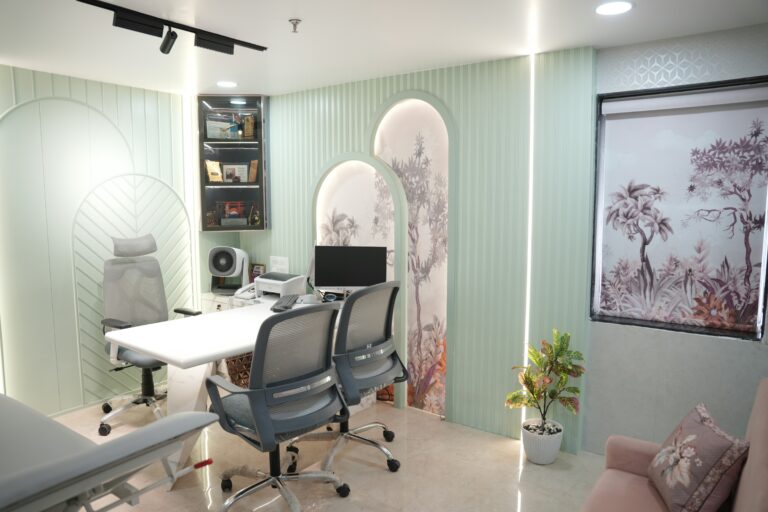

New paint, fresh flooring, and that just-installed furniture smell are classic off gassing. Those fumes come from volatile organic compounds (VOCs) that drift out of materials for weeks or months, and a purifier with serious carbon filtration alongside a true particle filter makes a noticeable difference. These six Blueair models all pair a HEPASilent particle stage with activated carbon to handle the VOCs that drive headaches and irritation. Pick by room size, square footage, and how much smart control you actually want.
A Snapshot Of The Selections
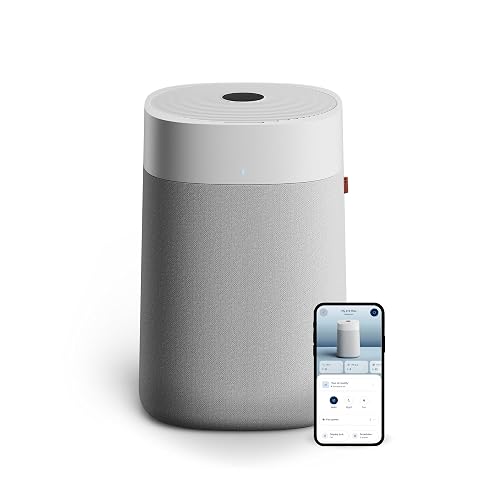
BLUEAIR Blue Pure 211i Max Smart Air Purifier for Large Rooms
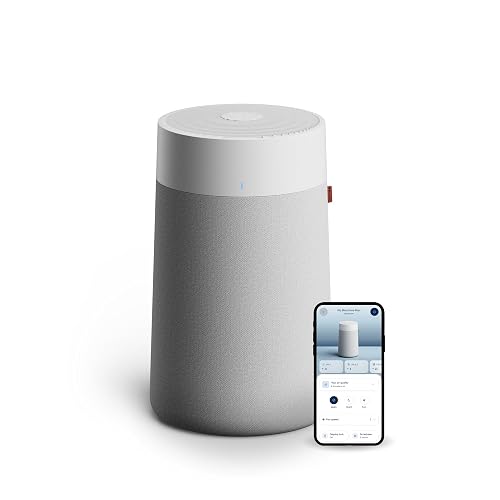
BLUEAIR Blue Pure 311i Max Smart Air Purifier for Medium Rooms
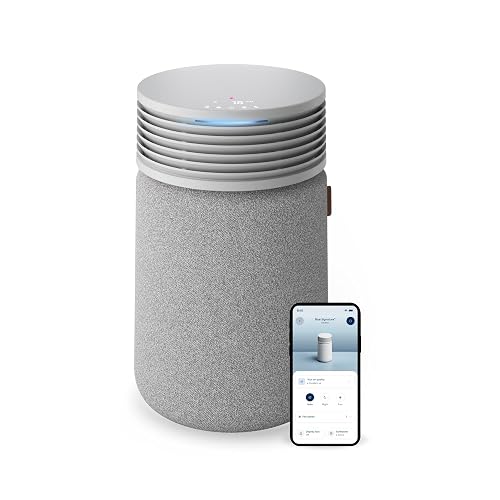
BLUEAIR Blue Signature SP3i Air Purifier for Medium Rooms
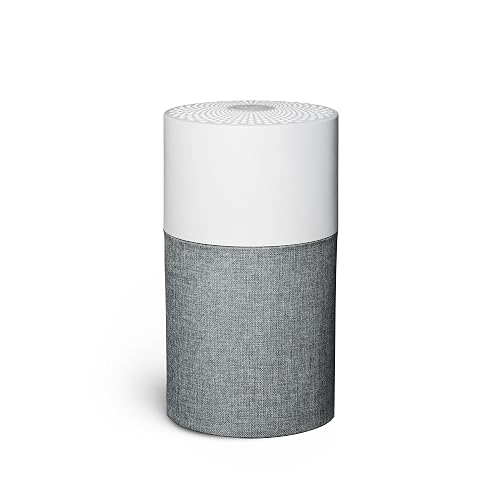
BLUEAIR Blue Pure 511 Air Purifier for Small Rooms
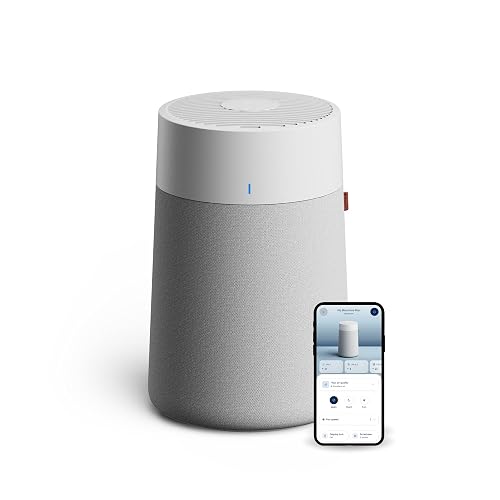
BLUEAIR Blue Pure 511i Max Smart Air Purifier for Bedrooms
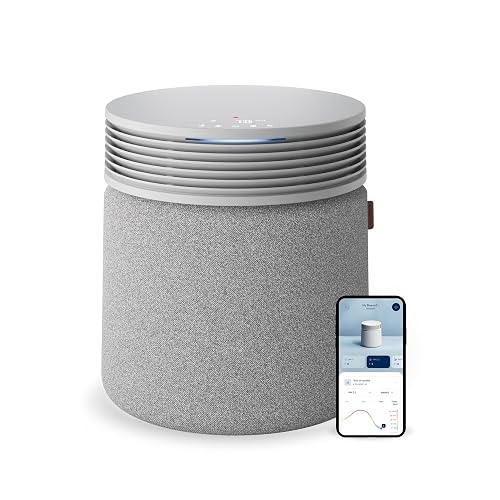
BLUEAIR Blue Signature Air Purifier for Large Rooms
Why These Options Stand Out
The 211i Max is the workhorse of the group, designed for open-plan living rooms where new furniture and rugs tend to release the most VOCs. Its HEPASilent dual filtration combines a mechanical particle filter with an activated carbon layer, which is the part that actually grabs gas-phase chemicals like formaldehyde and benzene rather than just dust. For a freshly painted great room, that combination matters more than raw CADR (clean air delivery rate, the volume of filtered air a unit pushes out per minute) numbers alone.
WiFi and an auto mode let the purifier react when VOC sensors detect a spike, which is helpful during the first weeks after a renovation. Owners commonly report that the unit runs quieter than expected on the lower fan speeds, though the highest setting is audible enough to notice across a large room.
Everyday Advantages
- Covers up to 3,235 sq ft per hour, well beyond what most rivals in this category offer.
- HEPASilent dual filtration pairs a particle stage with activated carbon for VOC capture.
- Auto mode responds to air quality changes during peak off gassing hours.
- WiFi connectivity lets you schedule runs and check filter life from a phone.
- Larger filter surface area means longer replacement intervals, lowering yearly maintenance.
Things To Consider
- The tall cylindrical body takes up meaningful floor space in tight rooms.
- Replacement filters cost more than the smallest Blueair models, which adds up over years.
Quick Facts
Who It Suits Best
Homeowners with large open-plan living rooms who are dealing with a renovation or new build and want one unit to cover the main space.
Look Elsewhere When
The BLUEAIR Blue Signature Air Purifier covers a touch more square footage per hour and is the better pick if your floor plan runs past 3,200 sq ft.
Step down from the 211i Max and you land on the 311i Max, the right size for most bedrooms and home offices. Off gassing from new mattresses, dressers, and carpet padding tends to be most intense in sleeping spaces, so a quieter unit with the same HEPASilent core makes practical sense. The auto mode still does the heavy lifting overnight, ramping up only when particle or VOC levels climb.
Compared to the larger 211i Max, the 311i Max trades some raw coverage for a smaller footprint and noticeably less fan noise. For a typical 400 to 600 sq ft master bedroom, the air exchange rate is more than adequate for VOC reduction.
Everyday Perks
- Cleans 439 sq ft in roughly 12.5 minutes, quick enough for closed-door bedrooms.
- Same HEPASilent dual filtration as the larger 211i Max for consistent VOC handling.
- WiFi control with scheduling suits renters who cannot hardwire smart switches.
- Compact body fits on a dresser or nightstand without dominating the room.
Worth Noting
- Replacement filters are specific to the 311i Max series, so keep model numbers handy when reordering.
- The fabric pre-filter tends to show dust buildup faster than the metal grilles on some competitors.
Right Fit For
Anyone outfitting a mid-size bedroom with new furniture, particularly people sensitive to odors who want consistent overnight air turnover.
Consider Something Else When
The BLUEAIR Blue Signature SP3i Air Purifier is a stronger match if you want a tabletop design and noticeably higher coverage in a similarly sized room.
The Blue Signature SP3i takes a different approach with a tabletop-friendly footprint and a 7-stage HEPASilent filter stack. That extra staging matters for off gassing, since additional carbon and pre-filter layers can pull more of the heavier VOC molecules that single-stage filters leave behind. The AHAM verification also means the CADR claims have been independently measured, a useful trust signal during a renovation.
For most mid-size living rooms, this unit threads the needle between the 311i Max and the larger Signature flagship. Owners with new cabinetry or recent painting often lean on auto mode for the first month, then drop to a quieter manual setting as the worst of the off gassing fades.
Strengths Worth Knowing
- 7-stage HEPASilent filtration goes deeper than the standard dual-stage setup.
- AHAM verified performance adds confidence to the published CADR numbers.
- Cleans 498 sq ft in about 12.5 minutes, useful in living rooms with high ceilings.
- Built for table placement, so it tucks into corners without dominating floor space.
Honest Caveats
- Premium filter design means replacement cartridges cost more than the Blue Pure line.
- The denser filter stack can restrict airflow slightly compared to slimmer models.
Feature Snapshot
Best Suited To
Mid-size room owners who have just finished a remodel and want a feature-dense unit that can keep up with heavy off gassing for several weeks straight.
Skip It When
The BLUEAIR Blue Pure 511i Max is a more sensible pick for small bedrooms, where the SP3i’s extra capacity and footprint would be overkill.
The Blue Pure 511 is the smallest unit in this lineup, and that is exactly why it earns its spot. Nurseries, guest bedrooms, and small home offices get a different off gassing profile than living rooms, with concentrated fumes from a single dresser, crib, or bookshelf. At about 24 dB on the lowest speed, this purifier can sit on a changing table or beside a nightstand without disturbing sleep.
The trade-off is coverage, since 432 sq ft per hour is modest compared to the bigger units. For a 180 sq ft nursery, though, that is a complete air change in roughly 12.5 minutes, which is plenty aggressive for VOC control.
Features That Help
- 24 dB low-speed operation is genuinely quiet, suitable for overnight use.
- Compact cylinder fits on shelves, dressers, or side tables.
- HEPASilent dual filtration keeps the same VOC handling as larger models, just at lower throughput.
Points To Keep In Mind
- No WiFi or smart features, so you set fan speeds manually.
- Coverage drops off sharply in rooms larger than 300 sq ft, limiting flexibility.
Feature Card
Made For
Parents and apartment dwellers who want a quiet, compact unit for a single small room with new furniture or a fresh paint job.
Not Your Match When
The BLUEAIR Blue Pure 511i Max is a smarter pick if you want WiFi control and slightly more coverage in the same compact class.
The 511i Max takes the same compact body as the original 511 and layers in WiFi, app control, and a noticeable bump in coverage. Off gassing from a new mattress and bed frame in a 200 to 300 sq ft bedroom is a real concern for the first few months, and the auto mode can ramp the fan up only when needed, keeping noise low overnight. Coverage of 1,138 sq ft per hour gives you more headroom than the standard 511.
Compared to the larger 311i Max, this unit is a better fit for studio apartments and smaller primary bedrooms where the higher-capacity model would be running at low speed most of the time anyway.
Benefits That Matter
- WiFi and auto mode adjust output without manual intervention.
- Cleans 237 sq ft in about 12.5 minutes, ideal for small bedrooms and nurseries.
- HEPASilent dual filtration handles particles and VOCs in the same compact form factor.
- App scheduling helps coordinate runs around sleep hours.
Potential Drawbacks
- Smaller carbon filter means it saturates faster under heavy renovation fumes than the larger Blueair models.
- WiFi setup can be finicky on mesh networks, based on widely reported experiences.
Whose Shelf It Belongs On
Studio apartment dwellers and small-bedroom owners who want smart features without committing to a full-size unit.
Reach For A Different Pick When
The BLUEAIR Blue Pure 311i Max is the better fit for medium bedrooms, where the 511i Max’s smaller carbon filter would cycle through replacements too quickly.
The flagship Blue Signature is built for the kind of space that smaller units simply cannot touch, think vaulted living rooms, finished basements, and open-concept layouts north of 700 sq ft. With 3,385 sq ft of hourly coverage, a single unit can manage the entire main floor during a renovation, which keeps VOC levels from drifting between rooms. The 7-stage HEPASilent filtration mirrors the SP3i design but in a higher-capacity format.
WiFi, auto mode, and quiet operation round out a package that competes with the 211i Max at a similar size. The honest read is that most households do not need this much air movement, but for new builds with lingering off gassing, it is reassuring insurance.
What Earns Its Place
- Highest coverage in the lineup at 3,385 sq ft per hour.
- 7-stage HEPASilent filtration targets heavy VOCs from new construction.
- Smart WiFi control with auto mode for hands-off operation.
- Quieter than expected given the airflow volume.
Trade-Offs To Consider
- Body is large, so plan a permanent spot before unboxing.
- Replacement filters are the priciest in this lineup, a real consideration for long-term ownership.
Quick Facts
Perfect Match For
New-build homeowners with large open floor plans who want a single flagship unit to handle off gassing across the entire main level.
Swap It Out When
The BLUEAIR Blue Pure 211i Max offers nearly as much coverage at a lower tier, making it the better value for rooms under 3,200 sq ft.
Choosing a Purifier That Actually Handles VOCs
Off gassing is a different problem than seasonal allergies. VOCs are gases, not solid particles, so a standard mechanical filter alone will not catch them. Look for a unit that pairs a true HEPA or HEPASilent particle stage with an activated carbon layer, since carbon is the medium that adsorbs (traps on its surface) gas-phase chemicals like formaldehyde, benzene, and toluene.
Room size is the next decision point. Match the unit’s coverage rating to your actual square footage rather than guessing, because undersized purifiers run continuously without clearing the air. HEPASilent technology pairs electrostatic charging with mechanical filtration, which lets Blueair units deliver high CADR numbers at lower noise levels than traditional HEPA-only designs.
Smart features are useful but not essential. WiFi, app control, and auto modes matter most during the first weeks of heavy off gassing, when VOC levels spike unpredictably. Once the worst fumes fade, you can run a simpler model on a manual setting.
Filtration Depth and Carbon Capacity
The depth of the carbon layer determines how long a purifier can keep up with renovation fumes before the filter saturates. Larger units like the Blue Signature series hold more carbon and run longer between replacements. Smaller models, like the Blue Pure 511, are best for short-term, low-concentration off gassing in single rooms.
Noise and Placement
Bedroom placement calls for units that hold noise below 30 dB on low settings, which rules out running the highest fan speeds overnight. Tabletop designs like the SP3i keep floor space clear in tight nurseries. Floor-standing units like the 211i Max and Blue Signature flagship work better in living areas with room to breathe.
Smart Features vs. Manual Control
Auto modes rely on particle and sometimes VOC sensors to ramp the fan up or down. In practice, that means less babysitting during the unpredictable first month after a renovation. Manual-only models cost less up front, though, and may appeal to anyone who prefers a fixed routine.
Key Considerations Across These Picks
Mistakes Worth Dodging
Choosing a purifier based on square footage alone is a common trap, since coverage ratings do not account for VOC load. A brand-new build with fresh paint, new flooring, and new cabinetry releases far more fumes than a furnished older home, and undersized filters saturate quickly under that load. Match capacity to the intensity of the off gassing, not just the room size.
Where The Extra Money Goes
The flagship Blue Signature models add 7-stage filtration, higher CADR, and longer filter life compared to the Blue Pure 511. The upgrade is worth it for new builds, whole-floor coverage, or anyone sensitive to chemical odors. For a single small bedroom with light off gassing, the compact 511 or 511i Max delivers the same core HEPASilent technology at a friendlier tier.
Frequently Asked Questions
How long should an air purifier run during off gassing?
Run the purifier continuously for the first two to four weeks after a renovation, since VOC release is heaviest early on. Many homeowners drop to intermittent operation once the strongest chemical smell fades, but for a new build, six to eight weeks of near-constant use is common.
Do all HEPA filters handle VOCs?
No. Standard HEPA filters trap solid particles, not gases. Off gassing requires an activated carbon layer alongside the particle stage to capture VOCs. All six Blueair models in this lineup pair HEPASilent filtration with carbon, which is why they appear here.
Where should the purifier sit for best results?
Place the unit in the room with the most new materials and keep doors closed to isolate the space. Elevated positions, like a dresser or table, help the purifier pull air from the full height of the room, including VOC-heavy zones near fresh paint and new flooring.
How often do carbon filters need replacement?
Under typical home use, every six to twelve months. During heavy off gassing from a new build, expect to replace the carbon stage closer to the four- to six-month mark. Filter life indicators on the smart models take the guesswork out of the schedule.
Can one purifier cover an entire floor?
Only if its hourly coverage rating matches or exceeds the total square footage. The Blue Signature flagship, at 3,385 sq ft per hour, is the most realistic single-unit option for a true whole-floor approach. Most homes benefit more from placing a correctly sized purifier in the most affected room.
Closing Remarks
Off gassing fades with time, but a well-matched purifier makes the waiting period far more comfortable. Match the unit to your room size, prioritize activated carbon alongside the particle stage, and lean on auto mode during the heaviest release weeks. Any of the six options here will handle the job; the right one simply depends on where you need it most.