
Air purifiers built around True HEPA capture do the heavy lifting in homes where you want fewer airborne irritants floating between rooms. For households chasing virus and bacteria reduction alongside everyday dust and pet dander, the right machine pairs dense filtration with a CADR (Clean Air Delivery Rate) matched to your square footage. This list rounds up ten options spanning compact bedrooms, large open-plan living areas, and pet-heavy spaces, with a mix of app-connected smarts and no-fuss button models. Every pick was chosen for filter integrity, room-size fit, and the kind of ownership experience that holds up after a year of daily use.
A Snapshot Of The Selections
Hunter HP450UV Round HEPA Air Purifier Tower
LEVOIT Core 300 Air Purifier H13 True HEPA Filter
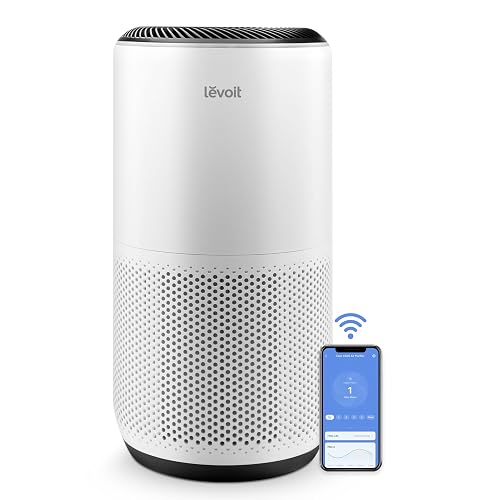
LEVOIT Core 400S-P Smart Air Purifier

DREO DR-HAP009 Air Purifier for Large Rooms
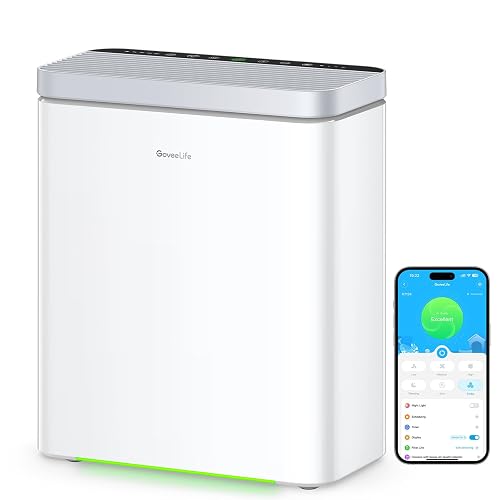
GoveeLife Smart Air Purifier for Large Rooms
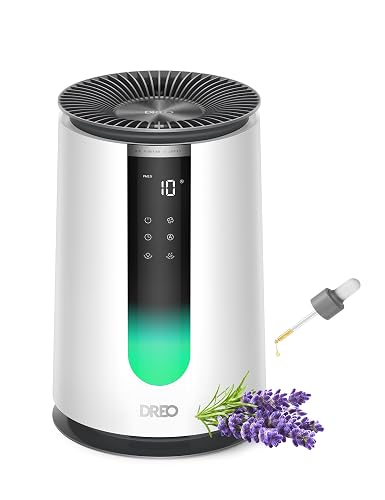
DREO DR-HAP008 Air Purifier with Scent Diffuser
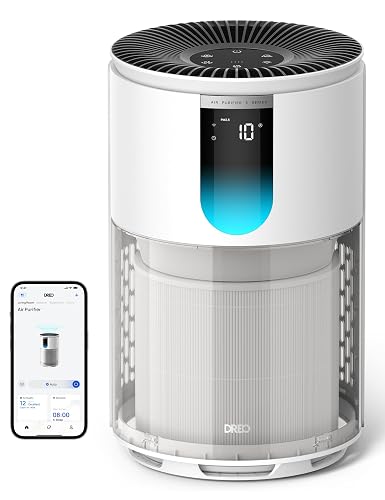
DREO DR-HAP009S Smart Air Purifier
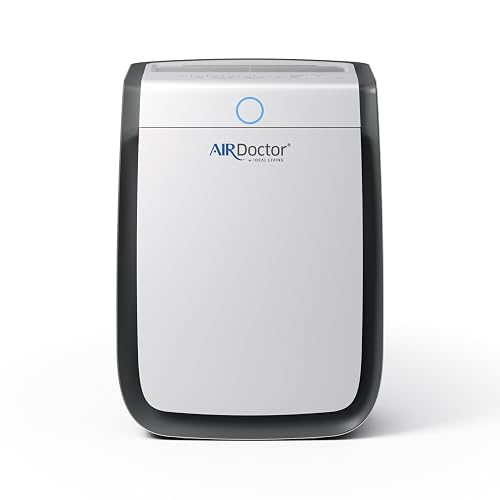
AIRDOCTOR AD3500 UltraHEPA Air Purifier
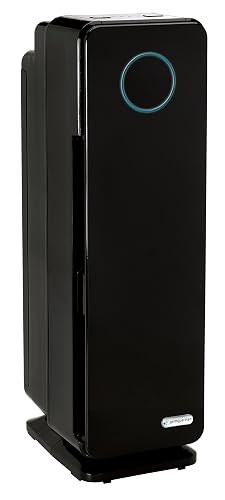
GermGuardian 5-In-1 HEPA Air Purifier with UV-C
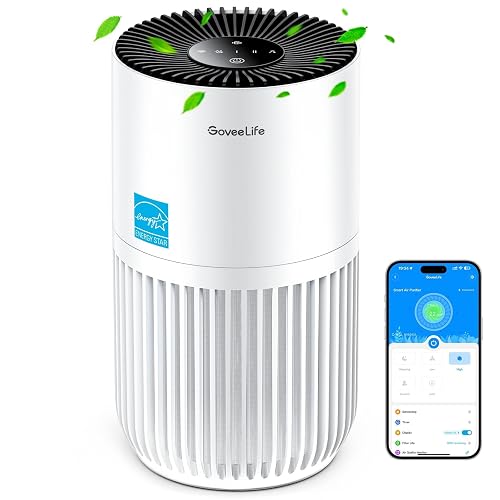
GoveeLife Smart Mini Air Purifier for Bedroom
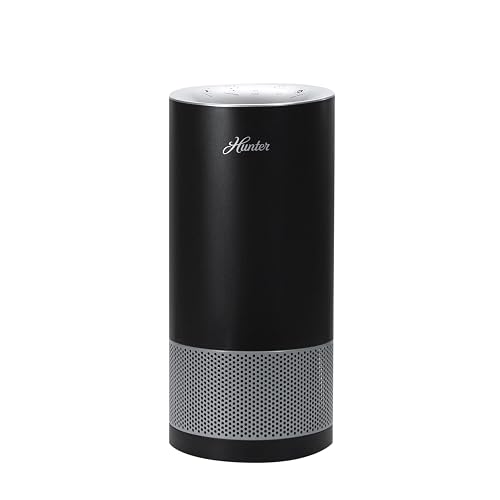
The Hunter HP450UV brings a compact tower footprint to small bedrooms and dens where floor space matters. Its round body fits neatly in a corner, and the EcoSilver pre-filter (a treated layer designed to resist microbial growth on the filter surface) pairs with a True HEPA stage to trap fine particles. A built-in UV light adds an extra layer aimed at airborne microorganisms, which is the main reason it lands on a virus- and bacteria-focused list.
You get three fan speeds and a simple control layout that works without an app. For most people running this in a 150-square-foot bedroom, the difference in dust and pet dander shows up within a day or two. The trade-off is room size, since the HP450UV is best matched to smaller spaces rather than open living areas.
Where It Excels
- True HEPA plus UV-C support for capturing fine particles and tackling airborne microbes
- Compact round tower that tucks into tight bedroom corners
- Pre-filter resists microbial growth, extending media life between changes
- No-app simplicity with three speeds for easy day-to-day use
Honest Caveats
- Best suited to small rooms; coverage tapers in open layouts
- UV light works alongside, not instead of, the HEPA filter, so expect standard filter replacements
Who It Suits Best
Anyone outfitting a small bedroom or home office who wants UV-C support in a no-fuss tower that runs quietly through the night.
Consider Something Else When
You need to clean a large open-plan space, where the LEVOIT Core 400S-P handles far more square footage with stronger airflow.
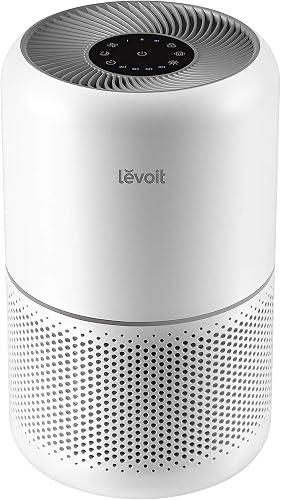
Compact plastic body, H13-grade HEPA filter, and a sleep mode running near 24 dB (about the volume of a whispered conversation). The LEVOIT Core 300 has earned a reputation as the bedroom default, and for good reason. You can place it on a nightstand without it intruding on light sleepers, and the three-stage filtration handles dust, pollen, and pet dander with steady consistency.
Compared with the Hunter tower above, this model skips UV-C in favor of a denser H13 filter (rated to capture 99.97% of particles down to 0.3 microns). For allergy households who want quiet over extras, it remains a sensible everyday pick. Owners commonly report filter changes every six to eight months under normal use, which keeps upkeep low.
Reasons It Performs
- Sleep mode near 24 dB for undisturbed nights
- H13 True HEPA media captures very fine particles
- Compact cylinder fits on desks and nightstands
- AHAM Verifide rating offers third-party CADR validation
Trade Offs
- No UV-C stage for users wanting a light-based microbial layer
- Best in bedrooms; coverage drops in rooms over about 300 square feet
- Replacement filters are brand-specific, so swapping to off-brand options is limited
Made For
Light sleepers in studio apartments or small bedrooms who want near-silent operation and reliable allergen filtration.
Skip It When
You need whole-home or open-concept coverage, where the DREO DR-HAP009 pushes much more air per minute.
Step up to the Core 400S-P and the conversation shifts from bedroom to large living area. Rated for spaces up to 1,733 square feet, this LEVOIT pairs the same H13 filter family as the Core 300 with smart features, including an air quality monitor, auto mode, and VeSync app control. For households who want the purifier to react on its own when cooking smoke or pollen spikes, auto mode is the draw.
The physical size grows accordingly, so plan for a corner placement rather than a shelf. Owners commonly appreciate the child lock and the filter life indicator that removes guesswork. Against the Hunter round tower earlier in this list, the 400S-P is less about UV and more about sheer coverage and automation, which fits a different kind of household.
A Favorable Mix
- Covers rooms up to 1,733 ft², ideal for open living areas
- Auto mode reacts to air quality readings in real time
- App control schedules, monitors, and tracks filter life
- AHAM Verifide performance for third-party CADR validation
Points To Note
- Larger footprint than compact bedroom units
- App setup requires 2.4 GHz Wi-Fi, which can frustrate dual-band routers
- Replacement filters run higher than smaller LEVOIT models
Right Fit For
Open-plan homes and busy families who want hands-off air management with a purifier that adjusts to daily activity on its own.
Look Elsewhere When
You mostly need a small-space solution, where the LEVOIT Core 300 saves money and shelf space.
DREO built the DR-HAP009 for users who want visible feedback on what is happening in the air. A front-facing PM2.5 display (a numeric readout of fine particulate matter under 2.5 microns in diameter) cycles through real-time readings, and the auto mode dials fan speed up or down based on those numbers. In a 245-square-foot room, it can refresh the air roughly every 12 minutes at full output.
Turbo mode is genuinely loud, so most users will rely on auto and the four-step speed range. Where the LEVOIT Core 400S-P leans on app control, the DREO keeps things front-panel driven, which works for households that prefer not to fiddle with phones. Filter swaps are tool-free from the side panel, a small but appreciated touch.
Benefits That Matter
- PM2.5 display gives immediate, readable air quality feedback
- AHAM Verifide with a CADR of 158 CFM (cubic feet per minute) for measured output
- Four speeds plus turbo for fast cleanups after cooking
- Tool-free filter swaps from the side panel
Things To Weigh
- Turbo mode is loud, so nighttime use defaults to lower speeds
- No app or voice control on this non-smart variant
- Body is wider than compact bedroom units, plan placement accordingly
Best Suited To
Pet owners and home cooks who want a real-time air quality readout without relying on a smartphone app for daily control.
A Better Fit Elsewhere
You want voice or Wi-Fi control, where the DREO DR-HAP009S adds smart features to the same core hardware.
Where DREO puts a PM2.5 readout on the front, GoveeLife puts the controls in your pocket. The app-driven experience schedules cycles, adjusts fan speed, and pings you when the filter needs attention. Coverage stretches to roughly 1,046 square feet at one air change per hour, which fits most living rooms without pushing into whole-home territory.
The trade-off is that without a strong Wi-Fi signal, the smart features feel half-finished. Owners commonly note that initial pairing on a 5 GHz network can be finicky, so a 2.4 GHz setup is the smoother path. As a value-minded smart option, it lands between the LEVOIT Core 400S-P and the smaller bedroom units in both price and feature set.
Real Benefits
- App and voice integrations for hands-free scheduling
- CADR of 135 CFM at full output for steady room refresh
- Filter change reminders prevent forgotten maintenance
- Coverage up to 1,046 ft² for medium-to-large rooms
Soft Spots
- App setup is smoother on 2.4 GHz networks than 5 GHz
- No physical PM2.5 display, all feedback routes through the app
- Smart features add little if you prefer button-only controls
Who Should Grab It
Smart-home households already running routines and voice assistants who want a purifier that joins the existing setup.
Swap It Out When
You want a visible air quality readout on the device itself, where the DREO DR-HAP009 leads with its PM2.5 screen.
The DR-HAP008 is the smaller sibling to the DR-HAP009, sized for bedrooms with a 178-square-foot refresh range. What sets it apart is a built-in scent tray, a small slot where you can add a few drops of essential oil for a light fragrance. Air cleaning comes first, and the aroma feature is optional, which is the right ordering for a purifier.
At 115 CFM CADR, it moves less air than the larger DREO but matches it on auto mode, PM2.5 monitoring, and four-step fan control. The honest read is that the scent tray is a nice-to-have, not a reason to buy on its own. If you want fragrance with filtration, this delivers both without forcing a second device on the nightstand.
What Pays Off
- Optional aroma tray for light bedroom fragrance
- PM2.5 monitor with auto mode for hands-off use
- AHAM Verifide for third-party performance validation
- Tool-free side-panel filter access for simple maintenance
Less-Strong Areas
- Coverage tops out around 178 ft², best for bedrooms
- Scent oils can leave residue on the tray if overused
- No app or voice control on this non-smart variant
Perfect Match For
Bedroom users who want gentle air cleaning plus a light scent option without stacking multiple devices on the nightstand.
Reach For A Different Pick When
You need larger-room coverage, where the DREO DR-HAP009’s higher CADR and bigger body make more sense.
Take everything the DR-HAP009 does and add Wi-Fi plus voice assistant pairing, and you get the DR-HAP009S. The fan stages, PM2.5 monitor, and 158 CFM CADR carry over unchanged, so the air cleaning story is identical. What changes is how you interact with it: the app handles scheduling, and voice commands handle quick on-off or speed changes.
For a connected large-room setup, this is the natural fit. Owners commonly report that the dual-band Wi-Fi setup on DREO’s app is more forgiving than GoveeLife’s, which matters if your router splits traffic across both bands. Compared with the LEVOIT Core 400S-P covered earlier, the DREO matches it on smart features and adds a visible PM2.5 display for at-a-glance feedback.
Bright Spots
- Wi-Fi and voice control for hands-free operation
- PM2.5 display plus app readouts for layered feedback
- CADR of 158 CFM at full output for fast room refresh
- AHAM Verifide performance validation
Possible Compromises
- Larger footprint than compact bedroom units
- Smart features add little value for non-app households
- Replacement filter cost runs higher than non-smart DREO models
Whose Shelf It Belongs On
Connected households running voice assistants who want a large-room purifier with both app control and a visible PM2.5 readout.
Where A Sibling Pick Shines
You prefer button-only control, where the standard DREO DR-HAP009 delivers the same airflow without the smart layer.
The AIRDOCTOR AD3500 is the workhorse of the list, rated to clean spaces up to 2,520 square feet in an hour. Its UltraHEPA filter (a dual-sealed media layer the brand rates to capture particles down to 0.003 microns) is paired with a carbon pre-filter (an activated charcoal layer that absorbs odors and gases) aimed at smoke and VOCs (volatile organic compounds, the gases released from paints, cleaning products, and furnishings). For households dealing with wildfire smoke or persistent cooking odors, this is the model that handles both without slowing down.
The trade-off is size and cost. It is a tall, heavy unit meant for living rooms and large bedrooms, not nightstands. Against the LEVOIT Core 400S-P, the AD3500 trades app features for sheer coverage and a more substantial filter media, which fits a different priority list.
Useful Strengths
- UltraHEPA-grade media for finer particle capture than standard HEPA
- Carbon pre-filter targets smoke, odors, and VOCs
- Cleans up to 630 ft² in 15 minutes for fast recovery
- Coverage up to 2,520 ft² per hour for open-plan homes
Factors To Consider
- Larger and heavier than bedroom units, plan floor placement
- Replacement filter cost is higher than standard HEPA models
- No app or voice control, all settings are on the unit itself
Key Product Details
Built With In Mind
Households in wildfire-prone regions or open-plan homes with persistent odors who want heavy-duty filtration over app-based controls.
Not Your Match When
You need a small bedroom unit, where the LEVOIT Core 300 fits the space and budget far more comfortably.
The GermGuardian AC4300BPTCA stacks five filtering stages into a 22-inch tower, including a True HEPA filter, a UV-C light, and an antimicrobial treatment on the pet filter. The combination is built for homes where pet dander and household odors are daily concerns. Rated for rooms up to 743 square feet, it covers most medium-sized living spaces without issue.
Where DREO and LEVOIT focus on app polish, GermGuardian stays button-driven, which keeps the interface simple. The UV-C light is optional, and turning it off at night helps with light sleepers. Against the Hunter HP450UV earlier in the list, this model trades compact size for higher coverage and a more layered filter stack.
Notable Gains
- Five-stage filtration with UV-C and antimicrobial pet filter
- Coverage up to 743 ft² for medium living spaces
- Three speeds plus an ultra-quiet night mode
- Tall tower design fits against walls without taking floor depth
Trade-Offs To Consider
- UV-C light produces a faint glow that some users disable at night
- No smart features, all control via the top panel
- Replacement filters use a brand-specific cartridge, limiting third-party options
The Right Fit
Pet households with medium-sized living rooms who want layered filtration and don’t need an app to manage it.
Another Choice May Suit
You want quiet bedroom-first performance, where the LEVOIT Core 300 runs softer on sleep mode and takes up less space.
Smallest on the list, the GoveeLife Mini focuses on nightstands, dorm rooms, and home offices where square footage is limited. Its 360-degree air intake pulls from every direction, so placement against a wall does not choke the airflow the way it would on a front-intake model. Three speeds and two modes (sleep and high) keep the controls simple.
App and voice control come standard, which is rare at this size. The honest read is that this model targets the gap between “I want smart features” and “I don’t have room for a tower.” For larger spaces, the DREO DR-HAP009S earlier in this list handles the workload far more effectively.
What It Does Well
- Compact body fits on nightstands and small desks
- 360° intake works well against walls and corners
- App and voice control for scheduling and filter reminders
- Three speeds with a dedicated sleep mode for quiet nights
Where It May Fall Short
- Coverage is limited to small rooms and personal spaces
- 5 GHz Wi-Fi is not supported, only 2.4 GHz networks work
- Filter changes more frequent than larger units under heavy use
Who Will Love This
Students, apartment dwellers, and home office users who want app control in a unit small enough to hide on a shelf.
Where Another Pick Suits Better
You need a purifier for a large living room or open floor plan, where the AIRDOCTOR AD3500’s 2,520 ft² coverage is a better match.
## What Matters When Shopping For Air Purifiers For Viruses And Bacteria### True HEPA Grade And Filtration LayersTrue HEPA (a filter standard that captures 99.97% of particles at 0.3 microns) is the baseline, but grade matters. H13 filters like those in the LEVOIT Core 300 capture slightly finer particles than standard H11 media, and UltraHEPA in the AIRDOCTOR AD3500 goes a step further. Adding a carbon pre-filter helps with odors and VOCs, while a UV-C stage (a short-wavelength ultraviolet light aimed at airborne microbes) supports microbial reduction alongside mechanical filtration. No filter alone is a substitute for ventilation, so pairing the purifier with regular airflow keeps the room healthy.### Matching CADR To Your Room SizeThe CADR number tells you how much clean air a purifier delivers per minute, and a common rule is to look for a CADR covering at least two-thirds of your room’s square footage. A 300-square-foot bedroom wants a CADR around 200 CFM at full output, while open living areas need considerably more. Picking a model rated for far more space than you have is fine, as it just runs quieter on lower settings.### Noise, Sleep Modes, And Nightstand UseFor bedrooms, noise matters more than most spec sheets suggest. Models with a sleep mode under 25 dB (the LEVOIT Core 300, for instance) sit below the level of a quiet library, so they don’t disturb light sleepers. UV-C lights with a visible glow can be an issue, and disabling them at night is a small but useful feature for darker rooms.### Smart Features, App Control, And Long-Term OwnershipApp-driven models add scheduling, filter reminders, and air quality history, but only if your Wi-Fi plays nicely. Households on mesh networks with split 2.4 GHz and 5 GHz bands may hit setup friction on some brands. Replacement filter cost is the other long-term number worth checking, since high-end media can run two to three times the price of standard HEPA cartridges.## Key Considerations Across These Picks### Where Shoppers Go WrongThe most common slip is buying a purifier rated for far more square footage than the actual room, then expecting whisper-quiet operation. A larger unit in a small bedroom often cycles to its lowest setting and still feels intrusive at night. Another trap is overlooking filter replacement costs, which can exceed the unit’s price over five years of use. Always factor the filter cadence and per-filter cost into the long-term picture, not just the upfront spend.### Where The Extra Money GoesHigher-tier models like the AIRDOCTOR AD3500 add finer UltraHEPA media, dual-sealed filtration, and a carbon pre-filter aimed at gases and odors. Smart-tier units like the LEVOIT Core 400S-P and DREO DR-HAP009S layer in app control, air quality sensors, and auto modes that adjust fan speed without input. The honest case for paying up is when you want a hands-off experience in a large or challenging space; for a single bedroom, mid-tier picks handle the workload without the added cost.## Frequently Asked Questions### Do HEPA filters actually capture viruses and bacteria?True HEPA media captures particles down to 0.3 microns with 99.97% efficiency, and viruses often travel on larger droplets or aerosols, so mechanical filtration handles a meaningful share of airborne microbes. UV-C stages add a light-based layer aimed at reducing microbial load.### How often should I replace the filter?Most household HEPA filters last six to eight months under normal use, and carbon pre-filters can run three to four months. Units with filter life indicators remove the guesswork by counting hours and alerting you through the app or a panel light.### Is CADR more important than room size rating?Both matter, but CADR tells you the actual airflow rate, while room size ratings depend on assumptions about ceiling height and air change rates. A higher CADR is generally a safer choice if you sit between two room-size categories.### Can one purifier cover multiple rooms?Only if the rooms are open to each other. Purifiers work best in a single enclosed space, since walls block airflow between rooms. For whole-home coverage, consider multiple smaller units placed strategically.### Are smart features worth the extra cost?For households already running voice assistants and routines, yes. For button-only users, smart features add little daily value, and the saved cost can go toward better filter media instead.## Bottom LineThe right air purifier for viruses and bacteria depends on your room size, noise tolerance, and how much you want to interact with the device. Small bedrooms do well with the LEVOIT Core 300 or GermGuardian tower, while open living areas benefit from the DREO DR-HAP009S or AIRDOCTOR AD3500. Match the CADR to your square footage, factor in long-term filter costs, and you will end up with a unit that quietly improves daily air quality without overpaying for features you will not use.