

Talking to your heating and cooling system is one of those small daily luxuries that quietly reshapes how a home feels. Walk in with groceries, ask your thermostat to nudge the temperature up, and the room is already settling in. The picks below cover radiant floors, electric baseboards, and central HVAC, so you can match the right hardware to the system you actually live with.
A Closer Look At The Lineup

SunTouch SunStat ConnectPlus Smart Wi-Fi Floor Heating Thermostat 4.3″

Mysa Smart Thermostat for Electric Baseboard Heaters 240V
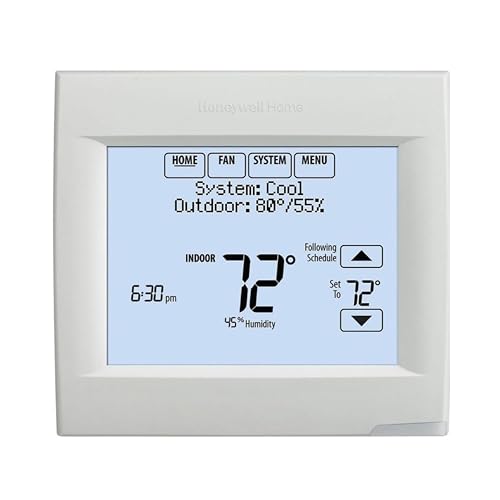
Honeywell TH8321WF1001/U Wi-Fi 8000 Thermostat
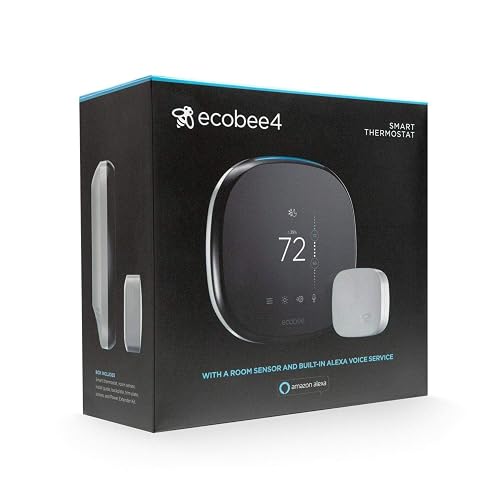
ecobee4 Smart Thermostat with Built-in Alexa

ecobee Smart Thermostat Premium with Smart Sensor
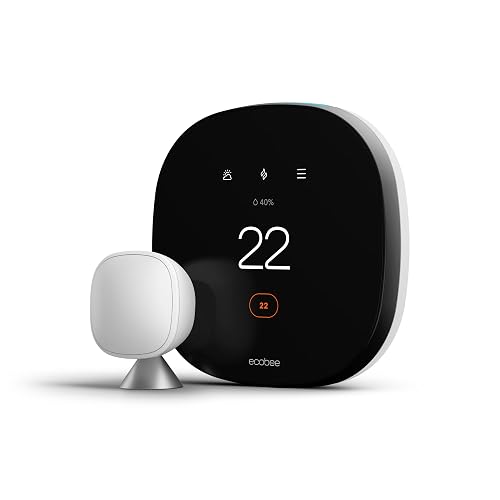
ecobee SmartThermostat with Voice Control
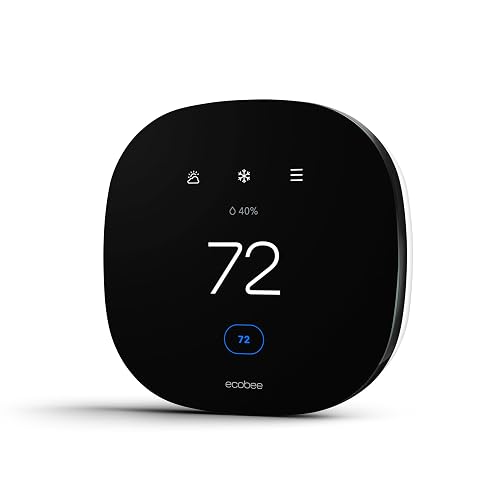
ecobee3 Lite Smart Thermostat (Black)
Inside Each Recommended Option
Radiant floor systems are a different beast from forced-air HVAC, and the SunTouch SunStat ConnectPlus treats them that way. The 4.3-inch touchscreen lives on the wall like a small tablet, giving you a clear read on floor temperature, ambient temperature, and the schedule you’re running.
Where this thermostat earns its keep is in the connection layer. It ties into your home Wi-Fi so you can adjust a chilly bathroom floor from bed, and it carries native compatibility with major voice assistants. If your home heats mostly through tile, stone, or engineered radiant mats, this slot is purpose-built for that setup, whereas the central-Air picks below assume ductwork and a thermostat wire.
Bright Spots
- Dedicated floor-temperature control, ideal for radiant systems
- Voice assistant compatibility keeps hands-free control simple
- Large 4.3-inch touchscreen makes schedule tweaks straightforward
- Remote scheduling and weather-based logic through the companion app
Trade Offs
- Only useful with low-voltage radiant floor systems, not central HVAC
- Installation may require a dedicated thermostat wire and a compatible floor sensor
Quick Facts
Who It Suits Best
Homeowners with electric radiant floors in bathrooms, kitchens, or basements who want voice and app control without abandoning floor-specific scheduling.
Skip It When
You heat the home through forced air or electric baseboards, in which case the Mysa or the Honeywell TH8321WF1001/U will fit your wiring far better.
Most smart thermostats assume a low-voltage control board, and they simply cannot talk to a 240-volt baseboard loop. The Mysa Smart Thermostat for Electric Baseboard Heaters 240V is built specifically for that high-voltage world, and that’s the reason it exists as a separate product rather than another ecobee variant.
It works with line-voltage electric baseboards and fan-forced convection heaters, and it bundles compatibility with the major smart home platforms so you can fold it into routines you already use. The app sends temperature and humidity alerts, which matters in older buildings where moisture swings can creep up unnoticed.
What Makes Sense
- Designed for 120 to 240V high-voltage electric heating
- Works with the most common voice and smart home platforms
- Free companion app with temperature and humidity alerts
- Useful in older apartments and condos that lack low-voltage wiring
Points To Keep In Mind
- Requires at least four wires at the heater, including a neutral or a second live wire, so older two-wire installs may need an electrician
- Maximum supported load is 1900W at 120V or 3800W at 240V, which can fall short for very large rooms with multiple baseboards on one circuit
Made For
Renters and owners in older buildings with electric baseboards or fan-forced heaters who want a clean smart-thermostat experience without rewiring the whole system.
Where Another Pick Suits Better
Homeowners with central air and a common wire already in the wall will get more out of the ecobee SmartThermostat with Voice Control, which assumes a standard 24V setup.
The Honeywell TH8321WF1001/U Wi-Fi 8000 is the kind of thermostat an HVAC installer reaches for when the system is more complicated than a single-stage furnace and a basic air conditioner. It supports up to three heating stages and two cooling stages, which covers heat pumps with auxiliary heat, multi-stage furnaces, and dual-fuel setups.
Wi-Fi is built in, so once it’s wired you get remote access and voice-assistant control on top of the traditional Honeywell programming interface. The display is utilitarian rather than decorative, which tends to suit mechanical rooms, finished basements, and light commercial spaces.
Useful Touches
- Handles up to 3 heat stages and 2 cool stages for complex HVAC
- Wi-Fi built in for app and voice-assistant control
- Suitable for residential and light commercial use
- Compatible with the common low-voltage HVAC control board
Worth Noting
- Interface is functional rather than touch-friendly, so setup may feel less polished than consumer-focused models
- Most homeowners won’t use the extra staging headroom and may be happier with a simpler ecobee
Feature Snapshot
Best Suited To
Households with multi-stage furnaces, heat pumps, or dual-fuel systems who want a proven Honeywell interface and don’t need the flashier touchscreen of an ecobee.
Look Elsewhere When
Your home uses a single-stage furnace and a basic air conditioner, in which case the ecobee SmartThermostat with Voice Control is friendlier for the same job.
The ecobee4 Smart Thermostat with Built-in Alexa was an early attempt to put a microphone and speaker inside the wall where your thermostat lives, and it still holds up if you don’t need the air quality features of newer siblings. Alexa is built in, so a simple “Alexa, raise the temperature” works without an external Echo in the same room.
A room sensor ships in the box, which helps the system average temperature across the rooms you actually use rather than only the hallway where the thermostat sits. Compared to the SunTouch ConnectPlus above, this is a central-Air pick, designed to mount on a standard low-voltage HVAC control board.
Good Reasons To Consider
- Built-in Alexa speaker and microphone for direct voice commands
- Comes with a room sensor for better whole-home averaging
- Compatible with major smart home platforms
- Wall-mount form factor keeps the kitchen counter clear of an extra Echo
Honest Caveats
- Newer ecobee models offer better displays and added air quality monitoring
- Microphone quality is fine for commands but not a music speaker replacement
Who Will Love This
People who want a single wall-mounted device that handles both heating control and Alexa queries, without adding a separate smart speaker to the room.
Not Your Match When
You want a more current ecobee interface and air quality data, in which case the ecobee Smart Thermostat Premium with Smart Sensor is the more modern upgrade path.
The ecobee Smart Thermostat Premium with Smart Sensor is the most feature-loaded ecobee in this roundup, and the inclusion of a built-in air quality monitor is the headline change from older models. Where the ecobee4 mostly cares about temperature, this one will nudge you when air quality drops or when the furnace filter is approaching the end of its life.
Premium materials give the unit a more substantial feel on the wall, and the display is noticeably more vibrant than the older ecobee4. You also get either Siri or Alexa baked in, which is useful if your household splits between ecosystems. It is designed for a standard 24V HVAC system with a common wire.
Benefits That Matter
- Built-in air quality monitor with improvement tips and filter reminders
- Includes a SmartSensor to balance comfort across multiple rooms
- Choice of built-in Siri or Alexa for direct voice commands
- Premium display and materials, designed as a feature-rich whole-home hub
A Few Limitations
- Some security features require an active ecobee subscription plan
- Price reflects the premium tier and may be more than a basic homeowner needs
Core Details
Right Fit For
Shoppers who treat the thermostat as a small home hub, want air quality visibility, and don’t mind paying a premium for the bigger display and bundled sensor.
Reach For A Different Pick When
You only need basic smart scheduling, in which case the ecobee3 Lite Smart Thermostat covers the same voice control at a noticeably lower tier.
The ecobee SmartThermostat with Voice Control is the model most reviewers picture when they hear “smart thermostat.” It hits the middle of the ecobee lineup, more capable than the ecobee3 Lite but simpler than the Premium above. Voice control is built in, and a SmartSensor ships in the box.
It is designed for a standard 24V HVAC system with a common wire, so it covers the typical gas furnace, central air, and heat pump setups found in most North American homes. For households that want room sensors, a built-in voice assistant, and a polished app, this is the practical sweet spot.
What Helps Most
- Built-in voice control for hands-free temperature changes
- SmartSensor included to manage hot and cold spots
- Compatible with the major smart home platforms
- Designed for standard central HVAC with a common wire
Possible Compromises
- Lacks the air quality monitoring of the newer Premium model
- Requires a common wire, so older homes may need a power adapter
Perfect Match For
Most homeowners with a standard central HVAC system who want a capable smart thermostat without paying for premium-only extras like air quality monitoring.
A Better Fit Elsewhere
Households that specifically need air quality data should consider the ecobee Smart Thermostat Premium, while those with electric baseboards will find the Mysa more appropriate.
The ecobee3 Lite Smart Thermostat is the entry point into the ecobee family, and it does the core job well: programmable Wi-Fi temperature control with the major voice assistants. It drops the built-in speaker and microphone of its siblings, so it relies on an external smart speaker for voice commands, but the wall unit still talks to Alexa, Siri, and Google Assistant through your existing devices.
It is a smart pick for a first smart thermostat, especially in a smaller home or apartment where you want scheduling and remote control without the cost of a Premium model. The black finish keeps it discreet on most walls.
What Earns Its Place
- Lower cost than the ecobee4 or Premium while keeping Wi-Fi and app control
- Compatible with major voice assistants through external smart speakers
- Programmable scheduling that handles most households out of the box
- Works with a standard 24V HVAC system, including many DIY installs
Small Caveats
- No built-in voice assistant, so you need a separate Echo or similar for hands-free control
- Does not include a SmartSensor, so it relies on the temperature at the wall
Feature Card
Who Should Grab It
First-time smart thermostat shoppers who already own a compatible smart speaker and want a clean, app-driven upgrade over a basic programmable thermostat.
Swap It Out When
You want built-in voice on the wall itself, in which case the ecobee SmartThermostat with Voice Control is the natural step up.
Matching The Right Thermostat To Your System
Choosing between these picks really comes down to the heating and cooling hardware already on your wall. A smart thermostat that does not match the wiring will not work, no matter how nice the app looks. Start by identifying your system, then narrow the list from there.
Confirm Your System Voltage
Low-voltage 24V systems are the most common in central HVAC homes, and they cover every ecobee in this roundup plus the Honeywell TH8321WF1001/U. High-voltage 120V to 240V systems power electric baseboards and many fan-forced heaters, and they need a specialized unit like the Mysa. SunTouch is its own category, designed for low-voltage radiant floor loops.
Think About Voice Placement
If you already own a smart speaker in the main living area, the ecobee3 Lite and the Honeywell Wi-Fi 8000 give you voice control through that device. If you would rather not buy a separate speaker, the ecobee4, ecobee SmartThermostat with Voice Control, and the Premium all put a microphone and speaker directly on the wall.
Match Sensors To Your Home Layout
Open floor plans tend to be comfortable with a single thermostat reading. Multi-room homes with a sunroom, a finished basement, or a nursery benefit from bundled SmartSensors that come with the ecobee4, the SmartThermostat with Voice Control, and the Premium. The ecobee3 Lite skips the bundled sensor to keep cost down.
Plan For Installation Reality
Central-Air ecobees need a common wire, often labeled C, to deliver continuous power. Homes built before the early 2000s sometimes lack that wire, and a power adapter or a small electrical job may be required. The Mysa requires at least four wires at each heater, which is common in newer construction but not in older baseboard loops.
Key Considerations Across These Picks
Pitfalls Shoppers Hit
A common slip is grabbing a 24V smart thermostat for a 240V baseboard system and wondering why nothing powers on. The second trap is ignoring the common wire requirement and ending up with a thermostat that loses power when the Wi-Fi radio wakes up. A third is buying a top-tier Premium model for a one-bedroom apartment where an ecobee3 Lite would do the same job.
The Upgrade Payoff
The jump from the ecobee3 Lite to the ecobee Smart Thermostat Premium is mostly about air quality monitoring, a more vibrant display, and bundled sensors. That upgrade is worth it for households with allergy concerns, a nursery, or an older HVAC system where filter changes get forgotten. For most single-family homes with a simple furnace and central air, the SmartThermostat with Voice Control covers the same daily comfort with fewer features you would not use.
Frequently Asked Questions
Do all smart thermostats work with Alexa?
No, and that is why this list exists. Each model here has confirmed Alexa compatibility, but some thermostats on the broader market are HomeKit-only or work with a narrower set of voice platforms. Always check the product listing for the specific platform you use.
Can I install a smart thermostat myself?
Most ecobee models and the Honeywell TH8321WF1001/U are within reach of a confident DIYer with a screwdriver and a phone camera for documenting the existing wiring. The Mysa and the SunTouch ConnectPlus are also DIY-friendly for matching systems, but baseboard wiring and floor-sensor wiring still benefit from turning off the breaker and following the install guide closely.
Will a smart thermostat work without Wi-Fi?
The thermostat itself will still turn the heat on and off using its on-device schedule, but you will lose remote app control, voice assistant features, and any weather-based automation. Most households find Wi-Fi essential for the experience to feel smart.
What is a common wire and why does it matter?
A common wire, usually labeled C, delivers continuous 24V power to the thermostat. Smart thermostats with Wi-Fi radios and color displays draw more current than older battery-style models, and the common wire keeps them powered without draining a battery. If your existing wiring lacks a C wire, the ecobee power adapter accessory or a small rewiring job is the typical fix.
Do I need a room sensor?
You need a room sensor if your home has a hot or cold spot that the hallway thermostat cannot see, such as a finished basement bedroom or a sun-soaked upstairs office. The bundled SmartSensors in the ecobee4, SmartThermostat, and Premium help the system average temperature across the rooms you actually use rather than just the hallway.
Bottom Line
The right pick depends on your system: SunTouch for radiant floors, Mysa for high-voltage baseboards, Honeywell for multi-stage HVAC, and an ecobee tier based on how much voice and sensor capability you want. Match the wiring first, then choose the smart features that match the way you actually live.