
Your home air shapes how you sleep, how you feel after cooking, and how your sinuses behave when pollen spikes. The right unit clears dust, dander, and lingering odors without becoming a noisy, blinking presence in the corner. This roundup walks through seven solid options, including a strong slate of Austin Air purifiers and one compact Crane unit, so you can match filtration depth, room size, and maintenance style to your space.
The Lineup, Simplified
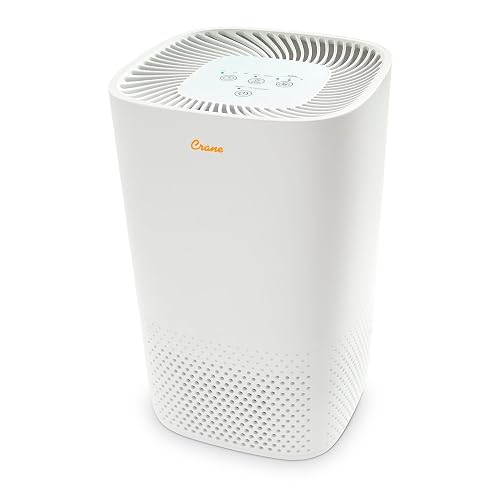
Crane Air Purifier with True HEPA Filter and UV Light
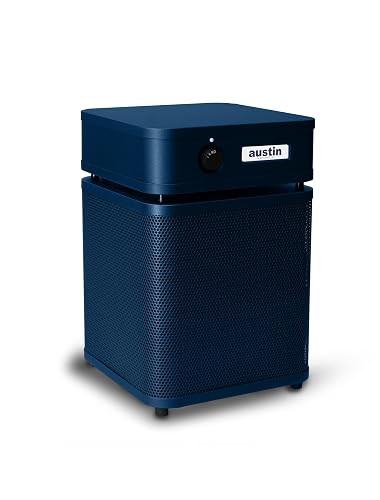
Austin Air HealthMate Junior Air Purifier, Midnight Blue, Model A200
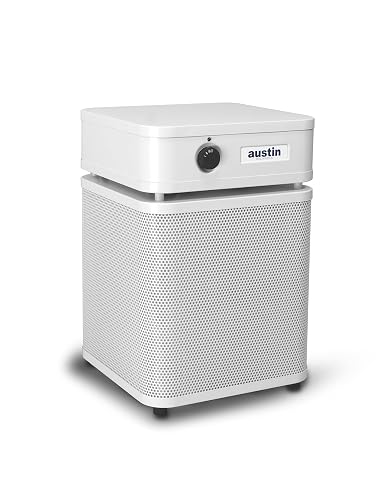
Austin Air HealthMate Plus Junior Air Purifier, White, Model A250
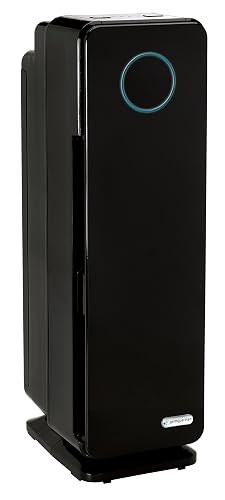
GermGuardian 5-In-1 HEPA Air Purifier for Home, 743 Sq. Ft.
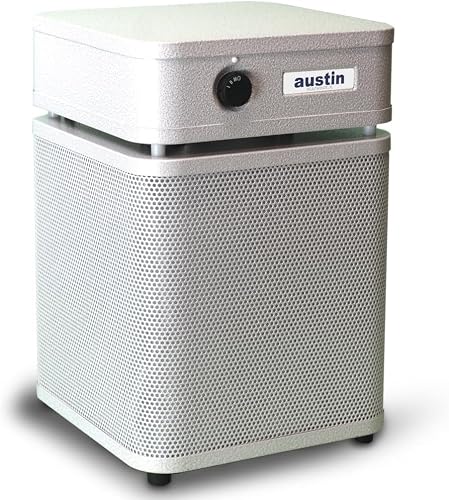
Austin Air HealthMate Plus Junior Air Purifier, Sandstone, Model A250

Plus Air Purifier by Austin Air

Austin Air Healthmate Plus (Black)
The Strengths Of Each Pick
The Crane tower fits where a heavy steel canister would feel out of place, like a nursery shelf or a tight apartment corner. A pre-filter catches the loose stuff (hair, lint, visible dust) before air reaches the true HEPA stage, which is the part rated to trap the smaller particles that actually trigger sneezes. You also get a UV light aimed at the filter path, a feature that aims to reduce microbial growth on the filter surface itself, not in your breathing zone.
Three fan speeds and a sleep mode let you dial down noise for nighttime, and a timer means you can leave it running during a work-from-home stretch without thinking about it. Coverage is rated for rooms up to 250 square feet, which lines up with most bedrooms and small home offices. Owners commonly report that the washable pre-filter keeps long-term filter costs down, which is a quiet win for a tighter budget.
Benefits That Matter
- Compact tower footprint suits tight rooms and nightstands
- Washable pre-filter reduces recurring filter spend
- Sleep mode keeps fan noise low for light sleepers
- UV component targets filter surface, a nice extra at this size
- Timer helps automate run cycles during work or school hours
Trade Offs
- 250 sq ft ceiling is tight for open living areas
- UV light adds a small amount to replacement cost over time
- Plastic body feels lighter than the steel units further down the list
Who It Suits Best
Studio dwellers, nursery setups, and home office users who want a small, low-maintenance unit for a single enclosed space.
Look Elsewhere When
You cook daily in an open kitchen or run a large living room, where the Austin Air HealthMate Junior covers noticeably more square footage with a sturdier build.
Step up from compact towers and you land in Austin Air territory, where the HealthMate Junior feels like a small appliance that means it. The steel body and four-castor base give it a planted, almost medical-cart vibe, and the Midnight Blue finish looks at home in a den or office. Inside, a true HEPA filter pulls particulates while a substantial carbon layer handles light household odors.
This is a workhorse for medium rooms, the kind where a tower purifier on the highest setting still feels like it’s chasing the air. You dial a single fan speed and let it run, and the unit pulls air through with the kind of force that makes a real difference during spring pollen. Compared to the Crane unit above, the Junior is bigger, heavier, and quieter at the same effective airflow.
The Value In It
- Steel shell and castors feel built to last a decade or more
- Four-stage filter handles particles and light chemical odors together
- Single-speed simplicity is hard to misuse
- Quieter than most plastic towers of similar output
Some Limits To Know
- Filter changes are heavier and slightly more involved than a snap-in cartridge
- No timer or remote, all controls live on the unit
- Footprint is larger than the Crane tower, plan your corner
Who Should Grab It
Allergy sufferers in mid-size bedrooms and home offices who want a sturdy, no-fuss unit that can run all day without losing steam.
Swap It Out When
Wildfire smoke or cooking fumes are a real concern, where the Austin Air HealthMate Plus Junior adds a stronger carbon and zeolite stage for the same room size.
The A250 in White is the same Junior footprint as the Midnight Blue HealthMate above, but the filter story changes. You get a four-stage setup that ends in an integrated activated carbon and zeolite layer. Zeolite is a mineral adsorbent that pulls certain gases and VOCs (volatile organic compounds, the off-gassing from paint, furniture, and cleaning products) more effectively than carbon alone.
For most homes, that extra stage shows up in everyday wins: cooking smells clear faster, smoke from a burnt dinner fades sooner, and the air after a fresh-paint touch-up turns over more quickly. The steel shell and castors carry over, and the white finish fits brighter rooms and modern decor. The trade-off is a slightly higher filter cost when replacement time comes around.
Points In Its Favor
- Carbon and zeolite combo tackles VOCs and stubborn odors
- Same proven steel-and-castor chassis as the Junior
- Clean white finish suits bright, modern interiors
- Strong fit for pet households where dander and litter-box air mix
Worth Noting
- Filter replacement runs higher than the standard Junior
- White exterior shows dust between cleanings
- Still no remote, controls stay on the unit
Best Suited To
Allergy and pet households who want a stronger gas and odor stage without jumping to a full-size Austin unit, especially in renovated apartments.
Where Another Pick Suits Better
You want the widest coverage for an open-plan space, where the GermGuardian 5-In-1 covers a larger footprint at a lower entry cost.
The GermGuardian AC4300BPTCA is a 22-inch tower built to cover large, open rooms, with a 743 square foot rating that dwarfs the other picks on this list. It pairs a true HEPA filter with an optional UV-C light and a charcoal layer to reduce odors, and the pet-oriented treatment on the filter helps cut down dander-related smells.
Three speed settings plus an ultra-quiet mode give you a real range, useful when you want strong daytime turnover but a hushed bedroom at night. The Pet Pure treatment is a nice touch for households where the litter box shares airspace with the living area. The honest read is that this tower trades the steel heft of the Austin units for coverage, and it covers a lot.
Positive Points
- Coverage handles large living areas and open floor plans
- UV-C option targets the filter surface for added microbial control
- Pet-focused filter treatment helps with common household odors
- Three speeds plus a quiet mode for nighttime
Less Ideal Details
- Plastic tower body is lighter and less durable than steel Austin units
- Filter cartridges are an ongoing cost to plan for
- UV-C bulb adds a periodic replacement item to track
Made For
Open-plan homes, pet households, and large living areas where one unit needs to cover a wide footprint without losing effectiveness.
Reach For A Different Pick When
You prefer a heavier steel build and longer filter life, where the Austin Air HealthMate Junior delivers more durable construction for a smaller room.
Functionally, this is the same A250 HealthMate Plus Junior covered above, with the same four-stage filter and steel chassis. What changes is the Sandstone finish, a warm, neutral tone that softens the unit’s presence in a room with wood furniture or earthy textiles. It is a small detail, but air purifiers live in your space for years, and finish matters when the unit sits next to a reading chair.
You get the same carbon and zeolite filtration that helps with VOCs and cooking smells, the same single-speed simplicity, and the same castor base for sliding the unit from room to room. For most homes, choosing between the White and Sandstone versions comes down to decor, not performance, which is honestly a nice problem to have.
What Helps Most
- Sandstone finish blends with warm, wood-heavy interiors
- Identical A250 filter performance to the White sibling
- Castor base makes room-to-room moves simple
- Strong on VOCs from paint, new furniture, and cleaning products
Points To Keep In Mind
- Color choice is the only real difference, not a feature upgrade
- Filter replacement cost still runs higher than the standard Junior
Who Will Love This
Design-conscious shoppers who want Austin Air performance in a finish that complements warmer, more traditional interiors.
Consider Something Else When
You want the same Junior footprint at a lower filter cost, where the standard Austin Air HealthMate Junior covers particle needs without the upgraded carbon stage.
The Plus Air Purifier is a newer Austin Air entry, the kind of unit you consider if the classic Junior look feels too clinical for your space. The shell reads more like a modern speaker than a medical canister, which helps it disappear into a living room corner. The setup is a clean three-stage system: a pre-filter for large particles, a HEPA filter rated to trap 99.97% of particles down to 0.3 microns, and a carbon stage for odors and gases.
For most modern apartments, the three-stage design handles the core list (dust, pollen, pet dander, cooking smells) without overcomplicating maintenance. The HEPA rating is the same standard you see across the category, meaning it captures very fine particles but does not claim to address viruses or anything beyond particulates. The trade-off versus the HealthMate Plus Junior is fewer filtration stages, so heavy gas and odor situations may want the upgraded unit instead.
Why It Works Well
- Modern shell design fits contemporary living spaces
- HEPA captures 99.97% of particles down to 0.3 microns
- Pre-filter extends the life of the HEPA and carbon stages
- Carbon stage addresses everyday odors and light gases
A Few Limitations
- Three-stage setup handles less than the four-stage A250
- Newer line means replacement filter availability may take time to settle in
The Right Fit
Style-focused shoppers and modern apartment dwellers who want Austin Air credibility in a sleeker, less institutional form factor.
Not Your Match When
You deal with strong chemical odors or wildfire smoke, where the Austin Air HealthMate Plus Junior offers a deeper carbon and zeolite stage.
The full-size HealthMate Plus is the heaviest hitter in the Austin Air line, designed for serious contamination rather than everyday bedroom duty. It focuses on reducing harmful chemicals, noxious gases, VOCs, formaldehyde, and sub-micron particles, the kind of pollutants that show up near busy roads, in basements, or in workshops where fumes drift. The Black finish is a purposeful, no-nonsense look that suits utility spaces.
This is the unit you reach for when standard purifiers feel like they are barely making a dent. Compared to the Junior models earlier in this list, the full-size Plus covers more area and moves more air per pass, which matters in rooms with ongoing pollution sources. The trade-off is size and weight, plus a larger filter that costs more to replace. For most bedrooms, the Junior Plus is plenty; this one is for tougher environments.
What Pays Off
- Targets chemicals, gases, VOCs, and formaldehyde specifically
- Handles sub-micron particles that bypass standard filters
- Full-size airflow covers larger, heavily contaminated spaces
- Steel construction holds up in utility environments
Honest Caveats
- Large footprint demands floor space and a permanent spot
- Filter replacement is the priciest in this roundup
- Overkill for light, everyday bedroom use
Built With In Mind
Workshops, basements, and homes near high-traffic roads where chemical fumes and fine particles are a daily reality.
Skip It When
You need coverage for a standard bedroom, where the Austin Air HealthMate Plus Junior offers a similar filter approach in a smaller, easier-to-place unit.
What Matters Most Before Choosing an Austin Air Purifier
Room Size and Air Changes Per Hour
A purifier’s square-foot rating only tells part of the story. The real measure is how many times the unit can move the room’s full air volume through the filter each hour, a metric often called ACH (air changes per hour). For allergy sufferers, four to five ACH is a common comfort range, meaning a 250 sq ft room needs a unit that can handle that volume on a moderate setting, not just on max. Oversizing slightly is usually smarter than undersizing, since running a too-small unit on high all day is louder and wears the motor faster.
Filtration Stages and What They Catch
A true HEPA filter is the foundation, rated to trap 99.97% of particles down to 0.3 microns, which covers pollen, dust, pet dander, and most mold spores. Activated carbon handles odors and some gases, while zeolite, a mineral adsorbent, pulls certain VOCs more effectively than carbon alone. UV-C light targets the filter surface itself, not the air in your breathing zone, and is best understood as a filter-hygiene feature rather than a room-treatment one.
Filter Cost and Replacement Cadence
Steel-canister Austin units use longer-life filters that cost more upfront but stretch over years, while tower units with snap-in cartridges need more frequent swaps at lower per-change cost. Total ownership over five years often hinges on this line item, so weigh it alongside the sticker. A pricier filter you change every few years can be cheaper than a cheap filter you replace every few months.
Noise, Controls, and Daily Routine
Bedroom placement demands a quiet low setting, while a living-room unit can tolerate more airflow noise. Single-speed simplicity removes guesswork, and timer or remote features matter most if you run the unit on a schedule. Think about where the unit will actually live, since even the best filter does no good if you turn the purifier off to escape the noise.
Key Considerations Across These Picks
Mistakes Worth Dodging
A common slip is matching a unit’s coverage rating to your room size without accounting for ceiling height, open doorways, or pollutant sources like a kitchen range. A 250 sq ft rating assumes a standard 8-foot ceiling with doors closed, so an open-plan space needs more headroom. Another trap is ignoring filter weight and cost, which can turn a reasonable purchase into an expensive long-term commitment. Measure the spot, check the filter dimensions, and confirm replacement availability before you commit.
When Paying More Pays Off
The jump from a tower unit to a steel-canister Austin usually buys a longer-lived filter, a sturdier motor, and quieter operation at higher airflow. For someone running a purifier 12 hours a day in an allergy-heavy room, the upgrade pays for itself in fewer filter swaps and a more peaceful bedroom. If your purifier only runs occasionally in a guest room, the tower route makes more sense, and your wallet will agree. Match the spend to how hard the unit will actually work.