

Picking the right battery for a serious car audio build comes down to a few honest questions. Are you running a sub stage that pulls hard at idle, or topping off a stock head unit with a small amp? Do you need the battery to start the engine, or just feed the system once it’s running? The seven options below span pure starting duty, dedicated audio backup, and high-output supplemental cells, so you can match the spec to the actual install rather than guessing from a catalog page.
An Overview Of The Picks
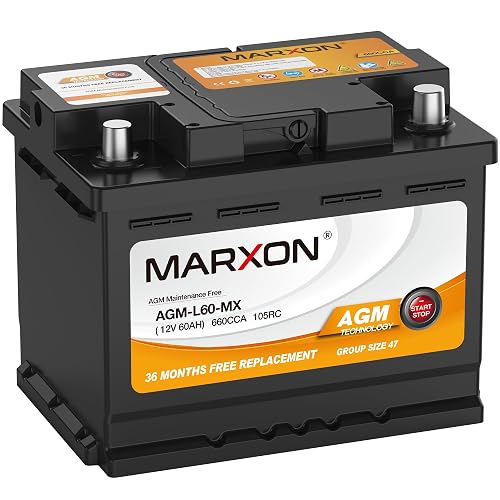
MARXON Group 47 H5 L2 Car Battery 12v 60AH 660CCA
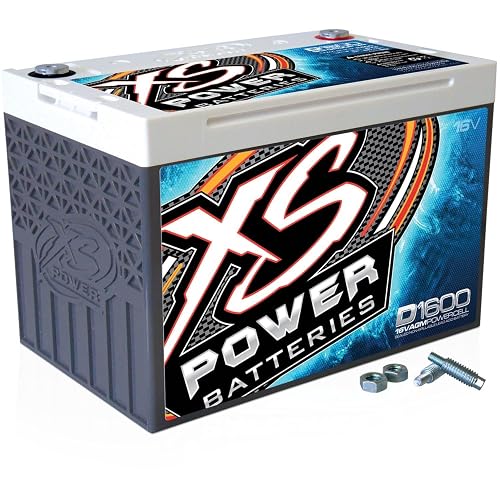
XS Power D1600 16V 2,400 Amp AGM Battery

XS Power XP3000 XP Series 12V 3,000 Amp AGM
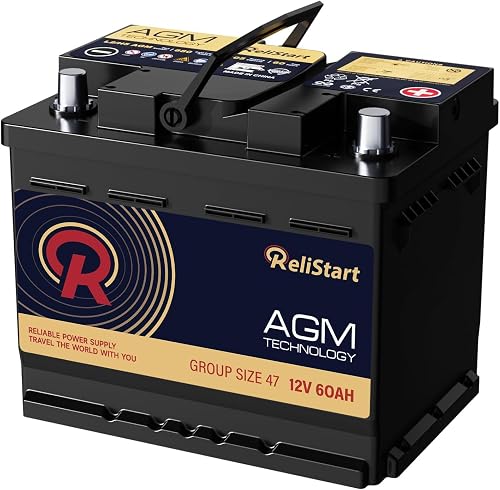
Relistart AGM BCI Group 47 12V 60Ah 680CCA
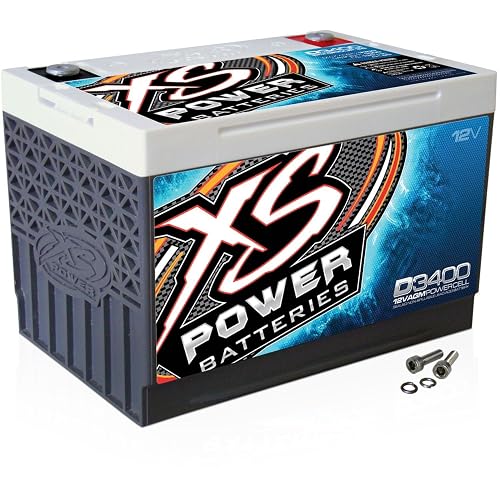
XS Power D3400 XS Series 12V 3,300 Amp AGM
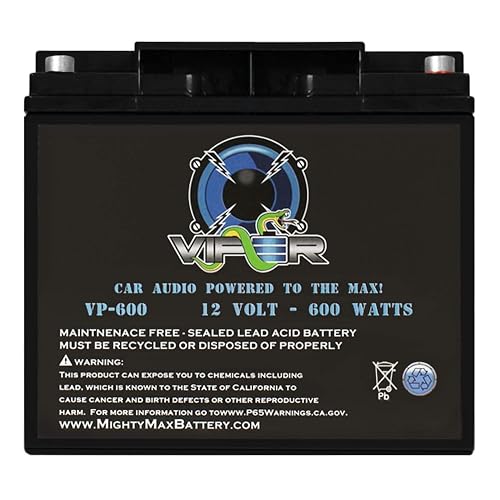
Mighty Max Viper VP-600 12V 18Ah 600W Audio Battery
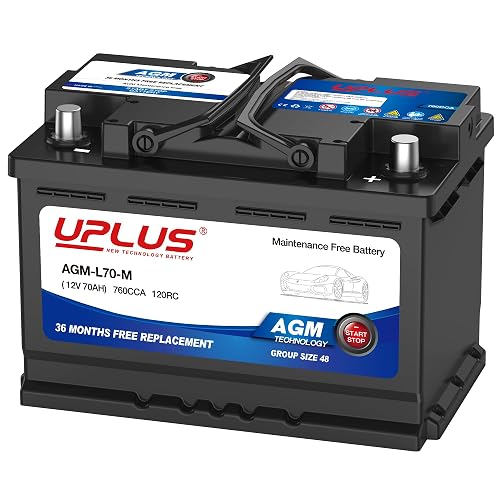
UPLUS BCI Group 48 12V 70Ah 760CCA AGM
A Breakdown Of The Leading Choices
The MARXON Group 47 sits in the same BCI footprint (9.53 x 6.89 x 7.48 inches) that a huge number of late-model sedans and compact crossovers use as factory fitment. Owners looking for a direct replacement after a tired start-stop battery throws a code will find the dimensions and terminal layout familiar, which matters more than people expect when the factory tray and hold-down clamp still need to seat correctly.
Where this cell earns its keep is in the daily-driver category. The 60Ah capacity and 660CCA cold cranking rating give a start-stop vehicle enough reserve to shut the engine off at red lights and crank back up without drama. For most people running a stock head unit and a small four-channel amp, the extra headroom means the headlamps don’t dim on bass hits, and the battery recovers quickly between restarts. If your audio setup is modest and the car is your commuter, this is the kind of drop-in upgrade that quietly just works.
Features That Help
- Maintenance-free AGM construction, so there’s no need to top up water or check cells under the hood.
- BCI Group 47 / H5 / L2 sizing fits a long list of factory trays without bracket modifications.
- 660CCA provides confident cold starts in winter climates, even with stop-start traffic.
- AGM chemistry handles the constant cycling that start-stop systems put a battery through.
- Sealed design resists vibration, which matters for vehicles driven over rough pavement daily.
Things To Consider
- It’s a starting battery first, so a 1,000-watt subwoofer amp will outpace it on long competitions where the engine is off.
- Some installs require a battery management reset with a scan tool after a swap on newer European cars.
Key Specs
Who It Suits Best
Daily drivers of start-stop equipped sedans and crossovers who want a direct-fit replacement that handles factory electronics and a modest audio upgrade without complaint.
Look Elsewhere When
You need a dedicated audio cell to feed a serious amplifier bank, in which case the XS Power XP3000 plays a much more useful role.
The D1600 steps outside the usual 12V world. At 16 volts and 2,400 cranking amps, this AGM cell is built for cars that run an alternator and electrical system that isn’t stock. Drag racers and bracket racers often rewire their charging system to 16V for stronger spark and crisper amplifier headroom, and this battery slots straight into that kind of build.
For audio specifically, the higher nominal voltage gives amplifiers a slightly fatter rail voltage, which translates to a touch more dynamic range at the top of a note. Whether the human ear picks that up depends on the rest of the system, but the math favors it on a SPL rig. The 3/8-inch stud terminals also make it easy to land heavy-gauge wire from big amps without fighting flimsy posts. The honest read is that this is a specialty pick: a 12V audio install doesn’t need a 16V battery, but if your car’s whole electrical system is upgraded, the D1600 fits the brief.
Standout Benefits
- 16V output supports upgraded alternators and ignition systems common in race builds.
- 2,400A rating delivers strong cranking even with high-compression engines.
- 3/8-inch stud terminals accept large-gauge audio power wire cleanly.
- AGM construction tolerates hard use and repeated deep cycling.
Worth Noting
- A 16V battery will damage stock 12V electronics if it replaces the factory battery without other system changes.
- It weighs more than a typical Group 47, so trunk placement may need a proper hold-down.
Best Suited To
Builders running a 16V charging system on a race car or street-legal track build who want one battery that handles both cranking and amplifier loads.
Reach For A Different Pick When
Your system is stock 12V and you just want clean audio at idle, which is exactly where the UPLUS BCI Group 48 makes more sense.
The XP3000 is a supplemental battery, not a starting battery, and that distinction matters. It lives in the trunk or under a rear seat, wired in parallel with the main battery, and its entire job is to feed hungry amplifiers without dragging the charging system into voltage sag at the worst moment of a track pass.
In a real audio install with two or more sub amps, the XP3000 acts as a buffer that keeps the lights bright and the bass tight when the bass drum hits. The 3,000A rating is overkill for a single 500-watt amp, but on a system pulling real current during a long demo session, that headroom is the point. The trade-off is that it needs to be paired with a main battery (like the MARXON) that handles actual engine cranking, and it should be mounted in a way that the weight is secured and the terminals stay clean.
Where It Delivers
- 3,000A rating supports stacked amplifier setups without voltage drop on hard transients.
- AGM construction is sealed, so it can be mounted in the cabin or trunk without venting.
- M6 terminal bolts make landing heavy-gauge power and ground wire straightforward.
- Designed as a high-capacity secondary source, so the main battery isn’t over-taxed.
Honest Caveats
- Not intended as a starting battery, so the factory battery still has to be in good shape to crank the engine.
- Heavy enough that some installers add a metal battery box to keep it anchored.
Who Should Grab It
Enthusiasts running multiple sub amplifiers who want a clean way to add reserve capacity without upgrading the alternator immediately.
Skip It When
Your system is a single four-channel amp and a stock head unit, in which case the Mighty Max Viper VP-600 is the right scale of solution.
The Relistart shares its 9.53 x 6.85 x 7.48 inch footprint with the MARXON above, which is no accident: BCI Group 47 is one of the most common replacement sizes in modern cars. Where it tries to set itself apart is in the deep-cycle AGM construction, which is a slightly different discipline than pure starting duty. That means the plate design is built to handle more discharge and recharge cycles, which a start-stop vehicle performs every commute.
In practice, the 680CCA is a touch higher than the MARXON, so cold mornings should feel slightly easier. The deep-cycle focus also means that if you sit in the car with the engine off listening to music for stretches (think tailgating or driveway hangs), the battery takes that kind of use less hard than a conventional flooded unit. The honest trade-off is that deep-cycle AGMs in this size class still aren’t a substitute for a dedicated audio cell, so a big sub stage will want a backup battery along with this one.
Noteworthy Benefits
- Deep-cycle AGM plate design tolerates repeated partial discharge from start-stop systems.
- 680CCA provides a slight edge for cold cranking compared to similar-sized replacements.
- Sealed construction means no vented fumes under the hood or in the cabin.
- Group 47 / H5 sizing keeps the install drop-in for most vehicles in this size class.
Trade Offs
- Still primarily a starting battery, so an amplifier-heavy install will need supplemental capacity.
- Some owners of vehicles with battery sensors report needing a registration reset after a swap.
Feature Snapshot
Right Fit For
Sedan and SUV owners running a stock or lightly modified audio system who want a long-lasting start-stop battery in the value tier.
A Better Fit Elsewhere
You drive a vehicle that needs the larger Group 48 footprint, in which case the UPLUS is the more direct match.
The D3400 is the upper end of XS Power’s 12V XS Series, and it’s the one SPL competitors and serious bass-heads tend to reach for. At 3,300A, it sits in a category where a single battery can run multiple amplifiers and still keep the headlights from dipping on a hard note. Compared to the XP3000 above, the D3400 is a step up in both output and durability, which shows up in the kinds of systems it can sustain.
It’s worth being honest about the cost and weight before buying. This is a heavy battery, and depending on your install, you may need a relocation kit to put it in the trunk where the weight doesn’t upset handling. The M6 terminal bolts do accept serious wire gauges, and the sealed AGM design lets you mount it in a position other than upright. For a daily driver with a 1,500-watt system, it’s a serious investment. For a competition vehicle, it’s the kind of cell the system is designed around.
Practical Pluses
- 3,300A output supports the largest sub amplifier arrays without sag.
- Sealed AGM construction can be mounted in any orientation in a custom box.
- M6 hardware handles big-gauge power wire from high-draw amplifiers.
- Designed for repeated deep cycling, which is what demo runs put a battery through.
Points To Keep In Mind
- Heavier than typical starting batteries, so location and mounting hardware matter.
- Overkill for a small factory-style system, which makes the cost harder to justify.
Quick Facts
Perfect Match For
Builders running SPL competition systems or large multi-amp setups who want a single battery that keeps up with the electrical demand.
Consider Something Else When
You’re running a single moderate amp on a daily-driven car, in which case the Mighty Max Viper VP-600 keeps things simpler and lighter.
The Viper VP-600 is a small, focused battery. At 12V 18Ah, it isn’t going to crank a V8, and it doesn’t pretend to. What it does is provide a tidy supplemental power source for a single amplifier, which is the most common real-world audio upgrade. The 600-watt rating lines up nicely with a mid-size mono sub amp or a pair of component amps, depending on the load.
Because it ships sealed and AGM, it can be tucked behind a seat, under a false floor, or in a small trunk compartment without worrying about venting. The honest caveat is that 18Ah is a small reservoir, so on long competition-style demos with the engine off, you’ll exhaust it before the listening session ends. As a daily-driver reinforcement that smooths out dimming and gives the amp a stable source, though, it’s hard to beat the small footprint and the focused purpose.
A Few Strong Suits
- 600W rating pairs naturally with a single sub amp or a small multi-amp setup.
- Sealed AGM design allows flexible mounting in tight cabin or trunk spaces.
- Lightweight enough to install without relocating major weight in the vehicle.
- Acts as a stable voltage source that keeps headlights from pulsing on heavy bass hits.
Some Limits To Know
- Not a starting battery, so the main battery still handles engine cranking.
- 18Ah capacity means run time with the engine off is short, especially at high volume.
Whose Shelf It Belongs On
First-time audio upgraders adding a sub amp to a stock electrical system who want a simple, compact power upgrade that solves headlight dim and bass sag.
Swap It Out When
Your system includes two or more amps drawing serious current, in which case stepping up to the XS Power XP3000 is a more appropriate scale.
The UPLUS sits in BCI Group 48 (also known as H6 or L3), which is one size up from the Group 47 cells above. At 10.98 x 6.81 x 7.51 inches, it fits a wide range of mid-size and larger cars that need a bit more capacity under the hood. The 70Ah rating and 760CCA give it more reserve than the Group 47 picks, which matters on cars with bigger electrical loads from the factory: heated seats, advanced infotainment, and so on.
For audio purposes, the larger capacity translates to more headroom for the alternator to recover from a heavy bass hit, which keeps the system sounding composed. The 120-minute reserve capacity also means accessories stay alive longer if the alternator ever drops out. The trade-off is the same as with any premium AGM starting battery: it’s not designed as a dedicated audio cell, so a true SPL setup will still want a backup battery alongside it.
What Works In Its Favor
- 760CCA handles cold starts and large-displacement engines with confidence.
- 70Ah capacity supports vehicles with high factory electrical demand.
- 120-minute reserve capacity keeps accessories running if the alternator has an off day.
- Sealed AGM design suits start-stop systems and modern engine bays.
Room For Improvement
- Won’t physically fit vehicles that use a Group 47 tray, so always check dimensions before ordering.
- AGM start-stop batteries run at a premium price compared to conventional flooded units.
At A Glance
Built With In Mind
Mid-size and larger daily-driven cars with factory start-stop systems and a moderate audio upgrade where a bit more capacity under the hood is wanted.
Not Your Match When
Your car requires the smaller Group 47 tray, in which case the Relistart is the closer fit for that footprint.
What To Weigh Before Choosing A Car Audio Battery
Starting Battery vs Supplemental Cell
The first fork in the road is whether the battery needs to crank the engine or just feed amplifiers. AGM starting batteries in BCI Group 47 or Group 48, like the MARXON, Relistart, and UPLUS above, do double duty on daily drivers with modest audio upgrades. Supplemental-only cells like the XS Power XP3000 and the Viper VP-600 sit alongside the main battery in the trunk or under a seat, taking load off the charging system without trying to start the car.
If your audio system draws more current than the alternator can comfortably supply, the cleanest solution is often a main battery plus a supplemental cell wired in parallel, rather than just swapping in a larger starting battery. That setup is what the XP3000 was designed for, and it’s how serious competitors run their systems.
CCA, Ah, and Reserve Capacity
Cold cranking amps measure how well a battery turns the engine over in cold weather, which matters most in northern climates. Amp-hours measure total stored energy, which translates to how long accessories can run with the engine off. Reserve capacity is the minutes a battery can deliver a baseline load before voltage drops too low, and it’s a useful single number to compare when two batteries have similar CCA and Ah ratings.
For audio specifically, the Ah and reserve numbers matter more than the CCA, because the battery is acting as a buffer between the alternator and the amplifiers during a hard note. A 60Ah or 70Ah starting battery with high reserve gives the amps a stable source; a supplemental cell adds outright capacity to that buffer.
Physical Fit and Terminal Layout
Every BCI group size has specific dimensions, and the terminal polarity (positive on the left or right) can vary even within the same group. Measure the existing battery and check the hold-down hardware before ordering, especially on cars with battery sensors or vent tubes. A Group 48 battery in a Group 47 tray simply won’t seat, and reversing the terminal polarity can short against the bodywork.
On supplemental installs, the physical question shifts to where the extra cell lives. The trunk is common because it’s close to the amplifiers, but a metal box and proper venting considerations keep the install safe and tidy.
AGM vs Flooded Construction
AGM (absorbent glass mat) batteries hold their electrolyte in fiberglass mats, which makes them sealed, spill-resistant, and tolerant of vibration. They’re also better at handling the repeated partial discharge that start-stop systems and audio amplifiers create. Flooded batteries cost less but vent gas, need occasional water top-ups, and don’t last as long in deep-cycle use.
For any car with a start-stop system, an upgraded audio system, or a battery located in the cabin, AGM is the sensible default. Flooded cells still work fine in older cars with simple electrical systems and an under-hood battery tray.
Key Considerations Across These Picks
Wrong Turns To Avoid
One common slip is grabbing the largest CCA number without checking the BCI group, ending up with a battery that physically doesn’t fit the tray. Another is choosing a supplemental cell like the XP3000 and expecting it to start the engine on its own; it isn’t designed for cranking duty, and the factory battery still has to be healthy. Checking both dimensions and intended use before ordering saves the headache of returns.
Skipping a battery registration or coding step on newer European cars is another trap. Many vehicles expect a new battery to be introduced to the charging system, and skipping that step can lead to overcharging or early failure even on a quality cell.
What The Higher Tier Buys
Stepping up from a value AGM to a premium one generally buys higher reserve capacity, longer cycle life, and stronger cold cranking. In the XS Power line, the premium D3400 buys outright output for the largest amplifier banks, which is a different kind of upgrade: more headroom for the amps to draw from. Whether that money is worth it depends on how hard the audio system actually works, and a single 500-watt amp rarely needs that level of investment.
Frequently Asked Questions
Can a car audio battery replace the starting battery?
Only if the spec sheet says it can. True starting batteries list a CCA rating and a BCI group size. Supplemental cells like the XP3000 and Viper VP-600 do not, and they should always be paired with a main battery.
Do I need an AGM battery for a sound system?
You don’t strictly need one, but AGM handles the repeated partial discharge from amplifiers much better than a flooded battery. For any system over a few hundred watts, AGM is the safer long-term choice.
Will a bigger battery hurt my car?
A physically larger battery in a smaller tray is a fitment problem, not an electrical one. A higher-capacity battery in the correct tray group is fine, though the alternator may work a touch harder to keep it topped up.
How long do car audio batteries last?
Premium AGM cells commonly last four to six years in daily-driven cars, and somewhat less in competition vehicles with deep discharge cycles. Heat under the hood is the biggest factor cutting into lifespan.
Is a 16V battery better for audio than a 12V?
Only on cars whose alternators and electrical systems are upgraded to 16V. Dropping a 16V battery into a stock 12V system will damage the electronics, and the audio benefit requires the rest of the system to be built around that voltage.
Bottom Line
The right battery depends on what you actually run. A factory-style audio upgrade on a daily driver is well-served by a direct-fit AGM in the correct BCI group, and the UPLUS or Relistart covers that ground cleanly. Multi-amp builds want supplemental capacity alongside the main battery, which is where the XS Power XP3000 earns its place. Match the spec to the system, and the rest tends to fall into line.