
Cooking smells that linger past dinnertime, pet dander floating in afternoon light, wildfire season knocking at the door. Carbon air purifiers earn their spot in a home by tackling those everyday irritants, and the right model makes a noticeable difference in how a room feels. This lineup covers units and replacement filters built around activated carbon, so you can match the right tool to your square footage, your sensitivity, and your noise tolerance.
A Closer Look At The Lineup

AeroBree C-POLAR™ Replacement Filter for LEVOIT Core 300/300S/P350 (2-Pack)
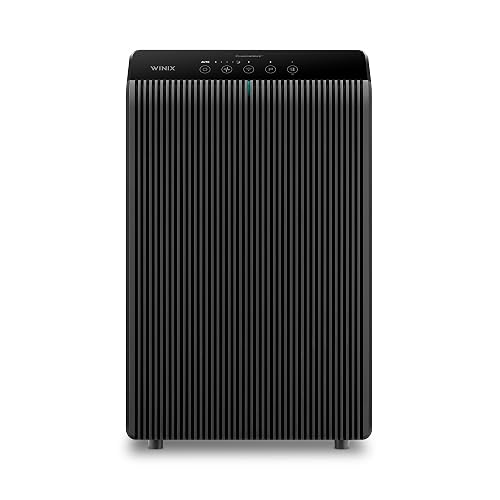
WINIX 5510 Air Purifier for Large Room with App Support

WINIX 5520 Air Purifier with Air Quality Monitor
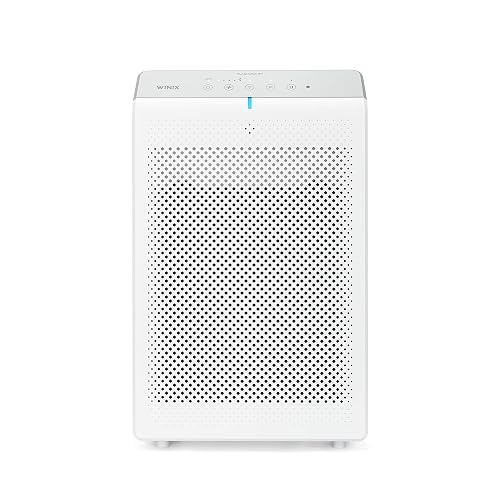
WINIX 5530 Air Purifier with App Control
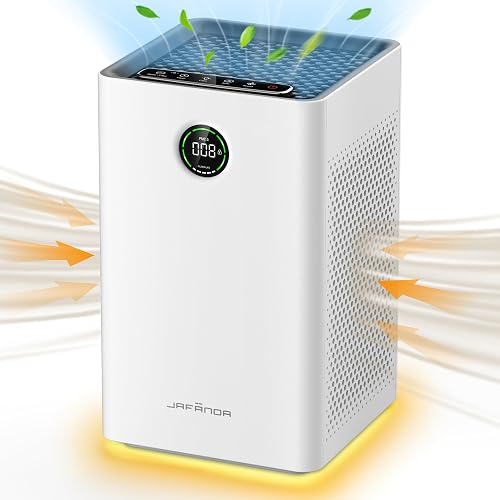
Jafanda HEPA Air Purifier for Home Large Room (JF260)
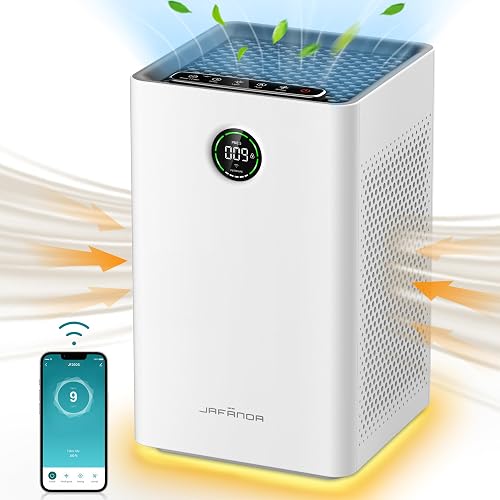
Jafanda JF260S Smart WiFi Air Purifier (White)
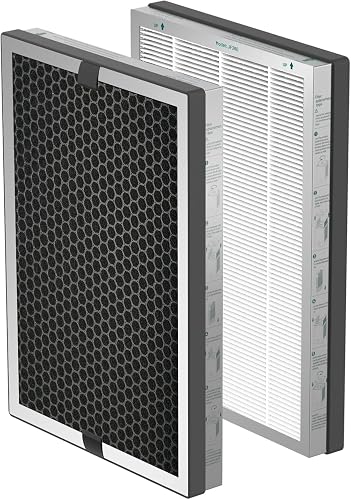
Jafanda JF260 2-Pack Replacement Filter

Jafanda JF260 Air Purifier with 2-Pack Filters
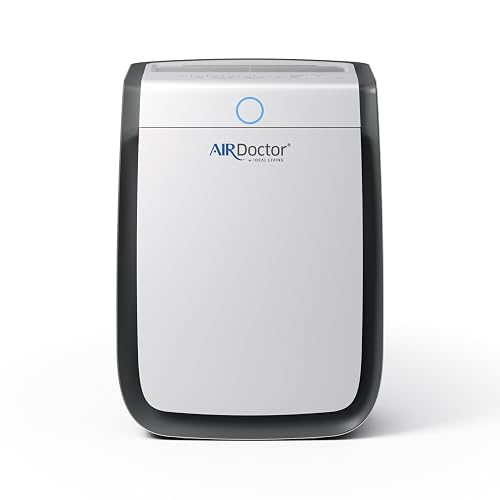
AIRDOCTOR AD3500 UltraHEPA Air Purifier
Taking A Closer Look At The Options
If you already run a LEVOIT Core 300, Core 300S, or P350 in a small bedroom or office, this AeroBree refill keeps that trusted footprint working hard. The 4-in-1 HEPA cartridge pairs activated carbon with a fine particulate layer, so it pulls cooking smells, dust, and pet dander in one pass. Unlike a full-size console like the WINIX 5510 further down, this is purely a swap-in part, no new hardware required.
The headline feature is C-POLAR, an anti-microbial coating layered onto the filter media. In a nursery or a room with a curious cat, that added layer of protection tends to put people at ease. The two-pack format means you have a fresh cartridge ready when the current one tapers off, so you’re never running a purifier with a tired filter.
Real-World Strengths
- C-POLAR coating aims to inhibit microbial growth on the filter surface
- 2-pack format keeps a spare on hand, useful for allergy seasons that run long
- Drop-in fit for Core 300, 300S, and P350 units, no tools required
- Combines HEPA and carbon in one cartridge, so odors and particles get handled together
Trade Offs
- Only useful if you already own a compatible LEVOIT unit
- Replacement cartridges are an ongoing cost, owners commonly swap them every 6-8 months
Feature Snapshot
Who It Suits Best
Existing LEVOIT Core 300 family owners who want a low-effort, anti-microbial refresh without buying a whole new machine.
Look Elsewhere When
You need a full purifier unit, in which case the Jafanda JF260 ships with a similar carbon-rich media right out of the box.
The WINIX 5510 steps in for open-plan living rooms, lofts, and basements where a small bedroom purifier just won’t keep up. Rated to handle a large room in roughly an hour, it spreads steady airflow through True HEPA media plus a high-deodorization carbon layer. Think weeknight dinners that involve garlic, fish, or seared meat, this unit chews through the lingering smell by morning.
App support is the modern touch that sets it apart from the AeroBree filter we covered first. You can tweak fan speed or check mode status from the couch, which matters in rooms where the unit lives across the room from your favorite seat. Auto mode ties the fan to air quality readings, so the purifier only ramps up when it has work to do.
Why It Works Well
- Large-room coverage aimed at open floor plans
- True HEPA pairs with an advanced carbon filter for both particles and odors
- Auto mode adjusts fan speed based on detected air quality
- App control means you can adjust settings without getting up
Points To Keep In Mind
- Large footprint, plan a spot with decent clearance on all sides
- Carbon pre-filter replacements are an ongoing cost, owners commonly swap them on a schedule
Right Fit For
Households with one big shared space who want app-driven control and serious carbon odor handling.
Swap It Out When
You need hospital-grade particle capture at scale, where the AIRDOCTOR AD3500 offers an even larger envelope of coverage.
Closely related to the 5510, the WINIX 5520 trades some app bells for a built-in air quality readout. That on-unit display turns the purifier from a “set and forget” box into a visible data source, great for households where someone likes to glance at numbers before bed. For data-driven households, that real-time feedback is the difference between guessing and knowing.
The 5520 keeps the same large-room coverage and True HEPA + activated carbon filtration. It’s a sensible step up from the AeroBree cartridge, since you get the whole unit, not just a refill. Where the 5510 leans on phone control, this one leans on a glanceable indicator light and air quality number, which is friendlier for guests or older family members who don’t want another app.
What It Does Well
- Visible air quality indicator removes the guesswork from “is it actually doing anything?”
- True HEPA plus carbon filter tackles both particles and household odors
- Auto mode reads the room and adjusts fan speed in response
- Large-room rating covers open living areas
Honest Caveats
- Heavier than a small-room unit, plan placement before you unbox
- Carbon filter swaps on a recurring basis are part of the ownership rhythm
Key Product Details
Best Suited To
Anyone who wants visible feedback on room conditions without pulling out a phone every time.
Consider Something Else When
Remote app control matters more than a built-in display, in which case the WINIX 5530 fills that niche.
The 5530 is the most connected model in the WINIX trio, aimed squarely at people who want their home air to show up in a smartphone dashboard. The same large-room coverage and True HEPA + carbon formula carry over from the 5510 and 5520, but app control steps in as the headline difference. Imagine checking your bedroom air from the office and bumping the fan up before you head home, that’s the kind of workflow this unlocks.
It feels like a natural sibling pick to the 5510. Where the 5510 introduced app control into this generation, the 5530 refines it further. The carbon filter still anchors odor removal, so your living room doesn’t end up smelling like last night’s stir-fry.
What Pays Off
- App control fits households already running smart-home routines
- True HEPA plus carbon handles both particles and lingering smells
- Auto mode tied to air quality keeps noise down when the room is already clean
- Large-room coverage suitable for open layouts
Some Limits To Know
- Smart features matter less in homes without reliable WiFi
- Physical size calls for a permanent spot, not a corner you keep shifting
Whose Shelf It Belongs On
Smart-home enthusiasts who want air quality data and remote control in one package.
A Better Fit Elsewhere
You want similar smart control at a tighter room scale, where the Jafanda JF260S brings WiFi and a quieter 23 dB mode.
Jafanda’s JF260 is the family-room workhorse of this roundup, sized to handle large bedrooms, open kitchens, and play areas. The 3-in-1 filtration pairs True HEPA with a hefty 300g activated carbon filter, which translates into meaningful odor capture for households that cook often or share space with shedding pets. The PM2.5 readout and soft night light are thoughtful additions for kids’ rooms or a nursery corner.
Compared to the WINIX 5510, the JF260 trades some raw square footage for a richer carbon media. You feel that difference in a kitchen with strong cooking smells, where the carbon layer has more material to absorb odor molecules over time. Sleep mode keeps noise down overnight, which matters when the unit sits a few feet from your head.
Notable Upsides
- 300g activated carbon filter, generous for the category
- True HEPA captures fine particles down to 0.01 microns
- Sleep mode and night light suit bedrooms and nurseries
- PM2.5 sensor gives a real-time air quality readout
Where It May Fall Short
- Replacement carbon filters are an ongoing ownership cost
- Composite pre-filter is vacuum-only, water cleaning isn’t recommended
Feature Card
Made For
Families with kids, pets, or active kitchens who want strong carbon filtration in a single unit.
Where Another Pick Suits Better
You need smart-home integration, where the Jafanda JF260S adds WiFi and voice control on the same platform.
The JF260S is the connected sibling of the JF260, layering WiFi and voice assistant support on top of the same 3-in-1 filtration system. The headline number is 23 dB on its quietest mode, which is roughly the sound of a whisper, so it disappears into the background of a light sleeper’s bedroom. Hands full of laundry or cooking? Alexa or Google Assistant picks up the slack.
You get the same 300g activated carbon filter as the standard JF260, just in a smarter wrapper. For renters and apartment dwellers, that combination of low noise, decent coverage, and app control hits a sweet spot. The activated carbon handles the everyday smell load, while True HEPA picks up the dust and dander.
Notable Gains
- 23 dB sleep-friendly mode is among the quietest in this lineup
- WiFi plus voice assistant support streamlines daily control
- True HEPA captures fine particles while carbon handles odors
- 300g activated carbon gives the filter real staying power
Worth Noting
- WiFi setup adds a small step versus a non-connected unit
- Replacement filters remain a recurring ownership line item
Perfect Match For
Light sleepers in apartments or smaller homes who want quiet, smart control, and serious carbon filtration.
Reach For A Different Pick When
You need to cover a much larger space and value raw CADR, where the AIRDOCTOR AD3500 steps up with substantially more throughput.
If you already own a Jafanda JF260 or JF260S, this 2-pack is the refill that keeps it running like new. The composite pre-filter intercepts hair, lint, and larger debris, while the upgraded honeycomb activated carbon mesh handles the odor load. Vacuuming the pre-filter every other month is the only routine maintenance most owners perform.
Compared to the AeroBree 2-pack for LEVOIT, this one matches a different ecosystem. You get two cartridges at once, which means one swap now and a spare in the closet. In homes where the purifier runs year-round, that spare matters more than it sounds.
Everyday Advantages
- 2-pack format means a fresh filter is always on hand
- Honeycomb carbon mesh design supports long-term odor capture
- Vacuumable pre-filter extends the life of the HEPA layer
- Direct fit for both JF260 and JF260S models
Soft Spots
- Pre-filter is vacuum-only, water cleaning can damage the media
- Only useful if you own a compatible Jafanda unit
Who Should Grab It
Current JF260 and JF260S owners planning their next filter swap or stocking up ahead of allergy season.
Not Your Match When
You need a full purifier, not a refill, in which case the JF260 bundle (next pick) ships with filters in the box.
This bundle pairs the JF260 purifier with a 2-pack of replacement filters, which is a nice entry point for first-time Jafanda households. You get the unit, the carbon-rich media, and a spare cartridge so the first replacement isn’t an extra errand. It’s the practical “everything in one box” option for someone ready to commit.
Functionally, the purifier matches the standard JF260 covered earlier, including 3-in-1 filtration and a 300g carbon layer. The added value is in the bundled filter supply, which smooths out the first year of ownership. Compared to the WINIX 5510, this bundle trades some raw coverage for a stronger carbon media setup out of the gate.
Where It Delivers
- Includes the purifier plus two replacement cartridges
- 300g activated carbon handles strong kitchen and pet odors
- True HEPA filters particles down to 0.01 microns
- Sleep mode and PM2.5 readout built in
Things To Consider
- Replacement filters still need to be reordered beyond the included pack
- Composite pre-filter is vacuum-only, no water cleaning
Feature Rundown
Right Fit
First-time Jafanda shoppers who want a purifier and the first round of filters in a single purchase.
Skip It When
You need WiFi and voice control, where the JF260S bundle or unit is the better fit.
The AIRDOCTOR AD3500 is the heavyweight of this roundup, with a room coverage figure that dwarfs most home units. The UltraHEPA filter is rated to capture particles down to 0.003 microns, much smaller than the standard HEPA threshold, paired with a premium carbon layer for smoke and odor. For households with serious indoor air concerns, this is the unit you graduate to.
It makes the most sense in large open floor plans, finished basements, or homes with high ceilings. The WINIX 5530 handles a large room, but the AD3500 pushes into “whole home” territory. Carbon filtration is the second act here, after particle capture, so consider it the right tool for big-volume rooms with strong odor sources like a workshop or busy kitchen.
Well-Handled Touches
- UltraHEPA capture down to 0.003 microns, finer than standard HEPA
- Very large coverage area suited to open layouts
- Premium carbon layer tackles smoke, cooking, and pet odors
- Strong fit for households with multiple sources of indoor pollution
Where It Is Less Suited
- Physical size and weight are significant, plan a permanent spot
- Replacement filters are a meaningful recurring cost given the larger media
Key Attributes
Who Will Love This
Large households with open layouts, basements, or multiple pollution sources who want the strongest filtration in this roundup.
Where A Sibling Pick Shines
You mainly need smart features and quieter sleep modes, where the Jafanda JF260S covers a smaller room with WiFi at a friendlier footprint.
What Matters Most Before Choosing Carbon Air Purifiers
A carbon air purifier earns its keep when the carbon layer is substantial enough to actually absorb odor molecules over months, not days. Look for the carbon weight in grams when a manufacturer lists it, since a 300g carbon filter has more active material than a thin carbon pre-filter sheet. True HEPA media (rated to capture 99.97% of particles down to 0.3 microns) is the second pillar, and pairing it with carbon is what gives these units their real-world value.
Room coverage is where most shoppers misjudge. A “large room” rating often reflects one air change per hour, which is the minimum for ongoing air quality. For allergy households, two or more air changes per hour is more comfortable, so check the CADR (Clean Air Delivery Rate) figure when it’s listed. A higher CADR means faster cleanup after a cooking session or a pet dander burst.
Noise and controls tend to decide long-term satisfaction. A purifier that roars on high will get switched off at night, and a unit that requires an app for basic speed changes frustrates guests and older family members. Look for sleep modes in the 20-25 dB range, visible air quality indicators, and ideally a manual mode that doesn’t depend on WiFi.
Replacement filter cost is the quiet ownership tax. A unit with cheap consumables and a heavier carbon media often delivers better long-term value than a fancier box with thin filters. Pre-filters you can vacuum extend the life of the more expensive HEPA and carbon layers, so factor that into your decision.
Key Considerations Across These Picks
Pitfalls Shoppers Hit
The most common trap is buying on coverage claims alone. A unit rated for 1,800 sq ft may only deliver one air change per hour at that size, which feels underwhelming in a busy kitchen. Match the coverage and CADR to the actual room, not the whole house, and plan to run the unit on a higher setting during cooking or shedding seasons.
Another misstep is ignoring filter replacement schedules. Carbon filters saturate over time, and a forgotten swap quietly turns a great purifier into a fan. Set a calendar reminder when you install a new cartridge, and stock a spare so the swap is a 30-second job, not a waiting game.
What The Higher Tier Buys
The step up from a basic HEPA purifier to a carbon-focused model buys you real odor control, not just particle capture. A premium carbon layer absorbs cooking smells, pet odors, and VOCs (volatile organic compounds, the gases released by paints, cleaners, and furnishings) over months of use, which a thin carbon sheet simply cannot match.
Larger units like the AIRDOCTOR AD3500 also bring higher CADR, finer particle capture, and bigger carbon beds, which translates into faster cleanup after a smoky dinner or a litter-box mishap. The upgrade pays off most in open layouts, multi-pet homes, and households where someone is sensitive to lingering smells. For smaller bedrooms, a mid-tier unit with a generous carbon media often delivers nearly all the benefit at a friendlier footprint.
Frequently Asked Questions
What does activated carbon do in an air purifier? Activated carbon absorbs gases and odors through a process called adsorption, where odor molecules stick to the surface of the carbon. It handles smells that HEPA filters alone can’t catch, like cooking aromas and pet odors.
How often do carbon filters need replacing? Most carbon filters last 6 to 12 months depending on use and odor load. Homes with heavy cooking, smoking, or multiple pets may need to swap sooner, while lightly used bedroom units can stretch closer to a year.
Can one purifier handle a whole house? A single large-room unit can cover a wide area, but air changes per hour drop as the room grows. For most homes, one purifier per frequently used room delivers more consistent results than one giant unit chasing too much space.
Are carbon air purifiers safe around babies and pets? Yes, the filtration is mechanical and chemical adsorption, not ionization, so there’s no ozone byproduct. Look for sleep modes and child locks if you have a curious toddler or a climbing cat in the room.
Do smart features actually improve air quality? Smart features add convenience, not filtration power. Auto mode that responds to a PM2.5 sensor can save energy and noise, but the underlying HEPA and carbon media do the actual cleaning work.
Bottom Line
A carbon-focused purifier is one of the most useful household upgrades you can make if you cook often, share space with pets, or live where wildfire smoke drifts in seasonally. Match the unit to the room, weight the carbon media over flashy app features, and keep a spare filter on hand so the swap is never a hurdle. The right choice depends on square footage, noise tolerance, and how connected you want your air to be.