
Humidity in a small bathroom has a way of sneaking up on you. Steam from a ten-minute shower clings to the ceiling, the mirror refuses to clear, and the grout lines slowly turn into a petri dish for mildew. A compact dehumidifier pulls that dampness out of the air before it settles, and the right one for your space depends on square footage, noise tolerance, and how hands-off you want the experience to be. This shortlist covers true sub-compact thermoelectric units, mid-size compressor models, and a couple of passive options for closets and RVs. Each pick below is matched to a specific use case, so you spend less time sorting specs and more time drying out the room.
How The Shortlist Stacks Up
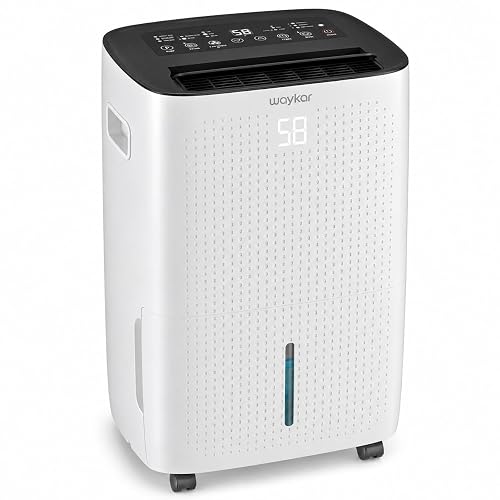
Waykar 145 Pints High Efficiency Dehumidifier with Pump
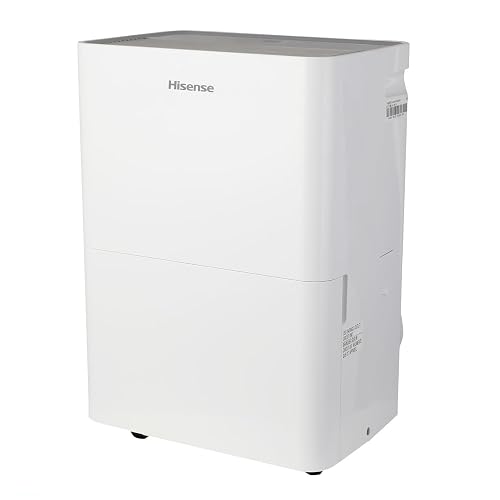
Hisense 35-Pint Compact Dehumidifier (3500 Sq. Ft.)
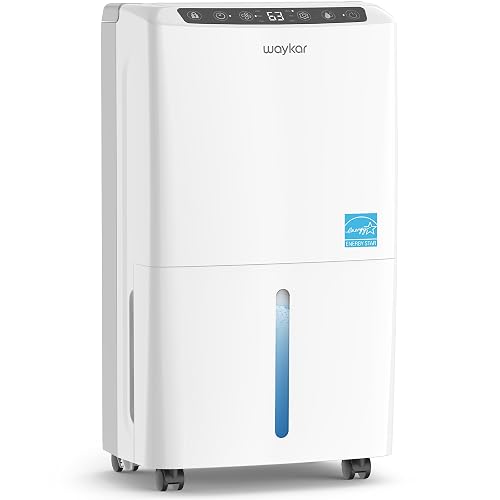
Waykar 34 Pints 2025 Energy Star Dehumidifier (2,000 Sq. Ft.)
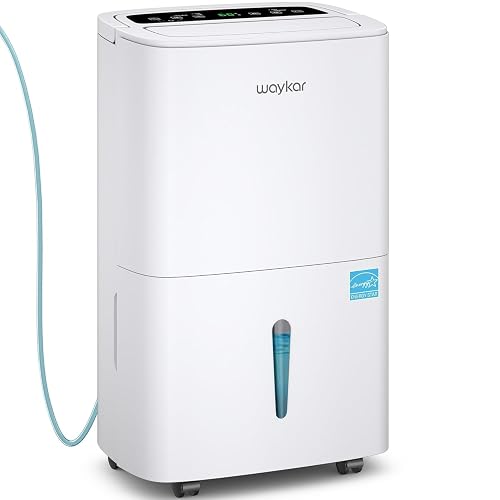
Waykar 150 Pints 2025 Energy Star Dehumidifier with Pump

Lonxfy 35 oz Small Dehumidifier with Sleep Mode
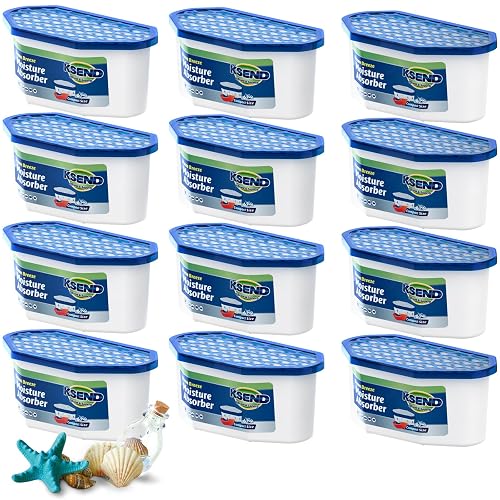
Ksend Moisture Absorber 12-Pack Buckets

Damp Defender by Dampp-Chaser 24-Inch White
Why These Options Stand Out
Most compact bathroom dehumidifiers live in a sweet spot under 1,000 square feet, so the Waykar 145 Pints model is a different animal. It’s built for a 6,500 square foot footprint and ships with a built-in pump plus a drain hose, meaning it can push water upward and out to a sink, floor drain, or window rather than relying on a tank you empty by hand.
The 30 to 80 percent humidity adjustment range gives you real control instead of a simple on-off switch. Compared to the thermoelectric units lower on this list, it pulls dramatically more moisture per day, which is what you need for a basement that smells like a cave after every rain. The catch is size and weight; this is a serious floor unit, not a counter-top appliance.
Key Advantages
- Built-in condensate pump lets the unit drain vertically without manual bucket emptying, ideal for basement installs where gravity won’t help.
- Wide humidity adjustment window from 30 to 80 percent so you can target mildew-prevention levels or gentler comfort settings.
- High daily extraction rate handles large square footage, so one unit can cover an open-plan basement instead of forcing you to chain smaller machines together.
- Drain hose included for continuous operation during long humid stretches, removing the need to babysit a tank.
Worth Noting
- Footprint and weight make it a poor match for tight bathrooms, where the smaller picks below fit much more comfortably.
- Compressor-based units run noticeably louder than thermoelectric options, so placement near a bedroom requires some thought.
Key Specs
Whose Home It Belongs In
Homeowners with a finished basement, a large open living area, or any space over 3,000 square feet where damp air lingers through summer.
Look Elsewhere When
Renters and small-bathroom owners will find the Waykar 34 Pints 2025 Energy Star Dehumidifier a more practical size for everyday use.
Hisense’s 35-pint unit sits right in the middle of this shortlist in both price and capability. It’s rated for 3,500 square feet, which is enough for most apartments and small houses without being overkill for a single bathroom.
The slide-out bucket design makes emptying straightforward, and a built-in humidistat cycles the compressor on and off to hold a target humidity. Compared to the Waykar 145 Pints at the top, it doesn’t have a pump, so you’ll need to set it near a drain or commit to manual emptying. For most people, the trade-off is worth it: this is a quieter, lighter machine that you can actually move between rooms.
Why It Works Well
- 3,500 square foot rating covers typical apartments and small homes without the bulk of a basement-grade unit.
- 35-pint daily extraction handles bathroom steam, cooking moisture, and general living-area humidity in one device.
- Slide-out tank simplifies weekly emptying, with a clear visible level so you know when it’s full.
Trade Offs
- No internal pump means continuous drainage requires you to position it near a floor drain or commit to manual emptying.
- Some owners report the compressor noise is noticeable in bedrooms at night, so light sleepers should plan placement carefully.
Made For
Apartment dwellers and small homeowners who want a single machine that can move between a bathroom, bedroom, and living area without a hassle.
A Better Fit Elsewhere
Bathroom-only users with limited space will appreciate the much smaller Lonxfy 35 oz Small Dehumidifier with Sleep Mode for a quieter, simpler fit.
The 2025 Waykar 34 Pints brings a rotary compressor to a smaller footprint, which is a notable change from the older piston designs. Rotary compressors run cooler, vibrate less, and sip less power, which is why this unit earns an Energy Star label.
It’s rated for 2,000 square feet, putting it in that useful middle zone between a true bathroom puck and a basement workhorse. The 0.62-gallon tank is small for the extraction rate, so most owners will want to attach the continuous-drain hose and forget about it. Against the Hisense above, this is a slightly newer design with a quieter compressor, but the build quality feels a touch lighter.
Bright Spots
- Rotary compressor technology reduces energy draw and vibration compared to older piston-style units, so it costs less to run continuously.
- Auto or manual drainage flexibility means you can either plumb a hose or empty the small tank on your own schedule.
- 2,000 square foot capacity handles open-plan apartments and medium bedrooms without sizing up to a basement unit.
- Adjustable humidity range from 30 to 80 percent matches the larger Waykar model for control precision.
Points To Note
- The 0.62-gallon internal tank fills quickly at full output, so continuous drain setup is essentially required for heavy-use days.
- Plastic housing is functional but feels less substantial than the Hisense cabinet, so handle the casters carefully on stairs.
Feature Snapshot
Right Fit For
Energy-conscious shoppers in apartments and mid-size homes who want a real compressor dehumidifier without the bulk of a basement unit.
Reach For A Different Pick When
Bathroom-only duty in a small powder room points toward the Lonxfy 35 oz Small Dehumidifier, which costs less and runs silent in that footprint.
The 150 Pints is the heavy hitter in Waykar’s 2025 commercial-grade lineup, sized for 7,000 square feet of warehouse, basement, or workshop space. It carries an Energy Star rating, which is unusual at this extraction tier and means it pulls more moisture per kilowatt-hour than older industrial designs.
Auto-defrost and self-drying features protect the coils in cooler conditions, which is critical for basement and garage installs where temperatures drop overnight. The pump and drain hose combination handles continuous operation, so it can run for days without intervention. Against the 145 Pints above, this adds better cold-room tolerance and a slightly larger coverage ceiling, at the cost of being even less appropriate for a small bathroom.
What Stands Out
- Auto-defrost function prevents coil freeze-up in cool basements and unheated garages where standard compressors would stall.
- Self-drying mode clears residual moisture from internal components between cycles, reducing the musty smell that plagues neglected dehumidifiers.
- 7,000 square foot ceiling handles the largest residential basements and many small commercial spaces.
- Energy Star rating at this capacity signals efficient compressor design, lowering the long-term operating cost for a unit likely to run around the clock.
Practical Considerations
- This is overkill for any bathroom under 200 square feet; the airflow is sized for industrial rooms and feels excessive in tight spaces.
- Compressor noise is significant at full output, so plan for basement or utility-room placement away from living areas.
Best Suited To
Owners of large basements, workshops, or small warehouses who need set-and-forget moisture control with minimal manual tank emptying.
Skip It When
Anyone working with under 2,000 square feet should step down to the Waykar 34 Pints 2025 Energy Star Dehumidifier for a more appropriately sized fit.
The Lonxfy drops everything the Waykar and Hisense units have, namely a compressor, a pump, and most of the moving parts, in favor of a thermoelectric module. A thermoelectric dehumidifier uses a Peltier chip: an electronic component that cools one side of a metal plate when current flows through it, condensing moisture without a compressor. The result is a near-silent unit small enough to sit on a bathroom counter.
It’s rated for spaces up to 350 square feet with a 35-ounce tank, which is enough for a typical full bath or small bedroom. Sleep mode and seven color lights feel more like lifestyle touches than performance features, but the auto shut-off when the tank fills is genuinely useful. Compared to the compressor units above, extraction is much slower, so this is a steady-state moisture tamer, not a heavy steam fighter.
Everyday Perks
- Thermoelectric operation runs near silent, so it can stay on overnight in a nursery or adjacent to a bedroom without disturbing sleep.
- 35-ounce tank with auto shut-off prevents overflow spills on counter tops and wood floors.
- Compact, portable form factor makes it easy to move from bathroom to closet to RV without a wheeled cart.
- Sleep mode dims indicator lights for light-sensitive sleepers who share the room.
Honest Caveats
- Thermoelectric modules pull far less moisture per day than compressors, so post-shower steam lingers longer than it would with a Waykar.
- The 350 square foot ceiling is a hard limit; open living areas and finished basements are out of reach.
Quick Facts
Perfect Match For
Apartment renters and RV owners who want a counter-top unit that can run through the night without disturbing the household.
Consider Something Else When
Anyone dealing with persistent basement dampness should look at the Waykar 150 Pints 2025 Energy Star Dehumidifier with Pump instead.
The Ksend buckets aren’t a dehumidifier in the mechanical sense. Each container holds calcium chloride pellets that pull moisture directly out of the surrounding air, collecting it in a sealed lower chamber. The ocean scent variant releases a light fragrance as the pellets dissolve, which doubles as a closet freshener.
A 12-pack lets you scatter them through multiple problem spots: under the bathroom sink, in a musty closet, near the washing machine, in a basement storage area. There’s no power cord, no compressor, no noise, and no tank to empty. The trade-off is capacity: one bucket handles a small, enclosed space, not a 2,000 square foot apartment.
Everyday Advantages
- Zero power consumption, which makes these ideal for guest bathrooms, RVs, and storage closets without easy outlet access.
- Leakproof construction with moisture-locking paper prevents spills even when a bucket is accidentally knocked over.
- 12-pack format spreads coverage across multiple rooms for roughly the same monthly cost as running a single compressor unit.
- Ocean scent adds a light, consistent fragrance that some homeowners find more pleasant than plain musty air.
Factors To Consider
- Single-bucket capacity is limited to small enclosed spaces, so a full bathroom needs multiple buckets to make a visible difference.
- Replacement frequency adds up; each bucket lasts a few weeks before the pellets dissolve, so the 12-pack is a recurring cost.
Who Will Love This
Renters and anyone dealing with closet or under-sink moisture who doesn’t want the noise, weight, or outlet requirements of a real dehumidifier.
Swap It Out When
Whole-room humidity in a finished bathroom calls for a powered unit like the Hisense 35-Pint Compact Dehumidifier, which extracts far more moisture per day.
The Damp Defender takes a different approach from anything else on this list. It’s a 24-inch electric rod that warms a metal element just enough to encourage air circulation and discourage condensation, which prevents the conditions where mildew thrives.
It plugs into a standard outlet, runs silent, and is sized for tight cabinets, closets, RVs, and boat cabins where a compressor unit would be absurd. The Dampp-Chaser brand has been making these rods for years, and the 24-inch length is a popular size for medicine cabinets and galley kitchens. Against the Lonxfy above, this isn’t a moisture extractor at all; it’s more of a mildew preventer, which is the right tool for some problems.
The Case For It
- Silent operation with no moving parts makes it suitable for bedrooms, nurseries, and overnight use in tight quarters.
- 24-inch rod fits inside standard closets, medicine cabinets, and galley spaces where boxy units simply don’t fit.
- Low wattage means it can run continuously without spiking an electric bill or tripping an RV inverter.
- Multi-environment rating covers boats, RVs, and seasonal cabins where humidity spikes during storage.
Potential Drawbacks
- This is a mildew preventer, not a moisture extractor, so a real damp problem needs a powered compressor unit alongside it.
- Effectiveness depends on tight enclosure; in an open room, the rod’s heat output is too gentle to matter.
Who Should Grab It
RV and boat owners, plus anyone with a damp closet or small storage cabinet where a compressor unit can’t fit.
Not Your Match When
Larger spaces with measurable humidity will do better with the Waykar 34 Pints 2025 Energy Star Dehumidifier, which actually pulls moisture out of the air.
What Matters Most Before Choosing a Compact Bathroom Dehumidifier
Square Footage Drives Sizing
The first honest question is how much air you actually need to treat. A 35-ounce thermoelectric unit covers a powder room, but a 1,500 square foot basement laughs at one. Pick the rating that matches your room, not the rating that’s impressively large. Oversized units short-cycle, which wears the compressor and over-dries the air without helping.
Compressor vs Thermoelectric
Compressor units pull more moisture per kilowatt-hour and handle large spaces, but they generate heat and noise. Thermoelectric Peltier units run silent and weigh almost nothing, which is why they dominate the small-bathroom category, but they extract a fraction of the moisture. If you take long hot showers, a compressor will keep up; if you just need the room to feel drier between uses, thermoelectric is plenty.
Drainage Setup Matters
Any dehumidifier pulls more water than most people expect. A continuous drain hose, or a pump that can push water upward, turns a high-capacity unit into a set-and-forget appliance. A small tank, on the other hand, means manual emptying every day or two, which is fine for casual use but a chore in a damp basement.
Noise and Placement
Compressor dehumidifiers sound like a small refrigerator, which is fine in a basement but disruptive in a nursery. Thermoelectric and rod-style units are quiet enough to share a room with a sleeper. Match the technology to where the unit will actually live.
Key Considerations Across These Picks
Common Buying Traps
The biggest mistake is choosing a unit based on maximum square footage rather than the actual room you need to treat. A 6,500 square foot commercial dehumidifier in a 70 square foot bathroom is wasteful and loud. The other trap is ignoring drainage: a 35-pint daily extraction rate with a 0.6-gallon tank means constant emptying, which most shoppers don’t realize until the unit is already home.
The Case For Spending Up
Higher-tier models in this category earn their cost through quieter compressors, internal pumps, and auto-defrost features that cheaper units lack. You pay more upfront, but you also buy a machine that can run for months without intervention. For anyone in a damp basement, that hands-off operation is genuinely worth the premium; for a guest bathroom used twice a week, the simpler picks do the same job.
Frequently Asked Questions
How many pints per day do I need for a small bathroom?
Most full bathrooms do well with 20 to 35 pints of daily extraction. Anything more is overkill unless you’re drying out a basement, and anything less may struggle after long hot showers.
Can a thermoelectric dehumidifier handle a real bathroom?
Yes, but with realistic expectations. A Peltier unit pulls moisture slowly, so the air feels less humid between uses rather than actively drying after a steamy shower. For active steam removal, a compressor unit works faster.
Where should I place a compact dehumidifier?
Away from walls and furniture so airflow isn’t blocked, ideally near the source of moisture. In a bathroom, a spot near the shower or tub with access to an outlet is ideal. Avoid placing the unit directly on carpet, since spilled condensate can damage the pad underneath.
Do I need a pump or continuous drain?
Only if you want a hands-off setup. A pump lets the unit push water up and out through a hose, which is essential for basement installs. For a small bathroom, emptying a tank once a week is usually fine.
Are moisture absorber buckets a real alternative?
For closets, RVs, and small enclosed spaces, yes. They don’t extract moisture from a large room, but they pull enough dampness from a tight cabinet to prevent mildew without any power at all.
Bottom Line
The right compact bathroom dehumidifier depends less on specs and more on the room you’re trying to keep dry. For a small bathroom where silence matters, the Lonxfy 35 oz covers daily use quietly. For larger homes and basements, the Waykar 150 Pints handles the heavy lifting without constant attention. Match the unit to the room, plan for drainage from the start, and you’ll notice the difference the first time you step out of the shower.