

An attic is one of the meanest environments you can throw at a dehumidifier. Stagnant summer air pushes humidity north of 70%, and without AC ducts to whisk moisture away, framing, insulation, and stored boxes pay the price. A floor unit pulled up the pull-down ladder only solves part of the problem; you need a machine built to handle real heat, real square footage, and real neglect.
The seven models below span small-space workhorses to commercial-grade workhorses that double as whole-home solutions. Each one is matched to a different kind of attic, from mild coastal climates to hot, sticky inland zones where mold is a weekly chore.
The Essentials At A Glance
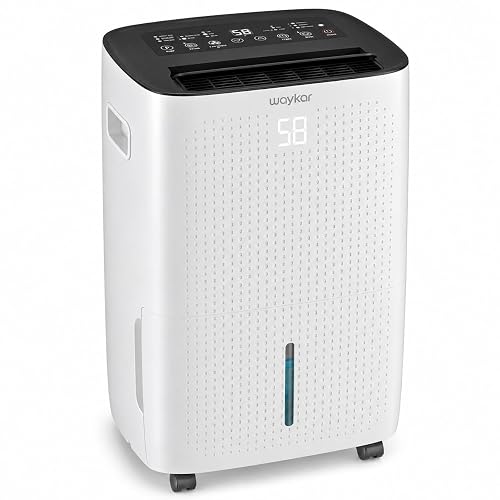
Waykar 145-Pint High Efficiency Dehumidifier with Pump

PLUSCENT 21-Pint Dehumidifier for 1,500 Sq. Ft
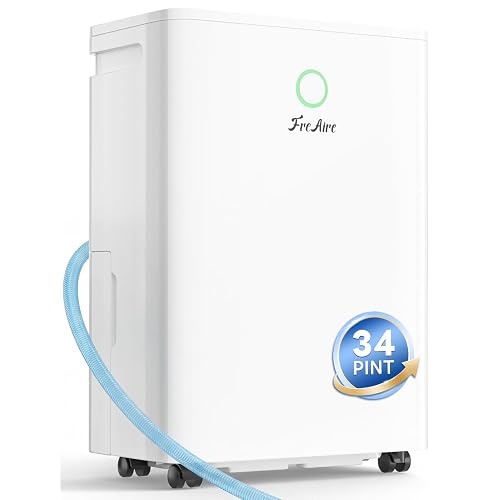
FreAire 34-Pint Dehumidifier with 6.56ft Drain Hose
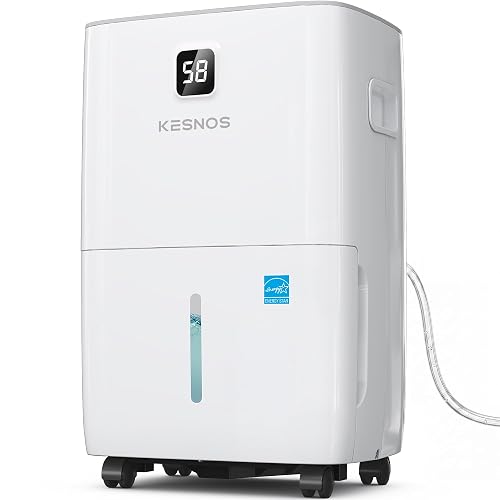
Kesnos 120-Pint Energy Star Dehumidifier, 6,500 Sq. Ft
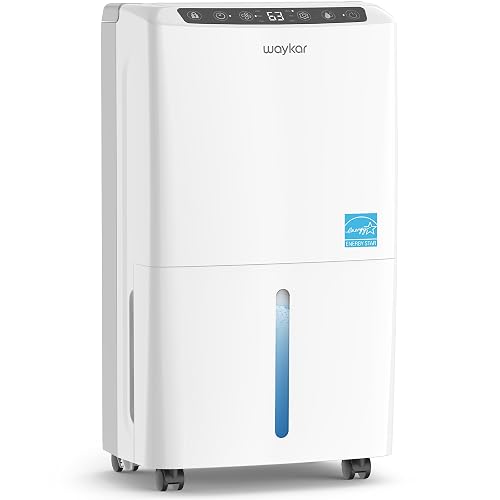
Waykar 34-Pint 2025 Energy Star Dehumidifier
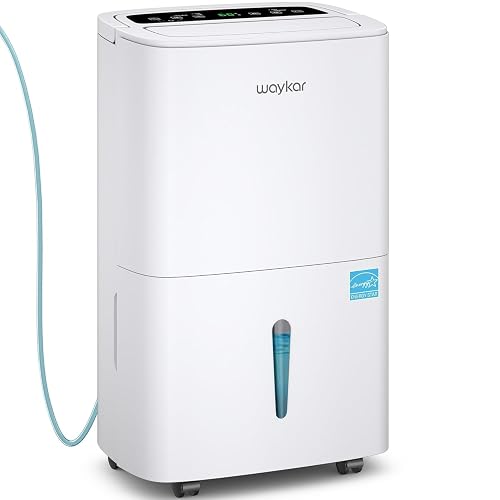
Waykar 150-Pint 2025 Energy Star Dehumidifier with Pump
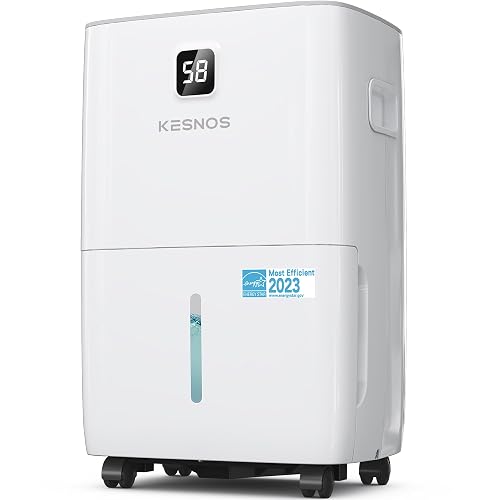
Kesnos 80-Pint Energy Star Dehumidifier with Front Display
More Details On Our Top Picks
Picture a third-floor attic stretching over a garage, with a finished bonus room on one end and raw insulation on the other. The Waykar 145 pulls moisture from up to 6,500 square feet, which puts it well past what most attics demand, but the headroom is the point. Humidity above 60% in summer becomes a mold problem in winter, and a bigger unit can drop the air faster, which is the only number that actually matters for wood and drywall.
The built-in pump changes the ownership picture in attics where the nearest floor drain might be two stories down. Instead of climbing up with a full tank, water gets pushed out through a hose to wherever it can drain. Pair the pump with the included drain hose and the unit runs unattended for days.
Real-World Strengths
- Built-in pump pushes water upward and across long hose runs, so a far-away drain is no longer a deal-breaker.
- 145-pint daily extraction handles attics that double as storage, gyms, or workshops.
- Adjustable humidity range from 30% to 80% lets you dial in the right target for stored wood versus living space.
- Lower energy draw than older 150-pint workhorses thanks to the modern compressor design.
- Casters on the bottom make positioning easier on uneven attic subfloors.
Things To Consider
- The cabinet is tall and heavy, so getting it up a pull-down ladder takes planning and a helper.
- At full output, the compressor hum is loud enough to feel through a floor; finished attic bedrooms may notice it.
- Owners commonly report needing a longer drain hose than the one included for second-story installs.
Who It Suits Best
Owners of large, multi-use attics over a garage or addition who want a set-and-forget install with a pump doing the heavy lifting.
Look Elsewhere When
The FreAire 34-Pint is a smarter fit for compact, finished attic rooms where 145 pints of capacity is overkill.
Some attics are barely bigger than a generous closet: a finished nook over a stairwell, a converted knee-wall office, or a small bonus room where every square inch is built out. For those spaces, the PLUSCENT 21-pint makes more sense than any of the bigger models below. It claims 1,500 square feet of coverage, which is generous on paper, and pulls up to 21 pints of water a day in tough conditions.
The 160-watt power draw is the quiet win. Running this for twelve hours costs pennies compared to a 145-pint workhorse, and the included drain hose means it can stay parked in a tight corner without anyone hauling the tank downstairs.
Features That Help
- 160-watt draw keeps electricity costs low during weeks of summer humidity.
- Compact cabinet slips into kneewall corners where taller units simply do not fit.
- Included drain hose removes the need to dump a tank in a hot attic every day.
- 21-pint output punches above its weight in well-sealed, smaller attics.
Honest Caveats
- Coverage assumes tight sealing; a leaky attic with open soffits will leave it spinning.
- Smaller water reservoir means more frequent checks if you skip the drain hose.
- No pump, so the drain hose relies on gravity; uphill routing is not an option.
Made For
Anyone drying out a small, finished attic nook where a giant commercial unit would be wasted power and floor space.
Consider Something Else When
Step up to the Kesnos 80-Pint Dehumidifier if the space stretches past 1,500 square feet or sees sustained summer humidity above 65%.
The middle of the attic market is a strange place: not so small that you feel short on capacity, not so large that the electric bill stings. The FreAire 34 lands in that sweet spot. It covers up to 2,500 square feet and removes 34 pints of moisture per day, which is plenty for an average single-zone attic in a humid climate.
Unlike the PLUSCENT above, the FreAire ships with a longer 6.56-foot drain hose, which gives you a real shot at reaching a floor drain, a window, or a utility sink on the level below. Setup is mostly plug, attach, walk away.
The Value In It
- 34-pint extraction in tight, muggy attics that would overwhelm the PLUSCENT.
- 6.56-foot drain hose covers most attic-to-floor-drain setups without an extension.
- 2,500 square feet of coverage suits whole-floor attic conversions.
- Cabinet size is friendly enough to move between storage and living areas.
Points To Keep In Mind
- No internal pump; routing the drain hose uphill is not possible.
- Owners commonly report a louder fan than expected on the high setting.
Best Suited To
Average homeowners with a mid-size attic in a humid climate who want a drain-and-forget install without oversizing the unit.
Reach For A Different Pick When
The Waykar 34-Pint 2025 model is a better match for shoppers who want Energy Star efficiency baked into a similar capacity.
There is a real difference between a dehumidifier that just works and one that works all summer without inflating the utility bill. The Kesnos 120-pint carries Energy Star certification, which means it meets stricter efficiency standards than uncertified units in the same size class. For a hot attic that needs to run sixteen hours a day from June through September, that gap adds up.
Capacity is unchanged from the Waykar above: 120 pints a day in tough conditions, 6,500 square feet of claimed coverage. The trade-off is no built-in pump, so the included drain hose has to do the work using gravity alone.
Reasons It Performs
- Energy Star certification reduces power draw during long summer runs in hot attics.
- 120-pint extraction handles spaces where smaller 34-pint units plateau in humidity.
- Adjustable humidity range from 30% to 80% for tailored storage-versus-living settings.
- Drain hose included for continuous operation without a tank dump.
Trade-Offs
- No internal pump, so the unit must sit above the drain point.
- Cabinet is large; it will not tuck into a small knee-wall nook.
Right Fit For
Attic owners in hot, humid zones who plan to run their dehumidifier daily through the summer and care about long-term operating cost.
Swap It Out When
The Waykar 145-Pint with Pump is the right answer if gravity-only drainage is a non-starter in your attic layout.
Waykar updated its mid-tier for 2025 with a rotary compressor, which is the kind of change you cannot see but absolutely notice on the electric meter. This 34-pint model is rated for spaces up to 2,000 square feet and includes a 0.62-gallon tank with both auto and manual drainage paths. The Energy Star rating separates it from a number of budget imports in the same capacity bracket.
Compare that to the FreAire above, which is also a 34-pint unit but lacks the efficiency certification. For an attic that sees a moderate humidity load, this Waykar often feels like the better long-term play.
Everyday Perks
- 2025 rotary compressor design trims size and energy use compared to older reciprocating units.
- Energy Star certification for shoppers who care about annual operating cost.
- 0.62-gallon tank plus continuous drain option for flexible installs.
- Humidity range from 30% to 80% covers most attic storage and living situations.
Where It Is Less Suited
- 34 pints of daily extraction will feel modest in a fully exposed, sun-baked attic.
- 2,000-square-foot coverage assumes reasonable sealing and air movement.
Who Should Grab It
Shoppers who want Energy Star efficiency at a usable mid-size capacity without paying for a 100-plus pint workhorse.
Where Another Pick Suits Better
Move up to the Kesnos 120-Pint if your attic is large, hot, and runs the unit hard for most of the day.
When the attic doubles as a workspace, a storage loft, or a finished apartment, the appliance pulling duty has to be more than just a big fan. The Waykar 150-pint 2025 is built for that workload. It covers up to 7,000 square feet, pulls 150 pints of water a day in extreme conditions, and carries Energy Star certification, which is rare in a unit this large.
Two features earn the upgrade price for many owners. Auto defrost keeps the coils from icing up in cooler shoulder seasons, and self-drying clears residual moisture from the unit between cycles. Combined with the built-in pump, it is the closest thing to an install-and-forget dehumidifier in the attic category.
Notable Upsides
- Built-in pump paired with Energy Star efficiency is rare in the 150-pint class.
- Auto defrost prevents coil freeze-ups in attics that cool overnight.
- Self-drying mode helps the unit stay clean between heavy runs.
- 7,000-square-foot coverage handles whole-floor conversions.
Practical Considerations
- Footprint and weight make this a two-person carry up a pull-down ladder.
- Premium features push the price up; the smaller Waykar 145-pint covers similar ground for less.
Perfect Match For
Owners with a large, finished attic apartment or workshop who need commercial-grade capacity with residential-friendly efficiency.
Skip It When
The Waykar 145-Pint covers nearly the same workload for less if you do not need self-drying and auto defrost.
The Kesnos 80 sits in a useful middle: too big for a closet, too small for a warehouse, just right for a finished attic bedroom or home office above the garage. It pulls 80 pints a day, covers up to 5,500 square feet, and has a front humidity display that saves you from climbing up to read a panel on top of the unit.
The 30% to 80% humidity range adjusts in 5% steps, which is finer than many competitors that jump in 10% increments. For a space where you store photographs, books, or musical instruments, that control matters.
Practical Pluses
- Front-facing humidity display is easier to read than top-mounted panels in dark attics.
- 5% humidity adjustment steps give finer control than 10% competitors.
- Low and high fan speed options let you trade noise for faster drying.
- Energy Star rating for shoppers watching annual operating cost.
Where It May Fall Short
- No built-in pump, so continuous drain is gravity-only.
- 5,500-square-foot coverage assumes reasonable sealing; a leaky roof deck will push the unit to its limits.
Whose Shelf It Belongs On
Finished attic rooms, music studios, and home offices that need quiet, controlled humidity without the bulk of a 120-pint workhorse.
Not Your Match When
The Waykar 145-Pint with Pump is a better fit for raw, unfinished attic storage where continuous pumping is the priority.
Matching The Right Unit To Your Attic
Selecting a dehumidifier for an attic starts with three honest measurements: square footage, average summer humidity, and how the space is sealed. A 1,500-square-foot bonus room with a vapor barrier and good insulation behaves nothing like a 1,500-square-foot raw storage loft with open soffits.
Coverage Versus Capacity
Coverage tells you how much air the unit can move, while pints-per-day tells you how much water it can pull. Attics that see humidity above 65% for weeks at a time benefit from oversizing capacity by 20% to 30%, because a unit running at 50% duty cycle dries the space more effectively than one running flat out.
Drainage Method Matters More Than Specs
A 145-pint unit without a pump is a hassle the day the tank fills. Attics almost never have a floor drain, so a built-in pump or a clear path for gravity drainage is a real ownership advantage. For second-story attics, a pump is essentially mandatory.
Energy Star Is Not Just A Sticker
Energy Star certified models tend to use 10% to 20% less electricity than uncertified units of the same pint rating. Over a full summer of sixteen-hour days, the savings cover a meaningful share of the unit’s cost. The Kesnos 120, the Waykar 34 2025, the Waykar 150 2025, and the Kesnos 80 all carry the certification.
Air Seating And Air Movement
Even the best dehumidifier stalls in a leaky attic. Owners commonly report a dramatic difference after sealing obvious gaps around vents and hatch covers. A small fan in the attic also helps by moving humid air across the coil, which is the actual mechanism that pulls water out.
Common Slip Ups And Upgrade Trade-Offs
Pitfalls Shoppers Hit
Most first-time buyers pick capacity by square footage alone, then wonder why humidity stalls at 55%. The fix is almost always undersizing for the climate, not the room. Another recurring mistake is skipping a drain plan; a tank-only install in a hot attic turns into a daily ladder climb that nobody keeps up with.
What The Higher Tier Buys
Premium models earn their cost in three places: a built-in pump for unattended draining, Energy Star efficiency that pays back over a long summer, and features like auto defrost and self-drying that reduce maintenance. The upgrade is worth it for finished attic rooms, apartments, and workshops where reliability matters more than the initial spend.
Frequently Asked Questions
What size dehumidifier do I need for an attic?
A common rule of thumb is one pint of daily capacity per square foot of space, but humid climates benefit from going larger. For a 1,000-square-foot attic in a coastal zone, a 50-pint or larger unit is a safe starting point.
Can a regular home dehumidifier work in an attic?
Most residential dehumidifiers run fine in attics as long as ambient temperatures stay above about 41°F, which is the lower limit for most compressor coils. Below that, look for a unit with auto defrost.
How often does the tank need emptying?
Without a drain hose, tank frequency depends on humidity and capacity. A 21-pint unit in a wet attic can fill a small tank in a single day. A drain hose or pump removes that chore entirely.
Is a built-in pump worth the extra cost?
For attic installs, a pump is almost always worth it. Most attics cannot gravity-drain to a floor, and a full tank shuts the unit down until it is emptied.
Where should I place the dehumidifier in the attic?
Central placement away from walls works best, with at least a few inches of clearance on all sides for airflow. Avoid corners near the access hatch, where heat and humidity pool unevenly.
The Takeaway
Pick by your attic’s actual behavior, not by the spec sheet alone. Measure humidity over a few summer days, decide whether a pump or a gravity drain is realistic, and size up if your climate runs wet. The seven models above cover the full range, from the small-footprint PLUSCENT to the workhorse Waykar 150, so matching your room to the right tool is a matter of honest self-assessment.