
Books suffer in damp rooms long before you spot the damage. Pages curl, foxing blooms across endpapers, glue softens in spines, and musty odors settle deep into cloth covers. A good dehumidifier for books pulls that ambient moisture down to a level where paper and bindings stay stable, protecting anything from a single shelf of first editions to a basement archive. The seven options below each handle a different volume of air or storage footprint, so the right match depends on where your collection lives and how exposed that space is to humidity swings.
A Fast Comparison Of The Options
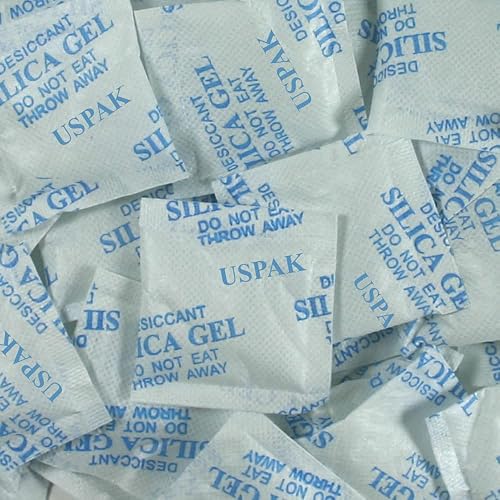
USPak Silica Gel 2 Gram Packets 100 Pack
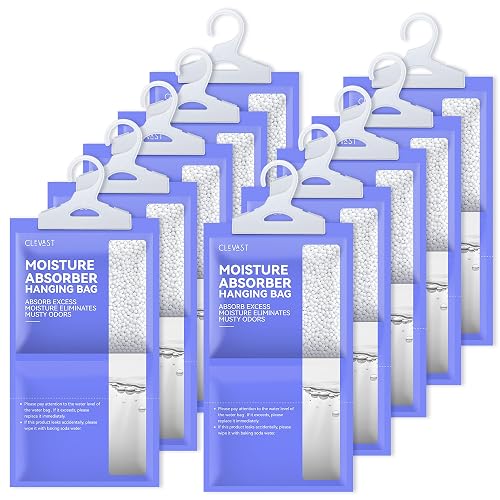
CLEVAST Hanging Moisture Absorber Bags 10 Pack
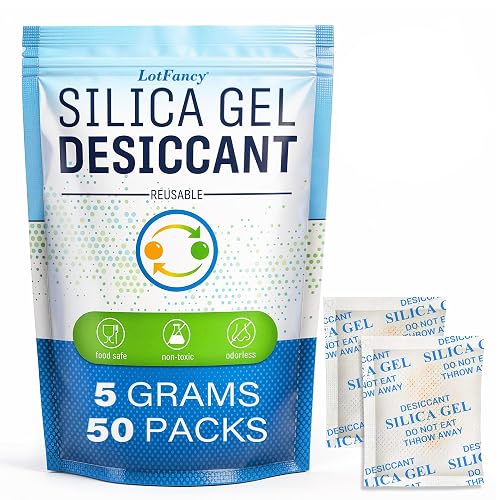
LotFancy Silica Gel 5 Gram Packets 50 Pack
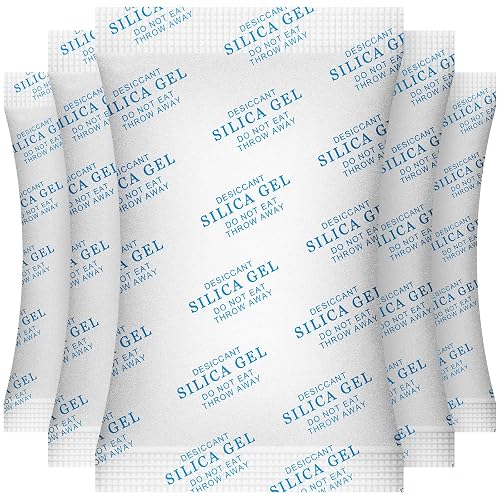
O2frepak 100 Gram 10-Pack Silica Gel
O2frepak 10 Gram 100-Pack Silica Gel
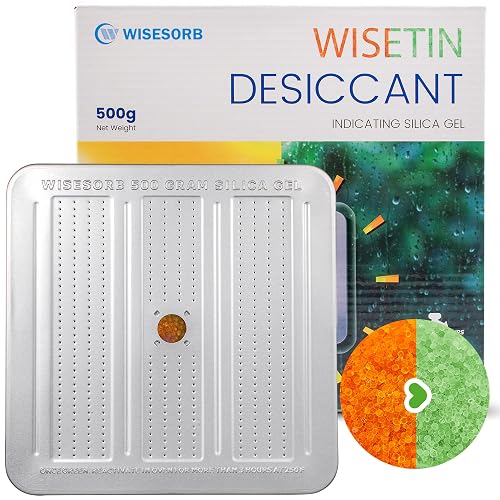
Wisesorb 500g Desiccant Canister
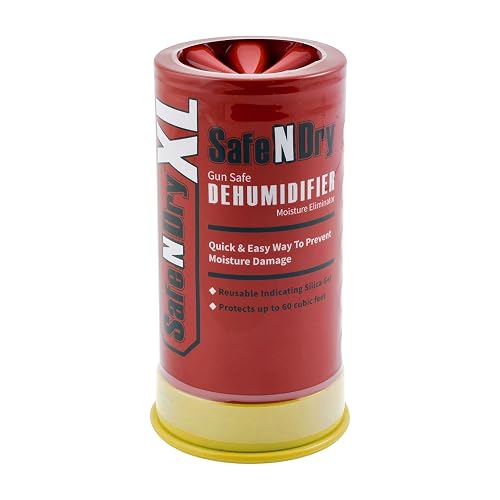
SafeNDry 450g Reusable Silica Gel Canister
The Details Behind The Selections
For collectors who keep a few prized volumes in archival boxes, a flat sachet tucked alongside the book can matter more than a room-sized machine. The USPak 2-gram silica packets come in a pack of 100, sized for placement inside sealed storage containers roughly the size of a one-gallon volume each, which fits naturally around a single hardcover or a small stack of paperbacks. Silica gel works by adsorbing water vapor onto its porous surface, pulling humidity down inside whatever airtight vessel you close it in.
Where this format really helps is in unheated closets or attic corners where room dehumidifiers cannot reach, or in a flat-rate shipping box heading to a buyer. You can drop a packet into each archival box, label it, and revisit the supply every few months. Compared with the CLEVAST bags covered next, these are silent and self-contained, with nothing to hang or empty.
Practical Advantages
- 100 packets in one order gives you enough to spread across many small storage boxes without restocking often.
- 2-gram size fits comfortably inside archival shoe-boxes and magazine files alongside a single book.
- Silica gel stays chemically stable, so packets can sit next to cloth covers and leather without off-gassing concerns.
- Works in any sealed environment, including moving boxes, safe deposit transit, and long-term display cases.
Things To Consider
- No color indicator, so you cannot tell at a glance when a packet has reached saturation.
- Only effective in airtight containers, so tossing them loose on an open shelf will do little.
Made For
Collectors who store valuable books inside sealed archival boxes and want a low-maintenance, replaceable moisture buffer per volume.
Skip It When
The Wisesorb 500g canister suits you better if you want one rechargeable unit that covers an entire cabinet without rotating packets.
Bookshelves in living spaces usually do not justify plugging in an electric dehumidifier, yet they still need a hand. The CLEVAST bags use spherical calcium chloride particles, a salt that pulls water vapor from the air and traps it as a liquid in a sealed lower chamber, all wrapped in a one-way permeable paper that lets moisture in but not out. Hanging them from a shelf rod or closet bar keeps them off the books while they work.
Each 230-gram pack is unscented, which matters in a reading room where chemical odors can cling to paper. The bags gradually collect water in a small reservoir you can see through the front window, and you replace the whole unit once it fills. Compared with the USPak packets, these handle larger open volumes like a freestanding bookcase rather than a single sealed box.
Reasons It Performs
- Hanging format stays out of the way of the books themselves.
- Calcium chloride pulls moisture from larger open-air spaces where small silica packets would be overwhelmed.
- Visible water collection lets you confirm the unit is working.
- Unscented formula avoids the perfumed smell that some absorbers leave on nearby paper.
Worth Noting
- Once the lower pouch fills, the entire bag is single-use, so replacement cost adds up over years.
- In low-humidity winter rooms, crystals can form on the surface, which owners sometimes mistake for a defect.
Best Suited To
Home libraries with a freestanding bookcase in a humid room, where you want a drop-in solution that needs no power or maintenance beyond a swap.
Consider Something Else When
LotFancy silica packets suit collectors who prefer a reusable solution that can be dried out in the oven rather than tossed.
Archivists often want to know exactly when a desiccant has reached its limit, and the LotFancy packets answer that with a built-in color indicator. The beads shift hue as they pick up moisture, so a quick glance tells you which sachets are spent and which still have capacity. The 5-gram size is roughly double the USPak packets, giving each one enough material to handle slightly larger containers without doubling up.
Fifty packets in a single order is a comfortable middle ground between the 100-count USPak box and the smaller hanging bag packs. The packets are listed for use around food storage, electronics, and 3D filament as well, which speaks to a low chemical reactivity that paper and leather collectors appreciate. Compared with the CLEVAST bags, these are silent, single-use-by-saturated, and easy to swap, with the bonus of visual feedback.
Strengths Worth Knowing
- Color-changing beads remove the guesswork from deciding when to replace a packet.
- 5-gram size offers a useful middle capacity for standard document boxes and small crates.
- Listed for food-safe contact, suggesting a clean chemical profile that is gentle on paper.
- Flat packet format lays neatly between books without bulging pages.
Trade Offs
- Still a single-use design in most workflows, so cost per year can climb with frequent saturation.
- Color shift happens gradually, and reading it correctly takes a little practice the first time.
Feature Snapshot
Right Fit For
Curators and serious collectors who want to log replacement intervals and avoid pulling a saturated sachet by accident.
Look Elsewhere When
The O2frepak 10-gram 100-pack fits better when you need many small packets across a high volume of low-cost shipping cartons.
For document boxes built from file-carton sizes or anything approaching a small trunk, a 2-gram packet barely makes a dent. The O2frepak 100-gram pouches concentrate ten times the silica into a single breathable sachet, so one or two packets can cover an entire file storage box. The beads are described as food grade and free of cobalt chloride, the orange-to-green indicator dye that some older desiccants still use, which keeps the chemistry straightforward around keepsakes.
Compared with the smaller O2frepak 10-gram 100-pack, the trade is fewer total units in exchange for far higher capacity per unit. One pouch dropped into a banker’s box handles a stack of folders, a row of paperbacks, or a layer of magazines. The 40-percent-of-weight absorption figure quoted in the spec context lines up with what silica gel typically achieves at moderate humidity, giving each pouch a useful working life between recharges.
Notable Gains
- 100-gram capacity suits large file boxes and oversize hardcovers where small packets fall short.
- Food-grade composition keeps the chemistry inert around archival paper and ink.
- 10-pack format balances coverage with manageable storage of unused pouches.
Points To Note
- Larger pouches take up more room inside a tight box, so they suit deep storage rather than narrow shelves.
- No color indicator, so tracking saturation relies on calendar or hygrometer checks.
Quick Facts
Who It Suits Best
Home archivists with a few filing cabinets or bankers boxes of family documents in a basement or garage where humidity runs high.
A Better Fit Elsewhere
Wisesorb’s 500g canister works better when you want one rechargeable unit that lives inside a gun safe or display cabinet long term.
When the project is dividing a single collection into many small protective sleeves or distributing sachets across a dozen shipping boxes, a 100-count pack of 10-gram packets is the practical answer. Each O2frepak sachet holds five times the material of the smallest USPak packet, giving it more headroom for each container while still fitting flat between covers. The food-grade, cobalt-chloride-free formula mirrors the brand’s 100-gram pouches, so chemistry stays consistent across the line.
For small-press publishers, booksellers prepping mail orders, or a homeowner splitting a garage full of comics into archival bags, this format keeps per-package cost down without sacrificing material quality. Compared with the LotFancy 5-gram color-indicating pack, you trade the visual feedback for a higher packet count at the same overall order size.
What Works In Its Favor
- 100 packets means you can protect many containers from a single purchase.
- 10-gram size balances absorption capacity with a slim profile that fits between book pages.
- Reusable by oven-drying, so long-term cost stays manageable.
Honest Caveats
- No color indicator, so you must track recharge cycles by date or weight if you want precision.
- Each packet is best used in a sealed environment, so a packet tossed loose on an open shelf has limited effect.
Perfect Match For
Sellers, librarians, and home users who need to distribute a single desiccant purchase across a high count of small containers.
Reach For A Different Pick When
SafeNDry’s 450g canister suits a single large enclosed space like a closet or display cabinet better than dozens of small packets.
Replacing packets every few months gets old fast, and a rechargeable canister solves that. The Wisesorb tin is a flat, square canister about 7.24 inches on each side and roughly 0.8 inches thick, filled with 500 grams of orange indicating silica beads. A tiny pinhole in the body lets moisture migrate in, and the beads shift from orange to dark green as they approach saturation, giving you a visual signal without opening the unit.
When the color shift becomes obvious, the whole canister goes into a low oven for a few hours to drive the moisture back out, then returns to service. That cycle can repeat many times, so the long-term cost drops well below disposable packets. Compared with the O2frepak 100-gram pouches, this one trades packet-level granularity for a single durable unit that you can move between safes, cabinets, and closets as the season changes.
A Few Highlights
- Rechargeable design cuts long-term replacement cost compared with disposable packets.
- Color-shifting beads give a clear visual cue at around 50 percent relative humidity.
- Low-profile tin slides under shelves or behind a row of hardcovers without tipping.
Some Limits To Know
- One canister covers a limited footprint, so larger rooms may need multiple units placed strategically.
- Oven recharging requires a few hours of attention, so the unit is briefly out of service during drying.
Core Details
Whose Shelf It Belongs On
Collectors with a dedicated display cabinet or small reading-room closet who want a set-it-and-forget-it solution they can recharge yearly.
Swap It Out When
The SafeNDry 450g canister is the closer match if you need coverage rated for roughly 60 cubic feet of enclosed space.
A gun safe sized for rifles is essentially a sealed metal box the size of a small closet, and the same is true of a large archival cabinet or a freestanding bookcase with doors. The SafeNDry canister ships 450 grams of color-indicating silica gel in a plastic display container, rated by the brand to cover up to 60 cubic feet of enclosed space. That single number makes it easy to plan: one canister for a typical double-door cabinet, two or three for a walk-in closet.
Like the Wisesorb tin, the silica inside is rechargeable in a low oven, so the cost stays predictable year after year. The canister is also marketed for ammunition, photos, and documents, all of which share the same vulnerability to humidity as books, so the use cases translate cleanly. Where the Wisesorb canister favors a slim, shelf-friendly footprint, this one prioritizes raw coverage for a single large enclosure.
Standout Benefits
- 60 cubic feet of rated coverage handles a full-size cabinet or a large closet from a single unit.
- Rechargeable beads keep the long-term cost close to zero once the canister is paid for.
- Listed applications include books, photos, and documents, so the chemistry is appropriate for paper-based collections.
Less Ideal Details
- Plastic display container is bulkier than the Wisesorb tin, so it takes up more shelf real estate.
- The 60 cubic feet figure assumes a tightly enclosed space, so an open room will need multiple units to keep up with humid air exchange.
Who Should Grab It
Collectors with a walk-in closet, large display case, or sealed storage room where one canister can do the work of dozens of packets.
Not Your Match When
USPak 2-gram packets are a better fit when you need to scatter desiccant across many small individual storage boxes.
Factors To Consider When Choosing dehumidifiers for books
Match The Format To The Space
Desiccants work best in sealed environments, so the shape of your storage matters more than the absolute absorbency rating. Sealed archival boxes respond well to flat packets tucked inside each container. Bookshelves with a door or curtain benefit from a hanging bag or a slim canister placed on the top shelf. Open shelving in a living room is the hardest case to crack, and the honest answer is that passive desiccants do little without a door or plastic wrap to slow air exchange.
Pick Capacity To Container Size
A 2-gram packet handles roughly a one-gallon volume, while a 100-gram pouch can cover a banker’s box. Reading these numbers against your actual storage lets you avoid under-buying, which is the most common mistake. For larger enclosed spaces, a rechargeable canister in the 400 to 500 gram range covers around 50 to 60 cubic feet, which lines up with a typical double-door display cabinet or a medium closet.
Indicators Make A Real Difference
Color-changing silica beads remove the guessing game. Without an indicator, you must weigh packets, follow a calendar, or trust that the desiccant is still active. For long-term storage where you only check in every few months, an indicator is worth a small premium. For a one-off move or a short project, a non-indicating packet is fine.
Rechargeable Versus Disposable
Rechargeable silica canisters cost more up front but save money over years. The trade-off is that you need an oven and a few hours to dry them out periodically. Disposable packets stay simple and ship light, which matters for sellers and frequent movers. Match the format to how often you actually check on the collection.
Key Considerations Across These Picks
Pitfalls Shoppers Hit
A common error is tossing a packet into an open room and expecting the humidity to fall. Desiccants adsorb moisture directly, so they only pull water from the small pocket of air right around them. Another trap is mixing scented and unscented absorbers in the same storage space, where fragrance can transfer onto book cloth and remain for years. Finally, you may find that a single 5-gram packet in a file box fills up within weeks in a basement, while a 100-gram pouch in a climate-controlled closet lasts months, so size your purchase to the actual environment.
Where The Extra Money Goes
The rechargeable canisters cost more up front because the canister itself, the larger bead volume, and the indicator chemistry all add expense. Over a three to five year horizon, that higher initial spend typically beats replacing disposable packets on the same schedule. The upgrade pays off most for collectors with one or two large enclosed spaces, while disposable packets still win for anyone shipping books frequently or rotating storage boxes on a short cycle.
Frequently Asked Questions
How long do silica gel packets last in a sealed book box?
In a well-sealed container at normal indoor humidity, a 5 to 10 gram packet typically works for two to four months before reaching noticeable saturation. The exact window depends on the starting humidity, the tightness of the seal, and how often the box is opened.
Can I dry silica gel packets in a microwave?
Oven drying at a low temperature is the safe path for most silica products. Microwave heating is generally not recommended because uneven moisture can cause localized hot spots, and any metal indicator components may spark. Always follow the specific product guidance.
Will these products damage leather-bound books?
Silica gel and calcium chloride are chemically stable and do not off-gas onto nearby materials, so they are widely used around leather and cloth bindings. Keeping the desiccant in a separate breathable pouch, as these products ship, prevents any direct contact with the cover.
Do I still need a room dehumidifier for the rest of the house?
Desiccants only protect the small enclosed space they sit in. Whole-room humidity control still requires a powered dehumidifier or HVAC system. Many collectors use both: a room unit for general comfort and a desiccant for the most sensitive storage cabinets.
How do I know when a rechargeable canister needs drying?
Color-indicating beads shift from orange to green as they approach saturation, and that color change is the signal to oven-dry the unit. In a typical home, a full recharge cycle is needed every one to three months depending on the room’s humidity level.
Closing Remarks
The right dehumidifier for your books depends less on the product and more on the space it lives in. Sealed boxes favor flat packets, bookshelves favor hanging bags or slim canisters, and large cabinets favor rechargeable units with color indicators. Start with where your books actually sit, match the format to that footprint, and the rest of the choices become straightforward.