
A dial on the wall set to 45–55% RH (relative humidity) won’t do much when moisture is pooling in corners, on stems, and in the canopy itself. In a sealed tent or small room, a residential dehumidifier that handles a damp basement can barely keep up during late flower, when plants transpire heavily and any humidity spike invites bud rot, powdery mildew, and slow, disappointing drying. Cannabis cultivation has narrower humidity tolerances than a typical living space, and the right capacity, drainage, and controls depend on whether you’re running a closet-sized tent, a spare bedroom, a basement, or a full commercial room. The seven options below cover that full range, with picks for small personal grows, mid-size rooms, and larger commercial setups, so you can match the machine to your square footage and not the other way around.
A Snapshot Of The Selections
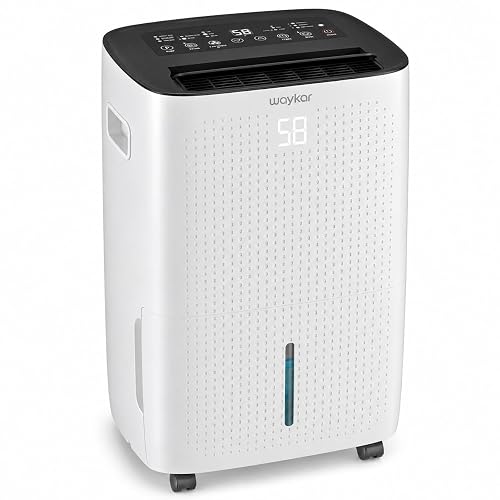
Waykar 145 Pints Dehumidifier with Pump 6,500 Sq. Ft

PLUSCENT 21 Pint Dehumidifier for Basement and Home
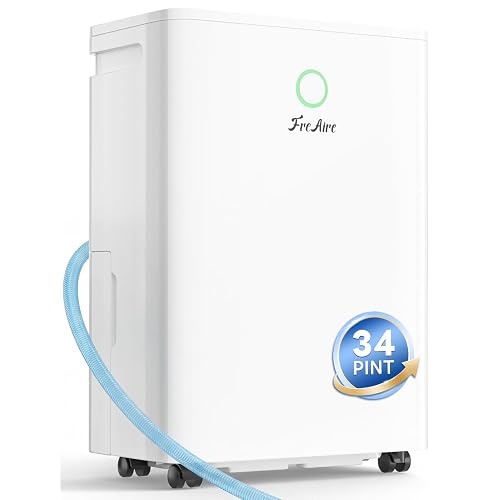
FreAire 34 Pint Dehumidifier for 2,500 Sq. Ft
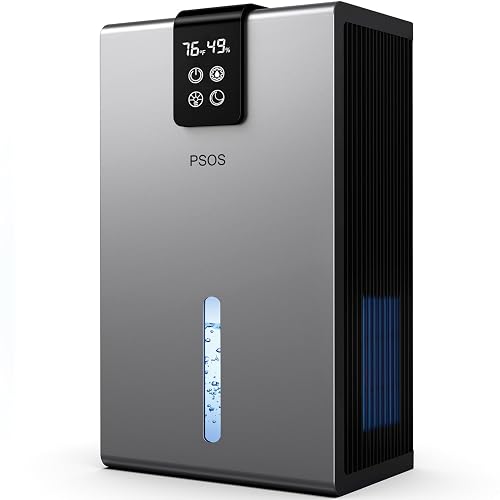
PSOS 98 OZ Quiet Dehumidifier for Bedroom (Gray)
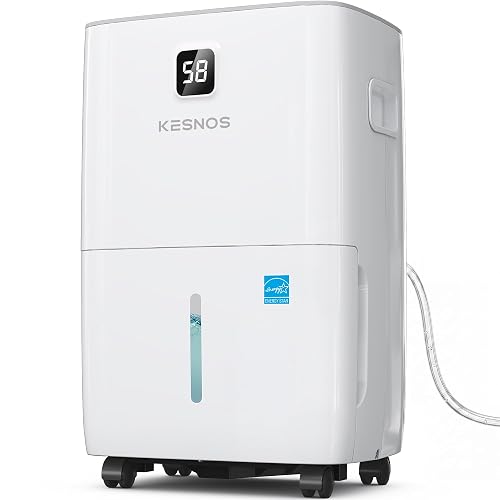
Kesnos 120 Pint Energy Star Dehumidifier 6,500 Sq. Ft
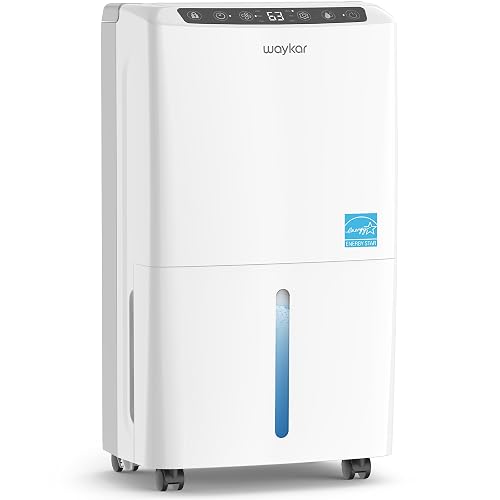
Waykar 34 Pints Energy Star Dehumidifier 2,000 Sq. Ft
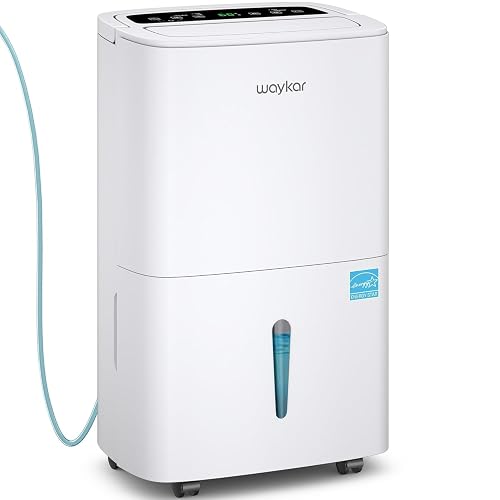
Waykar 150 Pints Energy Star Dehumidifier with Pump 7,000 Sq. Ft
Medium commercial rooms and large basement grows generate a lot of transpiration, and the Waykar 145 Pints is built for that workload. Rated for spaces up to 6,500 square feet, it pulls 145 pints of moisture per day under standard test conditions (95°F at 90% relative humidity), so it can hold a steady humidity line through late flower when smaller units start to lag.
What sets this model apart from the residential picks further down the list is the built-in pump. Rather than relying solely on gravity drainage, it can push condensate (the liquid water condensed out of the air) upward and out through a hose, which simplifies routing in rooms without a floor drain. For cultivators running sealed environments with multiple tents, that pumping capability removes one of the recurring headaches of basement humidity control.
What Helps Most
- Built-in condensate pump for flexible hose routing away from the unit
- High 145-pint-per-day extraction handles heavy late-flower transpiration
- Wide 30% to 80% adjustable humidity range suits both veg and flower rooms
- Coverage up to 6,500 sq. ft. covers multi-room home operations
Things To Consider
- Full-size commercial footprint, not practical for closet-sized tents
- Energy draw is significant during continuous use in enclosed spaces
Built With In Mind
Medium-scale home cultivators and small commercial operators running dedicated flower rooms where a 145-pint capacity matches daily moisture output.
Swap It Out When
Pick the Waykar 34 Pints 2025 model instead if you’re running a single 2,000-square-foot room or smaller and the pump capacity is overkill for your setup.
Small grows have different priorities than full rooms. The PLUSCENT 21 Pint is sized for spaces up to 1,500 square feet and removes up to 21 pints per day, which is the right scale for a closet tent, a small bedroom, or a single 4×4 or 5×5 grow tent where ambient humidity matters more than raw capacity.
Unlike the Waykar 145 reviewed above, this unit runs on a simpler residential design with a 160W draw. That means lighter electrical demand and a quieter operating profile, but it also means it can’t keep up with the transpiration load of a packed flowering tent during peak weeks. For new cultivators dialing in a first setup, though, the straightforward controls and included drain hose make daily use approachable.
Standout Benefits
- Right-sized 21-pint capacity for tents and small bedroom grows
- Light 160W draw keeps operating cost manageable
- Included drain hose supports continuous unattended drainage
- Simple control layout reduces setup confusion for first-time users
Worth Noting
- Capacity tops out around 21 pints per day, which can struggle in dense late-flower tents
- Best in spaces no larger than 1,500 sq. ft.
Key Product Details
Right Fit For
First-time growers running one or two small tents who need a residential-scale unit that won’t overcomplicate daily routines.
Consider Something Else When
Choose the FreAire 34 Pint model instead if your space is closer to 2,500 square feet or you need more headroom for humid flowering weeks.
Spare bedroom grows sit in an awkward middle ground, where a 21-pint unit struggles but a 145-pint commercial machine is massive overkill. The FreAire 34 Pint bridges that gap with a 12L daily extraction rate and a 2,500-square-foot coverage ceiling, sized for a dedicated room with one or two mid-size tents inside.
The compression-based system (a refrigerant cycle that cools air below its dew point so moisture condenses out, similar to how a mini-fridge works) keeps extraction steady even when ambient humidity climbs. The 6.56-foot drain hose is a quiet advantage over shorter leads, giving you more routing freedom when the nearest floor drain or sink is on the other side of the room.
Everyday Advantages
- Mid-tier 34-pint capacity suits 2,500 sq. ft. grow rooms without oversizing
- 6.56-foot drain hose adds reach for awkward room layouts
- Compression technology handles sustained high humidity better than Peltier units (small thermoelectric coolers that work well in warm, small spaces but lose capacity as humidity rises)
Points To Keep In Mind
- Lacks a built-in pump, so drainage runs on gravity alone
- Not strong enough for multi-room or commercial-scale operations
Made For
Home cultivators with a converted spare bedroom or a single mid-size grow tent who want dependable extraction without jumping to commercial capacity.
Look Elsewhere When
Go with the Waykar 145 Pints if you need a pump for upstairs setups or you’re running multiple flowering tents in parallel.
Tent and micro grows usually mean sleeping or working right next to the equipment, so noise becomes a real factor. The PSOS uses dual semiconductor condensation (a Peltier-style design with no compressor, trading raw power for low noise) and runs quiet enough for a bedroom or living-adjacent grow, while still covering spaces up to 1,000 square feet.
The 98-ounce tank and ambient light features point to a residential rather than commercial design. Compared to the FreAire’s compression-based 34-pint extraction, this unit produces less moisture removal, but the trade-off is acceptable for small personal grows where silence matters more than raw pints.
What It Does Well
- Near-silent operation suits tents in shared living spaces
- 98 oz built-in tank reduces the frequency of manual emptying
- Compact footprint fits inside small tents or on nightstand-height shelving
- Humidity display and auto shut-off simplify unattended operation
Honest Caveats
- Peltier design loses capacity as room humidity climbs, so it’s not a late-flower workhorse
- Smaller coverage area limits use to about 1,000 sq. ft.
Who Should Grab It
Growers running one or two small tents in a bedroom or apartment who prioritize quiet operation over high-volume extraction.
Reach For A Different Pick When
Choose the FreAire 34 Pint instead if you need a compressor-based unit that maintains output through dense, humid flowering conditions.
Grow rooms that cycle daily, especially those running perpetual harvests with veg and flower side by side, punish equipment with constant runtime. The Kesnos 120 Pint pulls up to 120 pints per day at standard test conditions and earns Energy Star certification, which matters when the unit runs 18 to 20 hours a day through flowering.
The 6,500-square-foot coverage ceiling matches the Waykar 145, but this model omits the built-in pump. For growers with a floor drain nearby, that simplification is a plus, since fewer moving parts usually mean less maintenance. For rooms without easy drainage, you’d want to step up to a pump-equipped unit.
Features That Help
- Energy Star efficiency lowers electricity cost during continuous operation
- 120-pint capacity handles full flowering room transpiration
- Adjustable 30% to 80% humidity range covers both veg and flower stages
- Drain hose included for direct-to-drain setups
Trade Offs
- No built-in pump limits drainage routing to gravity-only
- Full-size commercial form factor needs dedicated floor space
Feature Snapshot
Whose Shelf It Belongs On
Cultivators running perpetual harvest cycles in a basement or dedicated room with a nearby floor drain who want energy-efficient continuous operation.
A Better Fit Elsewhere
Choose the Waykar 145 Pints instead if your room lacks gravity drainage and you need the pump to route condensate out.
Smaller rooms don’t have to settle for stripped-down residential dehumidifiers. The Waykar 34 Pints 2025 model uses a rotary compressor (a more efficient, compact compressor design compared to traditional reciprocating types) to deliver 34 pints per day in a notably smaller chassis, rated for spaces up to 2,000 square feet.
Energy Star certification and support for both auto and manual drainage give this unit flexibility that the entry-level PLUSCENT doesn’t. Compared to the FreAire reviewed earlier, the build is more compact for the same general capacity, which matters in tight grow rooms where every square foot holds a tent or a tray.
A Strong Showing
- Compact rotary compressor design saves floor space in tight rooms
- Energy Star efficiency keeps operating cost lower on long cycles
- Auto and manual drainage options suit different room layouts
- 0.62-gallon tank with adjustable humidity control
Possible Compromises
- Not designed for spaces above 2,000 sq. ft.
- Higher efficiency typically comes at a higher upfront cost
Best Suited To
Small-scale growers with a dedicated 1,500 to 2,000 square foot room who want compressor-grade extraction without a full-size commercial cabinet.
Skip It When
Pick the Kesnos 120 Pint instead if your operation spans more than one room or includes multiple flowering tents running simultaneously.
Large commercial grow rooms push dehumidifiers to their limits, and a unit that doesn’t run continuously in those conditions quickly becomes a liability. The Waykar 150 Pints pulls 150 pints per day at standard test conditions, covers up to 7,000 square feet, and adds auto defrost and self-drying features that protect the coils during long cooling cycles.
Where this model pulls ahead of the Waykar 145 is in the operational details. The pump handles condensate routing upstairs or across long runs, the defrost cycle prevents ice buildup that would otherwise throttle extraction, and self-drying reduces mold risk on internal components. For commercial-grade flower rooms where downtime costs yield, those features earn their place.
What Earns Its Place
- Auto defrost prevents coil icing during long cooling cycles
- Self-drying reduces internal mold risk between harvests
- Built-in pump routes condensate upward and over distance
- Energy Star efficiency for 20+ hour daily operation
- 150-pint capacity covers 7,000 sq. ft. at full extraction
Where It Is Less Suited
- Commercial size and weight make it impractical for small home setups
- Energy draw is significant even with efficiency certification
Who Will Love This
Commercial and large-scale home cultivators running full flower rooms where capacity, pump routing, and defrost protection all matter equally.
Not Your Match When
Go with the Waykar 34 Pints model if your grow is a single small room and the 150-pint capacity would cycle on and off constantly.
## What Matters Most Before Choosing Dehumidifiers for CannabisCannabis dehumidification lives in a tighter band than general home use, and several specs behave differently when applied to grow rooms.**Match Pint Capacity to Transpiration Load, Not Room Size** Coverage area ratings are a starting point, but the real driver is how much moisture your plants release per day. Late-flower plants in a 4×4 tent can out-transpire a small basement, so prioritize pints-per-day extraction over square-foot ratings when in doubt. A 21-pint unit in a 1,500-square-foot space will struggle through peak flower even though the area number looks right.**Choose Compressor or Peltier Based on Climate** Compressor-based units (refrigerant-cycle dehumidifiers) maintain extraction as humidity climbs, which matters during dense flowering weeks. Peltier units (thermoelectric coolers, compact and quiet but less powerful) work fine in small, warm spaces but lose capacity fast as humidity rises. For most dedicated grow rooms, compressor models are the safer pick.**Pump vs. Gravity Drainage Changes the Setup** A built-in pump lets you route condensate (the water the dehumidifier pulls from the air) uphill or over distance, which is useful in basement or upstairs rooms without floor drains. Gravity-only units need a drain at floor level, which can limit where you place the machine. Plan the room layout before choosing.**Energy Star Pays Off on Long Cycles** A dehumidifier running 16 to 20 hours a day in a sealed room will dominate your power bill. Energy Star certified models cost more upfront but typically use less electricity per pint extracted, which adds up across a full grow cycle.## Key Considerations Across These Picks### Common Shopping Slip Ups The most frequent mistake in this category is buying a unit based on square footage alone, without checking daily moisture removal. A 1,500-square-foot dehumidifier rated at 21 pints a day sounds generous until late flower triples the transpiration load, and the unit starts short-cycling without ever reaching the target humidity. Pair area coverage with at least double your expected daily moisture output.### What The Higher Tier Buys Stepping up from a 21-pint residential unit to a 120- or 150-pint commercial machine brings three meaningful gains: a built-in pump for flexible drainage, auto defrost to keep coils running through long cycles, and self-drying to reduce internal mold between harvests. For a small closet grow, those features cost more than they’re worth. For a dedicated flower room running daily, they’re the difference between steady yields and recurring crop issues.## Frequently Asked Questions**What humidity level should I maintain in a cannabis grow room?** Vegetative growth generally runs at 55% to 70% relative humidity, while flowering benefits from 40% to 50% to discourage bud rot and mildew. Drying and curing stages need different ranges again, often 50% to 60% during slow dry.**How many pints per day do I need for a 4×4 grow tent?** A single 4×4 tent in late flower typically transpires enough moisture to require at least a 30-pint-per-day dehumidifier, with some growers running a 50-pint unit during peak weeks. Smaller units tend to struggle and short-cycle.**Can a regular home dehumidifier work for cannabis?** Yes, with caveats. A residential unit sized correctly for the room can work for small personal grows, but commercial-grade features like pumps, defrost cycles, and higher pint ratings pay off in dedicated flower rooms with sustained high humidity.**Where should I place a dehumidifier in a grow room?** Position the unit at canopy height, away from direct airflow from fans or intake ducts, so it samples representative room air. Avoid corners where stagnant air gives misleading readings.**Do I need a separate dehumidifier for drying?** Drying cannabis benefits from a dedicated, precise unit because the target humidity (around 50% to 60%) and air movement are different from the flower room. Many growers use a second, smaller unit in the drying space to avoid disturbing the main room’s balance.## Wrap UpThe right dehumidifier depends less on brand and more on your room size, plant count, and drainage options. Small tent growers get the most from quiet residential units like the PSOS or PLUSCENT, while mid-size room operators should look at compressor-based 30- to 50-pint models. Dedicated flower rooms and commercial setups benefit from the pump, defrost, and capacity of the Waykar 145 or 150. Match the pint rating to your transpiration load, plan drainage before you buy, and the rest of the equation tends to fall into place.