
Cars collect moisture in ways most owners underestimate. A wet trunk liner, foggy windows on cold mornings, and a musty smell that never quite goes away all trace back to trapped humidity, and the right dehumidifier for cars pulls that moisture before it damages electronics, upholstery, or stored gear. This roundup focuses on real-world moisture control for vehicles, whether you’re protecting a daily driver, a weekend classic in storage, or a truck cab that sits out in the rain. Each pick below has a specific job, so matching it to your situation matters more than chasing the most powerful option on the shelf.
A Quick View Of The Lineup
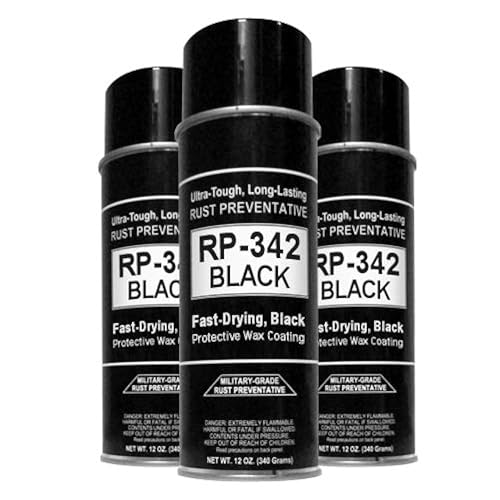
Cosmoline RP-342 Black Rust Preventive Spray 3-Cans
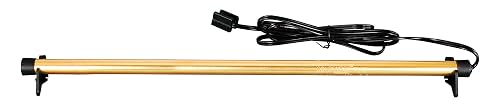
Lockdown Golden Rod Dehumidifier 12″-36″

SnapSafe Reusable Dehumidifier Bag 450G
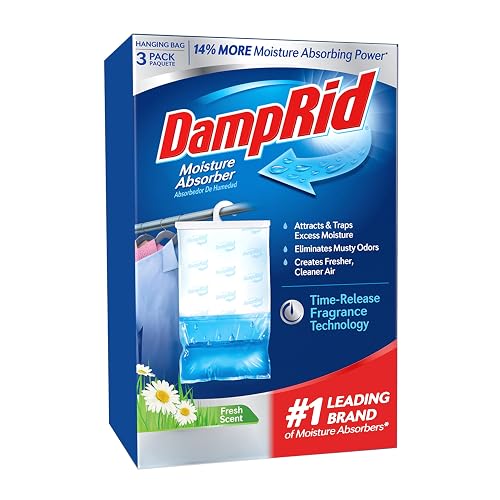
DampRid Fresh Scent Hanging Moisture Absorber 16 oz 3-Pack
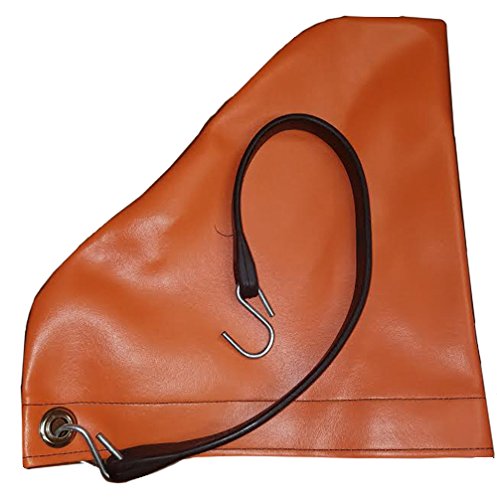
Translectric Turbo Saver Fits 7″ Exhaust
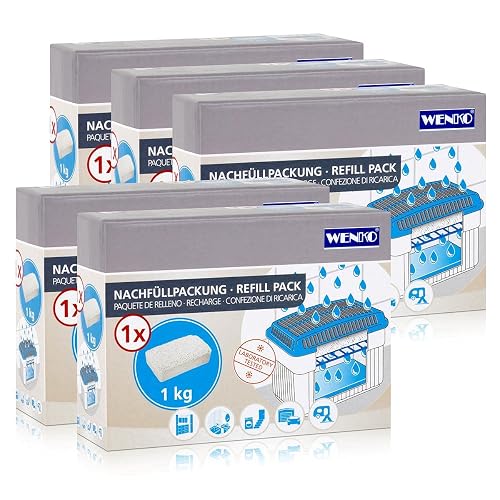
Wenko 5x Refill Pack Moisture Killer 1 kg Granules
Why These Options Stand Out
The Cosmoline RP-342 isn’t a moisture absorber in the traditional sense, but it solves the same root problem from a different angle: rust on the metal surfaces that road moisture constantly attacks. It lays down a black petroleum wax coating that dries to the touch in roughly 25 minutes, so you can spray an undercarriage, frame rail, or suspension component and have it protected for the rest of the season.
Where this product earns its place on a car-focused list is the underbody, where salt, slush, and standing water collect. Unlike the absorbent options below, this is a one-time barrier that you apply and forget. Owners in salt-belt regions commonly treat this as seasonal insurance before winter arrives.
Positive Takeaways
- Dries to a non-tacky finish in around 25 minutes, so the coated part is ready for the road quickly.
- One application can hold up against road salt, road debris, and chemical splash for an extended period.
- The black finish blends with most undercarriage components rather than looking like a visible patch.
- Resists cracking, blistering, and washing off, which matters in slushy driving conditions.
Trade Offs
- It’s a coating, not an absorber, so it does nothing for cabin humidity or foggy windows.
- Aerosol application means working outdoors with ventilation and protecting nearby painted surfaces from overspray.
Key Specs
Whose Shelf It Belongs On
Owners in snowy climates who store vehicles outdoors and want a real barrier against salt corrosion on the underbody.
Where Another Pick Suits Better
For drying a damp cabin or enclosed garage, the Lockdown Golden Rod Dehumidifier is a better fit because it actively circulates warm air.
The Golden Rod takes a different approach than the absorbent bags in this list. It’s a heated rod that mounts inside a closed space and gently raises the air temperature, which lets the warm air hold more moisture and prevents condensation from settling on metal surfaces. The vermiculite filling is the heat-retaining core, and the whole thing runs on standard household current.
For a car owner, the most useful application is a parked vehicle in a garage, a long-term storage unit, or a metal shed. The 24-inch length fits across the back of most car trunks or along a garage wall, and the 6-foot cord reaches the nearest outlet without needing an extension. Compared to the SnapSafe bag below, this is the right tool when you have a power source available and want hands-off operation.
What Helps Most
- Rated to protect up to 300 cubic feet, which covers a car trunk, a small storage closet, or a single-car garage section.
- Continuous operation means no refills, no recharging, and no consumables to track.
- The 6-foot power cord reaches typical outlet positions without an extension.
Points To Keep In Mind
- Requires a 110-120V outlet, so it’s not useful in vehicles stored where no power is available.
- It warms the air slightly, which may matter in a sealed car interior during summer storage.
Built With In Mind
Shed owners, classic-car storage enthusiasts, and anyone with a powered garage who wants steady humidity control without swapping out bags.
Consider Something Else When
For a vehicle parked outdoors with no outlet nearby, the SnapSafe Reusable Dehumidifier Bag runs without any power source at all.
The SnapSafe bag is what you reach for when there’s no power nearby. Drop it in a trunk, a glove box, a tow-behind trailer, or any enclosed vehicle space, and the 450 grams of absorbent material pull moisture from the air without cords, batteries, or moving parts. It’s reusable, so once the bag saturates you recharge it rather than throw it away.
Compare that to the DampRid hanging bags below: those are designed for closets and need a hook, while the SnapSafe sits flat on a trunk liner or a cargo shelf. For RV owners, boat trailerers, and anyone storing gear in a vehicle, that portability is the whole point. It’s a small, silent workhorse that does its job whether the car is parked at the airport for a week or sitting through a humid August.
Positive Points
- No power required, so it works in any vehicle, anywhere, regardless of outlet access.
- Rechargeable design cuts down on waste and long-term cost versus single-use bags.
- Compact form factor fits behind a seat or under a cargo cover without taking up usable space.
Small Caveats
- Absorption capacity is finite, so owners in very humid climates may find themselves recharging the bag more often than expected.
- It works best in smaller enclosed spaces, so an open SUV cabin will need a different solution.
Feature Snapshot
Made For
RVers, frequent travelers, and anyone storing tools, electronics, or sporting gear in a vehicle that sits in unpredictable weather.
Look Elsewhere When
For a powered garage or workshop where electricity is available, the Lockdown Golden Rod delivers stronger continuous drying without manual recharging.
DampRid hanging bags are the most familiar option on this list, and for good reason. The 16-ounce bags hang from a hook and trap excess moisture while the fresh scent tackles the musty odor that follows a damp car interior or a closed garage. The three-pack covers multiple spots at once: a trunk, a back-seat footwell, and a small closet, for example.
For a vehicle, the hanging format is genuinely useful because it keeps the bag off the floor where spilled cargo could damage it. You hang it from a headrest post or a garment hook in a hatchback. Unlike the SnapSafe bag, which is reusable, these are consumable, so you’re committing to replacements on a regular schedule. The trade-off is that they need zero attention between swaps.
A Favorable Mix
- The hanging design keeps the absorber above the floor, away from accidental kicks or spilled liquids.
- Targets musty odors, which is a common pain point in cars that sit closed during rain.
- A three-pack lets you stage one bag in the car, one in a closet, and one in a garage simultaneously.
Honest Caveats
- Single-use consumable, so the cost adds up over years of replacement cycles.
- The hanging hook means it works best in vehicles that have a post or rod to hang it from.
Quick Facts
Who Should Grab It
Daily drivers and family vehicles where a musty smell shows up every few weeks, especially in humid regions.
Not Your Match When
If you’d rather not keep buying replacements, the SnapSafe Reusable Dehumidifier Bag is a one-time purchase that recharges.
The Translectric Turbo Saver is a different kind of protection, and it earns its spot on this list for a very specific reason. Diesel trucks with variable-geometry turbos and oil-cooled turbochargers can spin without lubrication when the wind catches the compressor wheel while the engine is off. That dry spin is one of the most common ways tow and work trucks destroy expensive turbo bearings.
The Turbo Saver fits into a 7-inch exhaust tip and physically blocks the wheel from spinning during transport. It’s reusable, so you install it before a tow and remove it once you start the engine. The honest read is that this product solves a problem most owners will never have, but for the ones who do, a $20 fitting can prevent a $3,000 turbo replacement. It’s a niche pick worth knowing about.
Useful Strengths
- Fits up to a 7-inch exhaust tip, which covers most heavy-duty diesel applications.
- Reusable design, so one purchase covers many future tows.
Practical Considerations
- Narrow use case; only relevant for owners who tow diesel trucks or work vehicles with exposed turbos.
- Forgetting to remove it before startup is a common mistake that the design itself doesn’t prevent.
Right Fit For
Work-truck operators, diesel enthusiasts, and fleet owners who flat-tow or trailer turbocharged vehicles regularly.
Reach For A Different Pick When
If your concern is cabin or trunk humidity rather than turbo protection, the DampRid Fresh Scent Hanging Moisture Absorber is the more general-purpose tool.
The Wenko refill pack is a five-pack of one-kilogram moisture-absorbing granules, and it’s the most economical way to keep a granule-based dehumidifier running long-term. The granules pull moisture from the air and slowly dissolve as they work, so you top up the container rather than replacing a sealed unit.
For a car owner, this is a refill rather than a starter product, so it only makes sense if you already own a compatible container. The honest read is that this pick is here for completeness, because a lot of car-focused shoppers also keep one of these units in a garage. The one-kilogram bags last longer than smaller disposables, and buying in a five-pack brings the per-kilogram cost down.
A Few Strong Suits
- Bulk format lowers the long-term cost of running a granule-based dehumidifier.
- Granules are easy to pour into standard refillable containers without spills.
Where It Is Less Suited
- Requires a separate container; the granules alone don’t trap moisture on their own.
- Liquid accumulates as the granules dissolve, so the container needs occasional emptying.
Feature Rundown
Best Suited To
Garage owners and workshop users who already run a granule-based dehumidifier and want a budget-friendly refill source.
Swap It Out When
For a true set-and-forget vehicle solution, the SnapSafe Reusable Dehumidifier Bag needs no separate container to function.
What To Weigh Before Choosing Moisture Control For Vehicles
Match The Tool To The Space
Start by asking where the moisture is actually collecting. A damp cabin calls for a passive absorber like the SnapSafe bag or DampRid hanging bag, while rust on the underbody points to a coating product like the Cosmoline RP-342. The most expensive option isn’t always the right one; a $15 hanging bag often solves more problems in a daily driver than a $50 powered unit that’s too big for the trunk.
Power Source Matters More Than Capacity
A powered dehumidifier like the Lockdown Golden Rod outperforms passive options in any space with a 110-120V outlet. Without power, the comparison flips: passive absorbents are the only real option. Make sure the choice fits your actual parking situation, whether that’s a driveway, a garage, or a long-term storage unit.
Think About Replacement Cost Over Time
Consumable bags and granules add up across years of replacement cycles. Rechargeable options cost more upfront but pay off for owners who plan to keep a vehicle in long-term storage. The Cosmoline spray, by contrast, is a one-time seasonal application, so the cost-per-year is much lower for underbody protection.
Consider The Secondary Problems
Moisture rarely shows up alone. Musty odors, fogged windows, and corroded electrical connectors all follow the same humidity pattern. A product that addresses the symptom (DampRid’s fresh scent) may be worth the small premium over an unscented alternative if the odor is a daily annoyance.
What Sets Each Option Apart
Wrong Turns To Avoid
A common mistake is buying the largest dehumidifier available and assuming bigger means better. In a small car cabin, an oversized unit runs constantly, may over-dry the air, and adds weight. Match the capacity to the space, and consider that a single 16-ounce DampRid bag handles a typical sedan trunk more effectively than a unit built for a 300-cubic-foot room.
Another slip-up is treating underbody rust and cabin humidity as the same problem. The Cosmoline spray protects metal that’s already exposed to road spray, but it does nothing for a foggy windshield. A complete moisture strategy often means two products serving two jobs, not one product trying to do everything.
What Separates Premium From Basic
The jump from basic to premium in this category usually shows up in build quality and longevity. A $20 hanging bag works but needs replacing monthly, while a reusable SnapSafe bag recharges and lasts years. The cost-per-month math favors premium options for anyone storing a vehicle long-term.
The other place premium pays off is in coverage area. A budget unit rated for 50 cubic feet runs continuously in a 200-cubic-foot garage and never catches up. The Lockdown Golden Rod’s 300-cubic-foot rating handles a single-car garage section without working overtime, which extends its service life and keeps energy use modest.
Key Things To Remember Across This List
Where Shoppers Go Wrong
The most common error is ignoring where the moisture is actually coming from. A wet floor mat from a leaking door seal won’t improve with a dehumidifier, no matter how powerful. Diagnose the source first, then choose a product that handles the residual humidity, not the root cause.
Another trap is choosing a powered unit for a space without power. The Golden Rod and similar heaters need a 110-120V outlet, and extension cords in a damp garage create real safety issues. For unpowered storage, passive absorbents are the safer and more practical answer.
Where The Extra Money Goes
Higher-tier options in this category typically invest in reusable construction, larger absorption capacity, and longer service intervals. The SnapSafe bag’s 450-gram capacity handles a full humid season before recharging, while smaller disposables need monthly replacement. That difference shows up in the total cost of ownership over a three-to-five-year window.
Specialty picks like the Translectric Turbo Saver carry a higher price because they protect a single expensive component. A failed turbo replacement on a diesel truck runs into four-figure territory, so the math favors a small upfront cost when the use case matches.
Frequently Asked Questions
Can a car dehumidifier eliminate window fog permanently?
A dehumidifier reduces interior humidity, which cuts down on condensation, but window fog returns whenever the cabin air is wetter than the glass. The bag and rod products in this list help during storage, but driving in heavy rain will reintroduce moisture no matter what’s running inside.
How long does a 16-ounce DampRid bag last in a car?
Expect roughly two to four weeks in a humid climate, longer in drier regions, and shorter if the car sits outdoors in rain. Owners who park in a covered garage typically get more service life from each bag because the ambient humidity is lower to begin with.
Do underbody rust sprays replace washing the car after winter?
No. A coating like the Cosmoline RP-342 protects metal that’s already clean, but road salt trapped in the underbody still needs to be rinsed off before application. The spray works best as a final step after a thorough wash, not a substitute for one.
Is a reusable dehumidifier bag worth the higher upfront cost?
For owners who keep a vehicle in long-term storage or use a vehicle seasonally, a rechargeable bag like the SnapSafe pays for itself within a year or two. Daily drivers in mild climates may not save enough to justify the upgrade over cheaper disposables.
Will a Golden Rod-type heater damage car interiors in summer?
The temperature rise is small, but in a sealed vehicle on a hot day, any added heat compounds the problem. Most owners use the Golden Rod in storage environments where ventilation isn’t an issue rather than in active summer driving.
Final Take
The right moisture control for your car depends entirely on where the problem shows up. Trunk dampness, musty cabins, and underbody rust each call for a different tool, and pairing the right one to the right job is what keeps a vehicle in good shape through wet seasons. Pick the option that matches your parking situation, your power access, and how long you plan to keep the car, and you’ll avoid the kind of moisture damage that builds quietly over years.