
A sticky, over-humid classroom is a small nightmare for everyone in it. Glued worksheets warp, markers smear, attention drifts, and any child with allergies has a rougher day than they need to. The right dehumidifier pulls moisture from the air quietly enough to vanish into a lesson, runs for hours without a babysitter, and empties without much fuss. This roundup covers seven solid options across a range of room sizes and budgets, so you can match capacity to your specific space instead of overspending on a unit built for a warehouse. Each pick below pairs a clear strength with an honest caveat, because the right fit depends on the actual room, not the spec sheet.
The Leading Options At A Glance
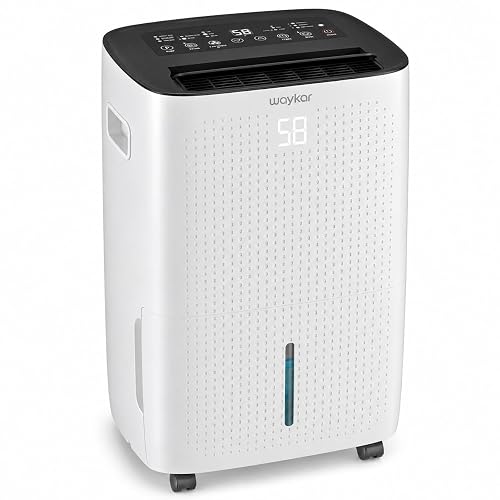
Waykar 145 Pints 6,500 Sq. Ft Dehumidifier with Pump
PLUSCENT 1,500 Sq. Ft 21 Pint Dehumidifier
FreAire 34 Pint Dehumidifier for 2,500 Sq. Ft
PSOS 98 OZ Quiet Dehumidifier with Ambient Light
Kesnos 120 Pint Energy Star Dehumidifier
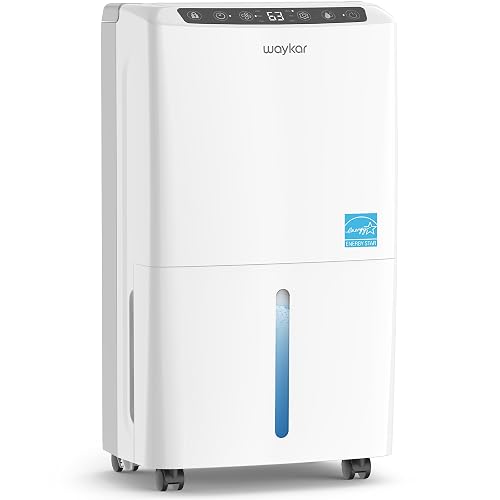
Waykar 34 Pints 2025 Energy Star Dehumidifier
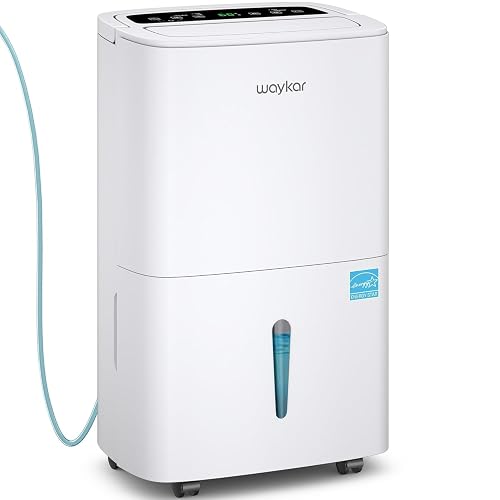
Waykar 150 Pints 2025 Energy Star Dehumidifier with Pump
The Strengths Of Each Pick
Schools running open-plan classrooms, art studios, or shared wings that pull double duty will appreciate the Waykar 145 Pints 6,500 Sq. Ft Dehumidifier with Pump. Its job is simple: pull serious moisture from a serious space and keep doing it without someone checking the tank every few hours. The built-in pump sends condensation up and out through a hose, so a custodian can set it, route the line, and walk away for the rest of the day.
Humidity control runs from roughly 30 to 80 percent, which lets the staff dial the room toward the comfort zone without constant fiddling. Compared to the smaller picks below, this one is overkill for a single homeroom, but for a multi-class open space it earns its footprint.
A Favorable Mix
- Built-in condensate pump removes the daily tank-emptying chore for staff
- 145-pint daily removal handles a room full of breathing, sweating kids
- Adjustable humidity range from 30% to 80% for fine control
- Drain hose included for hands-off setup out of the box
- 30 to 80 percent range covers most classroom comfort targets
Points To Note
- Physical size demands a corner with breathing room and a nearby outlet
- Power draw climbs at full output, so the building circuit should be checked first
Right Fit For
Schools outfitting a single large classroom, a shared STEM lab, or a multi-purpose room that needs real moisture control all day without supervision.
Look Elsewhere When
The Kesnos 120 Pint Energy Star Dehumidifier is a smarter match for tight utility budgets that still need heavy moisture removal.
Standard homerooms in elementary and middle schools rarely need industrial pulling power. The PLUSCENT 1,500 Sq. Ft 21 Pint Dehumidifier aims right at that middle ground: enough daily moisture removal to keep window condensation and that musty chalk-tray smell under control, in a body small enough to tuck beside a bookcase.
Setup is a quick roll-into-place, route the drain hose, plug it in, and pick a target humidity. Compared to the Waykar 145 Pints unit above, this one is calmer in sound and far less hungry on the power bill, which matters when it’s scheduled to run every school day.
Noteworthy Benefits
- Right-sized 21-pint daily output for typical 1,000 to 1,500 sq. ft. classrooms
- Energy draw stays modest, so all-day use does not spike utility costs
- Drain hose included for semi-permanent install in a corner
Worth Noting
- Not enough reach for open-plan rooms above 1,500 sq. ft.
- Relies on routine tank checks if you skip the hose hookup
Built With In Mind
Elementary and middle school teachers looking for a no-fuss, modestly priced unit for a single standard classroom.
Consider Something Else When
The FreAire 34 Pint Dehumidifier is the right call for bigger rooms that still need a friendly footprint and a similar hose-based setup.
A 34-pint daily capacity lands in the sweet spot for many real classrooms, big enough to dry out a damp corner after a wet-day recess, compact enough to live near a wall. The FreAire 34 Pint Dehumidifier covers up to 2,500 sq. ft., which covers most standard rooms plus a fair amount of breathing space for high-occupancy subjects like choir or art.
It arrives with a 6.56-foot drain hose, and you may find that length genuinely useful for routing water to a sink or floor drain without the unit sitting right next to it. The performance sits squarely between the smaller PLUSCENT model and the larger commercial Waykar units, which makes it a versatile pick for schools that just want one good unit per wing.
Practical Pluses
- 34-pint removal handles a damp classroom after rain gear dries inside
- Long 6.56-foot drain hose adds installation flexibility
- Capacity covers standard rooms with headroom for high-occupancy periods
Trade Offs
- Bigger body than the smaller PLUSCENT unit above
- Drain setup needs a nearby floor drain or sink for true hands-off use
Whose Shelf It Belongs On
Schools wanting a versatile single unit that covers most standard classrooms and shared instruction spaces.
Skip It When
The PSOS 98 OZ Quiet Dehumidifier is a friendlier pick for small group rooms and reading corners where quiet matters more than raw capacity.
Small group rooms, sensory corners, and reading nooks have very different rules than a full classroom. The PSOS 98 OZ Quiet Dehumidifier uses dual semiconductor condensation, a thermoelectric approach that trades raw extraction muscle for near-silent operation. For spaces where a loud compressor would compete with a read-aloud, that trade is the right one.
The 98-ounce tank is generous for the size, and the built-in auto shut-off prevents spillover when nobody is watching. A 7-color ambient light is a small but appreciated touch for calming spaces, though most teachers will likely just turn it off. Compared to the FreAire above, this one is much quieter and far less thirsty on the power grid, but it does not pretend to be a large-room workhorse.
A Few Strong Suits
- Thermoelectric design runs quietly enough for read-aloud and test conditions
- Auto shut-off protects the floor when the tank fills
- Compact shell fits neatly on shelves and side tables
A Few Limitations
- Best limited to spaces around 1,000 sq. ft. or smaller
- Tank still needs manual emptying since no drain option is listed
Best Suited To
Small group rooms, sensory corners, counseling spaces, and reading nooks where low noise matters more than high capacity.
Not Your Match When
The PLUSCENT 1,500 Sq. Ft 21 Pint Dehumidifier covers a typical classroom with a proper compressor at a similar price tier.
Big classrooms run for big stretches of the day, and every minute costs money. The Kesnos 120 Pint Energy Star Dehumidifier brings serious pulling power (120 pints a day, covering up to 6,500 sq. ft.) and pairs it with efficiency-focused engineering. Energy Star certification here is a meaningful signal, since it means the unit meets specific efficiency criteria set by the U.S. EPA.
A drain hose comes in the box, which is a small but real win for facilities teams that want to set-and-forget. The humidity control range spans 30 to 80 percent, giving plenty of headroom for the dry winter months and the muggy back-to-school stretch. Against the Waykar 145 Pints model at the top, this one costs less to run and is easier on the budget over a full school year.
Everyday Perks
- Energy Star efficiency helps control operating costs over a long school year
- 120-pint daily removal covers big rooms with headroom to spare
- Wide humidity range from 30% to 80% for seasonal flexibility
- Drain hose included for hands-free, long-running operation
Points To Keep In Mind
- Full-size body requires a clear floor spot and ventilation space
Who It Suits Best
Schools that want one efficient workhorse for a large classroom and care about long-term operating costs.
Swap It Out When
The Waykar 150 Pints 2025 Energy Star Dehumidifier is the better match when you need a built-in pump and the largest reach on this list.
When storage closet space is tight and the classroom itself is medium-sized, the Waykar 34 Pints 2025 Energy Star Dehumidifier makes a lot of sense. A rotary compressor is the kind of upgrade that often shows up in newer models, and here it shrinks the unit without giving up much in daily output. Coverage tops out at 2,000 sq. ft., which matches many standard classrooms well.
Auto or manual drainage is supported, and the 0.62-gallon internal tank is on the smaller side, so a hose is the practical choice for long runtimes. Energy Star certification keeps operating costs sensible, and the adjustable 30 to 80 percent humidity range makes seasonal tuning straightforward. Compared to the Kesnos 120 Pints above, this one is a fraction of the size and a fraction of the output, but it costs less to buy and easier to store between uses.
Notable Gains
- Compact shell fits storage closets and tight corners
- Rotary compressor technology keeps efficiency strong at a smaller size
- Both auto and manual drainage supported for flexible setup
Minor Gripes
- Small internal tank means manual emptying is frequent without a hose
- Not enough reach for open-plan wings above 2,000 sq. ft.
Made For
Medium-sized classrooms where storage space is limited and Energy Star efficiency matters for long-term operating budgets.
Where A Sibling Pick Shines
The FreAire 34 Pint Dehumidifier is a strong sibling option for a similar capacity with a longer included drain hose.
School gyms, auditoriums, cafeterias, and shared halls need a different class of machine. The Waykar 150 Pints 2025 Energy Star Dehumidifier with Pump covers up to 7,000 sq. ft. and pulls up to 150 pints a day, the highest figures in this roundup. The built-in pump matters most in these large spaces, because routing a hose to a sink across a gym floor is rarely practical.
Auto defrost keeps the coils clear in cool conditions, and the self-drying cycle is a quiet but appreciated touch that helps the unit stay clean between uses. Humidity control spans 30 to 80 percent, and Energy Star certification means the operating cost is held in check despite the size. Versus the Waykar 145 Pints unit at the top of this list, this one trades a small amount of capacity for a newer compressor and the addition of self-drying, which you may find more useful in shared spaces with unpredictable schedules.
What It Does Well
- Built-in pump simplifies drainage across big rooms with no nearby sink
- Auto defrost keeps performance steady in cool spaces like basements and gyms
- Self-drying cycle helps the unit stay fresh between heavy-use periods
- Energy Star efficiency holds operating costs in check at high output
Softer Spots
- Body size and weight demand a permanent or semi-permanent spot
Who Should Grab It
School facilities teams managing gyms, auditoriums, cafeterias, and other very large shared spaces that need unattended moisture control.
Another Choice May Suit
The Waykar 145 Pints 6,500 Sq. Ft Dehumidifier with Pump is a comparable alternative if 7,000 sq. ft. of reach is more than you need.
Picking The Right Capacity For Your Classroom
A dehumidifier is only useful when it matches the room. Capacity, usually listed as pints removed per day under specific lab conditions (typically 95°F and 90% relative humidity, an intentionally humid test environment), describes the maximum pull, not the constant workload. Real classrooms run cooler and less humid than that test, so actual daily output is usually lower than the headline number.
For a standard homeroom around 900 to 1,200 sq. ft., a 21-pint unit like the PLUSCENT handles the job. Mid-sized rooms up to roughly 2,500 sq. ft. are well-served by the 34-pint models from FreAire or Waykar, which offer a useful balance of pull and footprint. Anything above that, especially open-plan wings, shared labs, or gyms, calls for the 120- to 150-pint commercial-grade picks from Kesnos and Waykar.
Noise is the second factor people underestimate. Compressor-based units hum, and that hum is fine in most classrooms but disruptive in reading rooms, sensory spaces, and testing environments. Thermoelectric designs like the PSOS 98 OZ trade raw capacity for near-silent operation, and that trade makes sense in smaller, quieter spaces.
Drainage decides how often an adult has to interact with the unit. Tank-only models require manual emptying, which works for short daily cycles. Drain hose or built-in pump setups are the right call for any unit that runs all day in a fixed spot. For school use, the pump and hose models are almost always the practical choice.
What To Check Before You Buy
Pitfalls Shoppers Hit
A common mistake is sizing the unit by the room label, not the actual square footage, which often means overspending. Another is buying on pint-per-day headlines without checking that the test conditions match your real classroom. A related trap is ignoring drainage: a unit without a hose hookup will sit full and shut off mid-lesson, which defeats the purpose of running it in the first place. Noise is often overlooked too, especially when the unit is destined for a reading or test space.
The Case For Spending Up
Higher-tier models in this category earn their cost through three things: built-in pumps, Energy Star efficiency, and larger coverage ranges. Over a full school year of all-day operation, an efficient 120-pint unit can save meaningfully on the power bill compared to a less efficient model with similar reach. Pumps and self-drying cycles also reduce staff time, which has its own real cost. For multi-room or whole-wing deployments, those extras usually pay for themselves.
Frequently Asked Questions
How big of a dehumidifier does a classroom need?
Match the unit’s rated coverage to your actual room square footage, not the building’s overall size. A standard homeroom usually needs a 21- to 34-pint unit, while open-plan spaces and shared rooms benefit from 120 pints or more.
Are compressor dehumidifiers too loud for classrooms?
Standard compressor models produce a steady hum that most students adjust to, but reading rooms and testing spaces often call for thermoelectric designs, which run nearly silent but extract less moisture.
Can a dehumidifier run all school day?
Yes, with a drain hose or built-in pump for continuous removal, most modern units handle full-day operation. Tank-only models will fill up and shut off without supervision.
Where should a dehumidifier be placed in a classroom?
A central spot with airflow on all sides, away from walls and corners, gives the best results. Keep intake and exhaust paths clear of desks and curtains for even moisture control.
Do dehumidifiers help with classroom allergies?
Lower humidity reduces dust mite and mold growth, both common triggers. The effect is supportive, not a cure, and works best alongside good ventilation and regular cleaning.
Closing Remarks
The right classroom dehumidifier comes down to room size, drainage setup, and how much noise you can tolerate during lessons. Smaller units like the PSOS and PLUSCENT are a great fit for tight, quiet spaces, while the 34-pint FreAire and Waykar models cover most standard rooms with room to spare. The bigger 120- and 150-pint commercial-grade picks serve shared wings, gyms, and auditoriums, where a pump and high capacity are worth the footprint. Match the unit to your actual space, and the air quality, the comfort, and the daily routine all tend to follow.