
Dust mites are stubborn allergens, hiding deep in bedding, carpet fibers, and upholstered furniture no matter how often you vacuum. A true HEPA air purifier is one of the few tools that actually traps those microscopic particles (typically 0.1 to 0.3 microns) before they settle into your breathing zone, which makes the right room unit a worthwhile investment. The lineup below covers bedroom-friendly sleep modes, pet-and-people homes, and large open-plan spaces, so you can match a unit to your square footage and noise tolerance.
A Closer Look At The Lineup
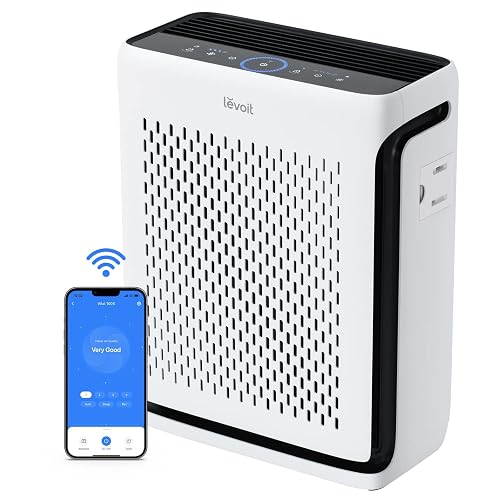
LEVOIT Vital 100S-P Air Purifier for Home Pets Bedroom Dorm Room Washable Pre-Filter
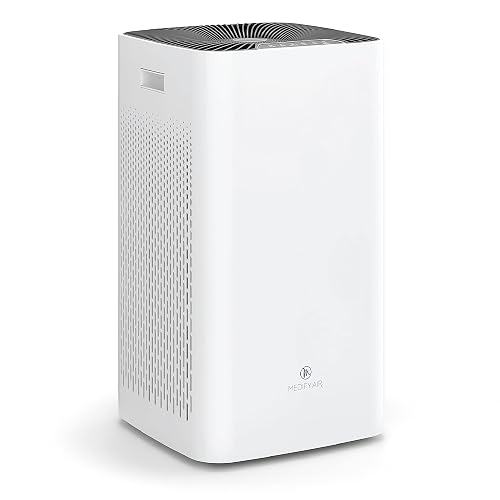
Medify MA-112 Air Purifier V3.0 with HEPA Filter

LEVOIT Vital 200S-P Smart Air Purifier for Home Pets Room up to 1875 ft
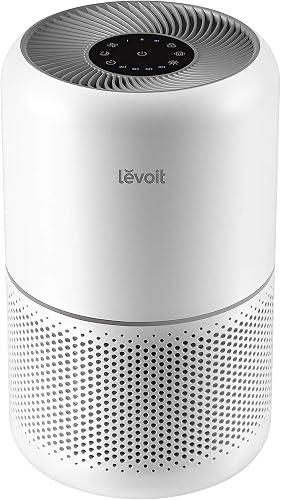
LEVOIT Core 300-P Air Purifier for Home Allergies and Pets Hair Smokers in Bedroom
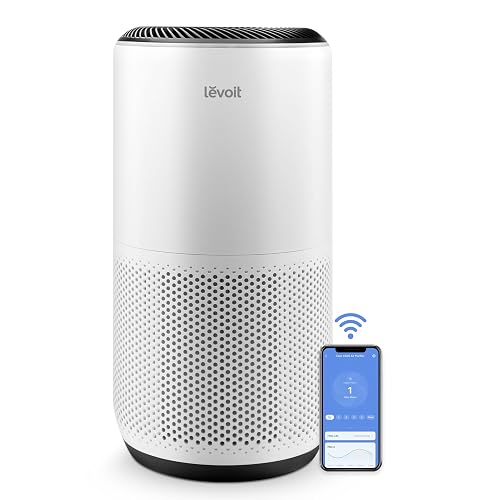
LEVOIT Core 400S-P Smart Air Purifier for Home Large Room Up to 1733 Ft²
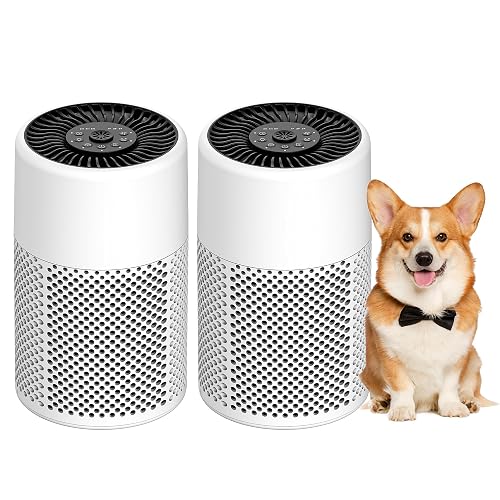
CHIVALZ Air Purifiers for Bedroom, Dorm Room, True HEPA Filter 2 Pack
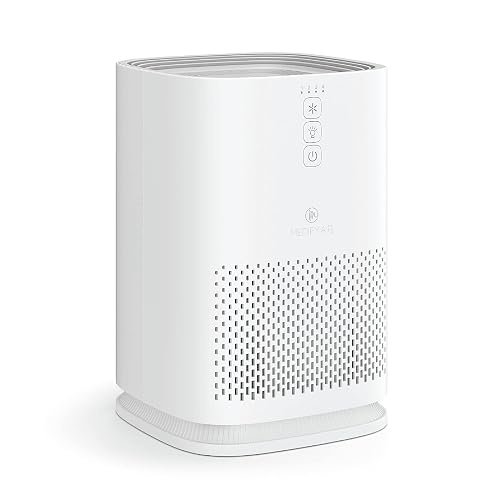
Medify MA-14 Air Purifier with HEPA Filter
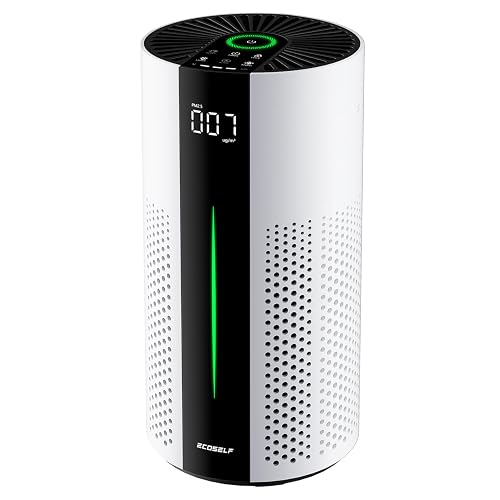
ECOSELF Air Purifiers for Home Large Room Up to 1800 Ft², HEPA Air Purifier
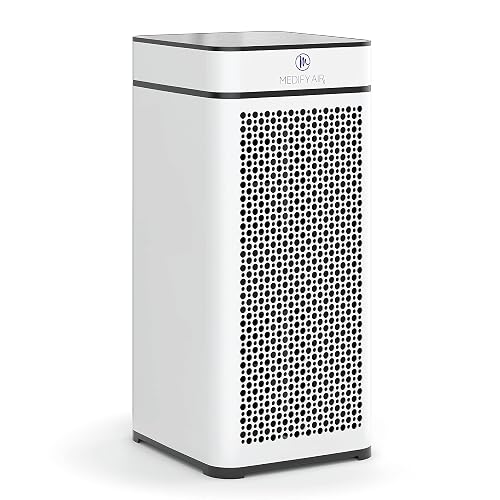
Medify MA-40 Air Purifier with HEPA Filter
Inside Each Recommended Option
The LEVOIT Vital 100S-P is the kind of room purifier you forget is running, which is exactly what you want when dust mite allergens spike at night. Its washable pre-filter is the standout detail here, since pet hair and visible dust load up that layer long before the HEPA media, and being able to rinse it under the tap keeps the unit from choking on debris in heavy-use homes. Compared to the Medify MA-112 further down this list, the Vital 100S-P trades raw square-footage muscle for a quieter bedroom profile.
Coverage is rated for spaces up to about 1,073 ft², which is generous for a primary bedroom or a small open-plan living area. The AHAM VERIFIDE seal (a third-party mark confirming the CADR, or Clean Air Delivery Rate, is honestly stated) gives you a concrete reading of how quickly it scrubs particulates from a room. A built-in air quality monitor and smart auto mode react when cooking smoke or pollen drifts in, then throttle back down when the room settles.
Everyday Wins
- Washable pre-filter trims long-term ownership cost since you skip disposable replacements for the first stage
- True HEPA layer targets the 0.3-micron range where dust mite debris lives, verified through the AHAM program
- Auto mode plus air quality display takes the guesswork out of running it through the day
- Compact tower body slips beside a nightstand without dominating floor space
- Sleep mode dims indicators and drops fan speed for uninterrupted rest
Things To Consider
- The pre-filter still needs monthly rinsing in pet-heavy homes, or airflow drops noticeably
- Smart features rely on the companion app, which some users may not want to set up
Key Specs
Who It Suits Best
Anyone running a single bedroom or small apartment who wants one purifier that handles pets, pollen, and dust mite particles without constant filter swaps.
Where Another Pick Suits Better
Shoppers with great-room floor plans above 1,800 ft² should reach for the Medify MA-112 instead, since its CADR is built for truly open layouts.
Where most bedroom-focused purifiers on this list tap out around 1,000 to 1,800 ft², the Medify MA-112 keeps going. Its rated coverage reaches roughly 5,948 ft² in an hour, which makes it more like a commercial-grade unit shoehorned into a residential shell. For homes with cathedral ceilings, open kitchens, or studio-style great rooms, that scale matters: a smaller unit simply cannot cycle the air fast enough to keep allergen counts down.
The V3.0 designation brings a dual HEPA H13 stack (medical-grade media that captures finer particles than standard HEPA) for capturing particles down to 0.3 microns, including dust mite debris, smoke, and wildfire ash. Against the LEVOIT Vital 100S-P, the trade-off is footprint and noise: the MA-112 is a tall, weighty tower, and on its higher speeds most users will not want it in a sleeping room. In a living area or finished basement, though, it pulls serious weight.
Benefits That Matter
- Highest coverage in the lineup handles open floor plans, finished basements, and lofts on a single unit
- Dual HEPA H13 filtration steps up particle capture for heavy allergen seasons
- Sturdy tower construction built for sustained, full-speed operation
- Effective for wildfire smoke events where smaller purifiers stall out
Trade Offs
- Larger footprint and heavier body make it a poor fit for nightstands or small rooms
- Higher fan speeds produce noticeable noise, which light sleepers will want to avoid
- Replacement H13 filters run more expensive than standard HEPA cartridges
Made For
Households with big common areas, vaulted ceilings, or anyone in a wildfire-prone region who needs one workhorse unit instead of several bedroom-scale machines.
Skip It When
Quiet nighttime use in a single bedroom calls for the LEVOIT Core 300-P, which is built specifically for whisper-level sleep mode.
The Vital 200S-P steps up from the smaller Vital 100S-P in two meaningful ways: more square footage and an integrated PM2.5 sensor (a fine-particulate detector that logs airborne particles 2.5 microns and smaller, which covers most dust mite fragments). In a pet-friendly home, that sensor matters because you can see real-time allergen load climb during a brushing session and watch it drop back down after the purifier cycles through. For multi-cat or dog households, this is one of the more transparent feedback loops in the category.
Rated coverage stretches to about 1,875 ft², which puts the unit in that useful middle ground between the bedroom-scale Core 300-P and the great-room MA-112. It still hits around 27 dB on its lowest setting, which is whisper-soft and only a hair louder than the Core 300-P. The smart features are the differentiator here: app control, scheduling, and voice integration make hands-off management a realistic expectation.
A Few Highlights
- PM2.5 sensor gives you a real number to watch rather than a vague indicator light
- Auto mode reacts to allergen spikes from pets, cooking, or pollen drifting in
- 27 dB sleep mode keeps it usable in primary bedrooms despite the larger coverage area
- App control adds scheduling and remote toggling for travel days
- 3-stage filtration handles dander, odors, and fine dust simultaneously
Points To Note
- Filter replacements run a bit more expensive than the smaller Vital 100S-P cartridges
- Smart features lose value if you prefer a simple button-only interface
Feature Snapshot
Right Fit For
Pet households who want live allergen readouts and a single unit that can cover an open living room without constant manual adjustments.
Look Elsewhere When
Budget-focused shoppers buying multiple smaller rooms should consider the CHIVALZ 2 Pack, which spreads coverage across two spaces for less.
The Core 300-P has earned a reputation as the bedroom default for a reason, and the spec sheet backs that up. At 24 dB on sleep mode, it ranks among the quietest in this lineup, edging out even the Vital 200S-P by a few decibels. For a light sleeper sharing a room with a snoring partner, an air purifier, and a cat, that small gap is the difference between restful nights and a constant low hum.
The H13 True HEPA filter (rated to capture 99.97% of particles down to 0.3 microns) targets the exact range where dust mite allergens and pet dander concentrate, and the activated carbon layer takes a swing at odors from litter boxes or cooking. Coverage is rated for about 1,073 ft², similar to the Vital 100S-P, but the Core series has a more compact cylinder shape that tucks into corners more discreetly. AHAM VERIFIDE certification adds the same independent CADR validation you get on the larger LEVOIT models.
Useful Touches
- 24 dB sleep mode is genuinely bedroom-friendly even for sensitive sleepers
- H13 True HEPA plus activated carbon addresses both particles and household odors
- Compact cylinder body fits in corners and tight nightstand gaps
- Display auto-dims in dark rooms so the unit does not become a nightlight
Soft Spots
- Smaller coverage area means it struggles in open-plan spaces over 1,000 ft²
- Lacks the PM2.5 numeric display found on the Vital 200S-P
Best Suited To
Light sleepers, nursery rooms, and anyone in a studio or one-bedroom apartment who values silence over square-footage bragging rights.
Consider Something Else When
You need one unit to cover a wide great room, in which case the ECOSELF 1800 ft² model makes more sense.
The Core 400S-P is what happens when LEVOIT takes the bedroom-friendly Core 300-P and stretches it into family-room territory. The 1,733 ft² coverage rating makes it a sensible single-unit solution for households that do not want to manage three separate machines across a kitchen, living area, and playroom. Add in the ChildLock feature, and it becomes a practical pick for homes with curious toddlers who like pushing buttons.
Auto mode uses a built-in air quality sensor to ramp the fan up or down based on live readings, and the AHAM VERIFIDE certification keeps those CADR claims honest. The 3-in-1 filter (pre-filter, True HEPA, and activated carbon) handles the typical combination of dust, pollen, and pet odors that drives family-room air quality complaints. Compared to the Vital 200S-P, you trade a slightly lower noise floor on low speed for that extra ChildLock and a touch more square footage headroom.
Practical Advantages
- ChildLock prevents accidental setting changes in homes with small children
- Auto mode and air quality monitor reduce babysitting the unit throughout the day
- 1,733 ft² coverage handles most suburban family rooms without a second unit
- 3-in-1 filter simplifies the routine by combining three media layers in one cartridge
Honest Caveats
- Replacement filters cost more than Core 300-P cartridges given the larger housing
- On turbo settings, the noise floor climbs above the whisper-quiet sleepers in this list
Quick Facts
Perfect Match For
Busy families with open-plan living areas who want a set-and-forget unit that survives toddler fingers and pet dander alike.
Swap It Out When
You need a purifier strictly for a primary bedroom, where the LEVOIT Core 300-P is a quieter, more compact call.
The CHIVALZ 2 Pack flips the usual calculus: instead of one mid-size purifier, you get two small units built for rooms up to about 270 ft² each. For a two-bedroom apartment, a dorm, or a guest room plus home office setup, that split coverage can actually outperform a single mid-tier unit, since each machine runs closer to its ideal workload rather than stretching to fill a larger space.
A 24 dB sleep mode, a night light, and a fragrance sponge slot for essential oils round out a feature set that punches above the price tier. The True HEPA filter and activated carbon layer are the same basics you see in costlier units, so the core allergen capture is intact. What you give up is app control, auto mode, and AHAM certification, which is fair for a budget play.
What Works In Its Favor
- Two units cover multiple rooms, which is more useful than a single oversized machine for many households
- 24 dB sleep mode stays bedroom-friendly on the lowest setting
- Fragrance sponge adds optional aromatherapy without buying a separate diffuser
- Night light feature doubles as a soft reading lamp for kids’ rooms
Worth Bearing In Mind
- No AHAM VERIFIDE certification, so the stated coverage is a manufacturer figure rather than third-party verified
- Filters must be replaced in both units, which doubles the long-term maintenance cost
- Lacks smart features and a numeric air quality display
Whose Shelf It Belongs On
Budget shoppers furnishing a small apartment, dorm, or two-room setup who would rather have two purpose-built units than one stretched too thin.
Not Your Match When
You need one large-room workhorse for an open layout, where the Medify MA-112 or Core 400S-P make more sense.
The MA-14 is Medify’s compact tabletop answer to the larger MA-40 and MA-112 units, and it shares the same H13 HEPA media found in its bigger siblings. Rated for spaces up to 470 ft² in an hour, it lands squarely in the small-bedroom, home-office, or nursery category. The tower form factor stays narrow enough to perch on a desk or a dresser without eating into usable surface area.
Where it differs from the LEVOIT Core 300-P is in the absence of a refined sleep mode, since Medify’s noise profile is functional rather than whisper-tuned. The trade-off is that you get Medify’s H13 filtration, which is a meaningful upgrade if your household deals with severe dust mite sensitivity. For most readers, the MA-14 sits between a true bedroom unit and a desktop air quality gadget.
Advantages To Know
- Compact tower footprint works on dressers, desks, and side tables
- H13 True HEPA matches the media grade in larger Medify units
- Simple control scheme keeps daily use straightforward for non-technical users
Possible Compromises
- No formal sleep mode means nighttime noise is louder than dedicated bedroom units like the Core 300-P
- Lacks smart features and a numeric air quality readout
Who Should Grab It
Shoppers with smaller rooms who prefer Medify’s H13 media over a standard HEPA layer and do not need a smart-app ecosystem.
Another Choice May Suit
Bedroom-first shoppers who prize silence should look at the LEVOIT Core 300-P for its 24 dB sleep mode.
The ECOSELF entry earns its spot on the list with a 360° air intake design, which pulls air in from all sides rather than just one face. In a square living room with the unit placed in a corner, that intake pattern cuts down on the dead zones you get with single-direction purifiers. It is the kind of design detail that matters more than people realize, especially in open layouts where furniture blocks airflow.
Coverage stretches to about 1,800 ft², slotting between the LEVOIT Core 400S-P and the Medify MA-40. A built-in PM2.5 sensor feeds an auto mode that ramps up when smoke or pollen drift indoors, and the display shows live particulate readings. Without AHAM VERIFIDE certification, you are relying on the manufacturer’s CADR claims, which is a fair caveat to weigh against the intake design advantage.
Strong Points
- 360° intake design improves airflow in square or awkwardly furnished rooms
- PM2.5 sensor and auto mode adjust output without manual fiddling
- 1,800 ft² coverage handles most suburban open-plan living areas
- Numeric particulate display gives you actual readings instead of a vague indicator
Factors To Consider
- Lacks AHAM VERIFIDE certification, so the CADR figures are manufacturer-reported
- Filter availability and replacement cost are less established than the LEVOIT or Medify lineups
Core Details
Built With In Mind
Households with square living rooms, L-shaped layouts, or anywhere a single-direction purifier would struggle to reach into corners.
A Better Fit Elsewhere
Shoppers who prioritize independent certification should pick the LEVOIT Core 400S-P, since the AHAM seal validates its CADR claims.
The MA-40 sits in the middle of the Medify family, between the bedroom-scale MA-14 and the powerhouse MA-112. Coverage of 1,793 ft² in an hour puts it in the same range as the LEVOIT Core 400S-P and the ECOSELF, and the H13 HEPA media carries the same allergen capture you get across Medify’s lineup. It is a sensible middle ground that handles a primary living area without stepping up to commercial-grade noise and footprint.
The trade-off versus the LEVOIT Core 400S-P is the missing app ecosystem and ChildLock, which matters more for family households than single-occupant apartments. Where the MA-40 wins is in pure filter media consistency, since the H13 grade is uniform across the Medify line. For shoppers who already trust the Medify brand from an MA-14 purchase, scaling up to the MA-40 keeps the maintenance routine familiar.
Why It Works Well
- H13 HEPA media matches the allergen capture grade of larger Medify units
- 1,793 ft² coverage handles most mid-size suburban living areas
- Quieter than the MA-112 on low speeds, more usable near living spaces
- Familiar filter replacement routine for existing Medify owners
Room For Improvement
- No smart app control or numeric PM2.5 readout like the Core 400S-P
- Lacks family-friendly features such as ChildLock
The Right Fit
Households that want Medify’s H13 media at a coverage level between bedroom and great-room scale, especially existing Medify owners scaling up.
Reach For A Different Pick When
Family households with small children should grab the LEVOIT Core 400S-P for its ChildLock and smart app integration.
What To Weigh Before Choosing a HEPA Air Purifier for Dust Mites
Match Coverage to Real Square Footage
Manufacturers rate coverage under ideal lab conditions, and the numbers assume open floor plans with eight-foot ceilings. In a real bedroom with furniture, curtains, and a closed door, the effective coverage drops by 20 to 30 percent. Measure your room, then round up to the next tier to keep the CADR from bottlenecking on high pollen days. A unit rated for 1,000 ft² in a 700 ft² bedroom still cycles air faster and quieter than one sized exactly to the room.
Understand HEPA Grades and What They Catch
A “True HEPA” filter captures 99.97 percent of particles down to 0.3 microns, which covers most dust mite debris and pet dander. An H13 grade is a step above standard HEPA and is rated for finer capture, though the practical difference in a residential setting is subtle. What matters more is that the filter is sealed properly, with no gaps around the housing where unfiltered air can bypass the media entirely. Look for units that publish CADR figures from AHAM, since that independent mark confirms the filter actually moves enough clean air to matter.
Sleep Mode Noise Makes or Breaks a Bedroom Unit
Any purifier above 30 dB becomes audible in a quiet room, and most sleepers prefer something closer to 24 dB. Manufacturers tend to publish the lowest-fan noise level, so a 24 dB spec is the bedroom-friendly target and anything above 30 dB works better in living areas. The LEVOIT Core 300-P and Vital 200S-P both clear that bar; the Medify MA-112 is built for common spaces where sleep noise is less of a concern.
Plan for Filter Replacement and Long-Term Cost
The unit cost is only part of the ownership picture, since HEPA cartridges need replacement every six to twelve months depending on use. A washable pre-filter, like the one on the LEVOIT Vital 100S-P, trims ongoing cost. If you have multiple units, like the CHIVALZ 2 Pack, the filter spend doubles even if the upfront cost stays low. For pet households, monthly rinses and more frequent cartridge swaps are the realistic expectation.
Key Considerations Across These Picks
Where Shoppers Go Wrong
A common mistake is buying one oversized purifier and expecting it to handle a whole apartment through open doorways. Air moves slowly through a typical interior doorway, and a single unit usually cannot pull enough clean air into adjacent rooms. The honest read is that coverage is per-room, not per-home, and a two-bedroom apartment often needs two bedroom-scale units rather than one mid-size model. Buying a purifier without checking the filter replacement schedule is the other frequent slip, since a clogged HEPA cartridge quietly drops performance long before the unit signals a problem.
The Case For Spending Up
Higher-tier models earn their keep through better sensors, sealed filter housings, and CADR that holds up under real-world conditions. A unit with a PM2.5 sensor and true auto mode, like the LEVOIT Vital 200S-P or ECOSELF, adjusts output as conditions change, so you are not running the fan at full speed all day. The H13 media on the Medify line and the washable pre-filter on the Vital 100S-P also stretch the long-term cost curve in ways budget models cannot. For most households with active allergy symptoms, the upgrade pays back through better sleep and fewer filter changes.
Frequently Asked Questions
How long does it take a HEPA purifier to clear dust mite allergens from a room?
Most bedroom-scale units cycle the air in a standard room two to three times per hour on medium settings, which is enough to bring allergen counts down noticeably within a few hours. For overnight relief, leaving the unit running on auto or sleep mode gives it time to filter multiple air volumes while you sleep.
Where should I place a HEPA air purifier in a bedroom?
The best spot is a few feet off the floor, away from walls and curtains, with clear airflow on the intake side. Placing it near the head of the bed, on a nightstand or low dresser, puts the cleaned air right in your breathing zone.
Do air purifiers actually help with dust mite allergies?
Yes, when the filter is a sealed True HEPA or H13 grade. Dust mite debris and fecal particles fall in the 0.1 to 0.3 micron range, which True HEPA media captures effectively. A purifier is most effective when paired with allergen-impermeable bedding, since the source of mites lives in mattresses and pillows.
How often do HEPA filters need replacing?
For most residential units, the cartridge lasts six to twelve months depending on usage and airborne load. Pet households and homes near wildfire-prone regions often replace filters closer to the six-month mark. A washable pre-filter extends the life of the main HEPA cartridge significantly.
Can one purifier cover multiple rooms?
Generally no, unless the rooms are connected with open doorways and similar square footage. Air moves too slowly through a closed doorway for a single unit to be effective in two separate rooms. Most households benefit more from two bedroom-scale units than one mid-size workhorse.
The Takeaway
The right HEPA air purifier for dust mites comes down to your room size, noise tolerance, and whether you want smart features or pure set-and-forget operation. For a quiet bedroom, the LEVOIT Core 300-P is the dependable call, while the Medify MA-112 handles open floor plans that smaller units cannot touch. Match the unit to your space, run it consistently, and your sleep quality through allergy season will reflect the difference.