
Lead dust behaves differently from everyday household dust. It settles on sills, hangs in the air for hours, and resuspends whenever you walk across a room, which is why a sealed HEPA H13 unit (HEPA H13 filters trap at least 99.95% of particles at the most-penetrating particle size, roughly 0.3 microns) is the standard most renovation guides point toward. If you work on old window frames, refinish vintage furniture, or live in a pre-1978 home, the right purifier becomes part of your cleanup routine, not just a comfort gadget.
The nine models below vary widely in room coverage, filter construction, and noise profile, so the right one depends on your square footage and how often the unit will actually run. Some are best for a single bedroom setup, others for a full basement workshop. Start with the room you need to protect, then match the airflow from there.
The Choices Worth Comparing
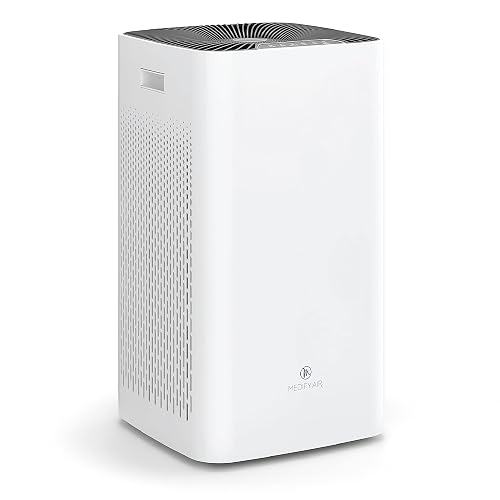
Medify MA-112 Air Purifier V3.0 with HEPA Filter

PuroAir 240 HEPA Air Purifier for Home Pets Bedroom (2PK)
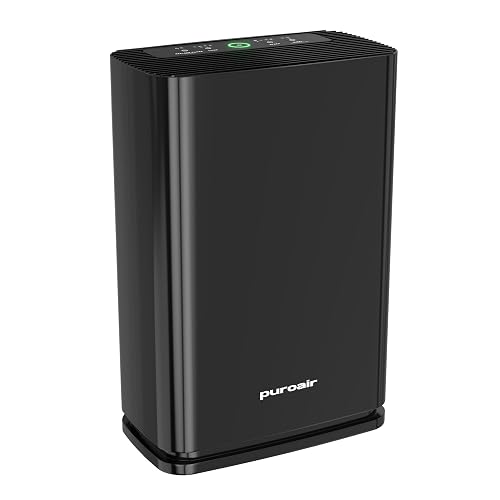
PuroAir 400 HEPA Air Purifier for Home Large Room
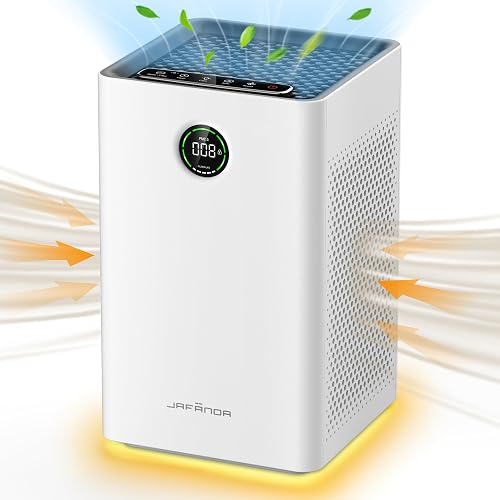
Jafanda HEPA Air Purifier for Home Large Room with Carbon Filters
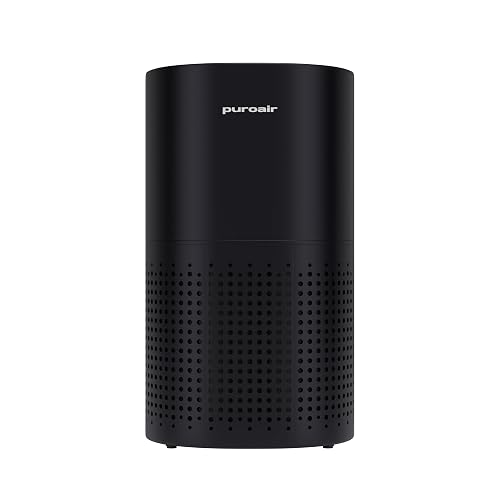
PuroAir 240 HEPA Air Purifier for Home Pets Bedroom
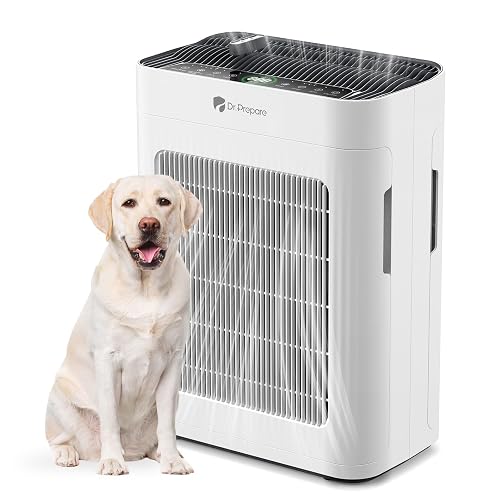
Dr.Prepare Air Purifier for Home Large Room with Dual-Sided Pre-Filter
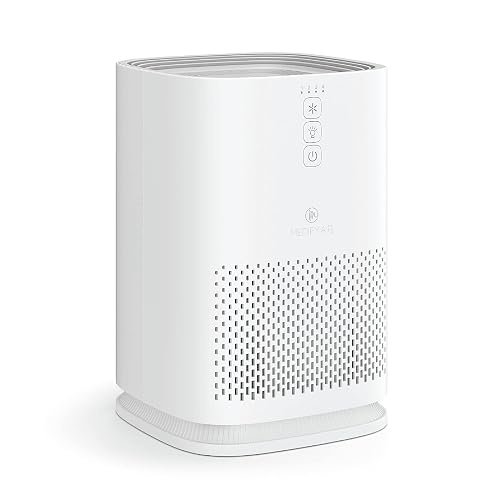
Medify MA-14 Air Purifier with HEPA Filter
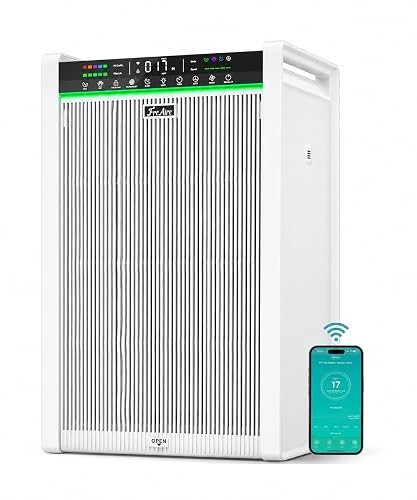
FreAire Air Purifier for Home Large Room HAP611WF
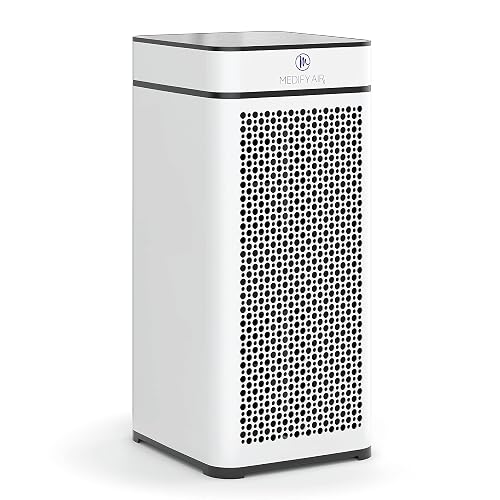
Medify MA-40 Air Purifier with HEPA Filter
A Breakdown Of The Leading Choices
The Medify MA-112 is the workhorse of this lineup, sized for open-plan homes, finished basements, and small commercial shops where lead dust tends to spread fastest. Its dual HEPA H13 configuration is built to capture fine particles down to 0.3 microns, which matters because lead particles released during sanding often fall in the sub-micron range. For anyone running a renovation cleanup or a hobby woodworking space, that rating brings a useful margin of safety over the basic HEPA H11 spec found in many consumer units.
At full speed, the unit moves serious air, so it pairs well with sealed rooms and closed HVAC vents. Owners in colder climates sometimes run it on a lower fan setting overnight, where it stays effective but noticeably quieter. The white cabinet keeps it visually neutral in finished living areas, and the four-wheel base helps when you need to roll it from a workbench corner into a hallway between jobs.
What Stands Out
- Dual HEPA H13 filter stack captures the fine lead particles that ordinary purifiers miss during sanding and scraping work
- Rated coverage of roughly 4,455 sq ft in one hour means one unit can service an open-concept floor without needing a second machine
- Four casters on the base make it easy to relocate between a workshop and a living space as projects change
- Solid metal-and-plastic cabinet tends to hold up well in shops where dust and vibration would punish cheaper housings
Things To Consider
- At higher fan speeds, the noise floor rises enough that bedrooms need the lower settings at night
- Replacement H13 filters are a real ongoing cost, and the dual-filter design doubles the filter-change spend compared to single-stack units
Who It Suits Best
Serious renovators and workshop owners with a single large space who want one unit to cover the whole area without compromise.
Where Another Pick Suits Better
For a small nursery or home office, the Medify MA-14 is far more size-appropriate and wastes less energy on a tight footprint.
The PuroAir 240 two-pack makes sense when your contamination problem lives in more than one room. Lead dust drifts out of a workshop, sticks to clothing, and gets carried into living areas, so running a single point-of-source unit can leave a hallway or bedroom essentially unprotected. Two smaller units, placed at the source and in an adjacent space, do a better job of containing the spread.
The 3-layer filter stack pairs a pre-filter with a HEPA layer and a carbon stage, which helps knock down the metallic, slightly sweet smell that often shows up after a day of scraping old paint. The auto air quality sensor ramps the fan up when it senses particulates and quiets down again once the air clears. For households that need coverage in a kid’s room and a hobby area, this configuration is hard to argue with.
Good Reasons To Consider
- Two units let you isolate a workshop from the rest of the home, which is the practical way to control lead migration
- 3-layer filter with carbon stage reduces paint-related odors that a basic HEPA-only unit would let through
- Auto mode adjusts fan speed based on detected particles, so the unit idles down when you are not actively creating dust
- Quieter sleep setting makes bedroom placement realistic for overnight runs
Honest Caveats
- 1,000 sq ft is the per-room rating, so each unit is best in a single enclosed space rather than a large open plan
- Owners commonly report filter replacements adding up over time, especially with two units running in tandem
Made For
Households tackling renovation across two or more rooms who want matched coverage without buying two separate listings.
Reach For A Different Pick When
If you are purifying a single large open space like a finished basement, the PuroAir 400 covers more area with one unit.
The PuroAir 400 steps up from the 240 in two ways that matter for lead dust: more airflow per hour, and a body sized to keep up with that airflow without buzzing. Where the smaller PuroAir works well in a closed bedroom, the 400 is the one to point at an open living-dining-kitchen layout where renovation or hobby work tends to spill across the whole floor.
Its 2,000 sq ft rating reflects one full air change per hour (ACH, meaning the purifier moves a volume equal to the room’s volume once every 60 minutes), so in tighter rooms the cycling speed is far higher. For lead work, that faster cycling matters because the dust resuspends every time someone walks across the floor. The 3-stage filtration with carbon adds odor handling, and the auto sensor works the same way as on the 240, just at a higher ceiling.
Everyday Advantages
- Higher CADR (Clean Air Delivery Rate, the volume of filtered air a purifier pushes out per minute) than the 240 means a single unit can keep up with a large open space instead of needing a pair
- Carbon layer reduces the slightly metallic smell that often lingers after paint removal work
- Auto mode responds to particle spikes when you start sanding, then quiets back down once the room clears
- Filter access through a side panel is straightforward, which matters when you are swapping filters mid-project
Points To Note
- Footprint is larger than a bedroom-focused unit, so plan where it will live before you start a project
- On its highest speed, fan noise can interfere with phone calls in the same room, depending on your tolerance
Best Suited To
Open-plan households and home workshops where one strong unit is preferable to coordinating multiple smaller machines.
Not Your Match When
For a small nursery or den, the Medify MA-14 will deliver similar filtration in a friendlier tabletop form factor.
The Jafanda JF260 brings a few thoughtful touches that make it easier to live with day to day. The PM2.5 display shows real-time particle levels, which is genuinely useful when you are dialing in a renovation workflow and want to know when the air has cleared enough to walk back into a room. The integrated night light is small but it doubles as a visual indicator that the unit is running.
Coverage tops out around 1,090 sq ft in a single ACH, so it fits mid-size living areas better than a true open-plan whole-home setup. The 3-in-1 filter pairs a true HEPA layer with a 300-gram activated carbon stage, the heavier carbon load is what helps with the smell side of lead paint work. For a bedroom that doubles as a project room, the sleep mode keeps the unit effective without becoming a noise problem.
Everyday Perks
- PM2.5 display gives you a real number to work from, not just a colored light bar, so you can tell when the room has actually cleared
- Heavier 300-gram carbon filter handles paint and adhesive odors better than many lighter carbon stages
- Sleep mode dims the display and drops fan speed for overnight use without losing meaningful filtration
- Filter replacement reminders take the guesswork out of maintenance schedules
Worth Bearing In Mind
- At 1,090 sq ft, the rating assumes a single ACH, so the unit works hardest in larger rooms and benefits from closed doors
- The display is bright even in dim mode, so a few owners reposition the unit away from the bedside
Who Will Love This
Bedroom-centric renovators who want a visible readout of air quality and quiet overnight operation in the same unit.
Swap It Out When
If you are running an active workshop with airborne debris, the Dr.Prepare dual-intake model cycles air faster for the same square footage.
The single-unit PuroAir 240 is the right shape for a single closed room, a home office, or a kid’s bedroom where lead dust is a concern. The 1,000 sq ft rating is generous for the cabinet size, which means it cycles air through a typical bedroom several times per hour rather than barely once. That higher cycling rate is what makes the difference when you are trying to clear the air after a small scraping job.
The auto air quality sensor is the feature that ties it together. The unit ramps up when it detects a spike in particulates, then drops back to a quieter speed once readings stabilize. The 3-stage filter handles the HEPA and carbon side, and the sleep mode is quiet enough for light sleepers. It is a less ambitious machine than the MA-112, but in a smaller room, ambition is the last thing you need.
Standout Benefits
- Auto sensor means you do not have to babysit the fan speed during a project, the unit adjusts on its own
- 3-stage filter with carbon addresses the metallic, slightly sweet odor that often lingers after paint scraping
- Sleep mode keeps noise low enough for overnight runs in a master bedroom
- Compact enough to sit on a dresser or side table without dominating the room
Small Caveats
- Single unit means you are depending on closed doors to keep the air it cleans actually clean
- Filter replacements are a recurring cost, and the auto mode can shorten filter life if you are running a lot of dust through it
Perfect Match For
Anyone needing reliable single-room coverage with the convenience of an auto mode that responds to real particle levels.
A Better Fit Elsewhere
For two-room coverage on a single purchase, the PuroAir 240 two-pack offers a more practical configuration.
The Dr.Prepare unit takes a different approach to the airflow problem. Instead of a single intake grille, it pulls air from both sides of the cabinet, which roughly doubles the surface area pulling particulates into the filter stack. For active workshop environments where dust is being generated continuously, that dual-side intake keeps the unit from becoming the bottleneck in your cleanup.
The washable pre-filter is the practical touch that makes this unit friendlier in the long run. Coarser debris collects on the pre-filter first, which extends the life of the more expensive HEPA layer behind it. The PM2.5 display gives a live read on air quality, and the dedicated pet mode is a useful higher-fan preset for when sawdust or pet hair spikes. The 3,000 sq ft rating puts it firmly in whole-shop territory.
Strong Points
- Dual-sided intake means faster cycling in real conditions, especially in cluttered workshops where one-sided airflow is restricted
- Washable pre-filter is a real long-term cost saver, since you can rinse it instead of replacing it every few weeks
- PM2.5 display lets you watch the air quality drop in real time after a project wraps up
- 3,000 sq ft rating handles finished basements and large shops without breaking a sweat
Practical Considerations
- Cabinet is bulkier than a single-intake unit, so it wants floor space rather than a tabletop
- Owners commonly report needing to clean the pre-filter more often in heavy-use environments, which is normal but worth planning for
Right Fit For
Active renovators and hobby woodworkers generating continuous dust who need a unit that can keep up with the pace.
Look Elsewhere When
For quiet bedroom use where dual intake and a washable pre-filter are overkill, the Jafanda JF260 is a more measured pick.
The Medify MA-14 is the smallest of the Medify trio, sized for a nursery, a small office, or a tabletop in a hobby area where you do not want a full-size cabinet dominating the space. Its 470 sq ft rating makes it a tight fit for anything larger than a generous bedroom, so it is worth sizing honestly before committing.
That said, the smaller cabinet has practical upsides. It weighs less, which makes it easy to relocate as projects move from room to room. The H13 filter still pulls particles down to 0.3 microns, so the filtration quality is in line with the larger Medify units, just at a lower volume. For a small workspace where you are the only one in the room, the MA-14 is honestly the right size.
Useful Strengths
- Tabletop-friendly footprint fits on a workbench, dresser, or shelf without rearranging the room
- Lightweight enough to move between a workshop and a clean living space in a single trip
- H13 filter carries the same sub-micron capture as the larger Medify units, so filtration quality does not drop with size
- Quieter at full speed than most large-room units, which is helpful in shared living spaces
Soft Spots
- 470 sq ft is the absolute ceiling, so any open-plan use will leave corners poorly served
- Owners commonly find the filter life shorter under heavy dust load, which is normal for a smaller filter surface
Who Should Grab It
Small-space renovators and parents wanting a tidy unit for a nursery or home office where size matters more than coverage.
Skip It When
For an open-plan living area or finished basement, the Medify MA-40 is a better-matched size.
The FreAire HAP611WF is the highest-airflow unit in this roundup, rated up to 3,850 sq ft with a 450 CFM CADR. The full-front intake grille is what makes that airflow possible, since a wider opening lets the fan pull more air without choking. For a finished basement, a converted loft, or a detached shop building, that volume of air is what keeps lead dust from settling back onto surfaces after a job.
The top outlet pushes cleaned air upward, which helps with circulation in rooms with high ceilings where purifiers with low side outlets tend to leave the upper air untouched. The large air quality display is a useful at-a-glance reference, and the touch controls keep the front face uncluttered. For anyone whose project space is genuinely large, the HAP611WF earns its place in the lineup.
What It Does Well
- 450 CFM CADR is among the highest airflow ratings in the consumer segment, which translates to faster room clearing
- Full-front intake plus top outlet supports better circulation in high-ceiling spaces than side-outlet designs
- Large air quality display is readable from across the room during a project
- 3,850 sq ft coverage makes it a true whole-shop or whole-basement unit
A Few Limitations
- High airflow brings higher fan noise at full speed, so overnight runs in a nearby bedroom can be intrusive
- Cabinet is large, so it needs a dedicated floor spot and some clearance around the intake
Whose Shelf It Belongs On
Owners of large workshops, finished basements, or open loft spaces who need a single unit to cover genuinely big square footage.
Where A Sibling Pick Shines
For tighter spaces where that airflow is overkill, the Medify MA-40 hits a more comfortable middle ground.
The Medify MA-40 sits between the compact MA-14 and the heavy-duty MA-112, and that middle position turns out to be where most households actually live. Its 1,793 sq ft coverage handles a typical mid-size home, a classroom, or a moderate workshop without needing a second unit. The H13 filter carries the same capture spec as the larger Medify, so you are not trading filtration for size.
For lead dust specifically, the MA-40 is the kind of unit that lives in a hallway or a multipurpose room and quietly cycles air for hours. Owners moving from a tabletop purifier to a full-size unit often find this model is the right escalation: enough airflow to matter, not so much that it dominates the floor plan. In a mid-size home, the honest read is that this is the unit that fits without compromise.
Positive Takeaways
- 1,793 sq ft coverage is the right size for most mid-size homes and avoids the overkill of larger units
- H13 filtration matches the larger Medify models, so the size scaling does not sacrifice particle capture
- Quieter than the MA-112 at comparable settings, which matters in shared living spaces
- Cabinet height fits beneath most standard ceiling fans without blocking airflow
Where It Is Less Suited
- 1,793 sq ft is the one-hour rating, so very open layouts will need higher fan speeds to keep up
- Filter replacements follow the same Medify schedule, which adds to long-term ownership cost
The Right Fit
Mid-size households and home offices wanting one well-balanced unit rather than a fleet of smaller machines.
Another Choice May Suit
For budget-focused multi-room coverage, the PuroAir 240 two-pack delivers a different value equation.
What To Weigh Before Choosing Your Purifier
Match The Unit To The Room, Not The Other Way Around
The single most common mistake is buying on CADR alone. A 3,000 sq ft rated purifier in a 400 sq ft apartment is loud, wastes energy, and cycles the same air over and over. The right move is to measure the actual space you are protecting, then pick a unit whose one-hour rating lands at or above that square footage. Most people find that a 1,000 to 1,800 sq ft unit covers a typical bedroom-to-living-room path, while workshops need 2,000+.
Filter Class Matters More Than Marketing Claims
A unit advertised as “HEPA” without a specific class is a yellow flag. True HEPA captures 99.97% of particles at 0.3 microns, while H13 grade pushes that to 99.95% at the most-penetrating particle size, and H14 goes higher still. For lead dust, H13 is the practical sweet spot. Anything below true HEPA will not reliably hold the sub-micron particles you are trying to remove.
Plan For The Filter Budget
Replacement filters are not optional, and the price difference between models is small compared to a year of filter changes. Pre-filters, when they are washable, save real money in heavy-use environments. Carbon stages that handle odor add another recurring cost, so weigh whether your project actually generates odor before paying for that stage.
Noise Profile And Placement Go Together
A purifier in a bedroom needs a sleep mode that drops below 30 dB (decibels, a unit of sound pressure), while a workshop unit can run louder without consequence. Look for fan curves in the spec sheet rather than just max ratings, since the highest setting is rarely where you will spend most of your time.
Smart Pitfalls And Upgrade Logic
Where Shoppers Go Wrong
The most common trap is trusting room-rating numbers without checking the assumption. A “2,000 sq ft” rating usually means one air change per hour, which is fine for general comfort but thin for an active workshop generating continuous dust. Renovation work benefits from four to six air changes per hour, which means the effective room size for a 2,000 sq ft unit is closer to 300 to 500 sq ft during a project. Size up accordingly.
Another common slip is ignoring the carbon stage. Lead dust itself is mostly odorless, but the paint and primer around it are not. A HEPA-only unit clears particles while leaving the smell of old paint hanging in the air, which is a sign the filter stack is not the right shape for the work.
When Paying More Pays Off
The premium tier in this category adds airflow, dual intake or outlet designs, and heavier carbon loads. For a one-room project that wraps up in a weekend, a mid-tier unit is fine. For ongoing work, a shop environment, or a household with kids and pets, the upgrade to a higher-CADR unit with a washable pre-filter pays for itself in filter savings alone over a year or two. The honest case for spending up is volume and longevity, not prestige.
Frequently Asked Questions
Do HEPA purifiers actually capture lead dust?
Yes, when the unit is rated true HEPA or H13, the filter media is dense enough to trap lead particles at the sub-micron sizes generated during sanding and scraping. The capture rate holds as long as the filter is properly seated and replaced on schedule.
How long should I run the purifier after lead work?
For best results, run the unit for at least several hours after the dust-generating work stops, and keep the room closed during that time. The exact duration depends on room size, but most renovation guides suggest a full day of continuous run for thorough clearing.
Can I use a regular household purifier for lead dust?
Technically yes, if it is true HEPA, but consumer units vary widely in actual capture at the sub-micron range. A unit rated specifically for fine particles or smoke, like the H13 models in this list, will outperform a generic “HEPA-type” unit that does not meet the same standard.
Where should I place the purifier in the room?
Position it between the work area and the rest of the home if possible, so the airflow pulls dust away from living spaces. Keep intake and outlet paths clear of furniture, and avoid placing it directly against walls where the intake can be restricted.
How often do the filters need to be replaced?
Most HEPA filters in this category last six to twelve months under typical home use, with shorter intervals during heavy renovation work. Units with washable pre-filters extend the HEPA life considerably by catching coarser debris first.
The Takeaway
The right purifier for lead dust is the one sized honestly to the room you are actually protecting, with an H13-rated filter and a replacement schedule you can keep up with. A small bedroom setup has different needs than a 1,500 sq ft workshop, and matching the unit to the space is what makes the rest of the choice easy. Pick the right size, plan for the filters, and the rest follows.